



Meet Papeete Muslim Men Online
For Muslim women in Papeete, online platforms provide a discreet and practical way to meet Muslim men who are serious about marriage. Unlike the limited circles of the local community, online profiles allow you to search by religious practice, ethnicity, and lifestyle preferences. When using Zawjaan, take time to review a man's profile for signs of sincerity, such as clear marriage intentions and family involvement. Online conversations should remain respectful and within Islamic boundaries, focusing on compatibility rather than casual chat. Meeting someone online can lead to a rewarding relationship when both partners approach it with faith and honesty.
Papeete Muslim Men for Marriage
In Papeete, marriage is a sacred bond that unites families and communities. For Muslim women, the goal is not just a wedding but a lifelong partnership built on love, mercy, and mutual respect. The local Muslim community, though small, values the involvement of parents and elders in the marriage process. This guidance helps ensure that both partners are aligned in their faith and life goals. Whether you meet online or through family introductions, the decision to marry should be made with careful thought and prayer. In Papeete, where resources are limited, having a clear understanding of each other's expectations is essential for a successful marriage.
Halal Dating with Papeete Muslim Men
Halal dating, or courtship, allows Muslim women to get to know potential husbands while respecting Islamic guidelines. In Papeete, this means meeting in public places such as cafes or the homes of family members, always with a chaperone if necessary. The focus is on conversation about values, interests, and marriage, avoiding physical intimacy before Nikah. This process helps both individuals assess compatibility without compromising their faith. For Muslim women, halal dating provides a structured way to evaluate a man's character and intentions, ensuring that the relationship progresses with clarity and respect.
Islamic Nikah in Papeete
The Islamic Nikah is the foundation of a valid marriage in Islam. In Papeete, there is no dedicated Islamic centre, so couples often arrange for an imam to travel from another island or from overseas to conduct the ceremony. The Nikah can be performed at the local mosque or at a private venue with witnesses. Civil registration is also required under French Polynesian law, so couples must complete both the religious and legal steps. For Muslim women, understanding the requirements for Nikah in Papeete helps avoid delays and ensures that the marriage is recognised by both the community and the state.
Halal Chat with Papeete Muslim Men
Halal chat refers to conversations between a Muslim man and woman that adhere to Islamic principles of modesty and respect. On platforms like Zawjaan, messaging is structured to keep interactions appropriate, avoiding private or intimate topics. For Muslim women in Papeete, halal chat offers a way to ask important questions about a man's religious practice, career, and family, all within a safe environment. It is recommended to keep conversations purposeful and to involve family members when the discussion becomes serious. This approach builds trust and prevents misunderstandings, making the journey towards marriage smoother.
Papeete Muslim Singles and Community Networks
Muslim singles in Papeete face the challenge of a very small community, with estimates of only a few hundred Muslims in the entire country. This makes it difficult to meet eligible partners through local events alone. However, many Muslim singles of South Asian, North African, and Middle Eastern backgrounds are now turning to online platforms to expand their search. By joining Zawjaan, Muslim women can connect with Papeete Muslim men who are also seeking marriage, without the pressure of limited local options. The key is to remain patient and trust that Allah has written the right person for you, even if they are across the ocean.
Marriage Proposals and Khitbah in Papeete
In Islamic tradition, a proposal (Khitbah) marks the formal intention to marry. For Muslim women in Papeete, receiving a proposal is an important step, usually preceded by family meetings and discussions. The man's family may approach the woman's family directly or through a mutual acquaintance. Online matchmaking often leads to proposals after both families have communicated through video calls or visits. It is essential for Muslim women to feel confident in the man's character and religious commitment before accepting. The proposal should also clarify financial responsibilities, living arrangements, and future plans, ensuring both families are in agreement.
Physical Appearance of Papeete Muslim Men
When considering a potential husband, physical appearance is one of many factors. Every person has unique preferences regarding looks, style, and grooming. While the media often promotes a narrow standard of beauty, as a Muslim woman, you should consider what attracts you personally. Remember that beauty is relative and depends on personal preferences. Focus on what you truly want in a partner rather than societal standards.
Skin, Hair and Eye Colour
Skin, hair, and eye colour are often part of a person's attraction, but in a marriage context, they should not override character and compatibility. In Papeete's diverse Muslim community, you may find men of African, Asian, or Middle Eastern heritage, each with natural variations in colour. Rather than focusing on a specific shade, consider how you feel when you are with someone. A man's tone of skin or the colour of his eyes will not determine the success of your marriage; your faith and mutual respect will.
Occupation and Profession
A man's occupation can indicate his ability to provide for a family, but it is not the sole measure of his worth. In Papeete, employment opportunities are concentrated in tourism, government, and the territorial administration, with some roles in the military or port activities. Muslim men may work in these sectors or in trade and commerce. For Muslim women, it is helpful to understand a man's job stability and how it fits with his family commitments. Ask about his career ambitions and how he balances work with religious duties.
Height
Height is often a personal preference, and some women prefer a man who is taller than they are. In Papeete, the average height of men is around 5 feet 9 inches or approximately 175 centimetres. This height reference can help you picture a potential partner, but remember that a man's height should not be a deciding factor. Confidence and reliability matter more than physical stature in building a strong marriage.
Ethnicity and Nationality
Ethnicity and nationality can influence cultural traditions and family expectations. Papeete Muslim men come from diverse backgrounds, including French, North African, Comorian, and South Asian roots, each bringing unique customs. While sharing a cultural background can ease certain aspects, it is not essential for a successful marriage. What is important is that both partners respect each other's heritage and are willing to blend their traditions. Be open to learning about a man's cultural practices and how they might impact your married life.
Compatibility with Papeete Muslim Men
Compatibility is at the heart of a happy marriage. It goes beyond surface-level attraction and involves aligning in key areas such as faith, lifestyle, and goals. For Muslim women in Papeete, consider how well a man's daily life and long-term plans match your own. Compatibility often emerges through honest conversations during the courtship period.
Religious Alignment
Religious alignment means that both partners share a commitment to Islam and practice it in similar ways. Some Muslims are more devout, while others have a relaxed approach. In Papeete, where Muslims are a minority, it is vital to find a man who prioritises his faith, attends prayers, and observes Islamic principles. Discuss their views on fasting, prayer, and modesty to ensure you are both on the same path.
Cultural Compatibility
Cultural compatibility involves how ethnic traditions and family customs blend with Islamic values. A man from a different cultural background may have different expectations regarding roles, celebrations, and extended family involvement. In Papeete, the close-knit Muslim community often bridges cultural differences. Be open to negotiations and find a middle ground that respects both of your cultural identities.
Local Muslim Culture
Local Muslim culture in Papeete is shaped by the small size of the community and the French Polynesian context. Muslims here often celebrate Eid together and support each other in maintaining halal practices. Living in a non-Muslim majority, couples may need to adapt certain traditions while preserving core Islamic values. Understanding this local dynamic helps you anticipate how your marriage might fit into the broader community.
Ideological Viewpoints
Ideological viewpoints within Islam can range from traditional to liberal interpretations. These perspectives affect daily practices and family decisions. When looking for a husband, discuss his views on topics like the role of women, modern work, and education. In Papeete, where Muslims are few, you may need to be flexible, but never compromise fundamental principles. Respectful discussions about ideology can deepen your connection.
Lifestyle Compatibility
Lifestyle compatibility covers day-to-day habits such as diet, hobbies, and social life. Some men may enjoy outdoor activities that are common in Tahiti, like hiking and swimming, while others prefer quieter indoor pursuits. Your lifestyle affects how you spend your time together. In Papeete, the tropical climate encourages an active way of life, so consider if a man shares your energy and interests.
Family Expectations
Family expectations play a significant role in Muslim marriages. In many cultures, the extended family is closely involved in the couple's life, offering support but also advice. In Papeete, if a man comes from a large family, you may be expected to participate in gatherings and respect elders. Clarify with your partner how much say family members will have in decisions such as where you live and how you raise children.
Marriage Goals
Marriage goals refer to the shared vision you have for your future together. This includes decisions about children, career plans, travel, and where to settle. For Muslim women in Papeete, some may want to stay in the islands, while others may consider moving to France or elsewhere. Talk about your dreams and make sure they align. Practically, you might discuss how many children you want and how you will raise them as Muslims in a predominantly Christian society.
Relationship Expectations
Relationship expectations concern how you and your husband will treat each other on a daily basis. This includes communication styles, expressions of love, and conflict resolution. In Islamic marriage, mutual respect and kindness are central. Agree on how you will handle disagreements and how much time you will spend together. A man who listens and values your opinion is a sign of a healthy partnership.
How to Find Muslim Men in Papeete
To find Muslim men in Papeete, start by connecting with the local Islamic community, such as the Centre Culturel Islamique de Tahiti. Online platforms widen your search. When creating a profile, be clear about your faith and marriage intentions. Attend community events, if any, and ask the imam for guidance. Networking through family friends can also be helpful.
1. Create a clear marriage profile
Phase 1: Profile CreationCreate a profile that highlights your faith, values, and what you seek in a husband. Upload clear photos and write a sincere description.
2. Search locally and realistically
Phase 2: Local DiscoveryUse the search filters to narrow down Papeete Muslim men by age, ethnicity, and religious practice. Be open to matches from nearby islands if the local pool is small.
3. Begin respectful halal chat
Phase 3: Compatibility ScreeningStart with polite and modest messages, avoiding deep personal topics until trust is built. Keep conversations within the platform.
4. Arrange a public meeting
Phase 4: Face-to-Face CourtshipAfter chatting, arrange to meet in a public place like a cafe. Bring a family member or friend as a chaperone if possible.
5. Introduce both families
Phase 5: Family MeetingWhen the relationship becomes serious, introduce him to your family via video call or in person. This step involves mutual consent from both families.
6. Prepare the legal documentation
Phase 6: Legal DocumentationComplete the civil marriage paperwork under French Polynesian law at the town hall, including necessary documents and translations.
7. Complete the Islamic Nikah
Phase 7: Marriage ContractPlan the Islamic Nikah with an imam, arrange witnesses, and ensure the ceremony is conducted correctly according to Sunni rites.
Frequently Asked Questions
How can Muslim women meet eligible Muslim men in Papeete?
As Papeete has a small Muslim population, online platforms like Zawjaan offer a wider reach. You can also connect through the Centre Culturel Islamique de Tahiti and attend any community prayers or events.
What should Muslim women look for in a Muslim man online before meeting?
Focus on his religious practice, family values, and marriage intentions. Have halal chat conversations that are respectful and purposeful. Arrange a chaperoned meeting in a public place to see if chemistry and character align.
How can Muslim brothers in Papeete show sincerity in marriage?
A sincere Muslim brother will involve his family early, be clear about his job and financial situation, and speak respectfully about faith. He will initiate halal dating with a chaperone and express a desire for Nikah.
Are there challenges for Muslim grooms in Papeete regarding Nikah?
Yes, there is no mosque in Papeete, so arranging Nikah requires an imam who may fly in. Grooms should plan ahead and also complete civil registration at the town hall to satisfy both religious and legal requirements.
How can Muslim women support Muslim men in maintaining faith in Papeete?
Muslim women can support their husbands by praying together, encouraging halal habits, and connecting with the local Muslim community. They can also discuss ways to practice Islam in a predominantly non-Muslim society.
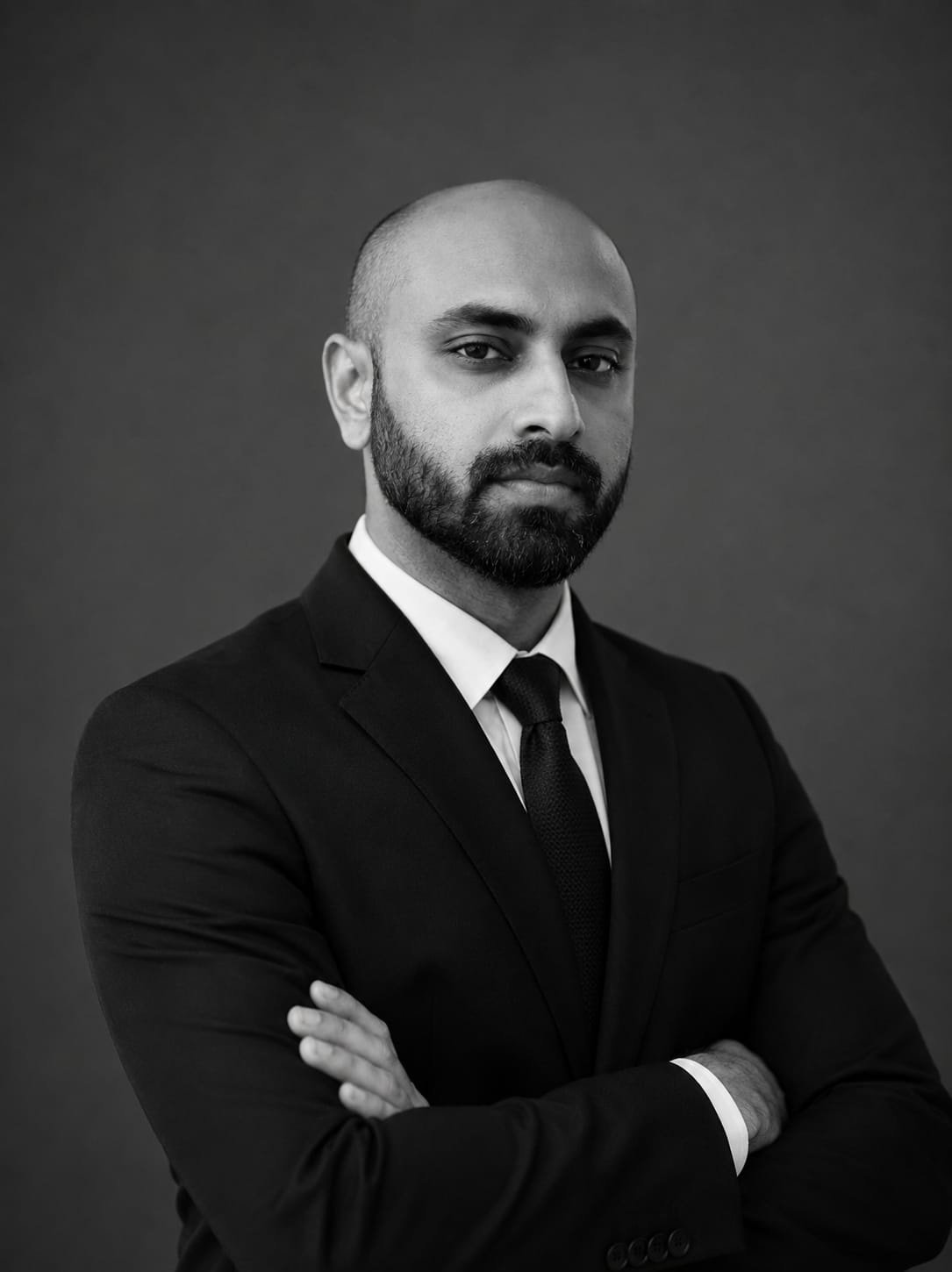
About the Author
Arfan Shariff is the Co-Founder and Head of Operations at Zawjaan, overseeing platform operations, public relations and strategic partnerships. Drawing on his experience in community engagement, Arfan helps shape Zawjaan's trusted, faith-centred and user-focused approach to Muslim matchmaking, promoting compatibility, authenticity and meaningful lifelong marriages.