

Understanding Serious Marriage Intent Among Estonian Muslim Men
Estonian Muslim men who seek marriage through halal channels are often serious about settling down. Their approach is shaped by living in a secular society where Islamic values are personally chosen.
Many Estonian Muslim men are keen to marry within the faith, but they want a partner who shares their commitment to Islam and their vision for a stable family life.
They may be less familiar with traditional matchmaking from their parents’ homelands, so they often rely on online platforms to find a marriage-minded woman.
When you meet a potential husband from Estonia, look for evidence of serious intention rather than casual conversation. He should be ready to involve his family and discuss practical next steps.
Because the Muslim community is small, you may encounter men who are well-integrated into Estonian society while maintaining Islamic practices in their homes.
Signs of a Serious Marriage-Minded Man
A man serious about marriage will usually bring up the topic early, ask about your religious practice, and avoid wasting time on idle chat.
He will be respectful of your boundaries and willing to include a wali in conversations when the time is right.
- He initiates halal communication with clear intentions
- He speaks about long-term plans and family life
- He shows respect for your wali and family involvement
- He avoids delay without valid reasons
- He is willing to discuss mahr and nikah arrangements
Muslim Community Context for Estonian Muslim Men
Estonia has a small but diverse Muslim population, mainly in Tallinn and other urban centres. Understanding the community helps you appreciate the environment in which a potential Estonian husband practises his faith.
The Islamic Centre in Tallinn serves as a gathering place for prayers and community events, where you can observe how local Muslim men engage with their faith.
Many Estonian Muslims are converts or descendants of immigrants, creating a blend of cultural backgrounds rather than a single ethnic identity.
In smaller cities like Tartu, the community is even smaller, meaning that Muslim men may rely more on online platforms to find a compatible spouse.
A man who is active in the mosque or Islamic events often shows a stronger commitment to his deen.
How Community Presence Reflects on Character
Observing a man’s involvement in the Muslim community can give you insight into his seriousness about Islam and marriage.
A passive attitude towards community life is not necessarily negative, but active participation often indicates a stronger support network.
- Regular attendance at Friday prayers
- Volunteering or attending community events
- Leadership or teaching roles in religious education
- Known relationship with local imams or scholars
Assessing Deen, Character, and Compatibility in Estonian Grooms
When evaluating a potential Estonian husband, deen and character are the most critical criteria. Compatibility goes beyond shared culture and includes religious practice, life goals, and family aspirations.
Estonian society is generally secular, so a man’s Islamic practice is a personal choice that you must discuss openly.
Ask about his daily prayers, fasting, and understanding of key Islamic obligations. His answers will tell you about the role of religion in his life.
Character is revealed in how he treats you during halal communication, whether he is honest, patient, and respectful.
You are encouraged to perform istikhara and consult trusted family or friends about your compatibility.
Questions to Ask About Religious Practice
Prepare questions that help you understand his commitment to Islam without being intrusive.
His lifestyle choices may differ from yours, so clarity is key.
- How do you prioritise your five daily prayers?
- What does Islam mean to you in your daily life?
- How do you handle non-Muslim social environments?
- What are your expectations for Islamic parenting?
- How do you plan to support our family’s religious growth?
Compatibility Beyond Culture
Cultural diversity is natural; what matters is that you agree on core values and marriage goals.
Discussing finances, career ambitions, and where you would live helps prevent misunderstandings later.
- Agreement on relocation and residence
- Shared vision for raising children
- Mutual respect for cultural differences
- Similar communication styles
Family Expectations and Involvement for Estonian Husbands
Family involvement plays a significant role in Islamic marriage. Estonian Muslim men may have varied expectations depending on their family background, so it is essential to discuss how families will be included.
Some Estonian Muslim men come from convert families where parents may not be Muslim, while others have immigrant parents who value traditional matchmaking.
You can expect that a respectful groom will want to involve your wali and his own family at the appropriate stage.
Clear communication about family expectations helps prevent clashes later, especially regarding religious celebrations and daily life.
Many Estonian men value independence, but they also respect family bonds, so you should find balance.
Involving Your Wali
Your wali should be introduced early when you have found a serious potential partner.
Encourage your wali to speak directly with the man to assess his sincerity.
- Discuss your interest with your wali before proceeding
- Arrange a meeting between your wali and the potential husband
- Allow your wali to ask questions about deen and financial readiness
- Seek your wali’s approval before finalising any agreement
Understanding His Family Background
Knowing whether his family is Muslim or non-Muslim helps you prepare for interactions and religious practices.
Discuss how you will celebrate Eid and observe Islamic traditions within the larger family circle.
- His parents’ religious background
- His family’s openness to Islam
- Frequency of family gatherings
- How he plans to maintain Islamic values at home
Halal Communication with Estonian Muslim Men
Halal communication is the foundation of a purposeful relationship. It ensures that your conversations remain respectful, marriage-focused, and free from inappropriate behaviour.
When interacting with Estonian Muslim men, keep conversations purposeful and moderately long, avoiding emotional attachment before a formal proposal.
Always involve a third party at the beginning, such as a mutual friend or family member, to maintain accountability.
Estonian society is open, but as a Muslim woman you have the right to set clear boundaries for respect.
Discussing serious topics like marriage readiness requires honesty and patience.
Effective Halal Conversation Tips
Use structured questions to learn about his values and intentions.
Avoid becoming overly private or sharing personal history too quickly.
- Introduce yourself through a mutual contact or a trusted family member
- Keep initial conversations group-based or supervised
- Ask open-ended questions about his daily life and Islamic practice
- Share your expectations for marriage and family early on
- After a few respectful conversations, involve your wali to take the next step
Marriage-Focused Online Matchmaking for Estonian Muslim Men
Zawjaan offers a halal, marriage-focused approach for Muslim men in Estonia. As a sister, you can use its tools to filter for serious intentions and communicate with respect for Islamic boundaries.
On Zawjaan, you can search for Estonian Muslim men who are explicitly looking for marriage, not casual dating.
The platform is designed to facilitate meaningful conversations with the goal of nikah, while respecting halal communication guidelines.
You can state your preferences regarding city, profession, and religious practice to narrow down compatible matches.
Always remember that online matchmaking is only a starting point; the real test is in your halal interactions and family discussions.
Using Zawjaan Effectively
Complete your profile with honest information about your deen and family background.
When someone seems promising, invite a wali or a trusted friend into the conversation early.
- Set clear filters for location and religious practice
- Review profiles to check for detailed and sincere information
- Engage in respectful and purposeful chat
- Request additional information or references when needed
- Transition to family involvement once mutual interest is confirmed
Preparing for the Islamic Nikah and Mahr as an Estonian Husband
Understanding the nikah process and mahr helps you assess a man’s seriousness and preparedness.
In Estonia, Islamic marriages are often conducted at a mosque or by an imam, followed by a civil registration. Discussing the nikah early shows commitment.
The mahr is a gift from the groom to the bride, and its value reflects his respect and financial capability. It can be money, gold, or any agreed asset.
A serious Estonian Muslim husband will welcome clear discussion about mahr and marriage arrangements without delay.
- Confirm that the nikah will be performed by a qualified imam in Estonia or your home country.
- Discuss mahr openly, ensuring it is fair and agreed upon by both families.
- Plan for any necessary civil marriage procedures to make the union legally valid in Estonia.
- Arrange a marriage contract that outlines rights and responsibilities according to Islamic principles.
Choosing a Mahr That Reflects Mutual Respect
The mahr should be meaningful but not extravagant, reflecting your values and his financial situation.
In Estonian Muslim communities, common mahr includes cash, gold rings, or even a valuable book. The exact form is your choice.
- Some sisters prefer a modest mahr to ease the start of married life.
- Others request a higher mahr for financial security. Both are acceptable in Islam.
Cultural Diversity Among Estonian Muslim Men Without Stereotypes
Estonia’s Muslim community is diverse, and avoiding stereotypes helps you see a man’s true character.
Estonian Muslims come from various backgrounds, including ethnic Estonians who have converted, Tatars, and expatriates from many countries.
Culture is not Islam, so judge each potential husband on his faith and character rather than his ethnic origin.
Ask about his family traditions and how he balances Estonian customs with Islamic practice.
- Learn about his personal journey to Islam if he is a convert, as this shows his sincerity.
- Understand that some Estonian Muslims follow Hanafi or other madhabs, which can affect minor practices.
- Respect that his cultural background may influence food, dress, and celebrations, but core values should be Islamic.
Celebrating Eid in Estonia
Eid al-Fitr and Eid al-Adha are celebrated with communal prayers and meals, often in rented halls or at the Tallinn Mosque.
Traditional Estonian dishes may be served alongside Middle Eastern and Central Asian foods, reflecting the community’s diversity.
- Men’s Eid dress often includes a suit or traditional thobe, while women wear modest dresses or abayas.
- Expect gatherings to include children and extended family, so prepare for a warm, lively atmosphere.
Approaching Families and Parents as an Estonian Groom
How a man treats his own family and yours speaks volumes about his marriage readiness.
A responsible Estonian Muslim husband will involve his parents in the marriage process from an early stage.
When he meets your family, he should be respectful and show genuine interest in their concerns.
Discuss how you will maintain family ties, especially if either of you is a convert with non-Muslim relatives.
- Encourage him to speak directly and honestly with your wali, addressing any questions they have.
- Agree on how to handle potential disagreements between families with patience and Islamic teachings.
- Plan a meeting where both families can get to know each other in a neutral setting, like a coffee shop or park.
- Talk about how you’ll celebrate holidays and maintain contact with extended family after marriage.
City and Location Differences for an Estonian Husband
Estonia’s cities and towns offer different living environments, affecting your daily life as a married couple.
Tallinn is the largest city, with a small but active Muslim community, including a mosque and halal shops.
Tartu, known for its university, has a younger and more transient population, with fewer permanent Muslim families.
In smaller towns, you may be the only Muslim family, so consider your comfort and access to community support.
- Evaluate his employment stability in his city, as it will affect housing and future plans.
- Consider whether you prefer a diverse urban area or a quieter town where you can have more privacy.
- Check the availability of halal food and spaces for prayer, especially if you live outside Tallinn.
Relocating for Marriage
If you plan to move to Estonia, discuss visa and residency requirements well in advance.
He should be accommodating when you need time to adjust to the climate, language, and cultural norms.
- Learn some basic Estonian phrases to ease daily interactions.
- Create a plan for finding Islamic community and support groups in your new city.
- Set a timeline for you to visit before moving permanently, so you can see the environment firsthand.
Assessing Marriage Readiness in an Estonian Muslim Man
Evaluate whether he is truly prepared for the responsibilities of a husband before you commit.
Marriage readiness goes beyond age and income; it involves emotional maturity and a clear intention to build an Islamic home.
A serious Estonian groom will have a plan for his career, housing, and family support.
- Is he financially stable enough to support a family, or does he have a realistic plan to get there?
- Can he manage his anger and communicate calmly during disagreements?
- Does he attend prayers and seek Islamic knowledge regularly, showing consistent deen?
- Has he discussed with his family the idea of marrying you, and are they supportive?
Practical next steps on Zawjaan
Use Zawjaan’s profile filters to focus on men who clearly state their marriage intentions and have completed their profile thoughtfully.
Arrange video calls and involve your wali early to ensure the process remains halal.
- Review his interests and lifestyle to see if your daily routines align.
- Ask about his past relationships to understand how he handles commitment.
- Discuss your expectations for roles and responsibilities in the home.
Estonian Cuisine and Gatherings for Your Future Husband
Food is a key part of home life, so understanding what to expect can help you plan a harmonious kitchen.
Estonian cuisine includes dishes like rye bread, potatoes, herring, and pork, but Muslim households substitute halal meat and avoid pork.
Many Estonian Muslim men enjoy traditional foods from their cultural background, whether that is Middle Eastern, Central Asian, or European.
When you cook for him, focus on halal versions of his favourite comfort foods, and learn a few Estonian recipes to honour the local culture.
- Halal options are available in Tallinn and Tartu, including halal butcher shops and restaurants.
- During Ramadan, iftar meals often combine local and international dishes, such as dates, soups, and casseroles.
- Eid feasts might feature pilaf, grilled lamb, or herring, depending on his family’s traditions.
Household and entertaining
Decide together how often you will host family dinners or community iftars.
Keep your kitchen stocked with staples like rice, lentils, and spices to prepare quick meals.
- Ask him about his favourite dishes and any dietary preferences he has.
- Plan a menu that balances your favourite foods from your home country with Estonian classics.
How to Assess Estonian Muslim Men for Marriage
A marriage-focused process for Muslim women assessing a Estonian Muslim man in Estonia for serious Islamic marriage.
- Confirm serious marriage intention: Clarify that the Estonian Muslim man is seeking marriage rather than a casual relationship, and establish clear halal communication boundaries from the beginning.
- Assess deen and character: Consider religious commitment, honesty, temperament, responsibility and consistency, rather than relying only on attraction or online conversation.
- Involve family or wali appropriately: Bring trusted family members or a wali into the process at a suitable stage so intentions, character and practical expectations can be assessed transparently.
- Discuss marriage expectations: Talk clearly about mahr, finances, work, housing, family roles, children, location and other responsibilities that could affect long-term compatibility.
- Agree the route towards Islamic nikah: If compatibility is strong, agree practical next steps for family discussions, any necessary civil requirements and preparation for an Islamic nikah.
Frequently Asked Questions
How can I verify an Estonian Muslim man’s seriousness on Zawjaan?
Look for a fully completed profile, clear statements about marriage intentions, and consistency in communication. Ask for his wali’s contact early and prefer video calls to assess deen.
What is a typical mahr in Estonia?
There is no set amount; it depends on the couple. Common mahr includes cash, gold, or even a Qur’an. He should suggest a meaningful amount without burdening himself.
Are there halal restaurants or food options in Estonian cities?
Yes, particularly in Tallinn and Tartu. Halal butcher shops and a few restaurants serve halal meat. In smaller towns, options are limited but can be sourced online.
How do Eid celebrations look for Muslim families in Estonia?
Muslims gather for Eid prayer, often in rented halls or the Tallinn mosque, followed by family meals. Men wear suits or traditional dress; women wear modest attire. Celebrations may include diverse foods from various cultures.
Should I relocate to Estonia after marriage, and what should I know?
Relocation is possible but requires visa preparation and patience. You should visit first, learn basic Estonian, and connect with the Muslim community. Discuss everything with your husband and wali.
What qualities are most important in an Estonian husband?
Look for strong iman, good character, financial responsibility, and respect for your family. He should be willing to involve both families and communicate openly.
About the Author
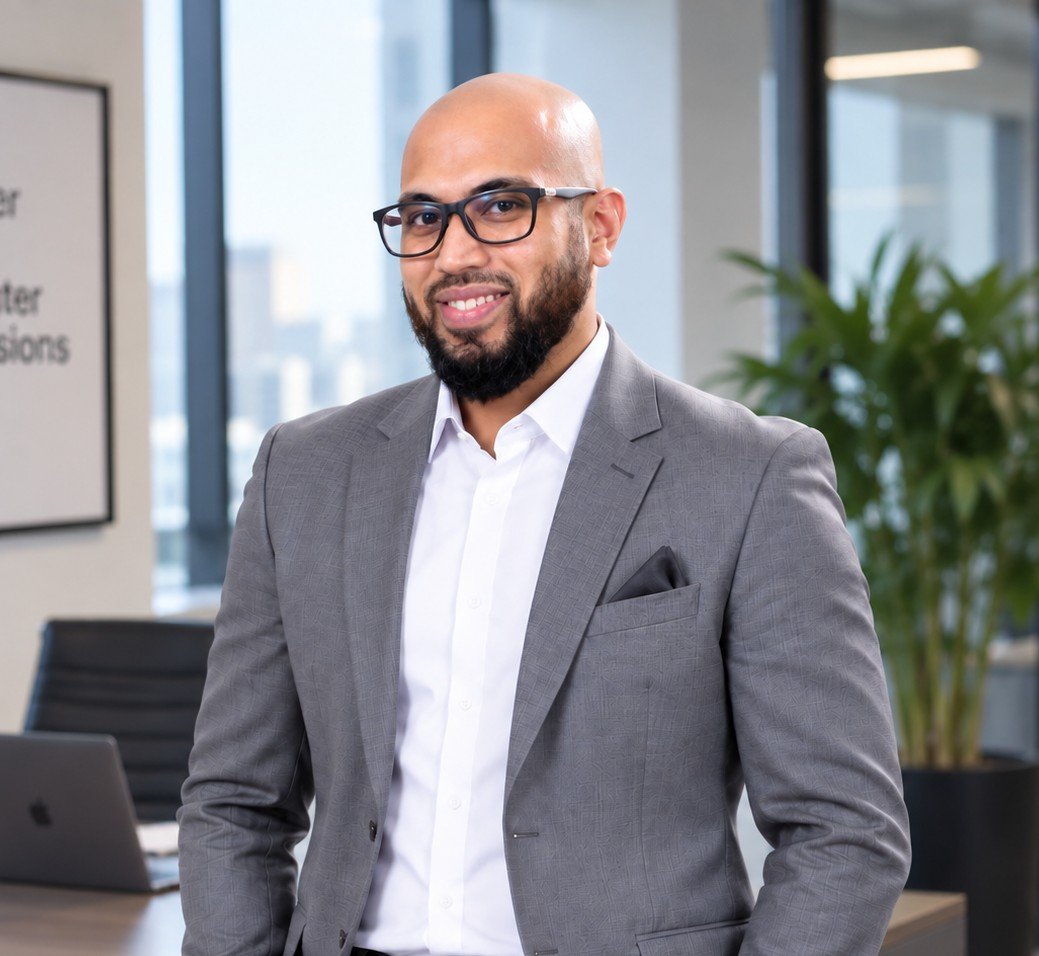
Nasehuddin Mohammed is the Co-Founder and Head of Technology at Zawjaan, where he leads product quality and the platform’s technological development. His work spans user experience and interface development, matchmaking strategies, and community-centred communication experiences designed to help Muslims build serious, marriage-minded connections.