

Meet Obock Muslim Men Online
For Muslim women in Obock, online platforms provide a discreet and efficient way to meet Obock Muslim men for marriage. Many profiles from this region emphasise family background, religious practice, and career stability, reflecting the values of the local community. When browsing, look for men who mention their commitment to Islamic values and their intentions for a serious union. Sites and apps that cater to a global Muslim audience can help you connect with local men who might not be found through your immediate social circle, broadening your options while maintaining cultural and religious appropriateness.
Obock Muslim Men for Marriage
Marriage in Obock is a communal affair, deeply embedded in Djiboutian and Islamic customs. For a Muslim woman, finding a husband means more than personal compatibility; it involves uniting two families and upholding shared traditions. In Obock, marriages often follow a clear process: family introductions, mutual consent, and a Nikah ceremony conducted in a mosque or at home. The local Muslim community values respect, modesty, and the role of elders, so a man’s reputation and family ties are as important as his personal qualities. Seeking a partner who understands these expectations is crucial for a harmonious married life.
Halal Dating with Obock Muslim Men
Halal dating in Obock means courtship with the intention of marriage, conducted within Islamic boundaries. This involves meeting in chaperoned settings, avoiding physical intimacy, and keeping conversations purposeful. For Muslim women, this can take the form of supervised visits in a family home or a public café, where both families can be involved. The aim is to assess character and compatibility while preserving modesty. Respecting these principles reflects a man’s sincerity and aligns with the teachings of Islam, ensuring that the relationship develops in a blessed and lawful manner.
Islamic Nikah in Obock
The Islamic Nikah is the solemn covenant that seals a marriage in Obock. It requires the consent of both parties, the presence of two Muslim witnesses, and a mahr, or bridal gift, which is an obligation of the groom. In Djibouti, the Nikah is often performed by a local imam or qadi, and it is usually followed by community celebrations. For Muslim women, it is essential to ensure that the Nikah is conducted according to Sunni or Shia traditions as per your practice, and that the terms of marriage, including mahr and rights, are clear and honoured.
Halal Chat with Obock Muslim Men
Halal chat refers to respectful, purposeful communication between potential spouses, conducted under Islamic etiquette. In Obock, this might take the form of supervised phone calls, video chats, or messaging through family-approved channels. For a Muslim woman, engaging with Obock Muslim men in this way allows you to discuss values, interests, and expectations without compromising your modesty. Keep the conversion relevant to marriage compatibility, avoid flirtatious or inappropriate topics, and involve a wali (guardian) when necessary. Such communication builds trust and clarity before the Nikah.
Obock Muslim Singles and Community Networks
Obock’s Muslim singles scene is closely tied to community networks and family connections. Mosques such as the Obock Grand Mosque and community events provide opportunities for families to suggest potential matches. Additionally, wedding ceremonies and religious gatherings, like Eid celebrations, are social settings where introductions can be made. For Muslim women, being open to family-mediated introductions is a common and respected practice. Local matchmakers, often elderly women with extensive networks, can also facilitate connections with Obock Muslim men seeking marriage.
Marriage Proposals and Khitbah in Obock
A marriage proposal in Obock, known as khitbah, is a formal step where a man’s family approaches the woman’s family, often with gifts and a clear intention. This follows Islamic tradition and demonstrates seriousness. For a Muslim woman, receiving a proposal from an Obock Muslim man involves discussions between families, where expectations regarding finances, living arrangements, and future plans are addressed. The proposal period allows both sides to pray istikhara and consider the match. In Djibouti, this period may also involve negotiating the mahr and setting a wedding date.
Physical Appearance of Obock Muslim Men
Physical appearance is one factor in choosing a spouse, but in Obock, Muslim men often prioritise faith and character alongside looks. A man’s grooming, dress, and overall demeanour can reflect his respect for Islamic values. Remember that beauty is relative and depends on personal preferences. Focus on what you truly want in a partner rather than societal standards.
Skin, Hair and Eye Colour
Skin, hair, and eye colour vary widely among Obock Muslim men, reflecting the diverse ethnic heritage of Djibouti, including Afar, Somali, and Arab influences. Some men have deep brown skin and dark eyes, while others may have lighter complexions. In the local culture, these physical traits are generally seen as matters of personal preference, with no inherent advantage. What matters more is how a man carries himself and his commitment to his faith.
Occupation and Profession
In Obock, Muslim men are often engaged in industries such as fishing, port activities, and small-scale trade, given the town’s coastal location. Others work in the public sector, education, or at the port of Djibouti, which is a major economic hub. For a Muslim woman, understanding a man’s occupation gives insight into his ability to provide. Many men also pursue vocational training or higher education, which is respected as a sign of ambition and responsibility.
Height
Height is often considered a secondary trait for many Muslim women. In Obock, men of around 5 feet 9 inches or approximately 175 centimetres are common, but there is a wide range. A man’s height rarely influences marriage decisions; instead, his character and religious devotion are far more important. Focus on finding a partner whose values align with yours.
Ethnicity and Nationality
Obock is home to a rich mix of ethnicities, primarily Afar and Somali, with influences from Arab and other Horn of Africa communities. When seeking Muslim men, you may encounter men from various backgrounds, each with their own customs and traditions. Ethnicity can shape cultural practices and family expectations, but Islam unites these groups. For a Muslim woman, being open to different ethnicities can broaden your marriage prospects while respecting the unique heritage each man brings.
Compatibility with Obock Muslim Men
Compatibility is the foundation of a successful marriage. In the context of Obock, this involves shared values, life goals, and an understanding of each other’s family dynamics. A strong match goes beyond attraction, ensuring that both partners are aligned in their faith and practical aspirations.
Religious Alignment
In Obock, religious alignment is crucial for a prosperous marriage. Muslim women should seek men who practice their faith consistently, including regular prayers and fasting. It is important to discuss your mutual understanding of Islam and how you will incorporate it into your home life, as this affects major decisions and parenting. Look for a man who is not only religiously knowledgeable but also applies Islamic principles with compassion.
Cultural Compatibility
Cultural compatibility in Obock stems from shared traditions and family values. Since many families follow the Afar or Somali customs, it is vital to discuss how these will be honoured in your marriage. Interethnic marriages are common, but they require openness and compromise. Understand the role of extended family, gender expectations, and social etiquette in your potential husband’s culture to ensure a harmonious union.
Local Muslim Culture
The local Muslim culture in Obock is deeply rooted in Sunni Islam, often influenced by Sufi traditions. Men may attend mosque regularly and participate in community religious events. Women and men generally observe modesty, and gender segregation is common in social settings. When seeking a husband, appreciate the conservative nature of the community and seek a man who respects these norms while also valuing your own interpretations and practices.
Ideological Viewpoints
Muslim men in Obock may hold varying ideological stances, from traditional to more modern interpretations of Islam. It is important to discuss your religious expectations, such as views on women’s education, employment, and family roles. Finding a man whose ideological outlook aligns with yours will prevent future conflicts. Open dialogue about these topics, with family involvement, helps build a strong basis for marriage.
Lifestyle Compatibility
Lifestyle compatibility involves daily habits, financial priorities, and social preferences. In Obock, this might mean agreeing on how often to engage in community events, how to manage finances, and whether to live near your extended families. A Muslim man who is accustomed to a simple coastal lifestyle may have different expectations than one from a larger city. Discussing these aspects honestly helps determine if your lifestyles can merge.
Family Expectations
Family plays a central role in Obock marriages. A Muslim man will likely seek your family’s approval and involve them in key decisions. Expectations may include maintaining close familial ties, respecting elders, and possibly living in an extended family setting. Before marriage, discuss with your potential husband how you will balance your own family obligations with his, and establish clear boundaries that respect both sides.
Marriage Goals
Aligning your marriage goals is essential. These may include having children, pursuing education, or building a home. In Obock, many couples aspire to live modestly, perhaps owning property or engaging in agriculture or trade. A Muslim man who shares your vision for the future, including financial support and family planning, will be a better partner. Express your goals openly and ensure they are compatible with his.
Relationship Expectations
Expectations for the marital relationship itself, such as emotional support, communication, and intimacy, should be discussed candidly. In Obock, where traditional gender roles are common, it is important to clarify how you and your husband will share responsibilities. A Muslim man who values kindness and mutual respect, as taught in Islam, will create a more fulfilling marriage. Set clear expectations early to avoid disappointment.
How to Find Muslim Men in Obock
To find Obock Muslim men for marriage, engage with your local community through mosque activities and family networks. Attend weddings and social functions where potential suitors may be present. Additionally, online matchmaking platforms offer a broader reach. Be clear about your intentions and involve your wali in the process to maintain propriety.
1. Create a clear marriage profile
Phase 1: Profile CreationCreate a profile that highlights your Islamic values, intentions for marriage, and key personal traits. Use clear photos and honesty, ensuring your wali is aware of your online activity.
2. Search locally and realistically
Phase 2: Local DiscoveryUse search filters on matchmaking platforms to find Muslim men in Obock. Contact those whose profiles align with your religious and lifestyle preferences, and mention your location.
3. Begin respectful halal chat
Phase 3: Compatibility ScreeningEngage in respectful halal chat through platforms that allow messaging. Keep conversations focused on marriage-related topics, and avoid sharing personal contact details until a proper connection is established.
4. Arrange a public meeting
Phase 4: Face-to-Face CourtshipArrange a public meeting with a chaperone, such as a family member, at a neutral venue like a café or restaurant that offers halal options. Ensure boundaries are respected.
5. Introduce both families
Phase 5: Family MeetingIntroduce your potential partner to your family, ensuring he and his family meet formally. Discuss future plans, and seek prayers and guidance from both families.
6. Prepare the legal documentation
Phase 6: Legal DocumentationIn Djibouti, civil marriage requires a formal ceremony at the city hall. Prepare necessary documents, including identity cards and birth certificates, with the assistance of local authorities.
7. Complete the Islamic Nikah
Phase 7: Marriage ContractConduct the Islamic Nikah, typically at the Obock Grand Mosque or another mosque, with an imam and two witnesses. Agree on the mahr and sign the marriage contract.
Frequently Asked Questions
How can Muslim women meet Obock Muslim men for serious marriage?
Engage with family and mosque networks, attend local weddings, or use reputable online matchmaking platforms that cater to Muslims. Ensure your wali is involved during initial stages.
What qualities should a Muslim woman look for in Obock Muslim men?
Focus on his religious commitment, character, and ability to provide. In Obock, a man with strong family ties and a respected reputation is often a suitable match.
How long does the halal dating process take for Obock Muslim men?
There is no fixed duration. It depends on how quickly you both assess compatibility while respecting Islamic guidelines. Typically, it lasts a few months to a year before the proposal.
What is the mahr expectation for Obock Muslim grooms?
The mahr is negotiated between families and can vary from a modest amount to a more substantial sum. It should be agreed upon before the Nikah and given promptly.
How should Muslim women involve their wali when communicating with Obock Muslim men online?
Inform your wali about your online activity and include him in important conversations. He can assist in early interactions and approve of your chosen candidate before the proposal.
About the Author
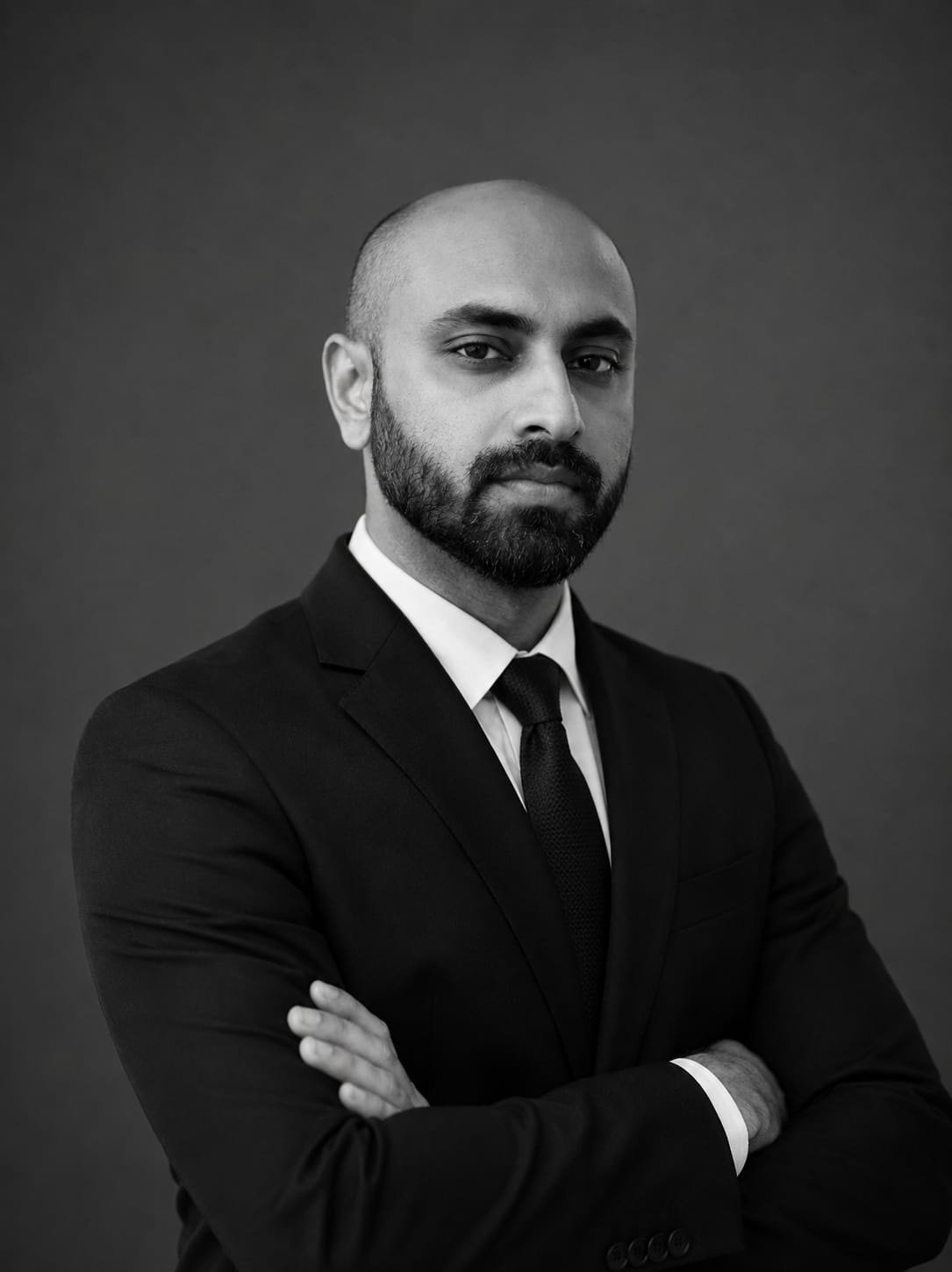
Arfan Shariff is the Co-Founder and Head of Operations at Zawjaan, overseeing platform operations, public relations and strategic partnerships. Drawing on his experience in community engagement, Arfan helps shape Zawjaan's trusted, faith-centred and user-focused approach to Muslim matchmaking, promoting compatibility, authenticity and meaningful lifelong marriages.