


Meet Djibouti City Muslim Men Online
For Muslim women in Djibouti City, meeting compatible Muslim men online offers a practical and halal bridge between tradition and modernity. Platforms like Zawjaan allow women to create profiles that reflect their values, desired qualities, and serious intention for marriage. Online discovery expands the pool of potential grooms beyond immediate family and neighbourhood networks, connecting with Muslim men from diverse backgrounds and professions. This approach maintains modesty and clear boundaries, as initial communication occurs within a supervised environment, focusing on long-term compatibility before family introductions and the Nikah.
Djibouti City Muslim Men for Marriage
Marriage in Djibouti City holds profound significance for Muslim women and their families. It is a sacred contract, a union that brings families together and strengthens the community. The approach to marriage blends Islamic teachings with local customs, where elders and the extended family often play a role in advising and approving potential matches. For Muslim women, seeking a husband from Djibouti City Muslim men means looking for a partner who is righteous, responsible, and respected. The focus is on building a stable, loving home that honours both faith and heritage.
Halal Dating with Djibouti City Muslim Men
Halal dating for Muslim women in Djibouti City is a respectful process that honours Islamic boundaries. It is about supervised courtship, where interactions are conducted with modesty and clear purpose. This might include meeting in public places, such as a halal cafe near Place Mahmoud Harbi, and involving a chaperone, such as a family member or trusted friend. The goal is to assess compatibility, discuss marriage expectations, and learn about each other's character and faith, all while avoiding physical intimacy or seclusion. Such a process ensures the relationship progresses with barakah.
Islamic Nikah in Djibouti City
The Islamic Nikah is the heart of a Muslim marriage in Djibouti City. This ceremony is performed according to the rites of Sunni Islam, typically by a qadi at courts, the Grand Mosque of Djibouti, or other approved venues. The Nikah requires the presence of the groom, the bride, two male witnesses, and the mahr (dowry) agreed upon by both families. Here, Muslim women seeking Muslim men will find that the Nikah is both a spiritual and legal contract, recognised by the Djiboutian authorities. It represents the commencement of married life under Allah's guidance.
Halal Chat with Djibouti City Muslim Men
Halal chat between prospective spouses in Djibouti City should be respectful, purposeful, and conducted within Islamic guidelines. This means communicating with good intention, avoiding flirtatious talk, and keeping conversation focused on matters relevant to marriage: religious commitment, lifestyle expectations, future goals, and family roles. For Muslim women, halal chat with Muslim men can be an initial step to determine basic compatibility. It is advisable for such conversations to be with family knowledge or a chaperone when possible, and to progress constructively to a supervised meeting.
Djibouti City Muslim Singles and Community Networks
Muslim singles in Djibouti City, particularly Muslim men, face unique considerations when seeking a spouse. The local community is tight-knit, and family networks are influential. Single Muslim men often rely on their mothers, sisters, and relatives to propose matches. However, community organisations like the Ummah and the Islamic Cultural Association also provide opportunities for young Muslims to network in proper settings. For Muslim women exploring these avenues, being clear about their own intentions and trusting their families' hopes helps align expectations and find a compatible Muslim groom from this coastline city.
Marriage Proposals and Khitbah in Djibouti City
In Djibouti City, the proposal is a cherished tradition. Typically, the family of the Muslim man identifies a potential bride and communicates their interest to her family, often through the man's mother or a respected intermediary. This leads to a formal meeting where the man and his kin request her hand in marriage. For Muslim women, receiving a proposal is an honour; the family will deliberate together, praying istikhara. The khitbah, the period before the Nikah, allows the couple to meet with supervision to decide if they are suited, ensuring their union is made with full consent.
Physical Appearance of Djibouti City Muslim Men
When considering the physical appearance of potential Muslim grooms, it is important to regard grooming, dress, and bearing as reflections of character. In Djibouti City, men often dress smartly in Western attire or the traditional jellabiya, and maintain a neat and clean appearance. Remember that beauty is relative and depends on personal preferences. Focus on what you truly want in a partner rather than societal standards.
Skin, Hair and Eye Colour
Skin, hair, and eye colour vary naturally among Djibouti City Muslim men, reflecting diverse heritage. These features are part of a person's genetic makeup and are not indicators of faith or compatibility. While certain traits may be aesthetically appealing, they should not outweigh deeper qualities such as character, religious devotion, and values. Recognising that Allah created humanity in varied forms helps focus on what truly matters for a lasting marriage.
Occupation and Profession
In Djibouti City, Muslim men balance professional life with religious duty. Many are connected to the port and logistics industries, a cornerstone of the economy, while others work in government, aviation, or the banking sector. Some run businesses in markets such as the Central Market. For Muslim women, a groom's occupation is significant as it indicates his ability to provide and his sense of responsibility. A stable career, however, is best valued alongside his commitment to his faith and family.
Height
Height is a secondary attribute for many Muslim women seeking a spouse. The average height for men in this region is around 5 feet 9 inches or approximately 175 centimetres. This is a common height for Muslim men in Djibouti City and across the Horn of Africa. While some women may have a preference for taller partners, it is an aspect that diminishes in importance compared to his character, dignity, and religious commitment.
Ethnicity and Nationality
Ethnicity and nationality are intrinsic to identity in Djibouti City. The population is predominantly Somali and Afar, each with distinct languages and cultural traditions, alongside Arab, French, and other East Asian influences. For Muslim women, understanding a potential groom's ethnic background is valuable for cultural alignment and family harmony. Yet, within an Islamic framework, shared faith is the strongest bond. Men from these communities may also value a bride who respects their cultural heritage, making ethnicity a meaningful but not exclusive factor.
Compatibility with Djibouti City Muslim Men
In chasing a serious match, compatibility between a Muslim woman and a Muslim man in Djibouti City goes beyond surface statistics. It is about shared vision, communication, and practical partnership. Understanding the balance between worldly needs and religious commitment is crucial for a marriage that thrives in this coastal city.
Religious Alignment
Religious alignment is the cornerstone of a successful Islamic marriage. Muslim women seeking Muslim men should look for a partner whose practice of Islam, whether praying regularly, fasting, or understanding his faith, matches her own. In Djibouti City, where Islam is deeply woven into daily life, religious compatibility ensures that the couple can grow together in faith and raise a righteous family according to Sunni teachings.
Cultural Compatibility
Cultural compatibility involves respecting and integrating each other’s customs and family traditions. In Djibouti City, this might mean navigating Somali or Afar cultural expectations, such as the roles of extended family or communal celebrations. A Muslim marriage thrives when both partners appreciate these cultural nuances, are willing to adapt, and celebrate each other’s heritage, which is essential for peaceful home life and strong ties with in-laws.
Local Muslim Culture
The local Muslim culture in Djibouti City is shaped by the daily rhythm of prayers and weekly market life. Muslim men often attend Friday prayers at the Grand Mosque, and the community gathers for festivals like Eid. For brides, feeling comfortable within this culture, from greeting customs to the importance of hospitality, helps integrate into her new family. Understanding these practices is key for a Muslim woman planning to marry a compatriot from this city.
Ideological Viewpoints
Muslim men within Djibouti City might hold various ideological viewpoints within the Sunni tradition, from Sufi influences to more orthodox interpretations. These can affect mosque attendance and religious practice. For a harmonious marriage, it is wise for Muslim women to discuss these perspectives early on, ensuring mutual respect for each other's Islamic learning and devotional habits. Shared fundamentals in aqeedah are more important than minor debatable points.
Lifestyle Compatibility
Lifestyle compatibility in this hot, coastal city means considering daily routines, work patterns, and leisure. A Muslim man might spend his evenings at a teahouse in the Quartier 7, or prefer quiet family time. His occupation in port logistics may demand long hours. For a Muslim woman, aligning expectations about time spent together, household responsibilities, and social life is important for a smooth married life in this context.
Family Expectations
In Djibouti City, family expectations often centre on respect, provision, and continuing kinship ties. A Muslim man seeking a wife will likely expect her to build a strong relationship with his mother and wider family. For Muslim women, understanding that her future groom may be deeply tied to his family is key. Open discussions about living arrangements (perhaps joining an extended household), the wife's role in family gatherings, and financial support prevent misunderstandings.
Marriage Goals
Marriage goals for Muslim men in Djibouti City typically include establishing a household for raising children in an Islamic environment, achieving mutual support, and fostering strong family bonds. These goals are often shared by Muslim women, but it is wise to articulate individual aspirations: whether to focus on career, further education, or children. When both partners aim for a peaceful, Allah-conscious home, they can more easily navigate journeys together.
Relationship Expectations
In a halal relationship, Muslim men and women in Djibouti City must define clear expectations. This includes communication styles and conflict resolution, where honesty is tempered with Islamic manners. A Muslim man should be a protector and provider, while a Muslim woman expects dignity and respect. Both should agree on the level of family involvement, emotional support, and how they will nurture their connection. Clear discussions during the betrothal period help.
How to Find Muslim Men in Djibouti City
To find Muslim men for marriage in Djibouti City, consider a blend of traditional and modern approaches. Engage local mosques and community events, involve family, and utilise respectful online platforms like Zawjaan. This targeted approach broadens your reach while maintaining halal standards and serious intentions.
1. Create a clear marriage profile
Phase 1: Profile CreationCreate a profile that reflects your faith, character, and desire for a serious marriage. Include what you appreciate in a Muslim man and be truthful about attributes important to you.
2. Search locally and realistically
Phase 2: Local DiscoveryUsing Zawjaan, filter by Djibouti City to find local Muslim men. Use location settings to target singles within this coastal city.
3. Begin respectful halal chat
Phase 3: Compatibility ScreeningInitiate halal chat by keeping conversation respectful and purposeful. Begin with general questions about faith and interests before deeper topics.
4. Arrange a public meeting
Phase 4: Face-to-Face CourtshipFor a public meeting, choose a well-frequented halal cafe like La Terrasse d'Arta or the restaurant at Radisson Blu. Bring a family member for conformance to Islamic modesty.
5. Introduce both families
Phase 5: Family MeetingWhen ready, introduce your potential husband to your family. Organise a meeting at a family home or a comfortable venue like the Djibouti Palace Kempinski lounge.
6. Prepare the legal documentation
Phase 6: Legal DocumentationBefore the Nikah, prepare civil aspects at the Djibouti civil registry which handles marriage certificates. Ensure all required documents, such as birth certificates and IDs, are ready.
7. Complete the Islamic Nikah
Phase 7: Marriage ContractFor the Nikah, arrange the ceremony with a qadi or at the Grand Mosque of Djibouti. Coordinate with the mosque office for available dates and requirements.
Frequently Asked Questions
How can Muslim women meet respectable Muslim men in Djibouti City for marriage?
Balancing family introductions and online platforms like Zawjaan helps meet committed Muslim men. Also, attend Islamic events at the Islamic Cultural Association and attend Friday prayers at local mosques to expand your network.
What qualities should Muslim women look for in a Muslim groom in Djibouti City?
Focus on a Muslim groom who is consistent in his prayers, has good character, and respects your religious values. His occupation, whether in the port or government, should provide stability, but his aakhirah and manners remain key.
How can Muslim sisters in Djibouti City verify a Muslim man's intentions for marriage?
Communicate directly with the Muslim brother through halal channels, involving family as a safeguard. Engage in several supervised meetings, and share your own goals to gauge his seriousness and long-term alignment.
Where can Muslim women in Djibouti City find halal venues to meet Muslim men?
Consider halal cafes and hotel lounges that offer a proper environment for a family and prospective couple. The venues are ideal for a protected meeting with a chaperone, preserving modesty.
What is the process for Muslim brothers and women to perform the Nikah in Djibouti City?
The Muslim groom and his family will approach yours, and upon agreement, both family groups will contact the Grand Mosque or the court's Islamic section. You will arrange for the qadi, witnesses, and mahr, and sign the civil and religious marriage documents.
About the Author
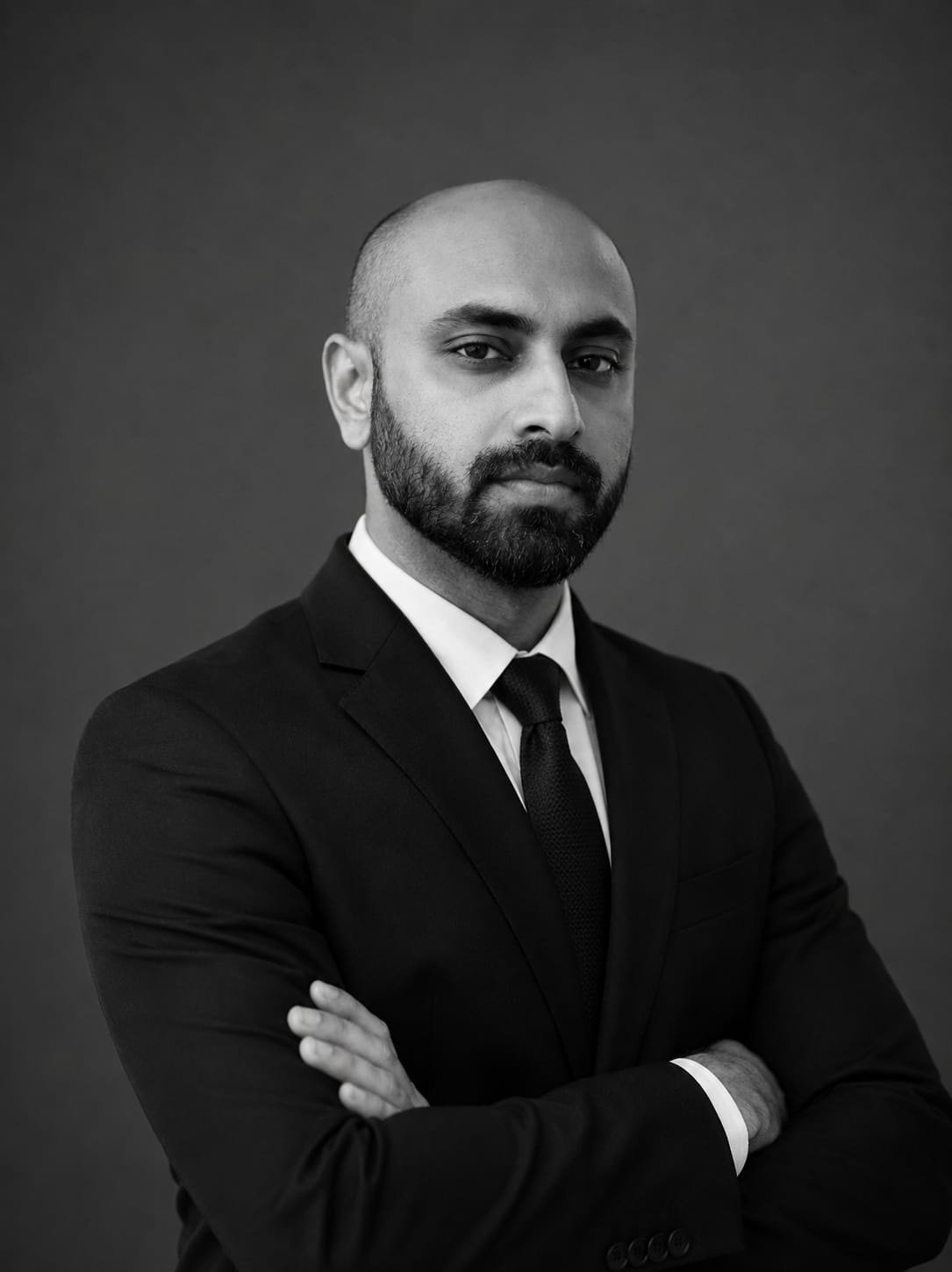
Arfan Shariff is the Co-Founder and Head of Operations at Zawjaan, overseeing platform operations, public relations and strategic partnerships. Drawing on his experience in community engagement, Arfan helps shape Zawjaan's trusted, faith-centred and user-focused approach to Muslim matchmaking, promoting compatibility, authenticity and meaningful lifelong marriages.