


Serious Marriage Intent among Central African Muslim Men: What to Look For
When seeking a husband in the Central African Republic, you want to know if he is genuinely ready for marriage and not just passing time. Seriousness is shown through his actions, his openness with his family, and his willingness to make plans.
A man who is serious about marriage will usually involve his family early in the process, as he respects the Islamic principle of family involvement.
He will also be clear about his financial situation and his ability to provide, even if modestly, as this is a fundamental expectation in Islam.
Look for a man who speaks about the future in terms of ‘we’ rather than ‘I’, a sign that he envisions a shared life.
In the Central African context, the Muslim community is close-knit, so his reputation among community members is a useful indicator of his character.
Avoid men who are vague about their intentions or who resist speaking with your wali, as this suggests a lack of true commitment.
- He proactively seeks your wali’s involvement
- He discusses marriage timelines and practical steps
- He is respectful of your culture and family values
- He has a clear understanding of Islamic marriage duties
- He is willing to engage in halal communication only
Signs of a serious, marriage-minded man
He makes time to speak with you and your family, even with busy schedules.
He asks about your expectations for married life and shares his own.
He is transparent about his job, income, and future plans.
He treats you and your family with respect, honouring Islamic etiquette.
- Asks about your religious practices and goals
- Initiates discussions about mahr and wedding planning
- Introduces you to his family or speaks about them warmly
- Avoids inappropriate topics and maintains modesty
The Muslim Community in the Central African Republic: A Context for Finding a Husband
Understanding the local Muslim community is essential as you consider a potential husband. The community’s size and traditions influence how marriage is approached and what you can expect.
The Muslim community in the Central African Republic is diverse, with many ethnicities, yet unified by faith. This diversity enriches the community but also means that customs may vary.
In Bangui, the capital, you’ll find a mix of Muslims from different backgrounds, including traders and professionals.
Outside the capital, Muslim communities may be more isolated, leading to stronger family ties and traditional values.
It is important not to stereotype any group, as each individual’s character is shaped by their deen, not their ethnicity.
Mosques and Islamic centres in Bangui and other towns serve as hubs for community gatherings and marriage referrals.
- Bangui has several mosques and Islamic schools
- Community leaders often assist with matchmaking
- Eid prayers and events are key opportunities to meet families
- Respect for elders is a cornerstone of the community
How community ties affect marriage consideration
A man’s reputation in the community can give you insight into his character and habits.
Families often rely on trusted community members to propose matches.
Attending local Islamic events with your wali can help you observe potential husbands in a halal setting.
- Ask trusted community members about his character
- Observe how he treats elders and fellow worshippers
- Note his involvement in Islamic activities
Deen, Character, and Compatibility: Evaluating a Central African Husband
In Islam, a man’s deen and character are the primary criteria for a husband. This section guides you in assessing these qualities in a Central African Muslim man.
The Prophet ﷺ advised us to choose a spouse with good deen and good character, and this principle applies universally.
When considering a potential husband, observe his commitment to daily prayers, fasting, and how he treats others.
Character is revealed in moments of difficulty, so ask about how he handles disagreements or challenges.
Compatibility goes beyond religion; it includes life goals, communication style, and expectations on roles and responsibilities.
Cultural background matters, but remember that piety and good character are not tied to any ethnic group.
- Rates his own religious practice and how he maintains it
- Shows respect for your customs and traditions
- Fulfils obligations towards family and community
- Is honest and open about his past
Questions to assess his deen and character
Ask about his daily prayer routine and how he balances work and worship.
Observe his manners when speaking with his parents or those older than him.
Discuss his views on shared responsibilities in marriage.
Enquire about his involvement in local Islamic activities.
- How do you maintain your salah during work?
- What does Islam mean to you in daily life?
- How would you handle a conflict with me or my family?
- What are your future religious goals for you and your family?
Family Expectations and Involvement in Searching for a Central African Groom
In Central African Muslim culture, family is central to marriage. Understanding how his family might be involved is key to navigating the process.
Expect that a serious man will seek his family’s approval and involve them in the process, not as a formality but as an integral part of his decision.
His parents may want to meet you and your family early on, to see compatibility and to offer blessings.
Extended family may also have input, reflecting the collective nature of society.
Be prepared to involve your own wali, as Islamic marriage requires her consent and presence.
Open communication about family expectations from both sides helps avoid misunderstandings later.
- He introduces you to his family via halal means
- He asks for his parents’ advice on marriage
- He respects your family’s rules for courtship
- Both families agree on wedding and financial responsibilities
Tips for a smooth family introduction
Arrange a meeting in a public place or with family present, keeping it halal.
Encourage your wali to speak directly with him and his family.
Discuss expectations for the wedding, mahr, and future living arrangements openly.
Seek to build a relationship of mutual respect with his family.
- Start with a formal introduction via your wali
- Exchange family values and religious commitments
- Agree on the mahr and wedding date
- Communicate openly about relocation if applicable
Halal Communication with Central African Muslim Men: Keeping It Purposeful
Communication is essential, but it must remain within Islamic boundaries. Learn how to interact with a potential husband with modesty and purpose.
Halal communication means speaking with respect, avoiding private or improper conversation, and involving your wali or a third party when needed.
The goal is to exchange information necessary to determine compatibility, not to form an emotional attachment before nikah.
In the Central African context, modesty is highly valued, so even online messages should reflect Islamic etiquette.
Keep your conversations focused on practical matters: religious goals, lifestyle, family, and future plans.
If the conversation drifts from a serious intention, it is wise to pause and re-evaluate.
- Use formal language and respectful titles
- Avoid flirty or ambiguous remarks
- Involve your wali when discussions become serious
- Limit the time you spend in one-on-one chats
Guidelines for halal conversation
Ask questions that reveal his character and intentions, such as how he spends his free time or what he seeks in a wife.
Share your own expectations openly, without divulging overly personal details.
If you find him compatible, arrange to speak with your wali.
- Define topics that are permissible to discuss
- Keep messages short and purposeful
- Involve a third party when needed
- Cease conversation if red flags appear
Marriage-Focused Online Matchmaking for Central African Muslim Men
Zawjaan provides a halal, marriage-focused platform to connect with Central African Muslim men who are serious about nikah.
Online matchmaking is a valuable tool, especially if your local community is small or you are open to relocation.
Zawjaan is designed to keep your intentions pure, with features that encourage meaningful conversations and family involvement.
When using the platform, create a profile that reflects your values and what you seek in a husband.
Take your time to review profiles against your criteria of deen, character, and marriage readiness.
Always involve your wali in the later stages, even if initial conversations happen through the platform.
- Your profile should outline your religious priorities
- Use the search filters to find Central African men
- Engage in thoughtful, purposeful chats
- Request an introduction to his family after getting comfortable
How to use Zawjaan effectively
Complete your profile honestly, mentioning your current city and relocatability.
When you find a potential partner, do not hesitate to ask for his wali’s contact.
Use the platform to schedule a halal video call with your wali present if possible.
- Set clear intentions and make istikhara
- Filter by location, age, and religiosity
- Communicate respectfully and avoid excessive chatting
- Transition to family involvement quickly if mutual interest
Nikah and Mahr Preparation for Central African Grooms
Understanding the Islamic marriage contract is essential when evaluating a Central African groom.
The nikah is the sacred bond that makes marriage permissible in Islam. A serious groom will welcome open discussion about the mahr and the terms of the marriage contract.
In the Central African Republic, Muslim communities may follow different madhabs, so customs can vary. Ask your potential husband how his family approaches the nikah ceremony and what he considers a fair mahr.
A thoughtful groom will not treat the mahr as a mere formality. He will show care in choosing a mahr that honours you and reflects his financial means without extravagance or stinginess.
- Discuss the mahr openly and agree on a figure that is comfortable for both sides.
- Clarify whether the nikah will be performed locally or in your home country, and arrange for a reliable imam or scholar.
- Agree on the wedding date early, allowing time for family preparations and any necessary documentation.
- Decide whether you will live with extended family or independently after marriage.
- Ensure both parties understand the rights and responsibilities stated in the marriage contract.
Practical Wedding Planning in Bangui
In the capital, Bangui, Muslim weddings often blend Islamic rites with local community celebrations. Confirm the venue, guest list, and attire well in advance.
For those living outside the capital, arrangements may be simpler but still require clear communication. Involve your families in the planning to ensure everyone feels respected.
Cultural Diversity in Central African Muslim Marriage
The Central African Republic is home to diverse Muslim communities. Recognise that culture is not Islam, and avoid assumptions based on ethnicity.
Muslims in the Central African Republic include various ethnic groups, each with unique traditions. A potential husband may come from a Fulani, Hausa, or other background, and his customs may differ from yours.
Appreciate that his culture shapes his family values, cuisine, and celebrations, but his practice of Islam defines his character. Ask him about his family traditions and how they influence his expectations of marriage.
Mutual respect for each other’s cultural backgrounds strengthens your bond. Discuss how you will honour both your heritages while building a home centred on Islamic principles.
Foods and Shared Meals
Sharing meals is a meaningful way to connect with your potential husband’s family. In the Central African Republic, dishes like manioc, plantains, and groundnut stew are common. Halal preparation is essential, so ask about local dietary practices.
If your husband comes from a pastoralist background, you might enjoy dairy products and grilled meat. Learning to appreciate these foods can ease family discussions and show goodwill.
Eid Customs and Dress for Central African Muslim Men
Eid celebrations in the Central African Republic reflect both Islamic devotion and local heritage. Understanding these customs helps you assess a groom’s family life.
During Eid, Muslim men often wear clean, modest clothing such as a jalabiya or a simple shirt and trousers, along with a kufi cap. Ask your potential husband how he dresses and what he values about the holiday.
Eid is a time for family visits and communal prayers. A serious groom will include you in these plans, showing how he prioritises family bonds and community ties.
When you meet his family for Eid, dress modestly and respectfully. Bring a small gift for his mother or sisters, such as dates or sweets, to show your appreciation.
Approaching Parents and Family for Central African Grooms
Family approval is vital in Central African Muslim marriages. A groom who respects your parents will likely make a respectful husband.
When a potential husband wishes to propose, he should approach your wali or male guardian formally. In the Central African Republic, this often involves a visit to your family home with gifts and clear intentions.
Encourage him to present himself honestly, sharing his employment status, education, and goals. Your parents will appreciate transparency and a commitment to providing for you.
If your families live in different regions, consider how distance might affect their involvement. A man who makes an effort to connect with your family despite challenges shows seriousness.
- Arrange a meeting between your wali and the prospective groom at a neutral or family home.
- Prepare questions about his religious practice, financial stability, and future plans.
- Share your own expectations regarding family involvement after marriage.
- Allow time for your parents to pray and consult before giving an answer.
- If cultural differences arise, discuss them politely and focus on shared Islamic values.
What If Your Families Live Abroad?
For Central African men living in the diaspora, video calls can help both families meet virtually. Suggest a scheduled call where your families can ask questions in a respectful setting.
Remember that your parents’ blessing is important for a barakah-filled marriage. Keep them informed at every step, even if they are far away.
City and Location Differences for Central African Husbands
Where you live in the Central African Republic affects daily life, access to Islamic resources, and community support.
Bangui, the capital, offers more schools, mosques, and halal food options than smaller towns. If your potential husband lives there, you may find it easier to build a social network.
Regional cities like Bambari and Berbérati have smaller Muslim communities, but often strong family bonds. Consider what environment feels right for your future family.
If your husband suggests relocating, ask about employment options, security, and proximity to your or his extended family. A wise decision involves both partners.
- Visit the area before deciding, if possible, to observe the community and facilities.
- Ask about the nearest mosque and the availability of Islamic education for children.
- Consider healthcare, schools, and market access for daily needs.
- Discuss the cost of living and how it fits your shared budget.
Marriage Readiness for Central African Grooms and Next Steps
Assessing a man’s marriage readiness goes beyond his words. Look for signs of emotional, spiritual, and practical preparation.
A marriage-minded Central African groom will have a clear vision for his life. He should be willing to discuss finances, housing, and family planning without hesitation.
He should also demonstrate that he has sufficient emotional maturity to handle conflict and compromise. How he speaks about past relationships and family disagreements reveals his character.
When you both feel ready, involve Zawjaan to facilitate halal communication. The platform allows you to converse with the intention of marriage, ensuring all interactions are respectful and purposeful.
- Complete your profile on Zawjaan and fill in details about your religious values and family expectations.
- Use the ‘Halal Chat’ feature to have supervised conversations, keeping topics marriage-focused.
- Pray istikhara for guidance and involve your wali early in the process.
- Set a timeline to meet in person or via video call when appropriate.
- Begin discussing practical arrangements, such as where you will live and how you will manage finances.
Signs of a Serious Groom
He consistently follows through on promises, asks about your dreams, and includes his family in discussions. He also respects your boundaries and values your opinion.
Practical signs include making time for you despite a busy schedule, and showing respect to his parents and yours. These behaviours indicate a man ready for the responsibilities of marriage.
How to Assess Central African Muslim Men for Marriage
A marriage-focused process for Muslim women assessing a Central African Muslim man in Central African Republic for serious Islamic marriage.
- Confirm serious marriage intention: Clarify that the Central African Muslim man is seeking marriage rather than a casual relationship, and establish clear halal communication boundaries from the beginning.
- Assess deen and character: Consider religious commitment, honesty, temperament, responsibility and consistency, rather than relying only on attraction or online conversation.
- Involve family or wali appropriately: Bring trusted family members or a wali into the process at a suitable stage so intentions, character and practical expectations can be assessed transparently.
- Discuss marriage expectations: Talk clearly about mahr, finances, work, housing, family roles, children, location and other responsibilities that could affect long-term compatibility.
- Agree the route towards Islamic nikah: If compatibility is strong, agree practical next steps for family discussions, any necessary civil requirements and preparation for an Islamic nikah.
Frequently Asked Questions
How can I verify a Central African man’s seriousness about marriage?
Look for consistent communication, honest answers about finances, and willingness to involve your wali. A serious man will also make plans for the future, such as discussing housing and family goals.
What should I discuss about mahr with a Central African groom?
Speak openly about the mahr amount and form. Both of you should agree on something that honours your dignity and is within his means. Some families prefer gold, money, or valuable items; any halal mahr is acceptable.
Is it acceptable to have a long-distance marriage with a Central African man?
Yes, many successful marriages begin with long-distance communication. Use video calls to get to know each other, involve your families, and plan visits when possible. Over time, decide together on a suitable place to settle.
How do I know if his family will accept me as a foreign spouse?
Ask him directly about his family’s values and attitudes. If he is serious, he will discuss it with them and may arrange a video call or visit. Pay attention to how they treat you and whether they respect your cultural background.
What are the signs that a man is not ready for marriage?
He may avoid answering questions about work or housing, hesitate to involve his family, or show reluctance to discuss the mahr. Also, be cautious if he pressures you to keep the relationship secret.
Can Zawjaan help me find a Central African Muslim husband safely?
Zawjaan is designed for serious Muslims seeking marriage. Our platform supports halal chat, encourages family involvement, and helps you filter profiles based on your criteria. You can search for Central African men who meet your requirements and communicate respectfully.
About the Author
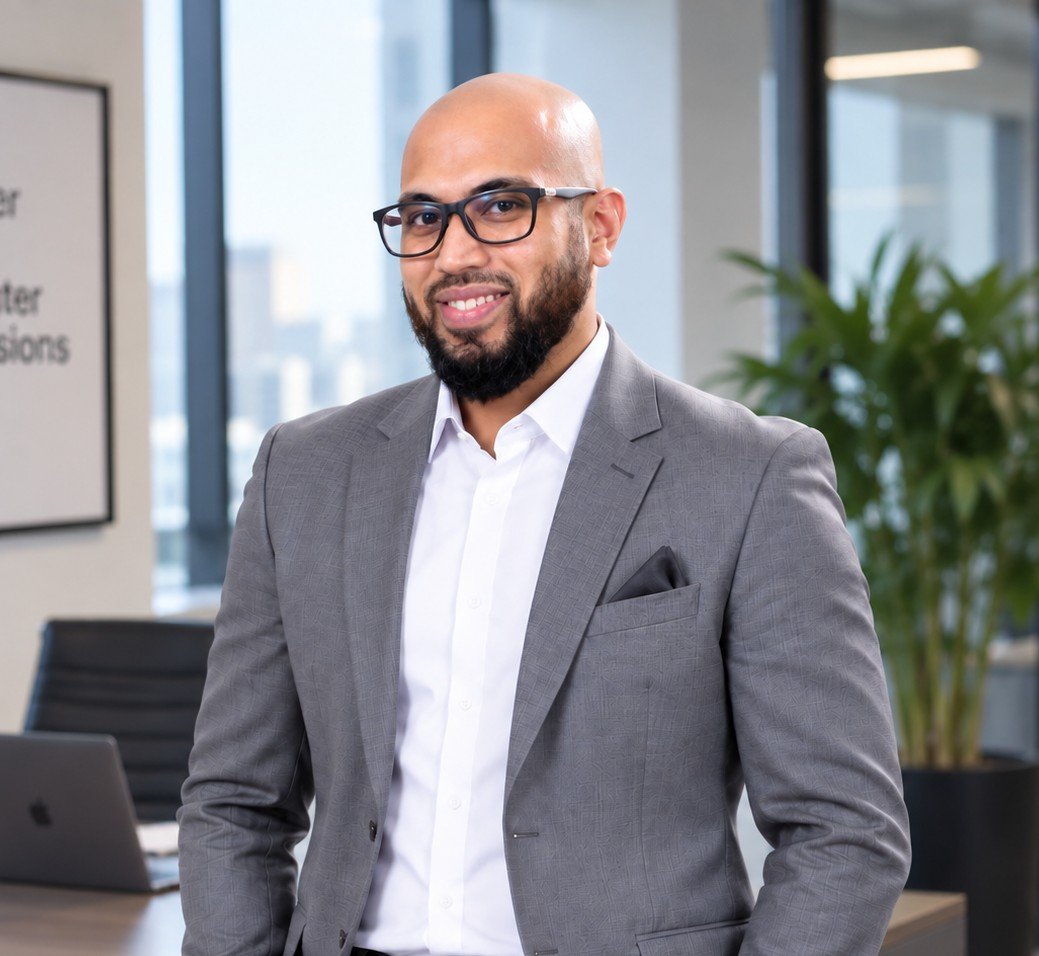
Nasehuddin Mohammed is the Co-Founder and Head of Technology at Zawjaan, where he leads product quality and the platform’s technological development. His work spans user experience and interface development, matchmaking strategies, and community-centred communication experiences designed to help Muslims build serious, marriage-minded connections.