

Serious Marriage Intent Among Men in Botswana
Understanding a man’s genuine intention is the first step toward a blessed marriage.
In Botswana’s small Muslim community, many men approach marriage with sincerity and a desire to build a family according to Islamic principles.
However, not every man you meet may be ready for the responsibility of a wife. It is wise to observe his actions and consistency over time.
A serious husband will involve his family early and speak openly about nikah, mahr, and future plans.
- Notice whether he asks about your deen and character or only superficial matters
- Observe if he is consistent in prayer and daily Islamic practice
- A man who is serious will avoid ambiguous talk and move toward meeting your wali
- He will be transparent about his job, residence, and ability to support a family
Signs of a Marriage-Minded Man
A marriage-minded Motswana man will bring up serious topics like Islamic marriage, family expectations, and where you might live after nikah.
He will respect your time and not waste months in casual conversation without a clear intention.
He may also ask about your family’s expectations and how you envision your future together.
- He initiates discussions about nikah within the first few conversations
- He asks about your wali and suggests meeting him respectfully
- He is clear about his work and financial situation without bragging
- He avoids inappropriate talk and keeps conversations respectful and purposeful
- He is willing to discuss mahr and other marriage terms openly
Understanding the Muslim Community in Botswana
Learning about the local Muslim community helps you appreciate the environment where a potential husband lives.
Muslims in Botswana are a minority, with communities centred in Gaborone, Francistown, and other towns, often connected through masjids and Islamic centres.
Many Muslims are of South Asian or African descent, and the community is culturally diverse. Islam unites them beyond ethnic backgrounds.
Community events, Eid prayers, and Quran classes offer natural places to observe a man’s behaviour and reputation.
- Masjid attendance reveals his commitment to daily prayers and community
- Involvement in community service indicates his character and sense of responsibility
- Respect from elders and peers is a good sign of his conduct
- Find out about his Islamic education and circle of friends
Unity Beyond Cultural Differences
Culture is not Islam. While customs may vary, the core of marriage in Islam is shared faith and character.
A Motswana Muslim husband may have cultural practices that differ from yours. Discuss them respectfully.
Focus on shared Islamic values, which form the foundation for a successful marriage.
Deen, Character, and Compatibility for a Motswana Husband
Assessing a potential husband’s relationship with Allah and his moral character is vital.
The Prophet (peace be upon him) advised that a suitable spouse is one with good deen and character.
Look for a man who prays, fasts, and tries to live according to the Quran and Sunnah.
His treatment of others, especially non-Muslims and those less fortunate, reveals his Islamic character.
- Ask about his daily prayers and fasting habits
- Notice how he speaks about his parents and family
- Observe his patience and anger management during disagreements
- Check if he regularly attends the masjid and seeks Islamic knowledge
Compatibility in Deen and Life Goals
Compatibility goes beyond attraction. Share your aspirations for family, career, and religious practice.
Discuss how you will support each other’s Islamic growth, such as praying together and attending halaqas.
A husband who values deen will respect your desire to continue learning and practicing Islam.
Family Expectations and Involvement for a Motswana Groom
In Botswana, family plays a key role in marriage, and understanding expectations is important.
A Motswana man’s family may have specific expectations regarding the marriage process, including bridging the gap between cultures.
He may need his family’s blessing before proceeding. Involve your wali early to avoid delays.
Respectful communication with his family can build a strong foundation for your future relationship.
- Discuss how your families will meet and get to know each other
- Clarify the role of extended family in your married life
- Understand any cultural traditions around betrothal or wedding celebrations
- Ensure that all arrangements align with Islamic principles
- Plan how you will maintain good relations with both families
Negotiating Mahr and Marriage Terms
Mahr is a right of the wife, and a sincere husband will agree to a reasonable amount.
Discuss mahr and other terms with your wali present, ensuring clarity and mutual satisfaction.
A man who tries to avoid paying mahr may not be serious about fulfilling Islamic obligations.
Halal Communication with a Potential Husband in Botswana
Communication before marriage must follow Islamic guidelines to protect both parties.
Keep conversations purposeful and limited to assessing compatibility, always with a mahram or wali present when necessary.
Avoid private or flirtatious talk. Instead, focus on serious topics like religion, family, and future plans.
Written communication should be respectful and dignified, avoiding emotional attachments before nikah.
- Set boundaries from the start and insist on respect
- Involve your wali in meaningful conversations or at least keep him informed
- Avoid frequent late-night chats or emotional intimacy
- Use the opportunity to ask important questions about his values and aspirations
Purposeful Conversations that Build Trust
Ask about his views on marital roles, children, and in-law relations.
Discuss how you will handle disagreements and financial matters.
A man who communicates openly and honestly is more likely to be a trustworthy husband.
Using Online Matchmaking to Find a Serious Motswana Husband
Online platforms can help you connect with Muslim men in Botswana when used wisely.
Zawjaan is designed for serious marriage, where profiles are based on deen, character, and intention.
When using online matchmaking, create a profile that reflects your values and what you seek in a husband.
Always involve your wali and use the platform’s halal communication features to keep conversations appropriate.
- Build a profile that highlights your faith and marriage goals
- Search for men in Botswana and nearby countries who share your values
- Use the platform’s features to express interest and start respectful conversations
- After initial chats, involve your wali and plan to meet in a public or family setting
- Verify the man’s sincerity by assessing his consistency and willingness to move forward
Your Profile Says a Lot
Write a clear bio that mentions your commitment to Islam and your desire for a serious marriage.
Include details about your lifestyle, education, and family orientation.
A well-thought profile attracts men who are equally serious about marriage.
Islamic Nikah and Mahr: What Motswana Muslim Men Should Arrange
Understanding the nikah process and mahr expectations helps you assess a man’s seriousness and preparation.
In Botswana, the Islamic nikah is the core of a valid marriage. A Motswana Muslim groom must ensure the ceremony follows Sunni or Shia requirements, depending on his community.
The mahr is a gift from the groom to the bride. It is her exclusive right, and discussing it openly reflects his respect and commitment.
For sisters, a groom who willingly discusses mahr without evasion signals maturity. He understands his Islamic obligation, not just cultural tradition.
Some Botswana families combine nikah with a walima or reception. Clarify whether the nikah is separate from cultural celebrations to avoid confusion.
Ensure the presence of a wali for the bride and two male witnesses. A groom who arranges these details shows he is organised and serious.
- Discuss mahr as an obligation, not a negotiation
- Confirm the nikah date and venue (e.g., in Gaborone mosque or home)
- Arrange for an imam or qualified person to conduct the ceremony
- Prepare the required documents for marriage registration in Botswana
- Involve both families in planning, respecting each other’s customs
Preparing for the Nikah Ceremony
Before the nikah, the groom should propose and receive consent from the bride and her wali. This is the first step in a halal marriage.
He should also agree on the mahr amount or type, which can be monetary, gold, or any valuable item. It must be paid at the time of marriage.
In Botswana, some grooms choose to pay mahr promptly, following the Quranic command. Delaying it without reason may raise concerns.
Cultural Diversity in Botswana: Understanding Motswana Muslim Men Beyond Stereotypes
Culture is not Islam. Recognise the varied backgrounds of Muslim men in Botswana to avoid unfair assumptions.
Motswana Muslim men come from diverse ethnic and cultural backgrounds, including Tswana, Indian, Somali, and others. Each has unique family customs.
Islam unifies them, but cultural practices differ. A groom from a traditional Tswana family may have different wedding customs than one from an Indian Muslim family.
Do not assume that all Motswana Muslims practise the same traditions. Ask respectful questions about his family’s specific customs.
Common threads may include respect for elders and a strong sense of community. These are cultural, not religious, traits.
A serious groom will appreciate your curiosity about his background. He will also value your commitment to shared Islamic values over cultural expectations.
- Respect that ethnicity does not define religiosity
- Learn about his family’s specific cultural norms, such as greeting customs or dress codes
- Discuss which cultural practices you both will include in your marriage
- Avoid assuming that language or nationality determines his level of faith
- Emphasise that Islamic principles take precedence over cultural traditions
Finding Common Ground
When you and your potential husband come from different cultural backgrounds, communication is key. Discuss how you will celebrate Eid and raise children.
For example, a Motswana Muslim man may be used to traditional Tswana foods like seswaa, while you might prefer dishes from your own heritage.
Agreeing on a blended approach shows mutual respect and willingness to compromise. This strengthens your marriage foundations.
Cuisine and Eid Gatherings: What Motswana Muslim Men Enjoy
Sharing halal meals and celebrating Eid are key parts of building a bond with a Motswana Muslim man.
In Botswana, halal food is available in major towns. Popular dishes include seswaa (pounded meat), bogobe (porridge), and grilled chicken, all prepared halal.
During Eid, families gather for prayers and feasts. A Motswana groom may expect to host or join large family meals, so be open to communal celebrations.
For sisters, learning a few local halal recipes shows effort and respect for his culture. This can be a meaningful gesture during courtship.
Eid dress in Botswana often combines modest Islamic wear with local styles. Men may wear a kufi and traditional or formal attire.
Discuss how you will divide Eid responsibilities, such as visiting families and preparing food. Clear expectations prevent unnecessary tension.
- Learn to cook a traditional Botswana halal dish like seswaa or morogo
- Agree on which Eid prayer or celebration events you will attend together
- Plan for joint family meals, allowing each family to share their customs
- Respect differences in food preferences and dietary habits
- Use Eid gatherings as opportunities to build bonds with your in-laws
Halal Food Availability Across Botswana
In Gaborone and Francistown, several halal restaurants and butchers cater to the Muslim community. Outside these cities, options may be limited.
When visiting a potential husband’s family home, confirm that meals are halal. This is a practical concern and shows attention to deen.
If you relocate to a rural area, discuss how you will source halal meat. This is a practical aspect of marriage readiness.
- Identify halal butchers and supermarkets in your town
- Plan meals that are easy to prepare and share during Eid gatherings
- Create a list of halal restaurants in Gaborone and Francistown for outings
Approaching Family and Parents of a Motswana Groom
Approaching the family of a Motswana groom is a meaningful step in the halal marriage process. Understanding local customs and communication styles helps build trust and respect.
In Botswana, family approval is often central to serious marriage discussions. A groom who involves his parents early demonstrates maturity and commitment.
Expect initial meetings to be formal and respectful. Elders may lead conversations, and punctuality is appreciated.
Dress modestly and greet everyone warmly. A small gift such as fruit or dates is a thoughtful gesture.
Discussing intentions clearly and honestly reassures the family of your serious interest in their son.
- Arrange a meeting through the groom or his family with adequate notice.
- Dress conservatively and modestly for the meeting.
- Bring a small, halal gift such as dates or fruit.
- Speak respectfully, listen attentively, and address elders properly.
- Clearly explain your intentions for marriage and your commitment to Islamic values.
Understanding Family Dynamics in Botswana
Family structures in Botswana often value collective decision-making. A groom may consult extended family before agreeing to marriage.
Respect for elders is important. Addressing them with proper titles and showing humility builds positive impressions.
Some families may ask about your background, education, and career. Answer honestly and confidently.
In urban areas like Gaborone, families may be more modern, but traditional respect remains important.
Involving Your Own Wali
Your wali should be present during serious discussions. His role is to protect your interests and ensure the marriage is conducted Islamically.
Coordinate with your wali beforehand so he understands your expectations and the groom’s family’s expectations.
A groom who respects your wali’s role is showing good character.
City and Location Differences for Motswana Husbands
Where a Motswana groom lives affects your married life, from community access to work opportunities. Understanding these differences helps you plan realistically.
Gaborone, the capital, has the largest Muslim community and better access to mosques and halal shops.
Francistown, in the north, has a smaller but active Muslim presence, with a few halal options.
Smaller towns and villages may have very limited Muslim infrastructure. This could affect daily prayers and social life.
Consider the groom’s job stability and both of your career prospects in his city of residence.
- Gaborone offers more Islamic resources and a larger expatriate community.
- Francistown has a smaller community but is still welcoming.
- Rural areas may require more effort to maintain Islamic practices.
- Proximity to your own family is worth discussing.
Religious Facilities and Community
Gaborone has several mosques and Islamic centres, including the Jamaat Khana and the Gaborone Mosque.
Francistown has a mosque and an active Muslim community that organises events during Ramadan and Eid.
In smaller towns, you may need to rely on online resources for Islamic education and connect with other Muslims virtually.
Lifestyle and Cost of Living
Living in Gaborone is more expensive but offers more amenities, including halal restaurants and international schools.
Francistown offers a lower cost of living but fewer halal dining options.
Discuss your combined budget and lifestyle expectations to ensure compatibility.
Relocation and Long-Distance Marriage with a Motswana Husband
Many sisters meet a Motswana groom online or through introductions. Planning for relocation and managing long-distance periods requires honesty and clear agreements.
Long-distance relationships need a clear timeline. Discuss how often you will visit and how relocation will be arranged.
If the groom is in Botswana and you live abroad, legal steps may involve marriage certificates and immigration processes.
Talk about the role of family in your new city and how you will build your own home.
Marriage readiness involves financial stability, emotional maturity, and a shared vision for the future.
- Create a realistic timeline for relocation, including visa and immigration steps.
- Plan regular virtual discussions on important topics like finances and future goals.
- Agree on a communication schedule that works for both time zones.
- Meet in person in a halal setting before finalising marriage plans.
- Ensure the groom is willing to facilitate your transition and support your needs.
Marriage Readiness Checklist
Assess financial readiness: discuss income, savings, and any debt. A husband should be able to provide for the household.
Evaluate emotional readiness: does he communicate openly and handle disagreements calmly?
Discuss family planning and career expectations before marriage.
Verify his Islamic practice and commitment to regular prayers and good character.
Next Steps on Zawjaan
Use Zawjaan to continue purposeful conversations and ensure your goals align.
After connecting, involve your wali early and arrange for a halal meeting.
Seek guidance from a trusted imam or scholar regarding the marriage process.
- Finalise your list of non-negotiable criteria for a husband.
- Communicate openly about mahr and financial expectations.
- Establish a clear plan for the nikah ceremony and family involvement.
- Continue istikhara and make dua for guidance.
How to Assess Motswana Muslim Men for Marriage
A marriage-focused process for Muslim women assessing a Motswana Muslim man in Botswana for serious Islamic marriage.
- Confirm serious marriage intention: Clarify that the Motswana Muslim man is seeking marriage rather than a casual relationship, and establish clear halal communication boundaries from the beginning.
- Assess deen and character: Consider religious commitment, honesty, temperament, responsibility and consistency, rather than relying only on attraction or online conversation.
- Involve family or wali appropriately: Bring trusted family members or a wali into the process at a suitable stage so intentions, character and practical expectations can be assessed transparently.
- Discuss marriage expectations: Talk clearly about mahr, finances, work, housing, family roles, children, location and other responsibilities that could affect long-term compatibility.
- Agree the route towards Islamic nikah: If compatibility is strong, agree practical next steps for family discussions, any necessary civil requirements and preparation for an Islamic nikah.
Frequently Asked Questions
How do I approach the family of a Motswana groom respectfully?
Request a formal meeting, dress modestly, bring a small halal gift, and speak respectfully to elders. Your wali should be present for serious discussions.
What are the main differences between living in Gaborone and Francistown for a Muslim couple?
Gaborone has a larger Muslim community, more mosques, and halal dining options, while Francistown has a smaller community but a lower cost of living. Your choice depends on your lifestyle and work needs.
How can we manage a long-distance relationship with a groom in Botswana?
Set a clear timeline for visits and relocation, maintain regular communication, and involve your wali. Use Zawjaan for purposeful conversations and make the most of your meetings.
What should I consider when evaluating a Motswana man’s marriage readiness?
Look at his financial stability, emotional maturity, deen commitment, and communication skills. He should have a stable job, be responsible, and show respect for your family.
Is it common for families in Botswana to be involved in marriage decisions?
Yes, family involvement is often significant. Elders may be consulted, and their approval is valued. A groom who involves his family early shows serious intent.
What are the next steps after we agree to marry on Zawjaan?
Involve your wali, arrange a halal meeting, agree on mahr and nikah details, and plan the wedding. Seek guidance from an imam and continue making dua.
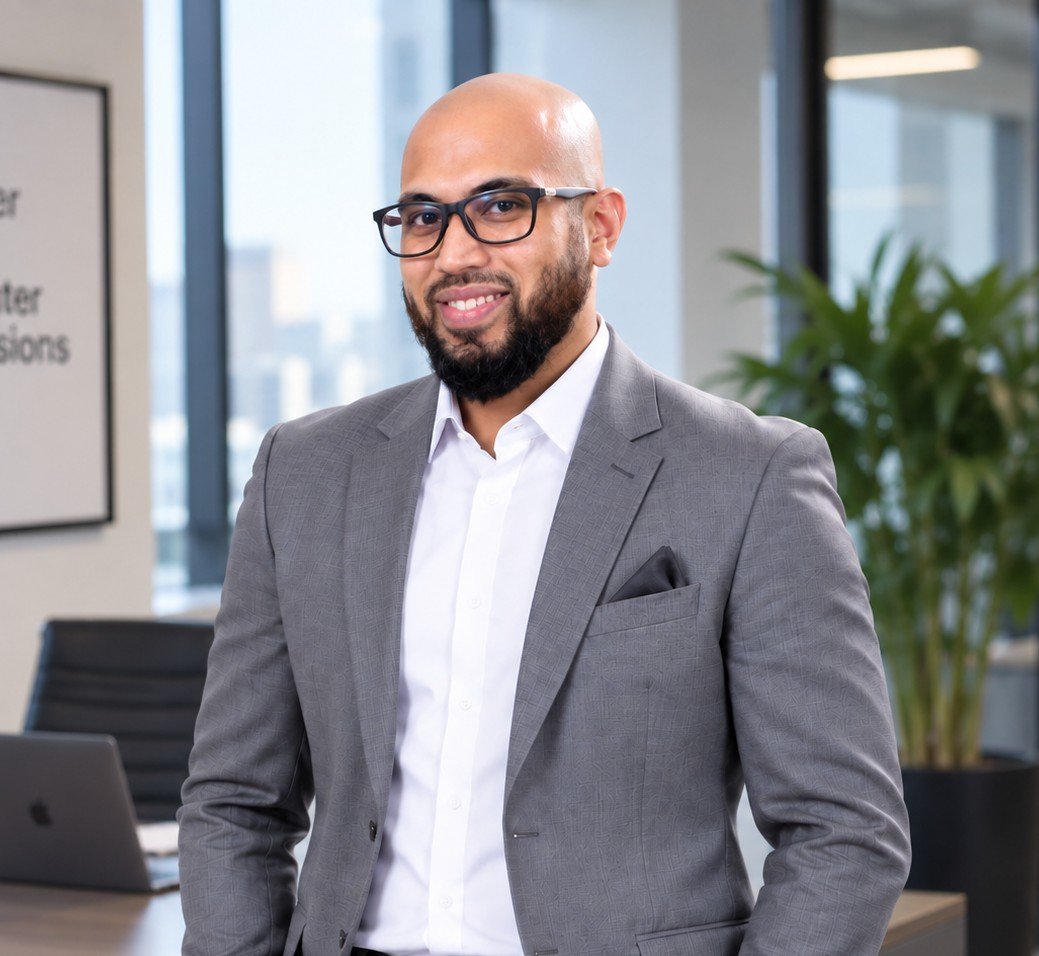
About the Author
Nasehuddin Mohammed is the Co-Founder and Head of Technology at Zawjaan, where he leads product quality and the platform’s technological development. His work spans user experience and interface development, matchmaking strategies, and community-centred communication experiences designed to help Muslims build serious, marriage-minded connections.