

Serious Marriage Intent Among Bhutanese Muslim Men
Understanding a man’s intention is the first step in any halal search. A serious man speaks about marriage with clarity and purpose, not vague promises.
In a small community, marriage is widely seen as a lifelong commitment that involves both families. A Bhutanese Muslim man who is ready for marriage will often involve his parents early and speak about nikah as the goal.
He will ask meaningful questions about your deen, your daily life, and your view of marriage. He will also share practical details such as employment, housing, and where he expects to live.
Because the Muslim community in Bhutan is tiny, social reputation carries weight. A man who is known for honesty and reliability within the community is more likely to approach marriage sincerely.
- Notice whether he asks about your expectations for an Islamic marriage and family life.
- See if he involves his family or wali in early conversations rather than isolating the process.
- Observe whether his words and actions align consistently over several weeks.
- Check that he mentions nikah, mahr, and a realistic timeframe for marriage.
- Ask how he perceives his role as a husband and what he expects from you as a wife.
Signs a man is serious
A man who is serious will not hide his family circumstances or finances. He will be transparent about where he lives, his work, and his plans after marriage.
He will also respect your boundaries and never pressure you for private conversations that go beyond proper Islamic limits.
- He initiates respectful conversations about marriage compatibility.
- He is willing to involve his mother or father respectfully.
- He gives you space to ask questions about his deen and daily life.
- He asks about your wali and how your family expects to be involved.
The Muslim Community Context in Bhutan for Men and Marriage
Bhutan is a Buddhist-majority country with a very small Muslim population. This shapes how a Muslim man practises his faith and how he approaches family and marriage.
The Muslim community includes both native Bhutanese Muslims and a number of families with South Asian roots, particularly from Nepal and India. Many live in Thimphu as well as in southern border towns like Phuentsholing and Gelephu.
Because mosques are limited, a man’s commitment to prayer and Islamic practice often becomes visible in small ways, such as fasting, giving charity, and seeking halal food.
In such a small community, a man’s word and reputation travel quickly. This can protect both of you, but it also means you should take your time to know a person properly.
- A small community means shared connections can help verify his character and family background.
- Islamic events and gatherings, though rare, are opportunities to observe his conduct.
- His respect for other cultures while maintaining his own Islamic identity matters.
- Local customs, such as the Bhutanese sense of courtesy, may shape how he communicates with you and your family.
Religious life in Bhutan
Muslims in Bhutan often seek out the nearest mosque, which may be far from home. A man who prioritises his daily prayers and works to find halal food shows a practical commitment to his deen.
Ask how he maintains his salah and how he observes Ramadan in a country where Islamic infrastructure is limited.
- He may travel to Thimphu’s mosque or to mosques in southern towns.
- He may have close ties with the Bangladeshi or Indian Muslim communities for religious support.
- He may rely on online Islamic learning to further his knowledge.
Deen, Character, and Compatibility: What Makes a Bhutanese Husband
Beyond community labels, your focus should be on a man’s personal practice of Islam and how it shapes his character as a future husband.
You are seeking a husband who will lead the family with kindness and justice. His daily actions matter more than his claims of faith.
In Bhutan, a man who keeps his prayers and avoids obvious sins, despite limited Islamic infrastructure, shows real commitment.
- Observe how he treats his parents and elders with respect.
- Explore whether he has a consistent habit of prayer and fasting.
- Watch his manners when he is upset or impatient.
- Ask how he resolves disagreements, and whether he relies on Islamic values.
- Consider whether your daily lifestyles and views on Islamic family life align.
Character traits to look for
Honesty, patience, and a willingness to learn are essential. A man in a small community must guard his manners because everyone knows him.
He should be gentle with you, yet firm in his principles, and ready to take responsibility for a household.
- He listens to you and does not dismiss your opinions.
- He is consistent between his public and private behaviour.
- He knows his financial duties and does not put all burdens on your shoulders.
- He shows interest in your religious growth and supports your learning.
Family Expectations and Involvement for Bhutanese Grooms
Family involvement is natural in Bhutanese culture, and for Muslims it is an important aspect of the marriage process.
Expect that his parents, especially his mother, will be closely involved in evaluating a potential wife. This is not interference, but a sign of a serious and respectful family.
Your own family, particularly your wali, should be part of the discussions from early on. This ensures the process remains halal and true to Islamic norms.
In Bhutan, elders are highly respected. A groom who honours his parents often makes a husband who values family harmony.
- Ask how he plans to involve his parents and your wali in the nikah process.
- Understand what his family expects from a daughter-in-law in terms of daily life.
- Discuss how you will both maintain ties with your respective families after marriage.
- Clarify the mahr and any financial expectations early, so there is no misunderstanding.
- Be open to a longer courtship if his family prefers time to know you.
Respecting cultural norms
Bhutanese courtesy and politeness are central in family interactions. A man who is respectful to his own parents is often expected to treat your family the same way.
While culture is not Islam, showing respect for local customs can ease the way with in-laws, as long as nothing conflicts with Islamic principles.
- He asks if your family has particular traditions around marriage.
- He understands that your wali’s approval is required for a valid nikah.
- He does not treat family involvement as a hurdle, but as a blessing.
- He suggests meeting in a public place with family members present.
Halal Communication with a Bhutanese Muslim Man
Communication before nikah must follow Islamic guidelines. You should interact with respect, with your wali or family aware, and with marriage as the clear goal.
In a small community, privacy is limited, so it is wise to keep conversations respectful and purposeful. Avoid secret chats that could harm your reputation.
A qualifying brother will appreciate your boundaries and will readily involve your wali when the time is right.
- Arrange initial talks with a third party present, especially a family member.
- Keep conversations focused on deen, lifestyle, and marriage plans.
- Avoid lengthy private messages about personal and emotional topics.
- Set a clear timeline for involving families after a few meaningful discussions.
- Use a platform like Zawjaan, which is designed for serious marriage-minded Muslims.
What to discuss before nikah
Your discussions should cover core marital expectations: where you will live, how you will handle finances, and how you will raise children in Islam.
Also talk about your spiritual goals, how you spend your days, and what kind of relationship you want with each other’s families.
- Daily worship and mutual support in faith
- Responsibilities inside and outside the home
- Lifestyle habits, including food and socialising
- Dealing with in-laws and extended family
- Plans for children and their Islamic upbringing
Purposeful Matchmaking for Bhutanese Muslim Men on Zawjaan
Zawjaan provides a halal, serious platform for Muslim men and women in Bhutan to meet with the goal of nikah.
Because the local community is small, online matchmaking expands your options while keeping the process purpose-driven and family-oriented.
Zawjaan profiles are designed to show character and marriage intention, helping you filter for men who are truly seeking a wife.
- Create a profile that reflects your deen and your expectations for a husband.
- Use search filters to focus on Bhutan or on the city where you currently live.
- Communicate only through the platform’s safe and respectful environment.
- Take time to verify a man’s claims by asking thoughtful questions and, if needed, involving your wali.
Tips for using Zawjaan effectively
Be open to connections from different cities or countries, since the community in Bhutan is small. Long-distance can work when the intention is serious.
Always involve your wali early, and never move to private messaging on other platforms until both families agree to proceed.
- Set clear criteria for deen and character, not just appearance.
- Share your family involvement expectations honestly.
- Ask about his religious practice and marriage readiness.
- Arrange a family meeting once you both feel comfortable.
- Keep Allah at the centre of your decision-making.
Nikah Ceremony and Mahr Expectations for Bhutanese Muslim Grooms
Understanding how nikah and mahr work in a Bhutanese context helps you prepare for a barakah-filled start.
In Bhutan, the nikah is the solemn Islamic contract that makes a marriage valid. It is brief, dignified, and focuses on the couple’s commitment.
Mahr is a mandatory gift from the groom to the bride, reflecting his seriousness and honouring her dignity.
For a Muslim man in Bhutan, the mahr is often discussed openly with the bride and her family, respecting Islamic guidelines.
The wedding ceremony may blend Islamic rites with local customs, but the core remains the proposal, acceptance, and mahr.
A wali’s presence is essential for the bride’s side, ensuring the marriage is conducted correctly.
The nikah can take place in a mosque, at home, or in a community hall, with an imam or knowledgeable person officiating.
- Discuss mahr amount and form openly with your potential husband and his family.
- Ensure the wali is present or appointed for the nikah.
- Choose a simple, dignified venue for the ceremony.
- Plan for a small walimah (wedding feast) after the nikah.
- Register the marriage with local authorities where possible.
Agreeing on Mahr Without Awkwardness
Mahr can be money, gold, or any valuable asset agreed upon. It is a right of the bride, not a bride price.
A thoughtful conversation about mahr shows his respect for you. It also helps set a respectful financial tone for your marriage.
- Suggest a mahr that reflects your dignity and his means.
- Consider including items of practical or sentimental value.
- Avoid extreme requests that could cause financial strain.
- Document the mahr in the nikah certificate.
Culture and Islam: How Bhutanese Muslim Husbands Balance Heritage
Bhutanese Muslim men may embody both Islamic values and local traditions, requiring thoughtful cultural exchange in marriage.
Bhutan’s vibrant cultures offer traditions like dress (kho for men) and cuisine (like ema datshi) that are shared with outsiders.
Islam encourages kindness and respect for one’s heritage as long as it does not contradict Islamic principles.
A potential husband who appreciates his cultural roots while prioritising deen often makes a balanced and grounded partner.
During Eid, Bhutanese Muslim men may wear traditional attire along with new clothes, reflecting modesty and joy.
Food is central to Bhutanese gatherings, and a groom may happily share local dishes with his bride.
- Ask him how he observes Eid and Ramadan in Bhutan.
- Discuss which cultural customs he hopes to keep.
- Talk about halal food availability and local cuisine.
- Learn about his favourite Eid dishes and traditions.
Cuisine and Shared Meals
Bhutanese cuisine is spicy and unique, with dishes like momos, red rice, and curries. Halal options exist but require attention.
Your husband may enjoy sharing these foods with you, provided they are halal and prepared meaningfully.
- Try cooking simple Bhutanese dishes together.
- Ask about his mother’s recipes and adapt them halal.
- Explore halal restaurants in urban areas.
- Share your own cultural dishes to enrich the table.
Involving Families: How Bhutanese Muslim Men Approach Parents for Nikah
In Bhutan, family approval is crucial. A serious Muslim man will involve his parents and approach yours with courtesy and respect.
Your potential husband should show eagerness to seek your father’s (or wali’s) permission in person.
Bhutanese families often value community ties; a respectful proposal brings honour to both families.
If he lives in a city, he may still travel to meet your family, respecting protocol.
Understand that cultural practices may differ; he should balance local etiquette with Islamic teachings.
Approaching parents appropriately means informing them early and answering their questions kindly.
- Let your father or wali speak with him directly.
- Encourage his parents to contact yours if they are supportive.
- Share your willingness to involve both families in the nikah process.
- Be prepared for possible meetings in your home or a neutral venue.
Etiquette for Meeting Families
A mature groom will dress modestly, bring a gift, and speak respectfully.
He should ask about your family’s concerns and address them practically.
- Suggest he arrives on time and greets elders warmly.
- Encourage him to share his intentions clearly.
- Remind him to apologise for any cultural missteps.
- Follow up with a thank-you message.
City Life vs Rural Life: Where Bhutanese Muslim Grooms Reside
Bhutan has diverse living environments, from Thimphu’s urban pulse to tranquil rural valleys. Your future home’s location affects daily life.
Thimphu, the capital, offers better access to halal food, mosques, and Muslim community networks.
In smaller towns, the Muslim population may be smaller, but community bonds are strong.
Your husband may work in a city but own a family home elsewhere; discuss the likely place of residence.
Relocation for marriage may require visas and paperwork, which takes time and patience.
Consider how his job and family responsibilities influence where you will live.
- Visit Thimphu or his town to observe local facilities.
- Ask about commute and work-life balance.
- Understand if his parents expect to live with him.
- Think about long-term plans: housing, schools, healthcare.
Relocation and Long-Distance Considerations
If you are relocating to Bhutan, his readiness to assist with logistics is a sign of support.
Long-distance courtship before marriage requires structured halal communication.
- Clarify who will arrange move, accommodation, and legalities.
- Set clear timelines for relocation after nikah.
- Use digital communication under mahram supervision.
- Plan initial visits with family to build trust.
Marriage Readiness: Key Qualities to Expect in Bhutanese Muslim Men
You need to evaluate his readiness as a husband – financially, emotionally, and spiritually.
A ready husband is financially responsible, emotionally stable, and clear about his Islamic duties.
He should be able to provide housing, food, and clothing, even if modestly.
Emotional readiness means he can communicate calmly and share decision-making.
Spiritual readiness is seen in his prayer routine and commitment to growing his deen.
Marriage is a serious covenant; his preparedness must be demonstrated, not just promised.
- Ask about his job stability and savings.
- See how he handles stress and disagreements.
- Observe whether he prays regularly and learns about Islam.
- Inquire about his expectations regarding home responsibilities.
Red Flags to Watch For
If he avoids talking about finances or mahr, that is concerning.
Lack of respect toward his mother or sisters may signal future problems.
- He is vague about his income or employment.
- He dismisses your opinions.
- He pressures you to hide the marriage from his family.
- He shows signs of immaturity or inconsistency.
Bhutanese Muslim Grooms: Your Top Questions Answered
Find quick answers to common questions about marrying a Muslim man in Bhutan.
This FAQ section clarifies points about culture, Islam, and practical marriage matters.
How to Assess Bhutanese Muslim Men for Marriage
A marriage-focused process for Muslim women assessing a Bhutanese Muslim man in Bhutan for serious Islamic marriage.
- Confirm serious marriage intention: Clarify that the Bhutanese Muslim man is seeking marriage rather than a casual relationship, and establish clear halal communication boundaries from the beginning.
- Assess deen and character: Consider religious commitment, honesty, temperament, responsibility and consistency, rather than relying only on attraction or online conversation.
- Involve family or wali appropriately: Bring trusted family members or a wali into the process at a suitable stage so intentions, character and practical expectations can be assessed transparently.
- Discuss marriage expectations: Talk clearly about mahr, finances, work, housing, family roles, children, location and other responsibilities that could affect long-term compatibility.
- Agree the route towards Islamic nikah: If compatibility is strong, agree practical next steps for family discussions, any necessary civil requirements and preparation for an Islamic nikah.
Frequently Asked Questions
How can I assess a Bhutanese Muslim man’s seriousness about marriage?
Look for consistent, respectful communication, willingness to involve families early, and open discussions about mahr and living arrangements. A serious man will make practical plans.
What is the typical mahr for a Bhutanese Muslim groom?
Mahr varies based on his means and your agreement. It can be as simple as a sum of money or valuable item, as long as it is agreed and documented in the nikah.
Can I marry a Bhutanese Muslim man if I am not Bhutanese?
Yes, but you will need proper documentation, possibly a visa, and you should discuss relocation and legal steps early. His support is vital.
What cultural customs of Bhutan should I be aware of as a wife?
You may encounter traditional dress, cuisine, and social etiquette. He should help you navigate these, and you can maintain your own customs as long as they are purely cultural.
How does Zawjaan help me find a Bhutanese Muslim husband?
Zawjaan allows you to filter for serious, marriage-minded individuals. You can connect with Bhutanese Muslim men who share your values and intentions.
Should I involve my wali in talks with a Bhutanese suitor?
Yes, a wali is essential in Islam and also helps ensure family support. He can review the suitor’s character and negotiate mahr.
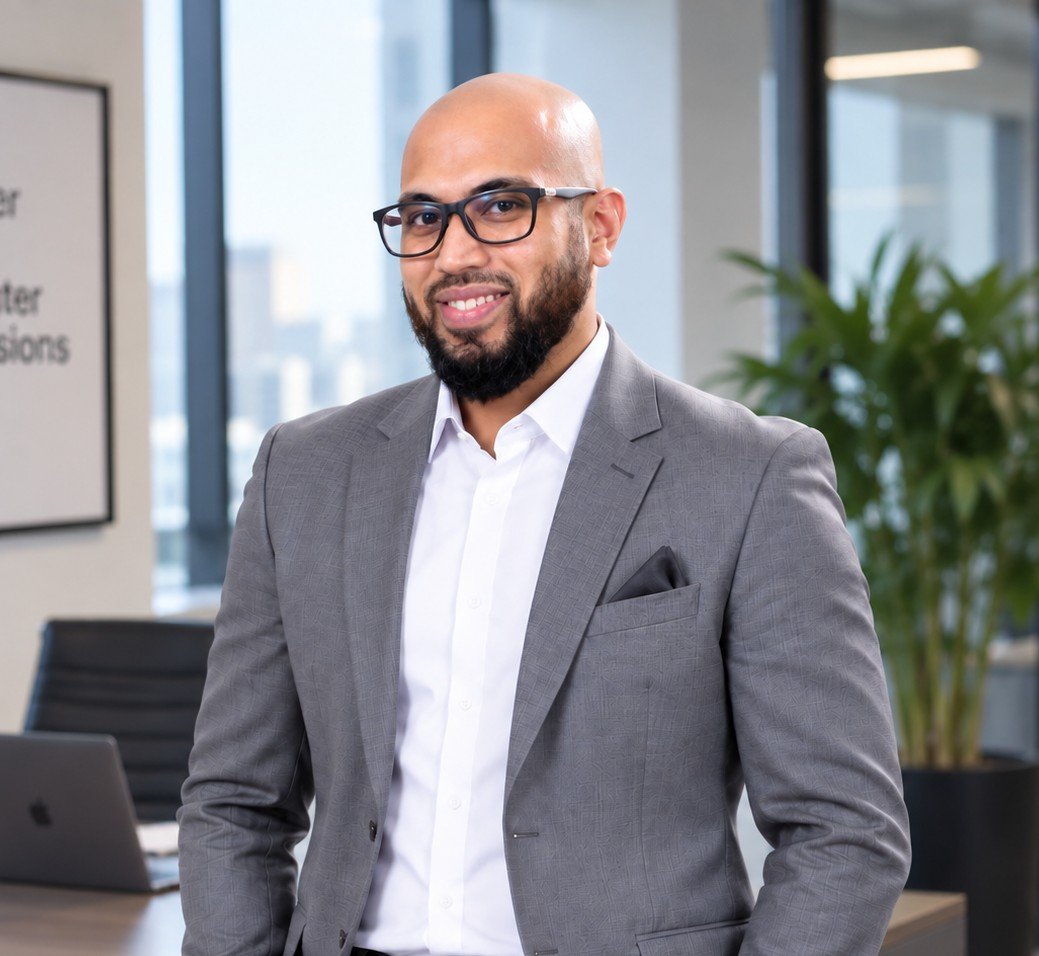
About the Author
Nasehuddin Mohammed is the Co-Founder and Head of Technology at Zawjaan, where he leads product quality and the platform’s technological development. His work spans user experience and interface development, matchmaking strategies, and community-centred communication experiences designed to help Muslims build serious, marriage-minded connections.