

Meet Herat Muslim Men Online
For Muslim women, meeting Herat Muslim men online begins with creating a sincere profile that reflects your faith, values, and intentions. Platforms like Zawjaan offer a safe space for halal chat, where conversations are conducted with the intention of marriage. Many Herat-based profiles focus on religious commitment, family orientation, and educational background, recognising the importance of these factors in a lifelong partnership. Online discovery allows you to connect with Muslim brothers from various neighbourhoods, from the historic old city to modern districts, and to engage in respectful dialogue before involving families. It provides a practical, privacy-conscious approach to serious matchmaking.
Herat Muslim Men for Marriage
Marriage holds a profound place in Herat's society, viewed as a sacred bond that unites families and strengthens the community. For Muslim women interested in Herat Muslim men, the path to marriage often involves family consultations, financial preparations, and honest discussions about expectations. The city's Islamic traditions emphasise mutual respect, kindness, and shared responsibility. Many couples begin with halal dating, meeting in public venues such as parks or restaurants with family chaperones, to ascertain compatibility. Marriage in Herat is not merely a personal commitment but a communal event, celebrated with rich cultural rituals and guided by Islamic principles.
Halal Dating with Herat Muslim Men
Halal dating in Herat involves courtship conducted strictly within Islamic guidelines, ensuring boundaries are respected and intentions remain pure. For Muslim women, this means involving a mahram (guardian) in meetings and keeping interactions modest and respectful. Herat Muslim men often appreciate clear communication about religious expectations and family values. Public places like the leafy gardens of the city, or family homes, serve as neutral settings for getting to know each other. The goal is to evaluate compatibility while upholding the dignity of both individuals. Halal dating is a purposeful process leading towards Nikah, not a casual pastime.
Islamic Nikah in Herat
The Islamic Nikah is the cornerstone of marriage in Herat, a sacred contract witnessed by Allah and the community. For Muslim women and Herat Muslim men, the Nikah ceremony typically takes place in a mosque or at home, led by an imam who ensures the marriage complies with Shariah. Key elements include the mahr (dower), the consent of both parties, and the presence of witnesses. In Herat, many families also incorporate local traditions, such as rich feasts and the exchange of gifts. Before the Nikah, both families may seek legal documentation to formalise the union within Afghanistan's civil framework, ensuring the marriage is recognised by the state.
Halal Chat with Herat Muslim Men
Halal chat is a vital stage for Muslim women to engage with Herat Muslim men in a controlled, respectful manner. Whether through Zawjaan's messaging system or supervised group calls, the focus is on serious topics: religious practice, career aspirations, family planning, and daily habits. In Herat, where conservative norms often restrict cross-gender communication, online platforms allow conversations to flourish without compromising modesty. Muslim brothers should respond thoughtfully, demonstrating their sincerity and willingness to involve families early. Halal chat is not a space for idle flirtation but a prelude to Nikah, where both individuals seek clarity and confidence in their choice.
Herat Muslim Singles and Community Networks
Herat's Muslim community is diverse, encompassing a range of ethnicities and cultural traditions, yet united by faith. For Muslim women, the pool of Herat Muslim men includes professionals in education, healthcare, and trade, as well as students at the city's universities. Many singles are actively seeking marriage but face challenges due to societal pressures or family expectations. Mosques and Islamic centres in Herat, such as the Juma Mosque or the Herat Islamic Centre, occasionally host events for matrimonial introductions, though more commonly, families rely on matchmakers and social networks. Online platforms bridge the gap, connecting Muslim brothers from Herat with potential partners in Afghanistan and abroad.
Marriage Proposals and Khitbah in Herat
The proposal, or khitbah, is a significant step in Herat's marriage process, where a man's family formally asks for a woman's hand. For Muslim women, receiving a proposal from a Herat Muslim man involves careful consideration and family guidance. The proposal is often preceded by mutual interest established through halal chat or meetings. In Herat, the man's family may visit the woman's home to make the offer, bringing sweets and exchanging pleasantries. Consent from the woman is paramount; she has the right to accept or decline. Once accepted, the engagement period allows for further preparation, including agreements on mahr and wedding arrangements, all within the bounds of Islamic practice.
Physical Appearance of Herat Muslim Men
When considering Herat Muslim men, physical appearance matters, but it should not overshadow character. Many women note that Herat men often have a traditional, dignified presence, with features reflecting the region's diverse heritage. Remember that beauty is relative and depends on personal preferences. Focus on what you truly want in a partner rather than societal standards.
Skin, Hair and Eye Colour
Herat Muslim men, like many Afghans, often have complexion ranging from olive to light brown, with dark hair and eyes common. However, diversity exists due to the city's historical role on trade routes, so variations in skin tone and facial features are natural. Preference for colour is personal; some women may favour fair skin, others a richer tone. The key is to appreciate beauty in all forms and prioritise inner qualities.
Occupation and Profession
Herat's economy offers diverse employment for Muslim men, and many are engaged in respected professions. Common occupations include teaching at Herat University, working in the healthcare sector as doctors or nurses, of which more are male in this region, engaging in trade, or running family businesses. Agriculture and carpet weaving also form the backbone of the local economy, with many men working in these sectors. For Muslim women, understanding a man's occupation provides insight into his lifestyle and ability to provide for a family. A stable career often reflects responsibility and readiness for marriage.
Height
Height preferences vary, but the average height for Herat Muslim men is around 5 feet 9 inches or approximately 175 centimetres. Many women find this height appealing, as it is neither too tall nor too short. Some may want a taller partner, while others prefer a similar stature. What matters more is comfort and physical compatibility, which can be gauged during meetings. Ultimately, height is a minor consideration compared to character and faith.
Ethnicity and Nationality
Herat is a melting pot of ethnicities, including Tajiks, Hazaras, Pashtuns, and others, each with distinct cultural practices. Herat Muslim men may identify with any of these groups, and intermarriage is common. For Muslim women, considering ethnicity involves not just heritage but also language, traditions, and family customs. It is important to discuss cultural expectations early to ensure alignment. While ethnicity can shape a marriage, shared Islamic values often bridge differences. Respect and openness are essential for a harmonious union.
Compatibility with Herat Muslim Men
Compatibility in marriage goes beyond surface-level attraction. For Muslim women seeking Herat Muslim men, assessing compatibility involves deeper conversations about faith, lifestyle, and long-term goals. Both partners must feel comfortable with each other's routines, habits, and social circles. In Herat, where community ties are strong, compatibility also means how well you integrate into each other's families. Use the courtship period to explore these dimensions.
Religious Alignment
Religious alignment is crucial. Herat Muslim men vary in their level of religious observance, from practising to more liberal. Muslim women should be clear about their own expectations and find a partner who shares the same understanding of Islam as a way of life. This includes daily prayers, fasting, and the role of religion in household decisions. Open discussions around faith will prevent future conflicts.
Cultural Compatibility
Cultural compatibility in Herat involves regional customs, language (Dari, Pashto, or Hazaragi), and family traditions. For example, a woman from a Tajik family might have different expectations than one from a Pashtun household. It is important to discuss how cultural practices will be blended, especially if families have different backgrounds. Mutual respect for each other's heritage strengthens the relationship.
Local Muslim Culture
Herat's Muslim culture is deeply influenced by Sufism, poetry, and a rich history. Men in Herat often appreciate gatherings at shrines, such as the Shrine of Khwaja Abdullah Ansari, and value hospitality. For Muslim women, understanding this local culture helps in building rapport. Participate in community events and show interest in his cultural background to foster a deeper connection.
Ideological Viewpoints
Ideological viewpoints can differ among Herat Muslim men, affecting perspectives on gender roles, politics, and modern life. Some are more progressive, others more conservative. Muslim women should discern these viewpoints early, as they impact daily living. For instance, attitudes towards women's education and careers vary widely. Choose a partner whose ideologies align with your own.
Lifestyle Compatibility
Lifestyle compatibility encompasses daily routines, health habits, and use of leisure time. A Herat Muslim man who works long hours in trade may have a different lifestyle than one who is an academic. Discuss your typical day, financial habits, and social activities. Ensure your lifestyles are complementary, allowing for both personal space and quality family time.
Family Expectations
Family expectations are significant in Herat. Muslim men may feel pressure to support extended families, and women must be prepared for communal living arrangements or frequent family visits. Discuss expectations around finances, household responsibilities, and care for elderly parents. Clear communication prevents misunderstandings later.
Marriage Goals
Marriage goals should be aligned. Whether it is starting a family, pursuing further education, or building a business, both partners need to be on the same page. In Herat, many couples aim for self-sufficiency and financial stability. Discuss your dreams and ambitions openly to ensure your marriage progresses in the same direction.
Relationship Expectations
Relationship expectations include how you communicate, resolve conflicts, and express affection. Herat Muslim men may be reserved in public but affectionate at home. Establish your preferences for private versus public displays of affection, and how involved your families will be in your marriage. A shared vision for your relationship fosters a loving partnership.
How to Find Muslim Men in Herat
To find Herat Muslim men, combine online platforms like Zawjaan with community involvement. Engage in halal chat, attend mosque events, and ask your family to utilise their networks. Be proactive in stating your intentions. With patience and faith, you will find a suitable partner in Herat's vibrant community.
1. Create a clear marriage profile
Phase 1: Profile CreationCreate a profile that highlights your faith, education, and family values. Use clear photos and honest descriptions.
2. Search locally and realistically
Phase 2: Local DiscoveryUse Zawjaan's search filters to find Muslim men in Herat or across Afghanistan. Include specific neighbourhoods like Shar-e-Now.
3. Begin respectful halal chat
Phase 3: Compatibility ScreeningStart halal chat with polite greetings, asking about religious practice and daily life, keeping conversations respectful.
4. Arrange a public meeting
Phase 4: Face-to-Face CourtshipSuggest public meeting at a safe venue like a park or restaurant, with a chaperone present.
5. Introduce both families
Phase 5: Family MeetingInvite him to meet your family at home, following Herati customs, and involve a respected elder to facilitate.
6. Prepare the legal documentation
Phase 6: Legal DocumentationVisit a legal office to register your marriage with Afghan authorities, bringing necessary documents like national ID cards.
7. Complete the Islamic Nikah
Phase 7: Marriage ContractArrange the Nikah at a mosque like the Juma Mosque, with an imam and witnesses, and set the mahr.
Frequently Asked Questions
How can Muslim women meet Herat Muslim men for marriage?
You can meet Herat Muslim men through reputable matchmaking platforms like Zawjaan, family connections, or by attending community events at local mosques such as the Juma Mosque. Online profiles allow halal chats to assess compatibility.
What should Muslim women know about Herat Muslim men's family expectations?
Herat Muslim men often have strong family ties and may expect wives to integrate closely with their relatives. It is wise to discuss living arrangements and support for extended families early on, ensuring both partners agree.
Is halal dating acceptable for Muslim men from Herat?
Yes, halal dating is acceptable when conducted Islamically: with a chaperone, in public places, and with the intention of marriage. Many Herat Muslim men prefer this approach to ensure propriety and family involvement.
What are the key steps for a Muslim woman to marry a Muslim groom from Herat?
First, engage in halal chat to get to know him. Then, involve families for a proposal. After mutual agreement, arrange a civil registration at a local court, followed by the Nikah ceremony at a mosque, often with a modest celebration.
What qualities do Herat Muslim men value in a potential wife?
Herat Muslim men typically value piety, modesty, and strong family values. They also appreciate education and cultural adaptability. Show sincerity and a willingness to build a marriage based on mutual respect.
About the Author
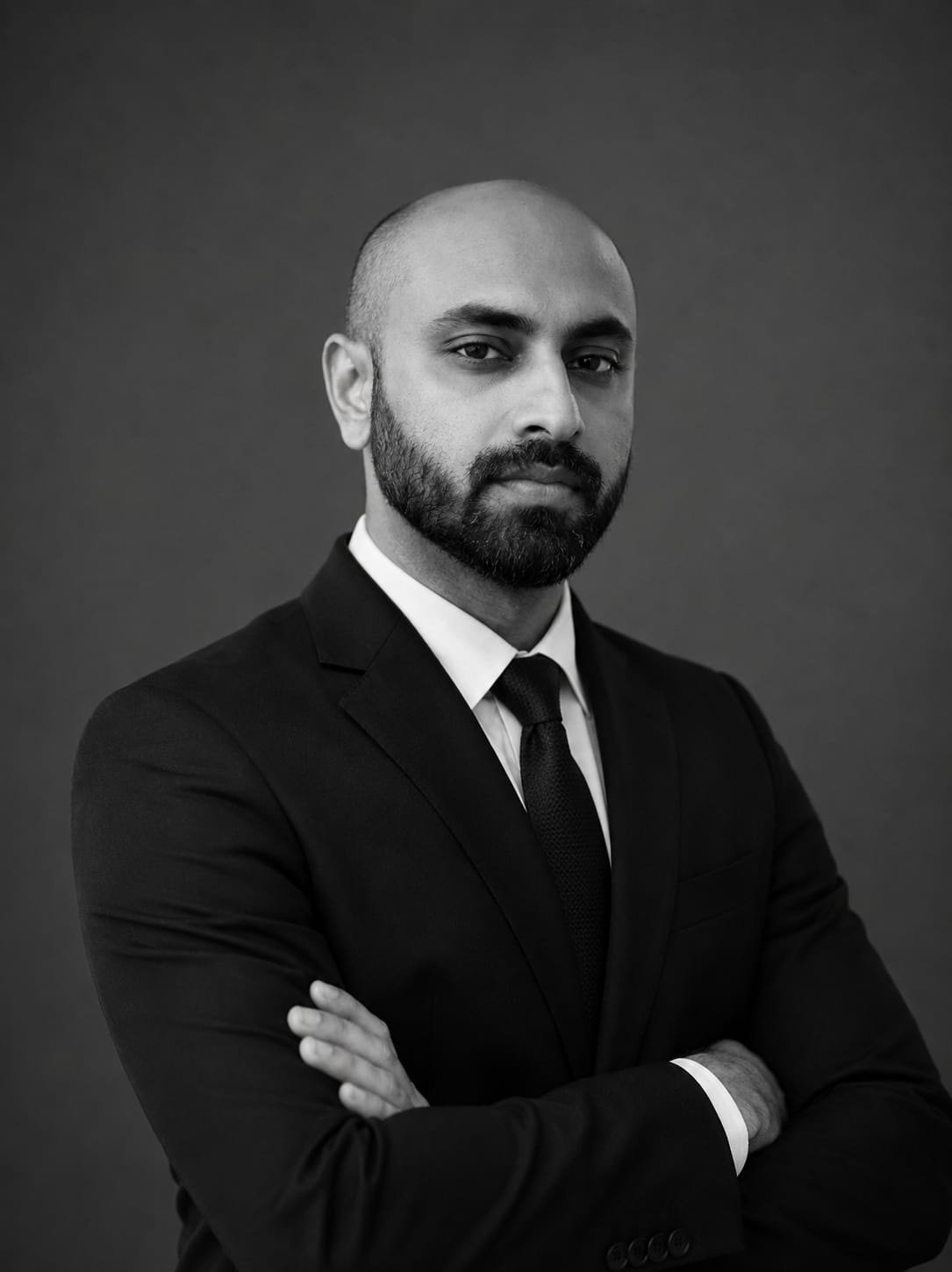
Arfan Shariff is the Co-Founder and Head of Operations at Zawjaan, overseeing platform operations, public relations and strategic partnerships. Drawing on his experience in community engagement, Arfan helps shape Zawjaan's trusted, faith-centred and user-focused approach to Muslim matchmaking, promoting compatibility, authenticity and meaningful lifelong marriages.