



Meet Sana'a Muslim Men Online
Online platforms have become a practical way for Muslim women to connect with Sana'a Muslim men for marriage. Respected apps and websites allow filtering by faith, ethnicity, and level of observance, offering a structured alternative to traditional matchmaking. In a city where social circles are close-knit, these digital tools provide privacy and control, letting you review profiles at your own pace. Many Sana'a men are open to online introductions, provided the interaction remains respectful and aligned with Islamic values, making it easier to initiate serious conversations without compromising family honour.
Sana'a Muslim Men for Marriage
Marriage in Sana'a is considered half of one's faith, a sacred bond that brings families together. For Muslim women, this means seeking a partner who is devout and committed to building a household rooted in mutual respect and shared religious values. The process often involves family input from the start, with parents playing a key role in vetting suitors. In Yemen, marriage is not just a personal commitment but a communal event, and understanding this expectation helps women approach the search for a husband with the importance it deserves.
Halal Dating with Sana'a Muslim Men
Halal dating in Sana'a is practised within strict boundaries, typically involving supervised meetings with a chaperone present. The goal is to assess compatibility for marriage while avoiding physical intimacy and emotional attachment outside the nikah contract. For Muslim women, this means engaging in meaningful conversations about faith, lifestyle, and future goals during these permitted encounters. This respectful approach aligns with Islamic teachings and is widely accepted in Yemeni society, where modesty is paramount.
Islamic Nikah in Sana'a
The Islamic nikah is the cornerstone of a valid marriage in Sana'a. It requires the consent of both parties, the presence of two male Muslim witnesses (or one male and two females), and a mahr (dower) agreed upon before the ceremony. In Yemen, nikah ceremonies are often held at local mosques or in family homes, with a qadi (Islamic judge) or imam officiating. For Muslim women, understanding the nikah's conditions and rights is crucial, as it legally protects their marriage under Islamic law. Local Islamic centres can guide you through the process.
Halal Chat with Sana'a Muslim Men
Halal chat refers to online or phone conversations conducted with the intention of marriage, under ethical guidelines. In Sana'a, these chats allow Muslim women to explore a potential spouse's character without compromising Islamic decency. It is recommended to keep conversations formal and purposeful, avoiding topics that are intimate or flirtatious. Many couples in Yemen begin their courtship through family-initiated introductions, but for those who meet online, halal chat provides a bridge to a face-to-face meeting, where they can further assess compatibility.
Sana'a Muslim Singles and Community Networks
For Muslim women seeking Muslim men in Sana'a, the singlehood journey involves balancing personal aspirations with communal expectations. Many Sana'a Muslims are serious about marriage, often influenced by family pressure and religious duty. However, the challenging economic situation and political instability have led some men to postpone marriage. Nonetheless, the desire for a righteous partner remains strong, and women can find like-minded men through mosques, community events, and family networks. Patience and trust in Allah's plan are essential virtues during this search.
Marriage Proposals and Khitbah in Sana'a
In Sana'a, a proposal (khitbah) is a formal declaration of intent to marry, often initiated by the man's family. It involves sending a delegation of male relatives to the woman's home to request her hand. For Muslim women, receiving a proposal from a Sana'a Muslim man is a meaningful step, symbolising his commitment and the joining of two families. The proposal is usually accompanied by a discussion of the mahr and wedding arrangements. It is customary to seek the woman's consent privately, and she has the right to accept or decline.
Physical Appearance of Sana'a Muslim Men
When considering a Sana'a Muslim man for marriage, appearance often reflects his dedication to faith and tradition. Many men in Sana'a wear the thawb and may grow a beard as part of sunnah. A neat and modest appearance is valued, indicating respect for Islamic guidelines. Remember that beauty is relative and depends on personal preferences. Focus on what you truly want in a partner rather than societal standards.
Skin, Hair and Eye Colour
In Sana'a, skin tones vary widely, reflecting the rich diversity of Yemeni and African heritage. Eye and hair colours vary from dark brown to black, though lighter shades can appear due to mixed ancestry. Physical colour holds no significance in Islam, where piety is the standard of excellence. When seeking a Sana'a Muslim man, focusing on colour is often seen as un-Islamic, and compatibility should be based on more substantial traits.
Occupation and Profession
Many Sana'a Muslim men are engaged in trade, agriculture, government service, or small businesses. The city is also a hub for Islamic scholarship, with some men working as imams or educators. Others may find work in the private sector or in international organisations despite the ongoing conflict. For Muslim women, evaluating a man's occupation is about more than income; it is about stability and his ability to provide for a family, as per Islamic expectations.
Height
Height preferences for a partner are highly personal. For reference, a height of 5 feet 9 inches or approximately 175 centimetres is common for many men in Sana'a. However, this should not be a deciding factor, as compatibility in faith and character matters far more than physical stature.
Ethnicity and Nationality
Sana'a is predominantly Arab, with many Yemenis identifying as of Qahtani or Adnani descent. There are also communities of African origin, such as those with Ethiopian or Somali roots. Some Sana'a Muslim men may be descendants of the Prophet Muhammad (peace be upon him), known as sayyids. For Muslim women, understanding this ethnic diversity is important, but Islamic brotherhood transcends ethnicity, and marriage is permissible between different backgrounds if mutual respect exists.
Compatibility with Sana'a Muslim Men
Compatibility in marriage goes beyond surface-level similarities; it involves alignments in religion, character, and life goals. Emphasising these deeper aspects increases the likelihood of a successful union.
Religious Alignment
In Sana'a, religious alignment often means sharing a similar level of observance, whether that includes regular prayer, fasting, and adherence to Islamic dress. Zaydi and Shafi'i schools are common, and differences may influence practical matters. Discussing these early on helps avoid future conflicts.
Cultural Compatibility
Cultural compatibility in Sana'a includes respecting local customs and traditions, such as family honour and communal living. A Sana'a Muslim man may expect his wife to integrate into his family network, so understanding and accepting this is key for a smooth relationship.
Local Muslim Culture
Sana'a's Muslim culture is deeply rooted in hospitality, collective prayer, and social conservatism. Men and women often maintain separate social spheres, and public displays of affection are rare. Engaging with the local community, such as attending mosque events, can facilitate a respectful introduction to potential suitors.
Ideological Viewpoints
Political and religious ideologies can influence marriage in Sana'a, particularly given the recent war. It is prudent to discuss views on leadership, governance, and religious practice to ensure that both partners share compatible stances, avoiding potential divisive topics.
Lifestyle Compatibility
Lifestyle in Sana'a may involve extended family living, limited public entertainment, and a focus on home life. A Sana'a Muslim man might appreciate a partner who values domestic skills and enjoys quieter activities. Honest discussions about daily routines, hobbies, and social expectations help build a shared life.
Family Expectations
Family is central in Sana'a, and a husband may expect his wife to maintain close ties with his relatives. In return, the wife's family will also hold expectations. Understanding each other's family obligations, including caregiving roles, is crucial before marriage.
Marriage Goals
In Sana'a, marriage goals often revolve around raising children in an Islamic environment, achieving financial stability, and maintaining a pious household. Couples may also plan for education or work, with the husband’s role as provider being a common expectation.
Relationship Expectations
Relationship expectations for Sana'a Muslim men typically include mutual respect, emotional support, and companionship within the bounds of Islamic modesty. Open communication about intimacy, household responsibilities, and personal boundaries helps establish a strong foundation.
How to Find Muslim Men in Sana'a
To find Sana'a Muslim men for marriage, consider using a reputable Islamic matrimonial site or app, seek introductions through trusted family and friends, and attend local mosque events. Always ensure that interactions respect Islamic guidelines and involve family early.
1. Create a clear marriage profile
Phase 1: Profile CreationCreate a profile that highlights your faith, education, and family background, and be clear about your intention to marry.
2. Search locally and realistically
Phase 2: Local DiscoveryUse filters to search for Sana'a Muslim men, focusing on religious observance and location preferences.
3. Begin respectful halal chat
Phase 3: Compatibility ScreeningEngage in respectful, purpose-driven messages, avoiding prolonged or private conversations without a guardian's knowledge.
4. Arrange a public meeting
Phase 4: Face-to-Face CourtshipArrange to meet in a public place, such as a halal restaurant or a park, with a chaperone present.
5. Introduce both families
Phase 5: Family MeetingIntroduce your potential spouse to your family early, as their approval is important in Yemeni culture.
6. Prepare the legal documentation
Phase 6: Legal DocumentationFulfil any civil registration requirements set by the local authorities, even though the nikah is the primary Islamic contract.
7. Complete the Islamic Nikah
Phase 7: Marriage ContractOrganise the nikah ceremony with an imam or qadi, ensuring witnesses and mahr are arranged according to Islamic guidelines.
Frequently Asked Questions
How can Muslim women meet Sana'a Muslim men for marriage in a halal way?
Muslim women can meet Sana'a Muslim men through family networks, mosque activities, or reputable Islamic matrimonial apps, ensuring that initial conversations are chaperoned and respectful.
What should a Muslim woman look for in a Sana'a Muslim groom?
Look for a Sana'a Muslim groom who is practicing, has good character, and shares similar spiritual and family goals. Also consider how he treats his family, as this reflects his future behaviour.
Are Sana'a Muslim men open to nuclear family living?
While many Sana'a Muslim men value extended family ties, some are open to nuclear living for practical reasons. Discuss this early to ensure your expectations are aligned.
What challenges might a Muslim woman face when dating Sana'a Muslim brothers?
Challenges include cultural conservatism, security concerns, and financial constraints due to the economic situation. Patience and family support are vital.
How important is the mahr for Sana'a Muslim boys?
The mahr is a mandatory gift in Islamic marriage, and while it can be symbolic, it is taken seriously. Discussing it early sets a respectful tone for the union.
About the Author
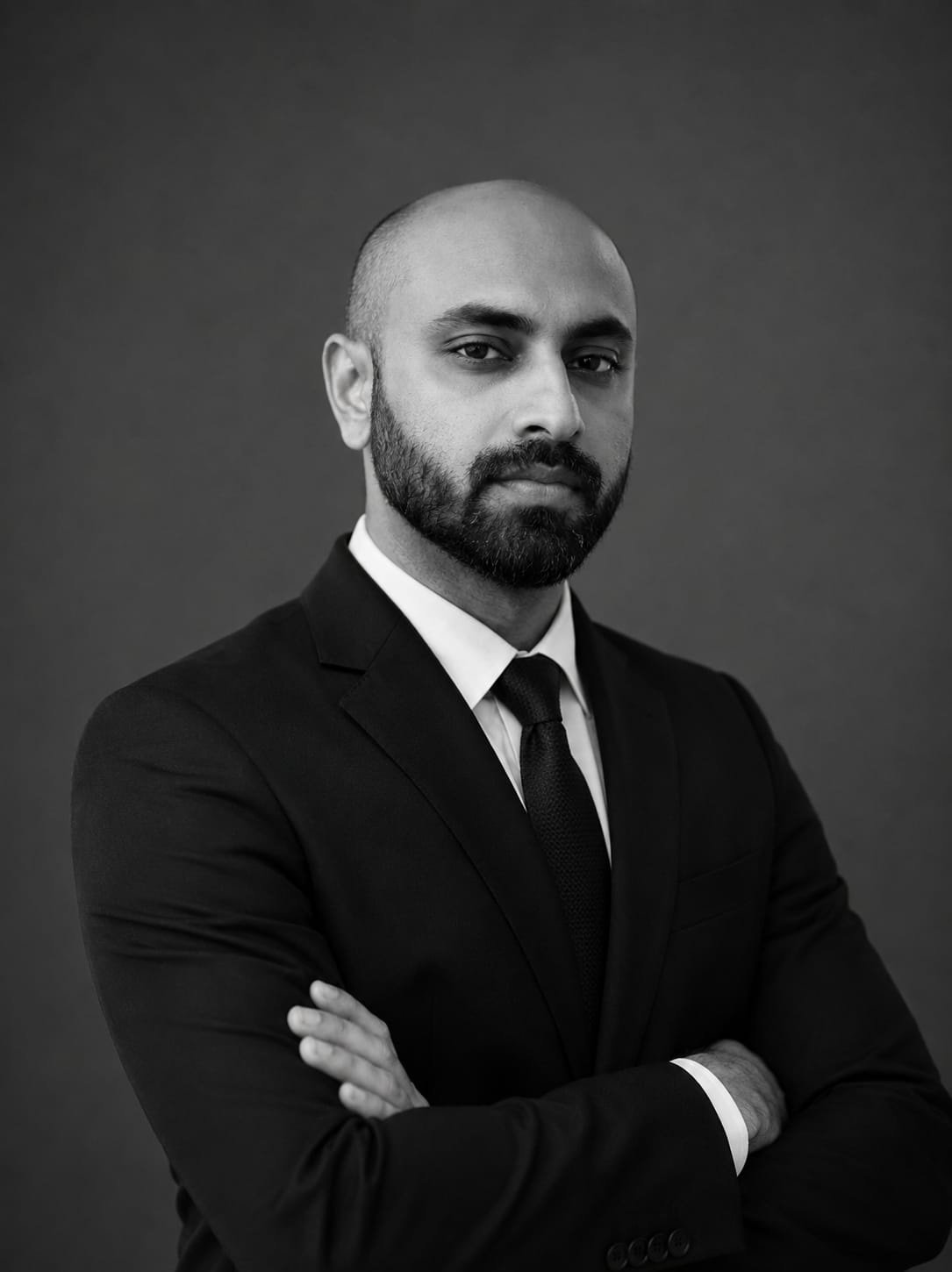
Arfan Shariff is the Co-Founder and Head of Operations at Zawjaan, overseeing platform operations, public relations and strategic partnerships. Drawing on his experience in community engagement, Arfan helps shape Zawjaan's trusted, faith-centred and user-focused approach to Muslim matchmaking, promoting compatibility, authenticity and meaningful lifelong marriages.