

Meet Navoi Muslim Men Online
For Muslim women in Navoi, online platforms offer a discreet yet effective way to meet Muslim men for marriage. Dedicated Muslim matrimonial websites provide a space where profiles emphasise religious commitment and family intentions. When browsing, look for Navoi Muslim men who clearly state their practice of salah and their respect for Islamic boundaries. You can also join regional online groups where brothers share their marriage intentions. Ensure that your initial communication remains halal, focusing on compatibility rather than casual conversation. Many couples in Uzbekistan have found their spouses through these networks, often with family involvement early in the process.
Navoi Muslim Men for Marriage
Marriage in Navoi, as across Uzbekistan, is a sacred bond that unites families and communities. For Muslim women, the aim is to find a husband who will lead the household with taqwa and compassion. In Navoi, many Muslim men seek wives who are practising and family-oriented, valuing partnership in faith and daily life. The process often involves the couple’s families from the beginning, with a formal proposal and engagement before the nikah. Understanding that marriage in this context is both a religious duty and a social commitment helps women approach their search with patience and clarity.
Halal Dating with Navoi Muslim Men
Halal dating in Navoi respects Islamic guidelines, meaning that meetings are chaperoned and conversation is purposeful. For Muslim women, this involves getting to know a potential husband without physical intimacy or private seclusion. In Navoi, public places such as parks or family-friendly cafes are appropriate for meetings, always with a mahram or a trusted companion present. The focus remains on discussing marriage intentions, religious values, and lifestyle expectations. This approach ensures that the relationship develops within bounds that are pleasing to Allah and respectful of Uzbek customs.
Islamic Nikah in Navoi
The nikah is the cornerstone of marriage, and in Navoi, Muslim men and women formalise their union through this sacred ceremony. The nikah is often held at home or in a mosque, with an imam officiating. In Uzbekistan, the nikah is recognised religiously, but couples also register their marriage civilly to ensure legal rights. For Muslim women, it is important to discuss the mahr, her right to receive a gift from the groom, clearly before the ceremony. The nikah is a simple yet powerful commitment, and in Navoi, families take great care to make it a blessed occasion.
Halal Chat with Navoi Muslim Men
Halal chat refers to online messaging that adheres to Islamic etiquette. For Muslim women, this means keeping conversations respectful, modest, and goal-oriented. In Navoi, many Muslim men appreciate a woman who communicates clearly and avoids unnecessary flirtation. When engaging in halal chat, topics should revolve around serious subjects: deen, career, family, and marriage plans. It is advisable to involve a family member or a trusted third party early in the communication to maintain transparency and avoid prolonged private conversations. This practice helps protect both parties and ensures the interaction remains pure.
Navoi Muslim Singles and Community Networks
Muslim singles in Navoi have access to a variety of avenues for meeting potential spouses, but the community is close-knit, so reputations matter. For Muslim women, being introduced through family networks is often the most respected route. Local mosques and Islamic centres also arrange events, although these may be less frequent. Some women choose to expand their search to nearby cities like Bukhara or Samarkand, where larger Muslim communities exist. The key is to remain open yet cautious, always verifying a man’s character through references and community reputation, and to involve a wali in the process from early on.
Marriage Proposals and Khitbah in Navoi
In Navoi, the proposal, or khitbah, is a formal step where the man’s family asks for the woman’s hand. For Muslim women, this is a significant moment that signals the man’s serious intention. Traditionally, the proposal is made by the groom’s parents, often accompanied by elders, to the bride’s family. The woman has the right to accept or decline, and she should take time to pray istikhara. In Navoi, a proposal often involves an engagement ceremony, and the wedding date is set after mutual agreement. This structured approach helps ensure that both families are committed to the marriage.
Physical Appearance of Navoi Muslim Men
When considering Muslim men in Navoi, physical appearance is just one aspect of compatibility. Many women value neatness and a modest appearance as indicators of a man’s respect for himself and his faith. While it is natural to notice looks, the character and deen of a person carry far more weight. Remember that beauty is relative and depends on personal preferences. Focus on what you truly want in a partner rather than societal standards.
Skin, Hair and Eye Colour
Skin, hair, and eye colour vary greatly among Muslim men in Navoi, reflecting the diverse ethnicities of Uzbekistan. You may find men with light skin and fair hair, similar to local Uzbeks, or those with darker features, influenced by Tajik or Central Asian heritage. It is important to recognise that colour is not a measure of faith or character. In Islamic marriage, the emphasis is on a person’s piety and conduct, not their complexion. Approach preferences with an open mind, understanding that true compatibility goes beyond physical traits.
Occupation and Profession
In Navoi, the economy is largely driven by industry, particularly the Navoi Mining and Metallurgy Combine, which is one of the largest in Central Asia. Many Muslim men are employed as engineers, technicians, or in administrative roles within this sector. Others work in education, healthcare, or run local businesses. When considering a potential spouse, a stable occupation is often a priority for women and their families. However, it is equally important to assess a man’s work ethics and whether his job allows him to fulfil his religious duties, such as attending Friday prayers.
Height
Height can be a consideration for some women, but it holds little significance in the eyes of Islam. In Navoi, average heights may vary, but a typical male height is around 5 feet 9 inches or approximately 175 centimetres. Nevertheless, it is the stature of one’s character that truly matters. A man who is short but strong in deen and personality is far more valuable than one who is tall but negligent in his duties. Focus on the qualities that contribute to a successful marriage, not just physical dimensions.
Ethnicity and Nationality
Navoi is home to a predominantly Uzbek population, with significant communities of Tajiks, Russians, and other Central Asian groups. For Muslim women, ethnicity may be a consideration, especially when families have preferences. However, in Islam, equality is based on taqwa, not nationality. Many Navoi Muslim men are open to marrying women from different ethnic backgrounds, especially if they share the same faith. Discussing ethnicity early in the matchmaking process helps align expectations and ensures that both families are comfortable with the union.
Compatibility with Navoi Muslim Men
Compatibility is the cornerstone of a successful marriage. For Muslim women, finding a Navoi Muslim man who shares similar values, goals, and lifestyle is essential. The following areas deserve careful consideration during the search.
Religious Alignment
In Navoi, as in the rest of Uzbekistan, Islam is practised with varying degrees of observance. Some Muslim men are highly religious, attending the mosque daily and following strict guidelines, while others may be more relaxed. For a Muslim woman, it is vital to assess her own level of religiosity and find a man who complements it. Discussing five daily prayers, fasting, and the importance of religious education can reveal alignment before you commit.
Cultural Compatibility
Cultural compatibility in Navoi is shaped by Uzbek traditions, which blend Islamic values with local customs. Family honour, hospitality, and respect for elders are paramount. A Muslim woman should consider whether her prospective husband’s family culture aligns with her own upbringing. Differences in language (Uzbek, Tajik, or Russian) or regional customs can be navigated with mutual respect, but it is wise to address these openly early on.
Local Muslim Culture
The local Muslim culture in Navoi is influenced by the Hanafi school of thought, which is prevalent in Uzbekistan. This brings a moderate and practical approach to faith. Community gatherings often revolve around religious holidays, family events, and neighbourhood bonds. For a Muslim woman, integrating into this culture means embracing local traditions while maintaining Islamic practices. Understanding these nuances helps you fit into your husband’s life and community more smoothly.
Ideological Viewpoints
Ideological viewpoints concerning Islamic practice can differ among Muslim men in Navoi. Some may follow a more traditional interpretation, while others are influenced by modern reformist ideas. It is important for a Muslim woman to discuss her own beliefs on issues such as gender roles, education, and community involvement. Finding common ground or at least mutual respect is crucial to avoid future conflicts. In a marriage, shared core beliefs about the essentials of faith and daily life are more important than minor differences.
Lifestyle Compatibility
Lifestyle preferences can make or break a marriage. In Navoi, the pace of life is slower than in a large city, with an emphasis on family time and community. A Muslim woman should consider whether she prefers a quiet domestic life or a more socially active one. Occupation, hobbies, and daily routines should be discussed. For example, if a man works shifts at the mining combine, his schedule may affect family time. Ensuring that your lifestyle expectations are aligned will help avoid resentment later.
Family Expectations
In Navoi, family expectations play a significant role in marriage. Often, the groom’s parents remain closely involved, and there may be expectations about living arrangements, such as living with in-laws temporarily. For a Muslim woman, it is critical to discuss these expectations openly. Understand how much influence his family will have on your life and how he intends to balance his role as a husband with his duty to his parents. In Islam, the husband is responsible for providing for his wife, but cultural norms may add layers to this.
Marriage Goals
Marriage goals should be aligned from the start. Whether the couple aims to have a large family, pursue higher education, or build a business, these aspirations need to be shared. In Navoi, economic stability is often a priority, and many Muslim men seek a wife who will support their ambitions. A Muslim woman should articulate her dreams and listen to his, seeking a path that both can walk together. Remember that the ultimate goal is to please Allah by building a righteous household.
Relationship Expectations
Within the marriage, both spouses have rights and responsibilities. For Muslim women, it is essential to clarify expectations about communication, household duties, and conflict resolution. In Navoi, traditional gender roles may be more pronounced, but many couples now share responsibilities. The man is responsible for financial provision, which is reflected in the mahr and maintenance. Meanwhile, the woman has the right to be treated with kindness and equality in religious matters. Establishing these expectations early prevents misunderstandings.
How to Find Muslim Men in Navoi
To find a compatible Muslim man in Navoi, start by strengthening your connection with Allah and seeking guidance through istikhara. Network within your local community, attending events at the central mosque or women’s gatherings. Use reputable online matrimonial sites that cater to Muslims, and be clear about your intentions in your profile. Always involve your wali in the process and take time to verify any potential suitor’s character through mutual acquaintances or local references.
1. Create a clear marriage profile
Phase 1: Profile CreationCreate a profile that highlights your faith and marriage intentions. Use clear photos and write a honest description, mentioning your religious practice and family values to attract Navoi Muslim men.
2. Search locally and realistically
Phase 2: Local DiscoveryUse the site’s search filters to select Uzbekistan and Navoi, and refine by religious practice and height. Reach out to men who match your criteria and have verified profiles.
3. Begin respectful halal chat
Phase 3: Compatibility ScreeningInitiate halal chat by keeping conversations respectful and purposeful. Use the platform’s chat feature to ask about his deen, work, and family, and involve a wali early.
4. Arrange a public meeting
Phase 4: Face-to-Face CourtshipFor a public meeting, choose a quiet and reputable venue in Navoi, such as a family cafe or park. Ensure a mahram is present and keep discussions focused and modest.
5. Introduce both families
Phase 5: Family MeetingBefore a meeting, inform your wali. If both parties agree, arrange a formal family introduction, often at the woman’s home, where families can meet and discuss the proposal.
6. Prepare the legal documentation
Phase 6: Legal DocumentationIn Uzbekistan, civil marriage is required. Visit the Navoi registry office (ZAGS) to understand required documents, and ensure the civil ceremony is scheduled alongside the nikah.
7. Complete the Islamic Nikah
Phase 7: Marriage ContractArrange the nikah with a local imam, either at a mosque or at home. Ensure that the mahr is agreed upon and the required witnesses are present, making the marriage valid in Islam and law.
Frequently Asked Questions
How can Muslim women meet Navoi Muslim men who are serious about marriage?
You can meet eligible Muslim men through online matrimonial platforms, community networks, and referrals. Attend Muslim events or contact local mosques for guidance. Always have your wali involved.
What should Muslim women look for in a Muslim groom from Navoi?
Focus on his Islamic practice, character, and family background. In Navoi, a stable job is important, but more crucial is his commitment to prayers and his treatment of others.
Is it acceptable for Muslim women to have a chaperoned meeting with a Muslim man in Navoi?
Yes, chaperoned meetings are encouraged in Islam. In Navoi, you can meet in a public place with your mahram or a trusted companion to discuss marriage matters safely.
How can Muslim sisters verify the background of a potential Muslim groom?
Request references from his community and mosque. In Navoi, you can ask mutual acquaintances or check with the local imam about his standing. Trustworthy platforms also offer verification.
What is the usual process for Nikah in Navoi for Muslim grooms and their brides?
After the proposal and engagement, the nikah is performed by an imam at your home or a mosque. Ensure you have two male witnesses and agree on the mahr. In Uzbekistan, civil registration is also required.
About the Author
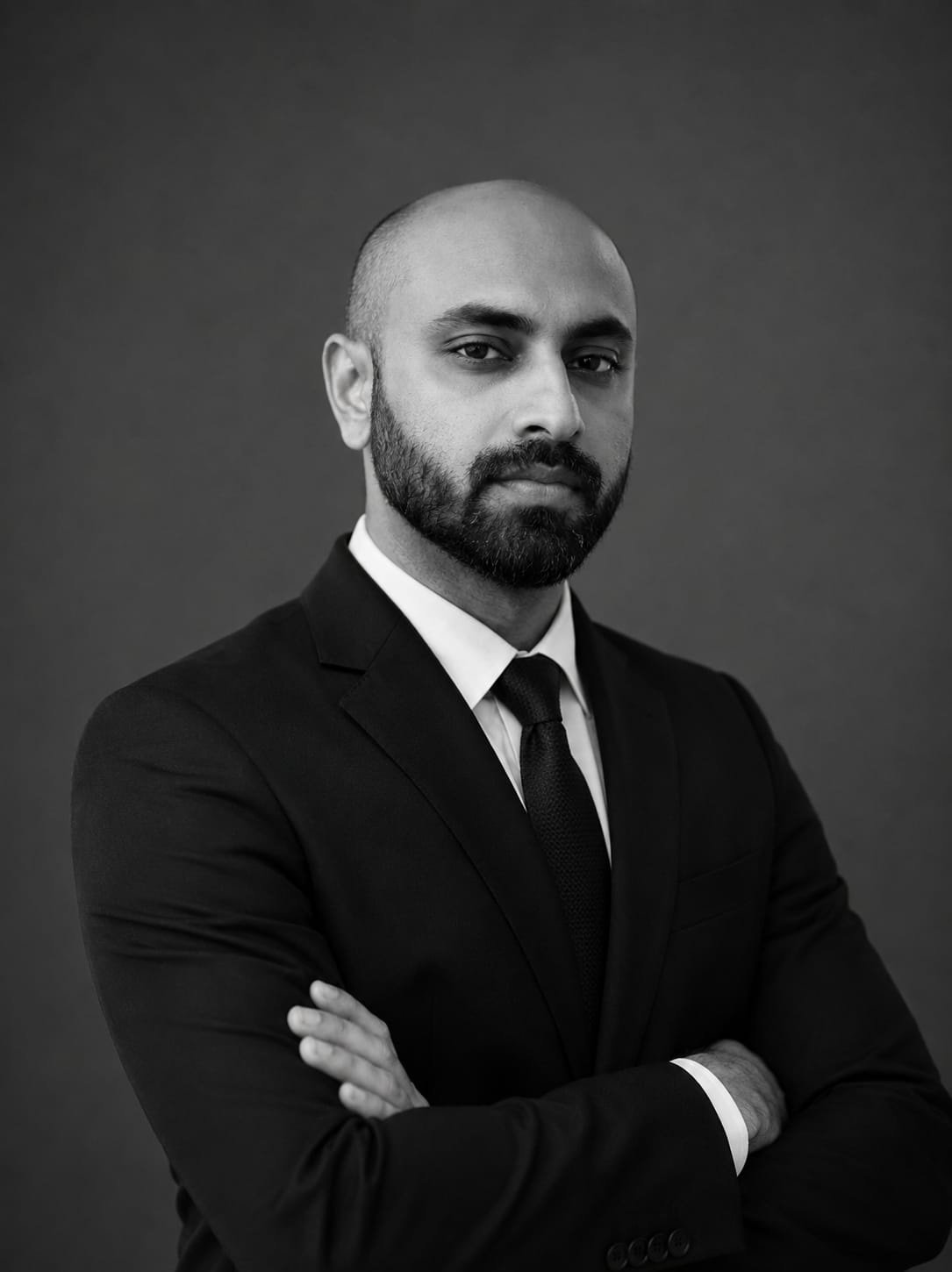
Arfan Shariff is the Co-Founder and Head of Operations at Zawjaan, overseeing platform operations, public relations and strategic partnerships. Drawing on his experience in community engagement, Arfan helps shape Zawjaan's trusted, faith-centred and user-focused approach to Muslim matchmaking, promoting compatibility, authenticity and meaningful lifelong marriages.