



Meet Khujand Muslim Men Online
For Khujand Muslim women, meeting prospective suitors online is becoming increasingly common. Trusted Muslim marriage platforms and modest social media groups allow you to connect with Khujand Muslim men while respecting Islamic guidelines. When searching, focus on profiles that mention serious intentions and include family details. Use the search filters to specify Tajikistan and Khujand, and engage in thoughtful conversations. Always prioritise halal interactions, keeping communication respectful and involving a wali (guardian) early. Online discovery complements traditional routes by widening your reach beyond your immediate circles.
Khujand Muslim Men for Marriage
Marriage in Khujand is seen as a sacred union, deeply rooted in Islamic values and Tajik customs. For a Muslim woman seeking a Khujand Muslim man, this involves both personal compatibility and family harmony. Locally, marriage often includes engagement (nikoh), followed by a wedding and celebration. Families play a central role, and their approval is crucial. Understand that a Muslim brother from Khujand may have strong ties to his family and community, which shapes his expectations. Approaching marriage with patience, sincere intent, and a willingness to forge a shared Islamic foundation is essential for a lasting bond.
Halal Dating with Khujand Muslim Men
Halal dating in Khujand focuses on purposeful, chaperoned interactions. A Muslim man seeking marriage will adhere to Islamic etiquette, avoiding private meetings. Instead, you might meet in public places like parks or cafes, with a mahram (male guardian) present for the woman. This period is for discussing religious commitment, life goals, and family dynamics. It is a time to ask important questions about practice, finances, and children. Halal dating in Khujand is not casual; it is a structured, respectful process aimed at finding a compatible Nikah partner.
Islamic Nikah in Khujand
The Nikah is the core of an Islamic marriage, and in Khujand, it is conducted with specific local customs. The ceremony is typically performed by a local imam or a religious official, often after a civil registration. Nikah requires the consent of the bride and groom, witnessed by at least two adult Muslims. The mahr (dower) is an essential component, agreed upon beforehand. Many Khujand families also incorporate Tajik traditions into the celebration. Understanding these local practices helps a Muslim woman prepare for a smooth and blessed union with a Khujand Muslim man.
Halal Chat with Khujand Muslim Men
Halal chat with potential suitors should be respectful, purposeful, and free from flirtation. A Khujand Muslim man approached for marriage will appreciate direct, modest communication. Use this time to assess compatibility in religious practice, family values, and life aspirations. Keep conversations focused on getting to know each other intellectuality and spiritually, avoiding private emotional exchanges. In Khujand, where community word travels fast, maintaining discretion and honour is vital. Chatting online or by phone should always maintain boundaries and include the involvement of guardians when necessary.
Khujand Muslim Singles and Community Networks
Khujand Muslim men seeking marriage often look for qualities that reflect Islamic character and cultural compatibility. As a Muslim woman, emphasise your faith, modesty, and family orientation. Local men may be attracted to women who respect traditions while being modern in education and work. Many are open to meeting through family networks, at weddings, or at community events. Patience is important, as the search can take time. Show genuine interest in his culture, language, and customs, while ensuring that your own religious standards are respected.
Marriage Proposals and Khitbah in Khujand
In Khujand, a marriage proposal (khitbah) involves family consultation. A Muslim man interested in marriage will typically approach your family first, often accompanied by his parents or a respected elder. The proposal includes a formal request and discussions about mahr and wedding plans. As a woman, it is common to have input, but the decision is often made with family counsel. Responding to proposals with grace and honesty is important. If you are interested, arrange a follow-up meeting with your wali to discuss compatibility and future expectations.
Physical Appearance of Khujand Muslim Men
Physical appearance is often the first thing you notice, but in serious marriage, it should not overshadow character. Khujand Muslim men appreciate natural beauty and modest presentation. Look for someone who takes care of himself without vanity and respects Islamic dress codes. Remember that beauty is relative and depends on personal preferences. Focus on what you truly want in a partner rather than societal standards.
Skin, Hair and Eye Colour
In Khujand, skin, hair, and eye colour vary widely due to the region's diverse ancestry. You may find men with light or olive skin, dark eyes, and black or brown hair. Some have lighter features from Persian or Turkic roots. Colour preferences are personal, but Islamic teachings value piety over ethnicity. When considering a Khujand Muslim man, avoid making colour a primary factor. Instead, appreciate the natural diversity and focus on his spiritual and personal qualities.
Occupation and Profession
Many Khujand Muslim men work in sectors such as agriculture, trade, education, or small businesses. Some are employed in remittance-driven industries, with family members working abroad. Profession is a significant consideration for marriage, as it reflects stability and responsibility. A man with a regular income can provide for a family. You may discuss his career aspirations and work-life balance. Respect his occupation and see how it aligns with your lifestyle and future plans.
Height
Height can be an important factor for some women, but it should not be a sole criterion. In Khujand, the average male height is about 5 feet 9 inches or approximately 175 centimetres. A man of this height is considered typical. Focus on how his physical stature makes you feel, but remember that compatibility in religion and character matters more. A man's height does not define his ability to be a good husband.
Ethnicity and Nationality
Khujand is predominantly Tajik, with influences from Persian and Turkic heritage. Muslim men from this city often identify with Tajik culture, but there are also communities of Uzbeks, Russians, and others. Ethnicity can influence traditions, language, and family expectations. If you come from a different ethnic background, discuss cultural integration openly. In marriage, a willingness to respect each other's heritage while building a shared identity is essential.
Compatibility with Khujand Muslim Men
Compatibility in marriage goes beyond attraction; it requires shared values and goals. For a Khujand Muslim man, this includes religious practice, cultural background, and life plans. Assess if your visions align on issues like children, finances, and in-laws.
Religious Alignment
Religious alignment is central to a successful Nikah. Both partners should have similar levels of Islamic practice and commitment. In Khujand, most men are Sunni Muslims, often following Hanafi fiqh. Discuss your daily rituals, like prayers and fasting, and your willingness to grow together. A shared foundation in faith will strengthen your relationship.
Cultural Compatibility
Cultural compatibility matters in Khujand, where traditions are strong. Understand his family customs, such as respect for elders, communal gatherings, and local festivals. If you are from the same city, you may share these norms. If not, be open to learning and adapting. Mutual respect for each other's cultural backgrounds is key.
Local Muslim Culture
Khujand's Muslim culture is influenced by Tajik traditions and Soviet-era history, but Islam remains important. Men may participate in the five daily prayers, and many observe fasting. You can connect through community events at mosques or Islamic centres. Show appreciation for his local customs, and share your own Islamic experiences.
Ideological Viewpoints
Muslims in Khujand generally follow mainstream Sunni Islam. However, individual interpretations vary. Discuss theological matters such as, but not limited to, the role of women, religious education, and modern challenges. Ensure that your ideological viewpoints are compatible or at least tolerable. Open dialogue prevents misunderstandings.
Lifestyle Compatibility
Lifestyle compatibility involves daily habits, social activities, and economic status. A Khujand Muslim man may enjoy tea with friends, family gatherings, or sports. Consider your own routines and how they mesh. Financial habits are also crucial; discuss budgeting, saving, and spending. A unified approach reduces stress.
Family Expectations
Family expectations in Khujand can be significant. Expect that his family will be involved in your marriage, and you will need to build positive relationships. Understand duties towards parents and extended family. Discuss how you will handle family pressures and maintain your own household boundaries.
Marriage Goals
Discuss long-term goals such as having children, education, and where to live. Some Khujand men may aspire to work abroad to support the family. Ensure that your goals align with his. Also, talk about your roles as husband and wife. A shared vision prevents future conflict.
Relationship Expectations
Clarify your relationship expectations regarding love, romance, and respect. In Khujand, public display of affection is limited, but private affection is cherished. Discuss communication styles and conflict resolution. Know that Islamic marriage is a partnership, with both having rights and responsibilities.
How to Find Muslim Men in Khujand
To find Khujand Muslim men, start with family networks and referrals. Attend local Islamic events at mosques like Masjid Jami and Khujand Islamic Centre. Use reputable Muslim matrimonial platforms, not just social media. Be explicit about your intentions and ask for a wali's involvement early.
1. Create a clear marriage profile
Phase 1: Profile CreationCreate a truthful profile emphasising your faith, family values, and intention to marry. Include your education and interests. Upload modest photos and specify your preference for Khujand.
2. Search locally and realistically
Phase 2: Local DiscoveryUse search filters on Muslim marriage sites to target Tajikistan and Khujand. Also explore local community groups and Islamic events, where you may find potential matches.
3. Begin respectful halal chat
Phase 3: Compatibility ScreeningInitiate respectful, halal chat focused on getting to know each other. Keep conversations within bounds, avoid flirtation, and share your daily life moderately.
4. Arrange a public meeting
Phase 4: Face-to-Face CourtshipWhen comfortable, arrange a public meeting in a safe venue like a cafe or park. Ensure a mahram accompanies you and maintain modesty throughout.
5. Introduce both families
Phase 5: Family MeetingIntroduce him to your wali and family after a few meetings. Discuss your intentions and seek their guidance on how to proceed with the marriage process.
6. Prepare the legal documentation
Phase 6: Legal DocumentationPlan for legal civil marriage in Tajikistan. Visit the ZAGS office (local registry) to understand paperwork, medical tests, and required documents. Prepare early.
7. Complete the Islamic Nikah
Phase 7: Marriage ContractArrange the Nikah with a local imam. Agree on the mahr, gather witnesses, and confirm that the ceremony complies with both Islamic and Tajik civil requirements.
Frequently Asked Questions
How can Muslim women meet Khujand Muslim men for marriage?
You can meet through family referrals, reputable Muslim matrimonial apps, and local Islamic centres like Masjid Jami. Always involve your wali early to maintain halal purpose.
What qualities do Khujand Muslim men look for in a bride?
They often value religious commitment, modesty, and family orientation. Respect for Tajik traditions and a supportive nature are appreciated. Show willingness to build a shared Islamic life.
What is the typical marriage process for Khujand Muslim grooms?
It usually begins with a formal proposal to the bride's family, followed by a civil registration at ZAGS and an Islamic Nikah. Mahr is agreed upon. Expect family involvement at each step.
How should Muslim women approach halal dating with Khujand Muslim brothers?
Engage in chaperoned meetings in public places. Keep conversations purposeful, focusing on compatibility and goals. Avoid private intimacy and maintain modesty in words and actions.
What local challenges might arise for Muslim girls marrying Khujand Muslim men?
You may face expectations to live with in-laws or adapt to agricultural or trade-based income. Economic migration may separate you temporarily. Discuss these openly before marriage.
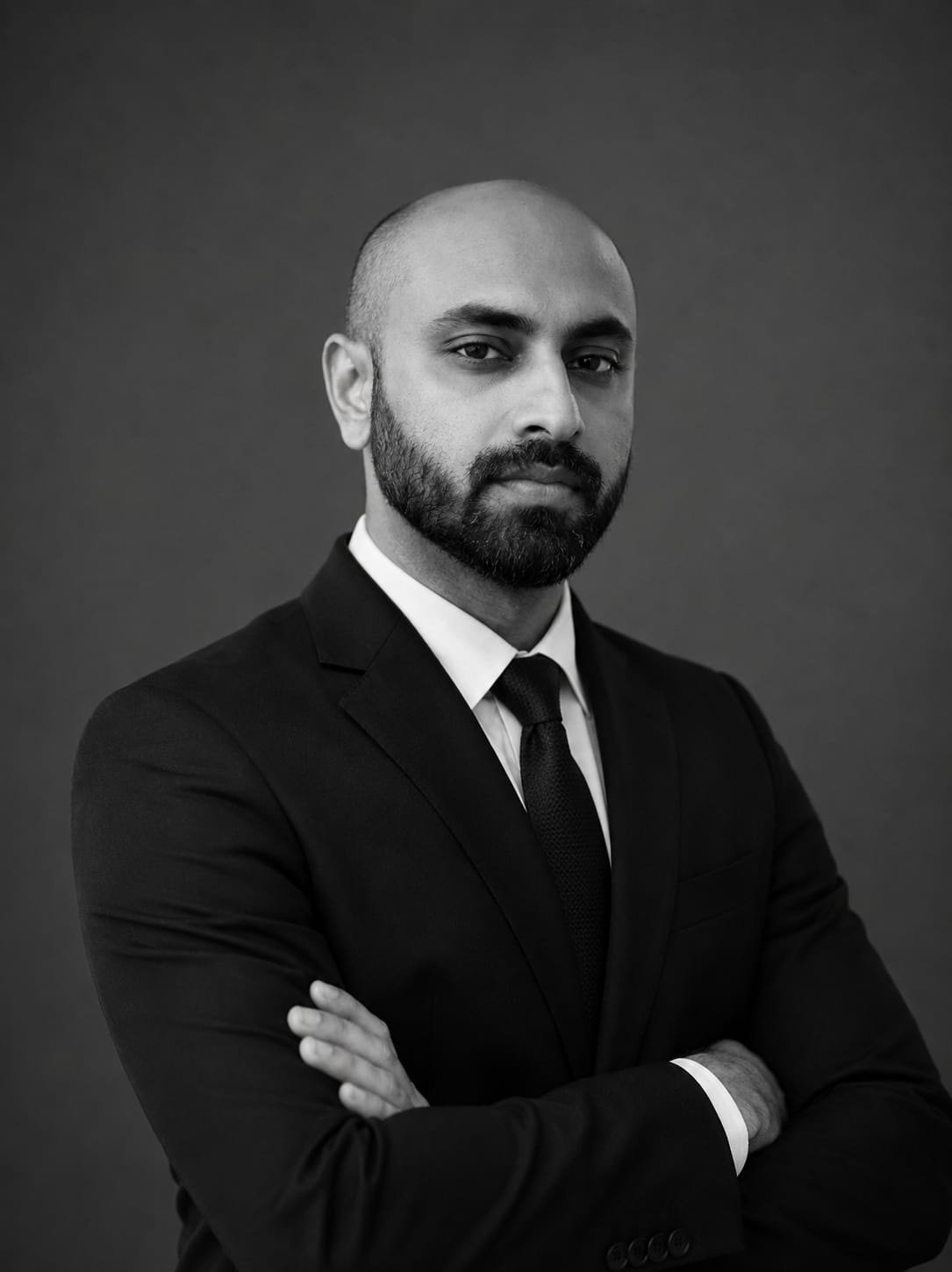
About the Author
Arfan Shariff is the Co-Founder and Head of Operations at Zawjaan, overseeing platform operations, public relations and strategic partnerships. Drawing on his experience in community engagement, Arfan helps shape Zawjaan's trusted, faith-centred and user-focused approach to Muslim matchmaking, promoting compatibility, authenticity and meaningful lifelong marriages.