


Meet Tabuk Muslim Men Online
Online platforms have become a valuable resource for meeting Tabuk Muslim men. Many local singles use respected Muslim matrimonial apps and websites that emphasise halal intentions. When creating a profile, be clear about your religious commitment and family values. Look for men who highlight their practice of daily prayers and involvement in the mosque community. In Tabuk, where formal dating is limited, online spaces offer a respectful way to interact initially, always maintaining appropriate boundaries and involving family early in the process.
Tabuk Muslim Men for Marriage
Marriage in Tabuk holds deep significance, seen as a completion of faith and a union of families. For Muslim men in Saudi Arabia, marriage signifies responsibility and commitment. The process often begins with a formal proposal, followed by family negotiations and a Nikah ceremony. It is common for couples to meet only in the presence of a mahram or in public settings. Understanding these cultural and religious expectations is crucial for a Muslim woman seeking a compatible partner in Tabuk.
Halal Dating with Tabuk Muslim Men
Halal dating in Tabuk is grounded in Islamic principles, focusing on purposeful interaction with the intention of marriage. This approach involves chaperoned meetings, limited physical contact, and open communication about values and goals. For Tabuk Muslim men, halal dating is a recent concept, but many now use structured methods, such as involving a chaperone like a brother or father, and meeting in public places like coffee shops. The key is to ensure the relationship progresses towards marriage, not just casual companionship.
Islamic Nikah in Tabuk
The Nikah, or Islamic marriage contract, is the central legal and spiritual ceremony in Tabuk. It requires the consent of both parties, the agreement of the bride's guardian, and at least two male Muslim witnesses, or one male and two female witnesses. In Saudi Arabia, the Nikah is often conducted at a local court or a mosque, such as the Tabuk Grand Mosque. Many couples also have a separate civil registration process. Muslim men in Tabuk typically arrange the Nikah after the engagement period, and it is a joyous occasion marked by family gatherings.
Halal Chat with Tabuk Muslim Men
Halal chat refers to respectful, purposeful conversations between potential spouses that adhere to Islamic guidelines. In Tabuk, where face-to-face meetings may be limited, many Muslim men and women engage in text or phone chats with the involvement of a mahram or guardian. Topics should revolve around serious matters: religious practice, family expectations, and life goals. Avoid flirtatious or frivolous conversation. This form of communication allows both parties to assess compatibility while maintaining modesty and respect.
Tabuk Muslim Singles and Community Networks
Tabuk has a growing community of Muslim singles, including both Saudis and expatriates. Mosques, Islamic centres, and community events offer opportunities for introductions, though often indirect. Many families in Tabuk still prefer traditional matchmaking, where relatives and respected community members suggest suitable partners. For a Muslim woman, building a network within the local community, such as through Qur'an study circles or charity work, can naturally lead to meeting eligible Muslim men seeking marriage.
Marriage Proposals and Khitbah in Tabuk
In Tabuk, the proposal, or Khitbah, is a formal step that follows an initial interest. It involves the man's family approaching the woman's family to express the intention of marriage. This is often done with a gift, such as dates or sweets, and is a sign of seriousness. For Muslim men, the proposal is a declaration of their commitment. After acceptance, the couple is officially engaged, and discussions about the mahr (dowry) and wedding date begin. This tradition reinforces the importance of family involvement.
Physical Appearance of Tabuk Muslim Men
When considering appearance in a potential husband, look beyond height to his grooming and dress, as these reflect his self-respect and religiosity. In Tabuk, men often wear the traditional thobe and ghutra, signifying their cultural and Islamic identity. A clean, neat appearance suggests a person who takes care of himself, which is often a good indicator of his ability to care for a family. Remember that beauty is relative and depends on personal preferences. Focus on what you truly want in a partner rather than societal standards.
Skin, Hair and Eye Colour
In the multicultural society of Saudi Arabia, skin, hair, and eye colour vary widely among Tabuk Muslim men. Some are fair-skinned with light eyes, while others have darker complexions, reflecting diverse ancestries from Arab, African, or Asian backgrounds. Hair can range from black to brown, often dark and wavy. Physical appearance is less important than character in Islamic marriage, but feeling an attraction is still valuable. Keep an open mind and consider the whole person.
Occupation and Profession
Tabuk offers diverse employment opportunities, and a man's occupation often indicates his stability and ambition. Many Muslim men work in the public sector, including education and healthcare, while others are employed in the growing tourism industry or the oil and gas sector. Some are entrepreneurs. Understanding his job gives insight into his daily routine and potential for supporting a family. For a Muslim woman, a compatible occupation should be seen as a sign of responsibility, not just income.
Height
Physical height can be a consideration for some women, but it is a minor factor. In Tabuk, male heights vary, with an average around 5 feet 9 inches or approximately 175 centimetres. This reference point is common, but many men are shorter or taller. Focus on his overall demeanour and confidence rather than a specific measurement. Compatibility in height is less important than emotional and spiritual connection.
Ethnicity and Nationality
Tabuk Muslim men come from a rich tapestry of ethnic backgrounds. The majority are Saudi nationals with deep Bedouin or tribal roots, while others are expatriates from Egypt, Sudan, Jordan, Syria, and Pakistan. This diversity enriches the community and offers options for those who prefer a certain cultural heritage. When considering a partner, be open to learning about his ethnic traditions, as they will influence your married life together. Respect for your own cultural values is equally important.
Compatibility with Tabuk Muslim Men
Compatibility is the cornerstone of a successful Islamic marriage. It goes beyond surface-level similarities and touches on shared values, goals, and lifestyles. For Tabuk Muslim men, compatibility often means alignment in religious practice, family orientation, and cultural expectations. Taking time to discuss these aspects helps ensure that the two of you build a strong, lasting foundation.
Religious Alignment
In Tabuk, religious practice is central to daily life. For Muslim men, this includes performing the five daily prayers, fasting in Ramadan, and giving Zakat. When considering a Muslim man, his level of religious commitment is crucial. Discuss how you both observe Islamic principles in daily life, such as prayer habits and avoidance of forbidden practices. Alignment here fosters a harmonious home where faith is shared and nurtured.
Cultural Compatibility
Cultural compatibility in Tabuk involves understanding tribal customs, family loyalty, and hospitality. Many Muslim men are deeply connected to their families and expect a wife who respects their traditions. Share your own cultural expectations openly. For example, discuss how you will handle festivals, extended family visits, and gender roles. Finding a balance between cultural identity and Islamic practice is key to a happy marriage.
Local Muslim Culture
Tabuk's local Muslim culture is conservative yet welcoming. Men are expected to be providers and protectors, while women are often homemakers, but this is evolving. Community life revolves around the mosque, family gatherings, and religious holidays. A Muslim woman should appreciate this environment and consider how she engages in social activities, often through women-centric groups. Understanding these nuances helps in building relationships with Tabuk Muslim men.
Ideological Viewpoints
Muslim men in Tabuk may follow various Islamic schools of thought, but most adhere to Sunni Islam, particularly the Hanbali or Salafi influence common in Saudi Arabia. Some may have more moderate or liberal views on certain social issues. Discussing your religious viewpoints allows you to gauge if you agree on matters such as music, media, and the role of women in society. Respectful dialogue is essential to avoid future conflicts.
Lifestyle Compatibility
Lifestyle compatibility involves matching daily routines, interests, and personal habits. A Tabuk Muslim man may enjoy spending time with family, attending mosque, and outdoor activities such as camping in the desert or visiting the Red Sea coast. Consider your own preferences: are you extroverted or introverted? How do you handle finances? These practical aspects are just as important as spiritual alignment.
Family Expectations
Family plays an integral role in marriages in Tabuk. Muslim men are often expected to support their elderly parents and maintain close ties with siblings. A wife must navigate these expectations while also cultivating her own family unit. Discuss how often you will visit relatives, how decisions are made, and the involvement of in-laws. Clear communication prevents misunderstandings and builds mutual respect.
Marriage Goals
Muslim men in Tabuk typically desire a lifelong marriage that brings them closer to Allah. They seek a wife who is a partner in raising children with Islamic values, maintaining a loving home, and supporting each other's spiritual growth. Discuss your shared goals, such as the number of children, their education, and whether you plan to live in Tabuk or elsewhere. Aligning on these dreams ensures a unified path.
Relationship Expectations
In a Tabuk marriage, expectations often include mutual respect, good communication, and fulfilling each other's emotional needs. Muslim men may expect their wives to be supportive and affectionate, while women might expect their husbands to be leaders and providers. Every relationship is unique, so it's important to articulate your own needs and listen to his. A successful marriage is built on teamwork and empathy.
How to Find Muslim Men in Tabuk
To meet Tabuk Muslim men, start by strengthening your own network through mosque events, family connections, and word of mouth. Consider using reputable Muslim matrimonial platforms that cater to Saudi Arabia. When you meet a potential partner, involve a mahram early and arrange meetings in public spaces. Be patient and pray for guidance, and trust that Allah will lead you to the right person.
1. Create a clear marriage profile
Phase 1: Profile CreationCreate a profile that highlights your religious practice, values, and desire for marriage. Mention your family's role and be honest about your lifestyle.
2. Search locally and realistically
Phase 2: Local DiscoveryUse search filters on matrimonial sites to focus on Tabuk, Saudi Arabia. Look for men who indicate serious intentions and have verified profiles.
3. Begin respectful halal chat
Phase 3: Compatibility ScreeningEngage in halal chat by keeping conversations purposeful and modest. Use text messaging or phone calls with a family member present or informed.
4. Arrange a public meeting
Phase 4: Face-to-Face CourtshipWhen you feel comfortable, arrange a chaperoned meeting at a public place like a coffee shop or restaurant. Keep the first meeting brief and focused.
5. Introduce both families
Phase 5: Family MeetingIf both families agree, have the man's family formally visit yours. This is a serious step that opens the way for engagement.
6. Prepare the legal documentation
Phase 6: Legal DocumentationIn Saudi Arabia, couples must undergo civil registration at a local court after the Nikah. Prepare necessary documents such as passports and legal certificates.
7. Complete the Islamic Nikah
Phase 7: Marriage ContractThe Nikah is performed at a court or mosque, requiring a wali and witnesses. It is a simple but sacred ceremony that legally unites you in marriage.
Frequently Asked Questions
What qualities do Tabuk Muslim men typically look for in a wife?
Many Tabuk Muslim men seek a wife who is religiously committed, family-oriented, and respectful. They value modesty and someone who can manage a household effectively. However, individual preferences vary, so open communication is key.
How can Muslim women meet Muslim men in Tabuk for marriage without compromising halal principles?
Utilise Islamic matrimonial platforms and involve a mahram in initial interactions. Attend community events where families are present, such as mosque lectures or weddings, and ask for introductions through trusted relatives.
Is it acceptable for Muslim men in Tabuk to marry a foreign woman?
Yes, many Tabuk Muslim men marry women from other countries. They must follow Saudi legal procedures and obtain necessary approvals. Intercultural marriages can succeed if both partners respect each other's backgrounds.
What role do families play in the marriage process for Muslim men in Tabuk?
Families are central. Muslim men often seek approval from their parents and expect the wife to integrate into their extended family. The proposal and Nikah involve both families, ensuring collective support.
What are the legal requirements for a Muslim man to marry in Tabuk, Saudi Arabia?
For Saudi citizens, a court marriage is required, with documents like ID and proof of no impediment. Foreign men need a certified residency permit and approvals from the Ministry of Interior. A Nikah conducted at a court is legally binding.
About the Author
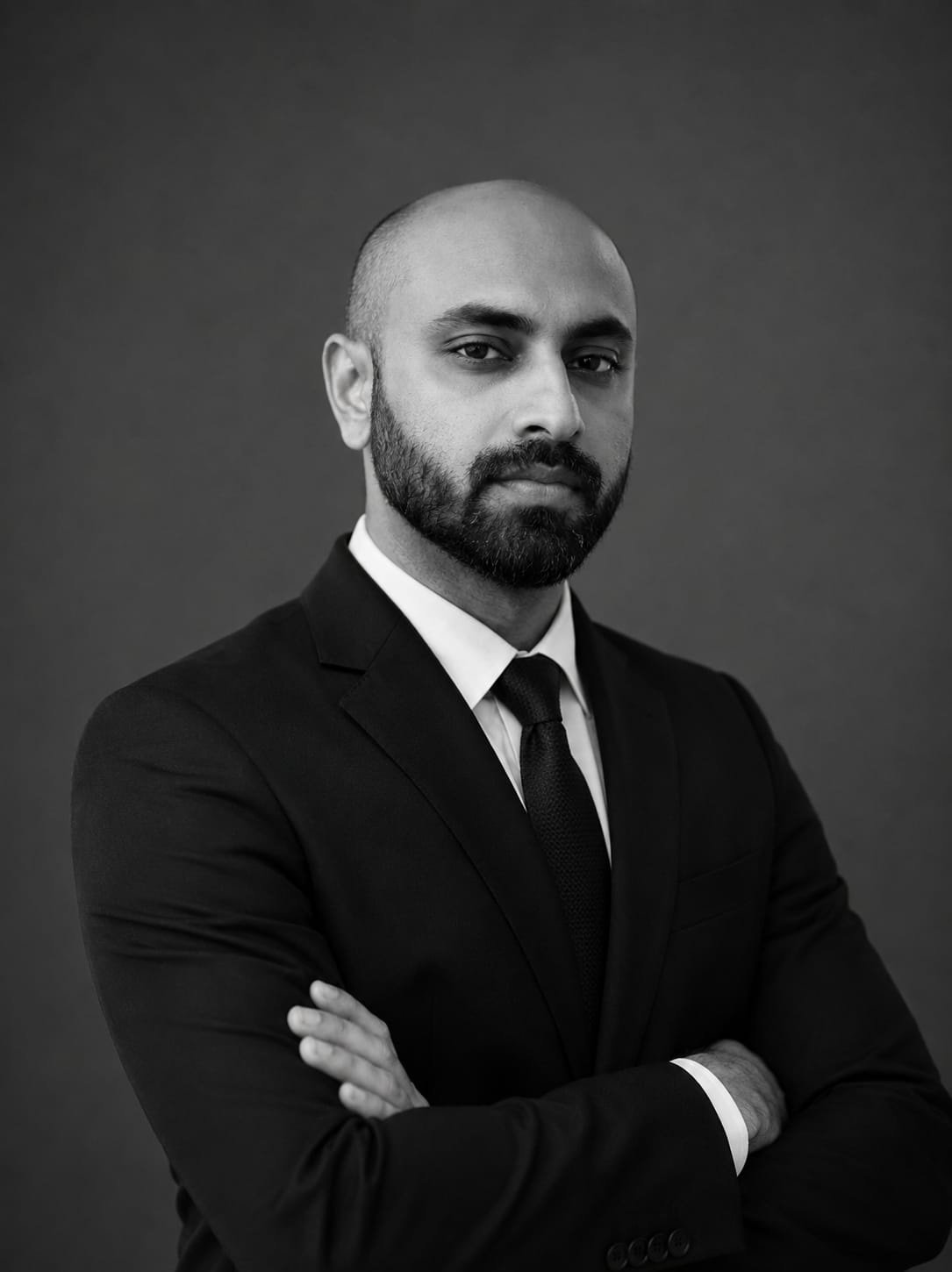
Arfan Shariff is the Co-Founder and Head of Operations at Zawjaan, overseeing platform operations, public relations and strategic partnerships. Drawing on his experience in community engagement, Arfan helps shape Zawjaan's trusted, faith-centred and user-focused approach to Muslim matchmaking, promoting compatibility, authenticity and meaningful lifelong marriages.