


Meet Seeb Muslim Men Online
Meeting Muslim men in Seeb online is a practical first step. Many local singles use reputable matrimonial websites that emphasise Islamic principles. Platforms like Zawjaan allow you to filter for religious practice and family background, ensuring your search aligns with your values. Online interactions can be conducted respectfully, with modesty maintained from the start. For Seeb Muslim men, online matchmaking is increasingly accepted as a halal way to meet prospective wives, especially for those with busy professional lives. This method complements traditional introductions and broadens your reach beyond local neighbourhoods.
Seeb Muslim Men for Marriage
Marriage in Seeb, as across Oman, is viewed as a sacred bond that unites two families. For Muslim men, marriage signifies responsibility, companionship, and spiritual growth. Local customs place great importance on family approval, and men often involve their parents early in the process. The Nikah is a legal requirement, followed by a walima reception. Couples are expected to establish a home together, with some choosing to live in Seeb while others move to nearby Muscat. Understanding these expectations helps Muslim women approach marriage talks with clarity and mutual respect.
Halal Dating with Seeb Muslim Men
Halal dating in Seeb involves chaperoned meetings and upright intentions. Muslim men seeking marriage appreciate women who respect boundaries, such as avoiding seclusion and keeping conversations modest. Public places like cafes or seaside promenades along the Seeb Corniche are popular for initial meetings. These interactions aim to assess compatibility without crossing Islamic guidelines. For Muslim women, it is important to communicate your own boundaries from the start. When both parties prioritise faith, halal dating becomes a meaningful pathway to a blessed union.
Islamic Nikah in Seeb
The Islamic Nikah ceremony is the cornerstone of marriage in Seeb. It is a straightforward contractual agreement, typically conducted at a mosque, at home, or at a dedicated hall. Local imams, such as those at the Sultan Qaboos Grand Mosque in nearby Muscat, can officiate. In Oman, Nikah registration includes a marriage certificate through the courts. Muslim men value brides who understand the spiritual significance of this covenant. Couples often complete the Nikah before a public walima, allowing for a private commitment followed by community celebration.
Halal Chat with Seeb Muslim Men
Halal chat is a key feature of online matchmaking for Seeb Muslim men. Such conversations should be purposeful, focusing on topics like religious values, family plans, and lifestyle expectations. Avoid idle or overly informal talk, as respect is crucial. Video calls allow you to see each other while maintaining modesty, and you can involve a family member if needed. For Muslim women, halal chat offers a safe space to gauge a man's character before meeting in person. Seeb men appreciate women who engage intelligently and genuinely, signalling sincerity in the search for marriage.
Seeb Muslim Singles and Community Networks
Muslim singles in Seeb come from diverse backgrounds, including Omani nationals and expatriates from South Asia, Egypt, and other Arab nations. Many are professionals in the oil and gas sector, retail, or public services. Mosques like the Seeb Grand Mosque host community events, while cultural gatherings during Ramadan and Eid provide social opportunities. For Muslim women, these settings offer a taste of the local Muslim community. However, matchmaking remains discreet, with many men relying on family introductions. Online platforms are increasingly bridging this gap, offering a balanced approach for those seeking marriage.
Marriage Proposals and Khitbah in Seeb
When a Seeb Muslim man decides to propose, the process is often formal and family-centric. He may approach your family directly or through a representative. The Khitbah is a clear declaration of intent, and both families discuss details like mahr and wedding logistics. Muslim women should expect this step to be structured, with men demonstrating seriousness about commitment. In Seeb, proposals often involve a simple engagement ceremony followed by the Nikah. This traditional approach reassures many women of the man's dedication and the families' support.
Physical Appearance of Seeb Muslim Men
Physical appearance matters in any relationship, but personality and faith are equally important. Seeb men often value modesty in dress and grooming, reflecting Omani culture. A neat appearance, good posture, and a clean beard are common preferences. Remember that beauty is relative and depends on personal preferences. Focus on what you truly want in a partner rather than societal standards.
Skin, Hair and Eye Colour
Skin, hair, and eye colour are often less critical than overall harmony. In Seeb, men range from fair to dark, with hair colours from black to light brown. Eye colours vary, though brown predominates. These traits are a matter of individual preference, and many Muslim women prioritise character over physical features. It is helpful to consider the full picture rather than focusing on one attribute, as a lasting marriage depends on deeper connections.
Occupation and Profession
Seeb Muslim men work in diverse fields. The oil and gas industry is a significant employer, alongside engineering, healthcare, and education. Many are employed in the public sector, such as the Royal Oman Police or the military, offering financial stability. Professional women seeking a partner may find common ground with men who value ambition and responsibility. However, a man's profession should not be the sole measure of his suitability; his dedication to family and faith matters more.
Height
Height preferences vary, but average male heights in Oman range around 5 feet 9 inches or approximately 175 centimetres. Some women prefer taller men, while others do not mind. In Seeb, you will find men of all heights, and it is wise to keep an open mind. A few centimetres should not override compatibility in values and marital goals.
Ethnicity and Nationality
Seeb's Muslim community is a mosaic of cultures. Omani men, with their distinct traditional attire, are prominent, but you will also meet men of Baluchi, Swahili, and Indian descent. Each brings unique customs and languages, often adding richness to married life. Muslim women may choose to marry within their own ethnicity or across cultures, and Seeb men are generally open to diverse backgrounds. Mutual respect and shared Islamic values are the ground for a successful union.
Compatibility with Seeb Muslim Men
Compatibility in marriage stems from shared beliefs, lifestyle, and aspirations. Seeb Muslim men value a partner who understands their journey and supports their goals. Beyond initial attraction, long-term harmony requires similar approaches to faith, family, and daily life. Use these factors as a guide when evaluating a potential match.
Religious Alignment
Religious alignment is a priority for many Seeb Muslim men. Observance levels vary, but a shared commitment to daily prayers and Islamic values is often non-negotiable. Some men prefer a woman who has studied Quran, while others are content with basic practice. Discussing salat and Ramazan expectations early helps prevent misunderstandings. Muslim women should seek a man whose religiosity matches their own, ensuring a spiritually compatible union.
Cultural Compatibility
Cultural compatibility involves more than language or dress. In Seeb, family ties are strong, and women may be expected to integrate into close-knit communities. Men of Omani heritage might have specific customs, such as attending weekly gatherings or adhering to tribal protocols. Expatriate men may offer a different blend of expectations. Muslim women should assess how their own cultural traditions align and be open to learning new ones while preserving their identity.
Local Muslim Culture
Seeb's local Muslim culture is influenced by Omani traditions and Ibadhi Islam, the dominant sect in Oman. Men are often polite and family-oriented, with a strong sense of community. Hospitality is a key trait, and guests are treated with great respect. Women may find that men expect wives to maintain strong family ties and participate in social rituals. Understanding these cultural nuances helps Muslim women navigate relationships in Seeb with confidence.
Ideological Viewpoints
Ideological viewpoints on Islamic practice can differ. Seeb Muslim men may follow Salafi influences, Sufi traditions, or mainstream Ibadhi thought. Political and social views also vary. While these differences may not impede marriage, they can affect daily life. Muslim women should engage in respectful conversations to understand a man's perspective on women's roles, education, and community involvement, ensuring mutual understanding.
Lifestyle Compatibility
Lifestyle compatibility includes daily routines, leisure activities, and home life. Seeb men may enjoy Friday beach gatherings, attending mosque, or spending time with extended family. Some prefer a simple indoor life, while others enjoy outdoor adventures in the nearby mountains. For Muslim women, it is important to find a man who respects your need for personal space and shares your pace. Open discussions about socialising, travel, and household roles can reveal alignment.
Family Expectations
Family expectations in Seeb are significant. Muslim men often prioritise a wife who respects his parents and maintains close ties. Some may expect the wife to live with in-laws, at least initially, while others prefer a separate home. Communication about these expectations is vital before marriage. Muslim women should ask about family dynamics early, ensuring they are comfortable with the potential arrangement and the level of involvement from both families.
Marriage Goals
Marriage goals for Seeb Muslim men often include raising children with solid Islamic values, achieving financial security, and providing for the family. Many aspire to build a loving, stable home. Some men may also wish to pursue further education or career advancement, expecting their wives to support these ambitions. Muslim women should align their own goals, such as career and family planning, with those of their prospective partner to forge a unified path.
Relationship Expectations
Relationship expectations vary, but Seeb men generally desire a partnership based on respect, trust, and affection. They may expect wives to be supportive and considerate, with clear roles defined. Romantic gestures might be present, but love often grows over time. Muslim women should discuss how they handle conflict, finances, and social obligations. Setting expectations early, including intimacy and parenting, helps build a strong foundation for marriage.
How to Find Muslim Men in Seeb
To find Muslim men in Seeb, begin with pre-marital counselling at local pillars like the Family Development Foundation. Attend community events at mosques, such as Quran classes, and consider using online platforms like Zawjaan, which cater to serious intentions. Patience and du'a are essential. These methods, used together, increase your chances of meeting a man who is ready for marriage.
1. Create a clear marriage profile
Phase 1: Profile CreationCreate a profile on Zawjaan with clear photos and a detailed bio describing your values and what you seek in a husband.
2. Search locally and realistically
Phase 2: Local DiscoveryUse filters to search for Muslim men in Seeb and nearby areas, narrowing results by religious practice, age, and profession.
3. Begin respectful halal chat
Phase 3: Compatibility ScreeningStart halal chat with potential matches, keeping conversations respectful and focused on getting to know each other within Islamic boundaries.
4. Arrange a public meeting
Phase 4: Face-to-Face CourtshipWhen ready, arrange a public meeting at a halal venue like a cafe, ensuring a chaperone if needed.
5. Introduce both families
Phase 5: Family MeetingIf the connection flourishes, introduce the man to your family, involving them in the process as per tradition.
6. Prepare the legal documentation
Phase 6: Legal DocumentationBefore the Nikah, complete any civil requirements in Oman, such as legal documentation and counselling, as advised by local authorities.
7. Complete the Islamic Nikah
Phase 7: Marriage ContractFinalise the marriage with an Islamic Nikah ceremony officiated by a trusted imam, followed by a walima to celebrate the union.
Frequently Asked Questions
How can Muslim women identify serious Muslim men in Seeb?
Look for signs of genuine intent, such as involving family early and prioritising religious values. Zawjaan profiles that include detailed information and are verified can be a good starting point.
What qualities do Seeb Muslim men typically look for in a wife?
Many value faith, modesty, a supportive nature, and a willingness to build a family. Cultural compatibility and respect for upbringing also matter.
Is it acceptable for Muslim men in Seeb to use online matchmaking?
Yes, online platforms are becoming more popular, offering a halal way to meet. Many men appreciate the privacy and the ability to specify preferences.
How important is family involvement for Seeb Muslim grooms?
Family approval is crucial. Grooms often bring their families into the process at an early stage, expecting the same from the bride's side.
What is the typical timeline from first meeting to Nikah for Muslim men in Seeb?
It can range from a few months to over a year. Couples take time to assess compatibility, involve families, and arrange the Nikah, depending on circumstances.
About the Author
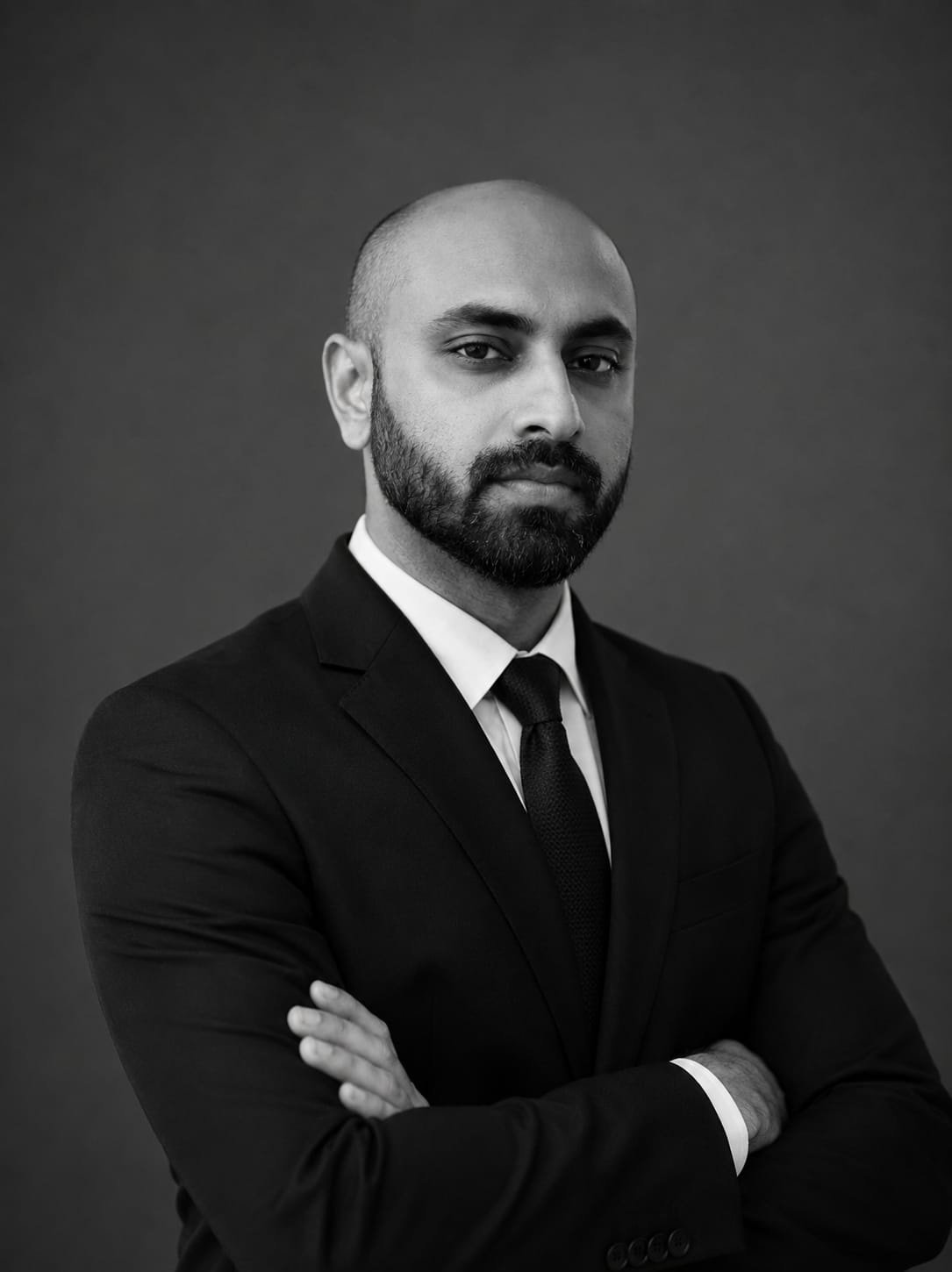
Arfan Shariff is the Co-Founder and Head of Operations at Zawjaan, overseeing platform operations, public relations and strategic partnerships. Drawing on his experience in community engagement, Arfan helps shape Zawjaan's trusted, faith-centred and user-focused approach to Muslim matchmaking, promoting compatibility, authenticity and meaningful lifelong marriages.