

Meet Kebbi Muslim Men Online
For Kebbi Muslim men, online platforms offer a practical way to connect with potential spouses while respecting Islamic boundaries. Many men in the state are open to using marriage websites and apps, especially those that emphasize seriousness and family involvement. When creating a profile, be clear about your intentions and what you seek in a partner. Look for members who are honest about their religious practices and family expectations. Online discovery allows you to interact with men from different parts of Nigeria, including urban centers and rural areas, expanding your options beyond your immediate community.
Kebbi Muslim Men for Marriage
Marriage in Kebbi is a sacred bond, deeply woven into the social and religious fabric. For Muslim men, marriage is seen as fulfilling half of their faith, and families play a central role in the process. The expectations often include mutual respect, religious commitment, and the ability to provide for a family. Many men in Kebbi look for wives who are supportive and share their values. Understanding these cultural and religious norms is essential for any woman considering marriage with a Kebbi Muslim man, as it ensures a harmonious start to a lifelong partnership.
Halal Dating with Kebbi Muslim Men
Halal dating, in the context of Islam, involves getting to know a potential spouse with the involvement of family or a guardian and observing Islamic guidelines. In Kebbi, this is often done through supervised meetings, phone conversations, or messaging through a halal platform. The goal is to assess compatibility without crossing boundaries. Men from Kebbi typically respect this process, and they appreciate women who are serious about finding a spouse rather than casual relationships. Keeping conversations respectful and focused on important topics like faith, career, and family helps build a strong foundation.
Islamic Nikah in Kebbi
The Islamic Nikah is the formal marriage contract in Islam, and in Kebbi, it is conducted in accordance with the Maliki school of thought, which is prevalent in the region. The Nikah requires the consent of the bride and groom, two male witnesses, and a mahr (dower) given by the groom to the bride. Local imams or clerics often officiate the ceremony, which is typically held at a mosque or the bride’s home. For Muslim men in Kebbi, the Nikah is not just a legal contract but a religious obligation that binds the couple under Allah’s laws.
Halal Chat with Kebbi Muslim Men
Halal chat refers to communication between a man and a woman who are not married, conducted in a respectful and modest manner, often with a third party present or through monitored platforms. For Kebbi Muslim men, this means keeping conversations free from flirtation, obscenity, and inappropriate topics. Instead, the chat should focus on getting to know each other’s character, religious practices, and life goals. Many men in Kebbi prefer platforms that offer safe communication features, such as video calls with chaperones, to ensure the interaction remains halal.
Kebbi Muslim Singles and Community Networks
There are many Muslim singles in Kebbi, both men and women, who are actively seeking marriage. The community is tight-knit, and social events, such as Islamic lectures and weddings, provide opportunities to meet. However, not everyone is comfortable with traditional matchmaking, so online platforms have become increasingly popular. Kebbi Muslim men, in particular, are known for their dedication to family and faith, making them desirable partners. Women looking for serious marriage would find many eligible men who are ready to settle down and build a family.
Marriage Proposals and Khitbah in Kebbi
The proposal, or Khitbah, is a formal request for marriage made by a man or his family to the woman’s family. In Kebbi, this is a significant step that involves both families. The man’s family may visit the woman’s family to express their interest, often bringing gifts. The proposal is usually followed by discussions about mahr, wedding plans, and living arrangements. For Kebbi Muslim men, making a proposal is a serious commitment, and they typically involve their parents and elders. Women should respond with respect and involve their families in the decision-making process.
Physical Appearance of Kebbi Muslim Men
When considering Kebbi Muslim men, you might have preferences about their appearance. The way a man presents himself often reflects his upbringing and respect for Islamic etiquette. Cleanliness and modest dress are important in the culture. For example, many men wear traditional attire such as the kaftan or jalabiya. Remember that beauty is relative and depends on personal preferences. Focus on what you truly want in a partner rather than societal standards.
Skin, Hair and Eye Colour
Skin, hair, and eye colour are secondary factors when seeking a spouse in Islam. In Kebbi, as in many parts of Nigeria, there is a wide range of skin tones, hair textures, and eye colours among Muslim men. Some women prefer certain features, but it is important to remember that these are superficial. What matters more is the man’s character, faith, and ability to be a good husband. When you meet someone online, the initial attraction might be based on photos, but a deeper connection comes from shared values and mutual respect.
Occupation and Profession
Kebbi is an agricultural state, and many Muslim men are farmers, traders, or civil servants. Agriculture, particularly rice, maize, and sugarcane farming, is a major occupation. Others work in education, healthcare, or public administration. When considering occupation, think about the man’s ability to provide for a family and his job stability. It is also important to respect his profession and understand that his work might influence his lifestyle. For example, a farmer might have seasonal work patterns, while a civil servant might have a more predictable schedule.
Height
Height is a personal preference, and it varies from woman to woman. Research suggests that some women prefer men who are taller than they are. In Kebbi, the average height for men is around 5 feet 9 inches or approximately 175 centimetres, but you will find men of all heights. When you meet a man online, you can ask about his height to ensure compatibility. However, remember that height is just one aspect of a person, and it should not overshadow more important qualities like faith and character.
Ethnicity and Nationality
Kebbi is predominantly Hausa and Fulani, with the Hausa language widely spoken. However, the state also has communities of Zabarma, different groups, and other ethnicities. Muslim men from Kebbi come from diverse backgrounds, and you might find men with roots in other parts of Nigeria. When considering ethnicity, think about language and cultural practices that you are comfortable with. Many families in Kebbi are accustomed to inter-ethnic marriages, especially when both partners share the Islamic faith. Being open to different ethnicities can expand your options and lead to a fulfilling marriage.
Compatibility with Kebbi Muslim Men
Compatibility is a cornerstone of a successful marriage. In the context of Kabbi Muslim men, compatibility goes beyond superficial traits. It involves shared religious values, lifestyle expectations, and family goals. When engaging with a potential spouse, discuss these aspects openly to ensure you are on the same page. A strong compatibility foundation helps couples navigate challenges together and build a lasting relationship.
Religious Alignment
Religious alignment is crucial when choosing a spouse. In Kabbi, most Muslim men are Sunni, following the Maliki school of thought. It is important to discuss your religious practices, such as daily prayers, observance of fasting, and involvement in the community. Some families are more traditional, while others have modern views. Aligning your religious expectations will help you both feel comfortable with each other’s level of devotion.
Cultural Compatibility
Cultural compatibility involves understanding and respecting each other’s customs and traditions. In Kabbi, the Hausa and Fulani cultures are rich with ceremonies and etiquette. You might be expected to participate in family gatherings, wear modest clothing, and observe local customs. Discuss how you envision celebrating festivals like Eid and how you will integrate into each other’s cultural spheres. Finding a middle ground that honors both backgrounds is key.
Local Muslim Culture
The local Muslim culture in Kabbi is deeply influenced by the Qadiriyya and Tijaniyya Sufi orders, which emphasize spiritual discipline and community. Mosques are central to social life, and many men are involved in Islamic education or their work. Understanding the local Muslim culture helps you appreciate the man’s daily routines and priorities. For example, attendance at Friday prayers is highly valued. Be aware that some men may spend significant time on religious activities.
Ideological Viewpoints
While most Kabbi Muslim men are Sunni, there are variations in interpretation and practice. Some may be more strict in adhering to certain rulings, while others are more flexible. It is wise to discuss topics such as marriage roles, family planning, and women’s education to gauge compatibility. These discussions help ensure that your ideological viewpoints are aligned and that you can navigate differences respectfully.
Lifestyle Compatibility
Lifestyle compatibility covers daily habits, social activities, and financial management. Kabbi Muslim men often enjoy simple lifestyles, with many preferring to spend time with family and friends. Some may engage in traditional sports like boxing or wrestling, which are popular in the region. Discuss your sleep schedule, dietary habits, and how you spend your free time. Being compatible in these areas reduces potential conflicts.
Family Expectations
Family is extremely important in Kabbi, and many Muslim men are closely tied to their parents and relatives. When you marry, you may be living with or near extended family. Discuss expectations about living arrangements, financial support for parents, and the role of grandparents in raising children. Understanding each other’s family expectations helps avoid misunderstandings.
Marriage Goals
Shared marriage goals are essential for a harmonious union. Kabbi Muslim men often desire a partner who wants to build a family and raise children in the Islamic faith. Some may also want to start a business or pursue further education. Talk about your career aspirations, whether you want to work or be a homemaker, and your dreams for the future. Aligning on these goals creates a strong partnership.
Relationship Expectations
In a marriage, expectations around love, communication, and affection matter. Kabbi Muslim men may express love in subtle ways, such as providing for their family and showing respect. Discuss how often you expect to communicate, the importance of emotional support, and how you handle disagreements. Setting realistic expectations helps build a trusting relationship.
How to Find Muslim Men in Kebbi
To find Kabbi Muslim men, you can start by joining Zawjaan, where you can specify your location preferences. Additionally, you might ask family, friends, or community elders to help you connect. Online forums and WhatsApp groups that focus on Muslim marriage in Nigeria can also be useful. Be proactive and polite when approaching potential matches.
1. Create a clear marriage profile
Phase 1: Profile CreationWhen creating your profile, be clear about your intentions and sought qualities. Upload recent photos and write a brief bio that highlights your faith and family values.
2. Search locally and realistically
Phase 2: Local DiscoveryUse Zawjaan’s search filters to find Kabbi Muslim men. Narrow your search by location and religious practices to find compatible matches.
3. Begin respectful halal chat
Phase 3: Compatibility ScreeningEngage in halal chat by keeping conversations respectful and focused on getting to know each other’s character. Use platforms that allow chaperone monitoring if needed.
4. Arrange a public meeting
Phase 4: Face-to-Face CourtshipArrange a public meeting in a safe, neutral venue, such as a restaurant or park, and bring a family member or friend to maintain halal boundaries.
5. Introduce both families
Phase 5: Family MeetingIntroduce your potential spouse to your family. This helps build a connection and allows both families to get to know each other.
6. Prepare the legal documentation
Phase 6: Legal DocumentationEnsure that you follow the civil marriage requirements in Nigeria, which include a notice of marriage and a registry ceremony. Gather required documents in advance.
7. Complete the Islamic Nikah
Phase 7: Marriage ContractThe Islamic Nikah involves the formal contract. Coordinate with a local imam to set a date and ensure the presence of two witnesses and the mahr.
Frequently Asked Questions
How can Muslim women find serious Kabbi Muslim men for marriage?
Muslim women can find Kabbi Muslim men through Zawjaan and other halal niche platforms. You can also tap into local mosque networks and family connections in Kabbi, ensuring a serious and faith-based approach.
What characteristics do Kabbi Muslim men typically have in a spouse?
Kabbi Muslim men often seek a spouse who is devoted to Islam, respectful of family values, and committed to building a life in harmony. They appreciate honesty and good character.
How can Muslim women approach the first meeting with a Kabbi Muslim man?
Muslim women should ensure the meeting is chaperoned and in a public place. Keep the conversation halal, discussing topics like faith, career, and family expectations, while avoiding any physical contact.
What are the common challenges when marrying a Kabbi Muslim man?
Challenges may include adapting to local customs, living in extended family setups, and managing long distances if you are from another region. Open communication and mutual respect can help overcome these.
How can Muslim women verify that Kabbi Muslim grooms are serious about marriage?
You can gauge seriousness by observing whether he involves his family, has a clear plan for marriage, and is forthcoming about his deen and livelihood. Taking time to ask questions and seek references is useful.
About the Author
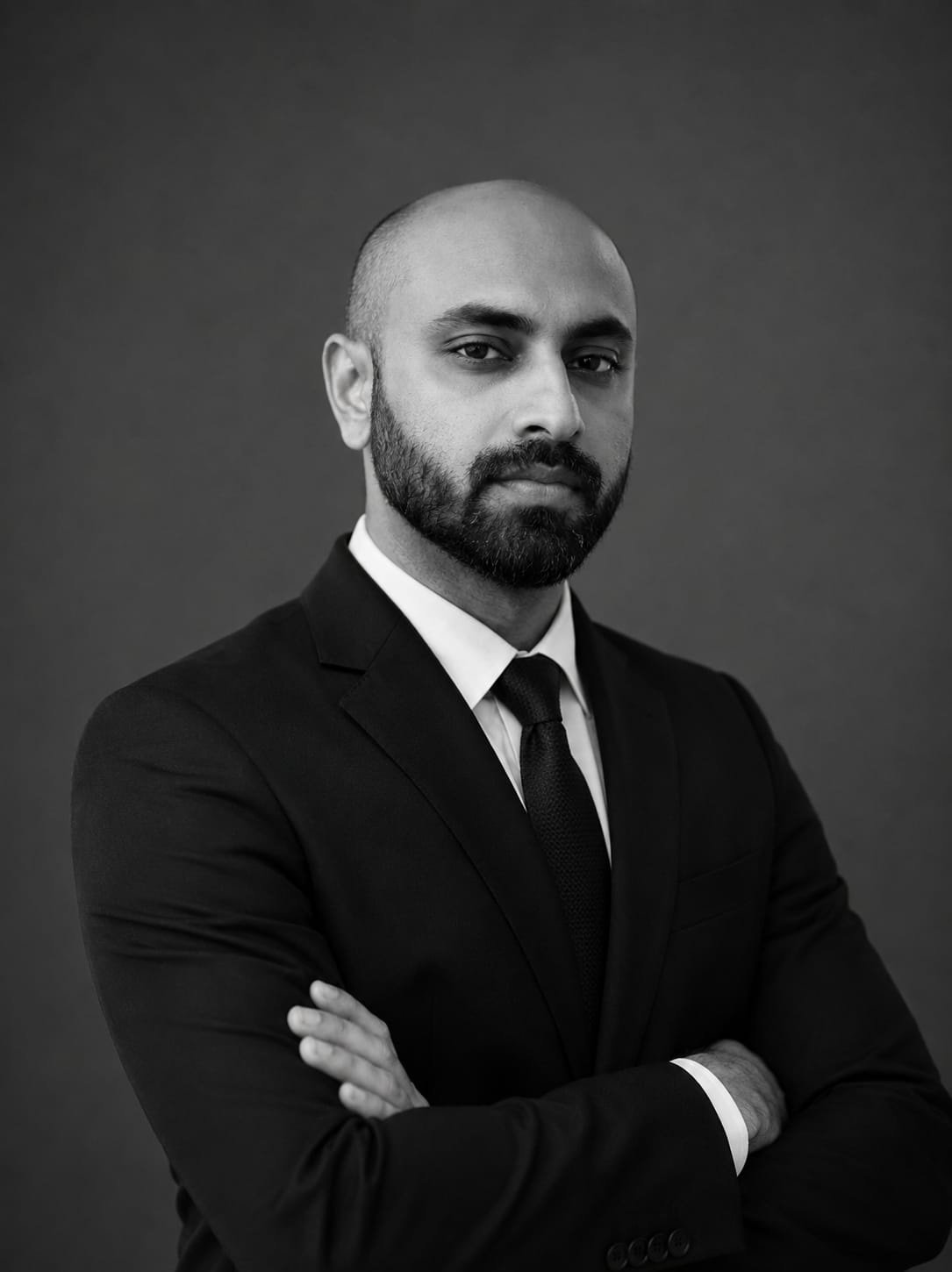
Arfan Shariff is the Co-Founder and Head of Operations at Zawjaan, overseeing platform operations, public relations and strategic partnerships. Drawing on his experience in community engagement, Arfan helps shape Zawjaan’s trusted, faith-centred and user-focused approach to Muslim matchmaking, promoting compatibility, authenticity and meaningful lifelong marriages.