

Meet Zaria Muslim Men Online
Meeting Zaria Muslim men online has become increasingly accepted, especially for women who value discretion and clarity. Platforms like Zawjaan allow you to create a profile that reflects your faith, education, and family background. Many Muslim men in Zaria are professionals or students at institutions like Ahmadu Bello University, and they appreciate direct communication. When messaging, keep conversations respectful and focused on marriage intentions. Use the search filters to narrow down by occupation, education, and religious practice. Remember that online interaction is a first step; the goal is to transition to family involvement and a halal meeting.
Zaria Muslim Men for Marriage
Marriage in Zaria is a sacred bond, deeply rooted in Islamic principles and Hausa traditions. For Muslim women, seeking a husband who is practising and responsible is paramount. Many families in Zaria prefer to be involved early in the process, sometimes through introductions by relatives or respected community members. The city’s Islamic scholars, such as those at the Sultan Bello Mosque, often guide couples in understanding their marital duties. Aim to find a man who shares your commitment to faith and who is willing to work together on building a home. Be open to family input; it can be a source of blessing and support.
Halal Dating with Zaria Muslim Men
Halal dating in Zaria means getting to know a potential husband without compromising Islamic rules. This involves chaperoned meetings, perhaps at a family home or a public place like Murtala Mohammed Square. Keep conversations focused on serious topics: religious practice, career goals, and family plans. Avoid being alone together until after the Nikah. Many couples in Zaria engage in halal dating by involving a mahram in initial meetings. This approach not only pleases Allah but also builds trust between families. Remember, the purpose is to evaluate compatibility for marriage, not casual romance.
Islamic Nikah in Zaria
The Nikah is the cornerstone of marriage in Zaria, and it is performed according to Sunni traditions, often with a local Imam or a scholar. The ceremony requires the consent of the bride and groom, and a mahr (dower) must be agreed upon. For Muslim women, it is important to know your rights during the Nikah, including setting conditions that protect your interests. In Zaria, Nikah ceremonies are typically vibrant, with family and community celebrations. You can arrange your Nikah at a mosque or in the bride’s home. Ensure the necessary documents are prepared, and consult with the Imam about any specific requirements.
Halal Chat with Zaria Muslim Men
Halal chat with Zaria Muslim men should always be respectful and purposeful. Use messaging platforms to exchange ideas about faith, career, and lifestyle. Avoid idle talk or flirtation. Many men in Zaria appreciate a woman who is direct and serious about finding a husband. You can discuss your daily routines, such as attending prayers at a local mosque or volunteering, to gauge shared interests. If a man suggests moving to a private chat or video call, ensure it is done with the intention of exploring marriage and maintain appropriate boundaries. Keep the conversation focused on values and practical aspects of life together.
Zaria Muslim Singles and Community Networks
The Muslim singles scene in Zaria is diverse, with men from various ethnic backgrounds including Hausa, Fulani, and Yoruba. Many are students or professionals in agriculture, education, or technology. To meet Muslim men in Zaria, consider attending Islamic lectures, such as those at the Central Mosque or activities organised by the Muslim Students’ Society. Family connections and community networks are powerful in this city. You can also use online platforms to widen your search while staying within halal boundaries. Be clear about your intentions from the start to avoid misunderstandings and save time.
Marriage Proposals and Khitbah in Zaria
In Zaria, a proposal (khitbah) is a formal step after initial compatibility is confirmed. Typically, the man’s family will approach the woman’s family, either directly or through a representative. For Muslim women, it is wise to have your father or a male guardian handle the negotiations. The proposal process includes discussing the mahr and wedding arrangements. Be prepared to ask questions about his income, living arrangements, and views on polygamy, if relevant. In Zaria, this is usually done with respect and careful consideration. A formal engagement may follow, but the Nikah is the legal and religious commitment.
Physical Appearance of Zaria Muslim Men
When considering Zaria Muslim men for marriage, think about physical features that appeal to you, but also look beyond. A man’s grooming and dress can reflect his faith and values. Many Muslim men in Zaria wear traditional attire, which is often neat and modest. Remember that beauty is relative and depends on personal preferences. Focus on what you truly want in a partner rather than societal standards. A clean appearance indicates self-respect, while extravagance might suggest different priorities.
Skin, Hair and Eye Colour
Zaria is a melting pot of ethnicities, so you will find men with a variety of skin tones, from deep brown to lighter complexions, and eye colours ranging from dark brown to occasional hazel. In Islamic culture, these features are not a measure of worth. Instead, consider what you find attractive and what is socially acceptable in your community. Some families may have preferences, but it is important to remember that character and piety matter more. Be open to different appearances as long as you feel a connection.
Occupation and Profession
Many Muslim men in Zaria are employed in sectors such as education, healthcare, and agriculture. Ahmadu Bello University is a major employer, and many men work there as lecturers or administrators. Others are involved in trade, government jobs, or the growing tech sector. When considering a match, discuss his career stability and how he balances work with religious duties. A man who values his profession yet prioritises his faith is often a good candidate. Do not be too quick to dismiss someone with a modest job if he is hardworking and responsible.
Height
Height can be a matter of preference, and in Zaria, many Muslim men are of average to tall stature. If you have a specific preference, such as 5 feet 9 inches or approximately 175 centimetres, you can mention it politely when discussing compatibility. However, remember that height is just one physical attribute and should not overshadow more important qualities like faith and character.
Ethnicity and Nationality
Zaria is predominantly Hausa and Fulani, but you will also find Yoruba, Igbo, and other ethnic groups who are Muslim. Ethnicity can influence cultural practices, language, and family expectations. Many families in Zaria are open to inter-ethnic marriages, especially if both partners are practising Muslims. Discuss with your potential spouse how you will navigate cultural differences, such as language and traditions. Mutual respect and a shared commitment to Islam are key to a successful marriage across ethnic lines.
Compatibility with Zaria Muslim Men
Compatibility in marriage goes beyond surface-level attractions. It involves shared values, goals, and lifestyles. When assessing Zaria Muslim men, consider their religious dedication, family connections, and life ambitions. A strong compatibility foundation reduces conflict and fosters a lasting union.
Religious Alignment
For a marriage to thrive, both partners should be on the same page regarding religious practice. Ask about his consistency in prayers, fasting, and knowledge of Islamic obligations. In Zaria, you may meet men who are very devoted, while others are more relaxed. Determine if he views Islam as a guide for everyday decisions. A man who prioritises his deen is more likely to lead the household with fairness and compassion.
Cultural Compatibility
Cultural compatibility involves aligning on traditions and social expectations. For instance, a man from a strict Hausa family might expect different family dynamics compared to one from a more liberal background. Discuss how you will celebrate religious holidays, respect elders, and raise children. In Zaria, cultural traditions are intertwined with Islam, so be prepared to participate in festivals like Eid with enthusiasm. Find a balance that honours both backgrounds.
Local Muslim Culture
Zaria’s Muslim culture is visible in the daily call to prayer and the presence of Islamic schools. Men may be involved in community activities, such as attending Jumu’ah at the Central Mosque. Embrace this local culture by attending women’s circles or charity events. Understanding how he engages with the community gives insight into his character. A man who is active in positive community work often brings those values into his home.
Ideological Viewpoints
Within the Muslim community in Zaria, there is a spectrum of ideological leanings, from traditional scholarship to more reformist thought. It is important to know where he stands on issues like women’s roles, education, and modernism. Discuss viewpoints on these matters openly, but avoid heated debates. Shared ideological perspectives can reduce friction in decision-making later.
Lifestyle Compatibility
Lifestyle compatibility covers daily habits, financial management, and recreational activities. Does he prefer a simple life or enjoy modern entertainment? How does he spend his free time? In Zaria, men might enjoy football, reading, or community gatherings. Ensure your expectations align on spending, hospitality, and personal space. A compatible lifestyle makes daily living harmonious.
Family Expectations
Family is central in Zaria, and a man’s expectations from his extended family can affect your marriage. Discuss how often he expects to visit relatives, and how involved his family will be in your home life. Many Muslim brothers in Zaria expect their wives to maintain close ties with in-laws. Set boundaries that respect both families while protecting your new union. Open communication is essential.
Marriage Goals
Consider what you both hope to achieve in marriage. This includes having children, pursuing careers, and growing old together. In Zaria, raising a family in a supportive Islamic environment is a common goal. Ensure his aspirations for parenthood and education of children align with yours. A shared vision is crucial for long-term satisfaction.
Relationship Expectations
Define what you expect from each other in the marriage relationship. This could include communication styles, emotional support, and decision-making processes. In Zaria, some couples prefer the husband to be the primary decision-maker, while others seek a more collaborative approach. Discuss your expectations early to avoid disappointment.
How to Find Muslim Men in Zaria
To find Zaria Muslim men for marriage, start by utilising online platforms like Zawjaan that respect Islamic values. Attend local Islamic events and visit mosques to network with families. Get your family involved in making inquiries through trusted individuals. Be patient and pray Istikhara, then take action when you feel confident.
1. Create a clear marriage profile
Phase 1: Profile CreationCreate a profile that highlights your faith, education, and family values. Include what you seek in a Zaria Muslim man, such as religious commitment and career aspirations.
2. Search locally and realistically
Phase 2: Local DiscoveryUse Zawjaan’s search to filter by location, education, and profession. Look for men in Zaria and surrounding areas like Samaru or Sabon Gari.
3. Begin respectful halal chat
Phase 3: Compatibility ScreeningEngage in halal chat by asking about his Islamic practice and daily life. Keep conversations respectful and avoid unnecessary talk.
4. Arrange a public meeting
Phase 4: Face-to-Face CourtshipArrange a public meeting with a chaperone, perhaps at a café like Hammam Café, to discuss marriage seriously.
5. Introduce both families
Phase 5: Family MeetingOnce both agree, involve your families. Request a formal proposal through your wali, or have his family contact yours directly.
6. Prepare the legal documentation
Phase 6: Legal DocumentationPrepare for civil marriage by visiting the National Population Commission or local registry. Understand legal requirements for marriage in Nigeria.
7. Complete the Islamic Nikah
Phase 7: Marriage ContractSchedule your Nikah at a trusted mosque, such as the Sultan Bello Mosque, and agree on the mahr. Invite your families and witnesses.
Frequently Asked Questions
How can Muslim women meet Zaria Muslim men for marriage in a halal way?
You can meet Zaria Muslim men through family networks, community events at mosques, and reputable online platforms like Zawjaan. Always involve a mahram in initial meetings.
What qualities should Muslim women look for in Zaria Muslim brothera?
Focus on religious dedication, good character, and responsibility. Check if he prays regularly, has a stable job, and respects his family. These are strong indicators of a good husband.
How does the Nikah ceremony work for Muslim grooms in Zaria?
The Nikah is performed by an Imam, requiring consent and a mahr. In Zaria, it often takes place at a mosque or family home, with witnesses and celebrations.
Can Muslim women have a say in choosing their husband in Zaria?
Yes, Islam grants women the right to accept or refuse a proposal. You can discuss your preferences with your wali, and your consent is mandatory for the Nikah.
What types of Muslim men are available in Zaria for marriage?
Zaria has a diverse pool of Muslim men, including university lecturers, traders, and professionals. They come from Hausa, Fulani, and other backgrounds, with various levels of religious practice.
About the Author
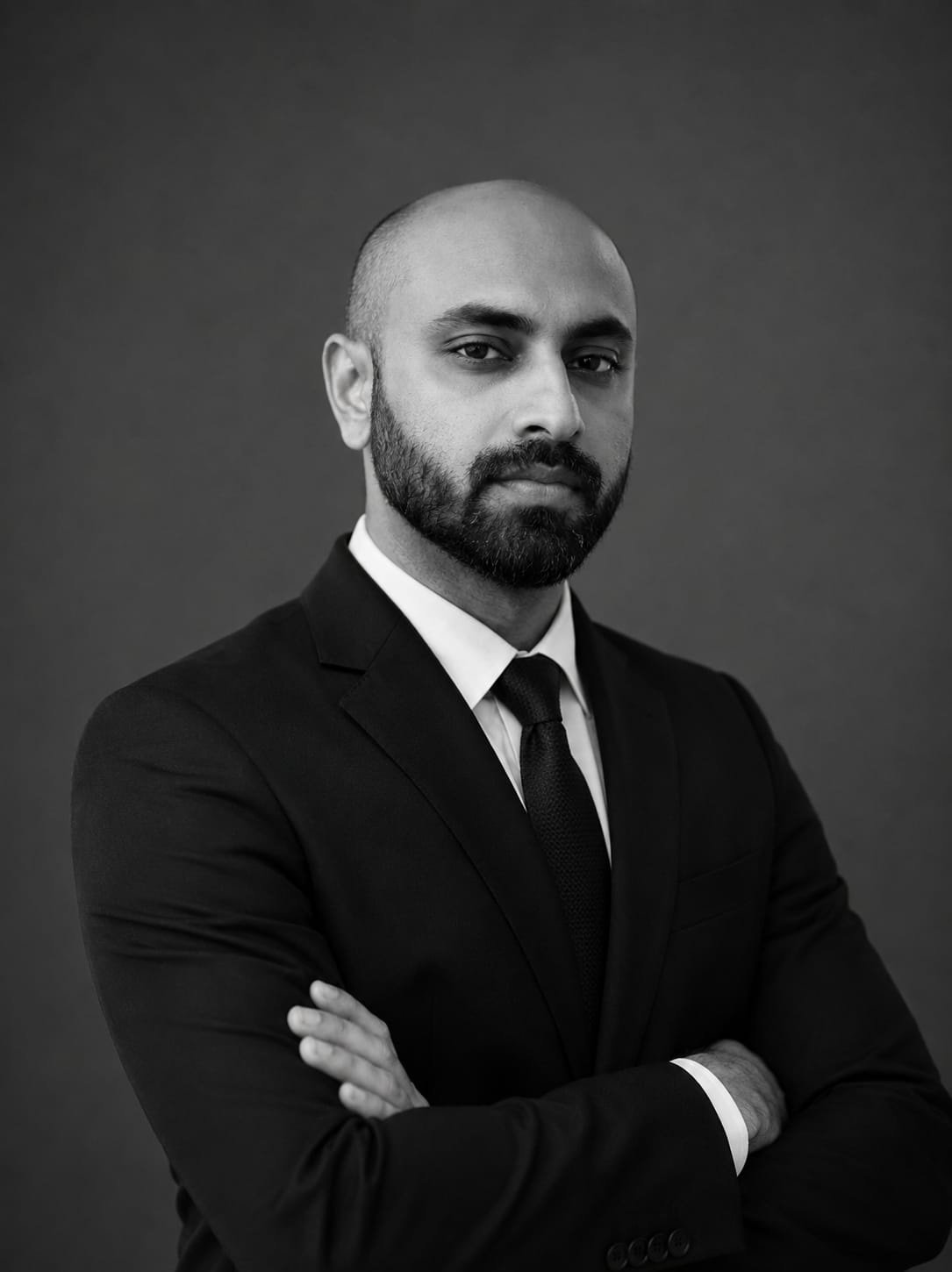
Arfan Shariff is the Co-Founder and Head of Operations at Zawjaan, overseeing platform operations, public relations and strategic partnerships. Drawing on his experience in community engagement, Arfan helps shape Zawjaan’s trusted, faith-centred and user-focused approach to Muslim matchmaking, promoting compatibility, authenticity and meaningful lifelong marriages.