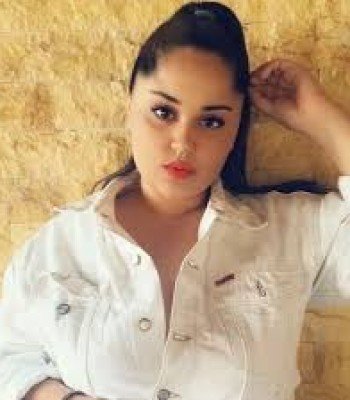



Meet Bafatá Muslim Women Online
For Muslim men, meeting Muslim women in Bafatá often begins with online platforms that respect Islamic etiquette. Zawjaan offers a space where you can create a detailed profile, search for women who share your values, and engage in halal chat. Many Bafatá Muslim women are open to online introductions as they balance work, studies, and family obligations. When reaching out, be clear about your intentions for marriage. Local internet access is improving, so video calls are possible. Always maintain haya and avoid private conversations until families are involved.
Bafatá Muslim Women for Marriage
Marriage in Bafatá is both a personal commitment and a familial affair. For Muslim women, it signifies piety, stability, and mutual respect. As a man, you will be expected to demonstrate financial responsibility and religious practice. Many unions begin with a formal proposal to the wali, who plays a central role. Understanding the local culture, which includes Mandinga and Fula traditions, eases the process. Be patient; families often take time to research a potential groom. Showing sincere dedication to Islamic principles is the best way to earn trust.
Halal Dating with Bafatá Muslim Women
Halal dating in this context means supervised courtship with the intention of marriage. In Bafatá, it is common to involve a third party or meet with family members present. Muslim women appreciate men who suggest coffee at a halal venue or a walk in a public park. Keep physical boundaries strictly observed and focus on discussing your values, goals, and daily routines. This approach allows you to assess character without compromising your faith. Mutual respect and clear communication form the foundation of any potential union.
Islamic Nikah in Bafatá
The Nikah is the sacred contract that seals your marriage. In Bafatá, local imams can officiate, often at a mosque or home, with at least two male witnesses and the bride's wali present. The mahr, a gift from groom to bride, is a requirement and can be modest or significant depending on agreement. After the ceremony, a walima (marriage banquet) is customary. Ensure the Nikah is registered locally; this may involve visiting a civil registry for official documentation. Seek guidance from the local Islamic community to ensure all steps are correctly followed.
Halal Chat with Bafatá Muslim Women
Halal chat through platforms like Zawjaan allows you to connect with Bafatá Muslim women while respecting Islamic guidelines. Keep conversations purposeful: ask about her education, career in teaching or healthcare, and family expectations. Avoid trivial or flirtatious talk. Video calls can happen but only after initial compatibility is established, and always with hijab intact. These chats are a prelude to involving families, so maintain dignity. Remember that the goal is to determine whether you are suited for Nikah, not to delay the process indefinitely.
Bafatá Muslim Singles and Community Networks
Bafatá Muslim women are often educated and ambitious, pursuing careers while upholding their faith. Many attend the Grand Mosque of Bafatá and participate in women's circles. As a man, you may meet them through community events, weddings, or family connections. Online, you can find profiles of these women, who appreciate honesty about your own background. Be prepared to discuss your intentions early, as most are serious about marriage. Showing that you value their intellect and faith will set you apart.
Marriage Proposals and Khitbah in Bafatá
The proposal, or khitbah, is a formal step. In Bafatá, you would typically approach the woman's wali with your interest. This is often done after initial meetings and family conversations. Present a clear proposal, including your financial situation and religious commitments. The wali may consult the woman; her consent is essential. It is customary to bring a gift, such as dates or sweets. If agreeable, families then discuss mahr and wedding date. This process underscores the seriousness of your intent and Muslim women respect a direct yet respectful approach.
Physical Appearance of Bafatá Muslim Women
When seeking Bafatá Muslim women, physical attraction matters, but character holds greater weight. Many women in the city are modest in dress, often wearing hijab, and take pride in their appearance. Do not judge solely by photos; an honest profile is key. Remember that beauty is relative and depends on personal preferences. Focus on what you truly want in a partner rather than societal standards.
Skin, Hair and Eye Colour
Bafatá's Muslim community includes diverse skin tones, ranging from deep ebony to lighter brown, reflecting the Mandinga, Fula, and other ethnic groups. Hair colour is typically black or dark brown, and eye colour is usually brown. Such traits are common, but they should not be a primary factor. Instead, concentrate on faith and compatibility. Just as you appreciate diversity, be open to a range of appearances in your search.
Occupation and Profession
Many Bafatá Muslim women work in education, healthcare, or trade. Some run small businesses selling goods at the local market, while others work for NGOs or government offices. Teaching is a respected profession, as is nursing. When evaluating a potential partner, discuss her career goals and how they align with family life. Her ambition is a positive sign, as it indicates diligence and responsibility.
Height
The average height for Bafatá Muslim women is around 5 feet 4 inches or approximately 163 centimetres. Height may vary, but it rarely matters in meaningful matchmaking. Focus on shared values instead.
Ethnicity and Nationality
Bafatá is predominantly inhabited by the Mandinga and Fula ethnic groups, both with strong Islamic traditions. However, you may also encounter Balanta or other backgrounds. Each group has unique cultural practices that influence family life. When considering a match, ask about her family's customs. Being respectful of her ethnic heritage will build trust. Many Muslim women are open to marrying outside their ethnicity as long as faith is shared.
Compatibility with Bafatá Muslim Women
Compatibility goes beyond surface-level attributes. For a lasting Nikah, you must share core beliefs, life goals, and communication styles. In Bafatá, community values are strong, so consider how you will integrate into each other's social circles.
Religious Alignment
Both partners should be committed to practising Islam. In Bafatá, this may mean observing daily prayers and fasting. Discuss levels of religiosity, including views on Islamic education and involvement in local mosque activities. Aligning on these aspects is foundational.
Cultural Compatibility
Cultural compatibility involves respecting each other's ethnic customs. If you are from a different background, learn about Mandinga or Fula traditions, such as naming ceremonies or marriage festivities. Showing genuine interest in her culture fosters harmony.
Local Muslim Culture
The local Muslim culture in Bafatá is deeply rooted in Sufi traditions and community gatherings. Eid prayers at the central mosque are important. Being familiar with these practices will help you connect. Also, note that many families value communal decision-making, so involve them respectfully.
Ideological Viewpoints
While most are Sunni, there are diverse opinions on certain matters. Be open to discussing religious scholars and interpretations. Avoid imposing rigid views. In Bafatá, tolerance and dialogue are valued, so find common ground in core beliefs.
Lifestyle Compatibility
Daily life in Bafatá may involve early mornings, market visits, and extended family interactions. Discuss your routines: work hours, household roles, and leisure activities. Ensure that your expectations regarding domestic responsibilities and social outings align.
Family Expectations
Families play a central role in Bafatá marriages. Often, the husband provides financially, while the wife manages the home, though many women also work. Discuss how you will support the extended family, as relatives may expect regular visits and assistance. Clarify boundaries from the start.
Marriage Goals
Shared goals for marriage are vital. Discuss your vision for children, education, and religious upbringing. In Bafatá, many couples aspire to build a stable home and contribute to the community. Ensure you both aim for Tawhid-centred living.
Relationship Expectations
In a halal marriage, mutual respect and kindness are paramount. Understand that Muslim women seek a partner who is protective yet fair. Be prepared to lead with compassion, while also honouring her perspective. This balance ensures a harmonious relationship.
How to Find Muslim Women in Bafatá
To find Bafatá Muslim women, start with Zawjaan, where you can filter by location and religious practice. Also, connect with local imams or visit the Grand Mosque. Family connections are powerful, so ask relatives to introduce you to eligible women. Always approach with sincerity.
1. Create a clear marriage profile
Phase 1: Profile CreationCreate a thoughtful profile on Zawjaan, highlighting your faith, career, and intentions. Upload clear, modest photos and state your interest in marriage. Be honest to attract sincere matches.
2. Search locally and realistically
Phase 2: Local DiscoveryOn Zawjaan, set your search to Bafatá and filter by religious commitment. Review profiles daily and save those that align with your values. You can also join local groups.
3. Begin respectful halal chat
Phase 3: Compatibility ScreeningStart with respectful, purposeful messages. Ask about her day and interests, but keep the focus on marriage compatibility. Avoid flirtation and maintain modesty.
4. Arrange a public meeting
Phase 4: Face-to-Face CourtshipPropose a coffee at a halal café or a walk in a public park, ideally with a chaperone. Keep the meeting brief and discuss your intentions openly.
5. Introduce both families
Phase 5: Family MeetingAfter initial compatibility, ask to speak with her wali. Arrange a formal meeting where you can present your proposal and discuss mahr and wedding plans.
6. Prepare the legal documentation
Phase 6: Legal DocumentationIn Guinea-Bissau, civil marriage is required. Visit the registry office in Bafatá with necessary documents, including birth certificates and witnesses, to legalise your Nikah.
7. Complete the Islamic Nikah
Phase 7: Marriage ContractArrange the Nikah with a local imam, ensuring the mahr is agreed. Complete the religious ceremony, then follow with a walima to celebrate with family and community.
Frequently Asked Questions
How can Muslim men meet Bafatá Muslim women for marriage?
You can meet through Zawjaan, community events at the Grand Mosque, or family introductions. Always approach with formal intentions and respect her family's role.
What should a Muslim man know about Bafatá Muslim women's expectations?
They expect a pious spouse who is financially stable and respectful of her culture. Punctuality and seriousness are valued, so bring a clear proposal and involve the wali.
Are Bafatá Muslim women open to online matchmaking?
Yes, many are, especially if you're clear about seeking Nikah. Use halal platforms like Zawjaan, maintain modesty, and transition to family involvement early.
What are the first steps for a Muslim man seeking a Bafatá Muslim woman?
Create a thorough profile, search for compatible women, and engage in respectful chat. After gaining her interest, seek her wali's consent and arrange a meeting.
How do Bafatá Muslim women view a man's religious practice?
They value consistent prayer and Qur'an study. Demonstrating your faith in daily life is attractive. Discussing your religious goals is essential.
About the Author
Majduddin Mohammed is the Co-Founder and Head of Marketing Analytics at Zawjaan, where he leads marketing campaigns, search strategy and data-driven growth initiatives for the platform. His work focuses on using data-driven analytics, community expertise, and digital insights to improve how Muslim singles discover and engage with Zawjaan while helping them connect with the shared goal of marriage.