


Meet Ali Sabieh Muslim Men Online
For Muslim women in Ali Sabieh, online matchmaking offers a private and respectful way to meet Muslim men. Platforms like Zawjaan allow you to create a profile that reflects your faith and preferences, then search for compatible brothers in your region. Many men in Djibouti are open to online introductions as they balance work and family duties. Always keep conversations modest and involve a wali early if the connection feels promising. This approach respects Islamic etiquette while expanding your options beyond local gatherings.
Ali Sabieh Muslim Men for Marriage
Marriage in Ali Sabieh is deeply rooted in Islamic tradition and community values. For many families, it represents a union of two households, not just two individuals. Muslim men often seek a wife who is practising, respectful, and ready to build a home. At the same time, they appreciate a partner who brings her own strengths. Women should look for someone who demonstrates responsibility and commitment, as these qualities form the foundation of a stable marriage in this region.
Halal Dating with Ali Sabieh Muslim Men
Halal dating in Ali Sabieh means getting to know a potential husband without compromising Islamic principles. This usually involves chaperoned meetings, often in the presence of a family member. In Djibouti, it is common for initial talks to happen with a third party present, whether in person or via video call. The focus remains on discussing values, life goals, and family expectations, rather than romantic indulgence. This approach builds trust and helps both sides decide if they are truly compatible for Nikah.
Islamic Nikah in Ali Sabieh
The Islamic Nikah is the cornerstone of marriage in Ali Sabieh. Muslim men and women alike view this ceremony as a sacred contract that requires witnesses, a mahr, and the consent of the bride. Many local imams, such as those at the central mosque, officiate Nikahs and can guide couples through the process. For Muslim women, understanding the requirements, including the role of a wali, ensures that the marriage begins with proper intentions and legal recognition under Islamic law.
Halal Chat with Ali Sabieh Muslim Men
Halal chat involves respectful communication between potential spouses, always within Islamic boundaries. In Ali Sabieh, where face-to-face meetings may be limited, online chat becomes valuable. Muslim men appreciate when women speak clearly about their intentions, as this avoids misunderstandings. Keep conversations purposeful, focusing on topics like faith, family, and aspirations. Avoid private or intimate discussions until after Nikah. This practice protects both parties and aligns with the modesty expected in Djibouti’s Muslim community.
Ali Sabieh Muslim Singles and Community Networks
Muslim singles in Ali Sabieh often rely on family networks to find a match. However, women may also meet men through community events, mosque gatherings, or even work connections. The town’s small population means that reputations matter, so single brothers tend to be cautious. For Muslim women, being introduced through a trusted intermediary, such as a relative or a respected elder, can ease the process. These informal networks are as influential as formal matchmaking services.
Marriage Proposals and Khitbah in Ali Sabieh
In Ali Sabieh, the proposal, or khitbah, is a formal step that follows mutual interest. A Muslim man typically asks through his family, who then approaches the woman’s guardians. This practice ensures respect and seriousness. Women should consider the man’s character, religious practice, and ability to provide. It is also wise to involve a wali who can ask critical questions. A proposal in this town is not just a personal question; it is a social contract that brings two families together.
Physical Appearance of Ali Sabieh Muslim Men
When considering Muslim men in Ali Sabieh, physical appearance matters, but it is not the sole factor. Many women appreciate a neat and modest appearance, reflecting self-respect. A man’s grooming, clothing, and overall demeanour can signal his attitude towards marriage. Remember that beauty is relative and depends on personal preferences. Focus on what you truly want in a partner rather than societal standards.
Skin, Hair and Eye Colour
Skin, hair, and eye colour vary widely among Muslim men in Ali Sabieh due to the diverse Somali, Afar, and other ethnic influences. Some men have lighter or darker skin, with features that reflect their heritage. Women may have personal preferences, but these physical traits are often secondary to character and faith. In a close community, a man’s appearance is linked to his reputation, so a clean and tidy look is appreciated.
Occupation and Profession
Muslim men in Ali Sabieh are engaged in various occupations, from government work to trade and agriculture. Many work in the town’s markets, while others commute to Djibouti City for employment. Women should assess a man’s ability to support a family, as economic stability is crucial. However, it is equally important that he values his work life balance and makes time for his Islamic duties. A man with a steady job and good character is often seen as a reliable husband.
Height
In Ali Sabieh, height can be a factor for some women, though it is rarely a deal-breaker. Many Muslim men are around 5 feet 9 inches or approximately 175 centimetres. Women may notice this physical attribute, but a man’s height does not define his ability to lead a family. Focus on how he treats you and his commitment to marriage rather than his stature.
Ethnicity and Nationality
Ethnicity plays a significant role in Ali Sabieh, with the Somali and Afar communities being prominent. Muslim men from these backgrounds often honour their cultural traditions. Women may have preferences regarding ethnicity, but mixed marriages are common in Djibouti and generally accepted. It is essential to understand a man’s cultural expectations to ensure compatibility, especially regarding extended family roles and customs.
Compatibility with Ali Sabieh Muslim Men
Compatibility in Ali Sabieh goes beyond attraction. It involves shared values and a mutual vision for life. A successful marriage requires that both partners agree on religious practice, family roles, and daily routines. Muslim women should consider these factors when evaluating a potential husband.
Religious Alignment
Religious alignment is crucial. In Ali Sabieh, most Muslim men practise their faith, but the level of observance varies. Look for a man who prays regularly and strives to live by Islamic principles. He should also value your religious growth. Discussing your expectations for worship and fasting helps ensure you are on the same path.
Cultural Compatibility
Cultural compatibility matters in Djibouti. A Muslim man from the Somali community may have different customs than one from the Afar community. Understanding each other’s traditions, such as wedding rituals and family gatherings, reduces conflict. Women should ask about these practices early to see if they feel comfortable.
Local Muslim Culture
Local Muslim culture in Ali Sabieh is characterised by strong community ties and respect for elders. Men are often expected to be providers and protectors, while women may manage the household. However, modern perspectives are evolving. A man’s willingness to discuss roles and adapt to changing times is a positive sign for a harmonious marriage.
Ideological Viewpoints
Ideological views can influence a marriage. Some Muslim men in Ali Sabieh follow specific scholars or movements, such as Salafism or Sufism. These differences may affect daily practices. It is wise to discuss your religious orientations to ensure you are not at odds on fundamental issues. Respect for each other’s views is essential.
Lifestyle Compatibility
Lifestyle compatibility includes daily routines, social habits, and financial priorities. A man who enjoys a quiet life at home may not suit a woman who loves socialising. In Ali Sabieh, many families live close to each other, and personal space can be limited. Agree on how you will spend leisure time and manage finances to avoid disputes.
Family Expectations
Family expectations are significant in Ali Sabieh. A Muslim man’s family may have prescribed roles for a wife, such as living with in-laws or fulfilling certain duties. Discuss these expectations openly. Both partners need to set boundaries and plan how they will balance their own household with extended family obligations.
Marriage Goals
Marriage goals should align. Most Muslim men in Ali Sabieh hope to have children and build a stable home. Others may harbour ambitions for further education or business. When you share similar goals, you can support each other. Be clear about your desires regarding children, career, and relocation.
Relationship Expectations
Relationship expectations include how conflicts are resolved and how affection is expressed. In a modest society, public displays are limited, but private kindness matters. Discuss how you both handle disagreements and what you expect in terms of emotional support. A man who listens and communicates respectfully is often a good match.
How to Find Muslim Men in Ali Sabieh
To find Muslim men in Ali Sabieh, start by expanding your networks. Attend mosque events, engage with community organisations, and ask relatives to make introductions. Online platforms like Zawjaan are also effective. Be patient and truthful in your profile, and always involve your wali in serious conversations.
1. Create a clear marriage profile
Phase 1: Profile CreationCreate a profile that highlights your faith, values, and what you seek in a Muslim man. Use clear photos and mention your hobbies. Be specific about your intentions for marriage, so brothers know you are serious.
2. Search locally and realistically
Phase 2: Local DiscoveryNarrow your search to Ali Sabieh and neighbouring areas. Use filters for age, education, and religious practice. Review profiles carefully, focusing on those with detailed information and a respectful tone.
3. Begin respectful halal chat
Phase 3: Compatibility ScreeningStart conversations with a polite greeting. Ask about his daily life and religious routine. Keep topics halal and avoid flirting. If he responds positively, suggest moving the conversation to include your wali or a trusted family member.
4. Arrange a public meeting
Phase 4: Face-to-Face CourtshipWhen meeting in person, choose a public place like a cafe or a park. In Djibouti, it is respectful to have a chaperone. Let your wali know your plans and keep the meeting brief. Observe how he treats you and others around you.
5. Introduce both families
Phase 5: Family MeetingIf you feel a genuine connection, introduce him to your family. Arrange a visit to your home or a neutral location. Encourage your wali to ask about his intentions, employment, and religious practice. This step confirms seriousness.
6. Prepare the legal documentation
Phase 6: Legal DocumentationBefore Nikah, ensure you both understand civil requirements. In Djibouti, you may need to register the marriage at the municipality. Gather necessary documents such as ID and birth certificates. Check if a medical certificate is required.
7. Complete the Islamic Nikah
Phase 7: Marriage ContractPlan the Nikah with a recognised imam in Ali Sabieh. Discuss the mahr, witnesses, and any conditions. Ensure your wali is present. Celebrate modestly with family, respecting Islamic etiquette and local customs.
Frequently Asked Questions
How can Muslim women in Ali Sabieh meet serious Muslim men for marriage?
Muslim women can meet serious Muslim men through family referrals, mosque activities, and online platforms like Zawjaan. Attend community events and ask relatives to introduce you to potential grooms who practise Islam and demonstrate responsibility.
What qualities should Muslim women look for in Muslim grooms from Ali Sabieh?
Look for a Muslim man who prays regularly, has good character, and holds a steady job. Since the community is close-knit, his reputation matters. Ensure he respects your family and shares your goals, as these are foundations for a stable marriage.
How can Muslim women verify a Muslim man's intentions in Ali Sabieh?
Involve your wali early and ask questions about his work, religious practice, and family. Speak to people who know him. You can also ask to meet his family. A serious brother will appreciate these steps as they show you are marriage-minded.
Are online matchmaking platforms effective for Muslim women seeking Muslim men in Ali Sabieh?
Yes, platforms like Zawjaan are effective. They let you filter by location and faith, and you can chat in a halal way. Many men in Ali Sabieh use online services because they are busy with work. Always transition to family contact before committing.
What is the typical Nikah process for Muslim men and women in Ali Sabieh?
After mutual agreement, the man’s family formally proposes. The Nikah takes place with an imam, your wali, and witnesses. You agree on a mahr and sign the contract. Then you register the marriage with the local authorities to make it legally recognised.
About the Author
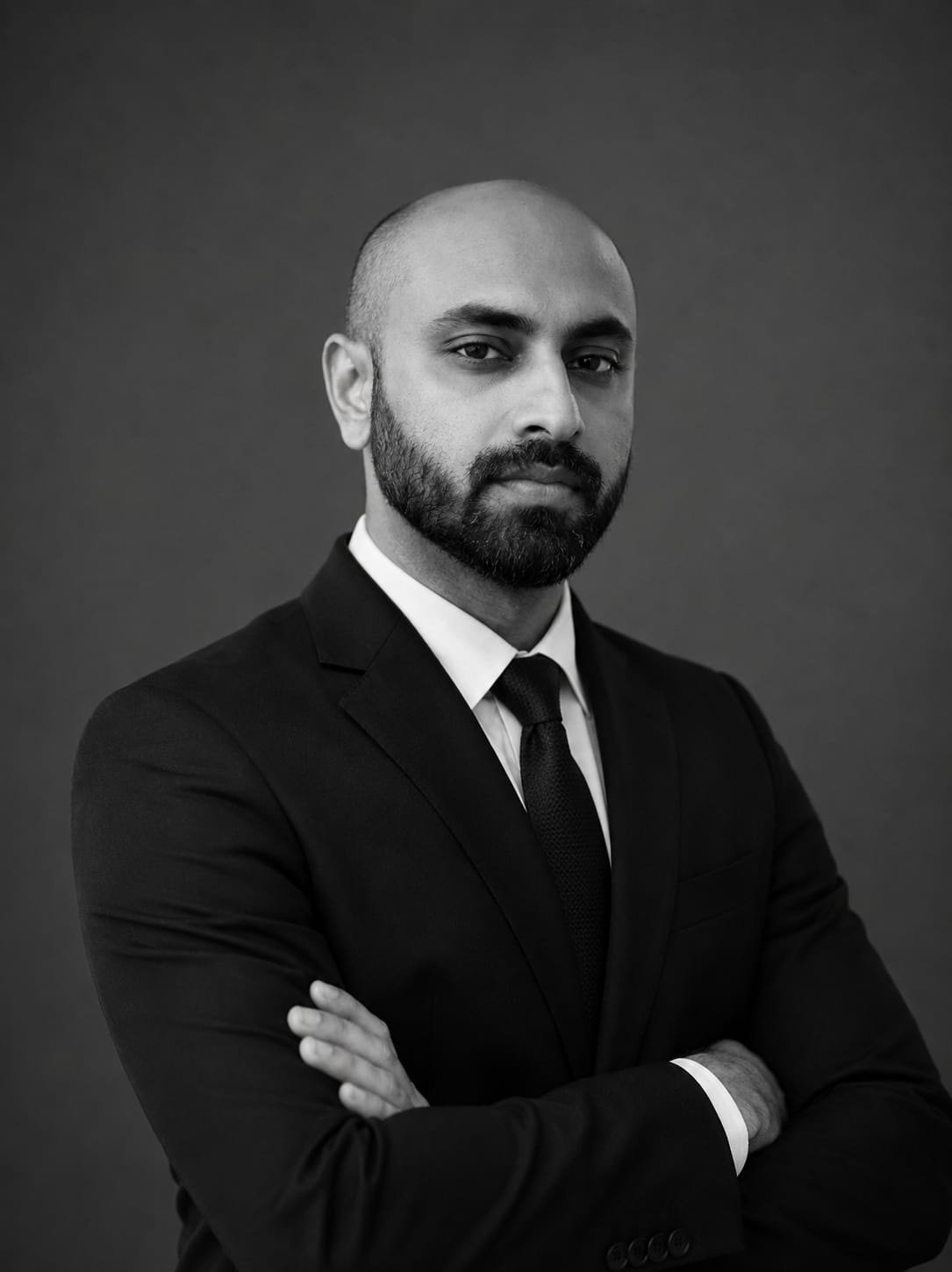
Arfan Shariff is the Co-Founder and Head of Operations at Zawjaan, overseeing platform operations, public relations and strategic partnerships. Drawing on his experience in community engagement, Arfan helps shape Zawjaan's trusted, faith-centred and user-focused approach to Muslim matchmaking, promoting compatibility, authenticity and meaningful lifelong marriages.