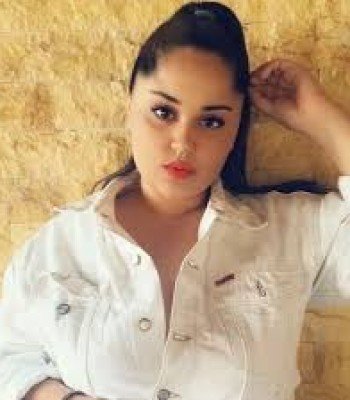



Meet Keren Muslim Women Online
For Muslim men, meeting Keren Muslim women online begins with platforms that respect Islamic etiquette and family involvement. A growing number of Keren-based Muslims in the diaspora and at home now use matchmaking websites to seek serious relationships, often with the support of parents and siblings who may join initial video calls. These platforms allow you to filter profiles by religious practice, educational background, and family preferences, which is especially useful in a tight-knit community where reputation matters. They also help you overcome geographic barriers, connecting you with Muslim women from Keren who now live in Asmara, Khartoum, or abroad, while keeping the conversation within respectful bounds.
Keren Muslim Women for Marriage
Marriage holds profound significance in Keren's Muslim community, seen as an act of devotion and a means to build a family rooted in Islamic values. For Muslim men, the pursuit of a wife generally involves a clear process: meeting the woman and her family, discussing intentions, and progressing towards Nikah without unnecessary delay. In Keren, where many families trace their ancestry and hold strong connections to religious scholars, a proposal is respected when it comes with sincerity, transparency, and a readiness to provide both mahr (dower) and future support. The community values a husband who demonstrates responsibility, not only towards his wife but also towards her extended family.
Halal Dating with Keren Muslim Women
Halal dating among Keren Muslim women is practised with careful boundaries, focusing on making intentions clear early while avoiding seclusion. A man may meet a woman in a public setting, such as a café or restaurant, but usually with a mahram (male guardian) present, especially during initial meetings. Conversations centre on faith, family expectations, education (many women hold degrees from the Eritrea Institute of Technology), and life aspirations. This approach is not unlimited courting but a purpose-driven process to determine compatibility, always under the watchful guidance of both families. The ultimate goal is to reach a decision about marriage, not to engage in casual dating.
Islamic Nikah in Keren
The Islamic Nikah remains the cornerstone of every marriage in Keren. Muslim men who marry women from here will typically need to follow local religious requirements, which are guided by the Sharia courts in the Anseba Region. The process usually includes the agreement of the bride's guardian (wali), the setting of mahr, and the signing of the marriage contract in the presence of two male witnesses. Many couples choose to hold the Nikah at a mosque such as the Grand Mosque of Keren or at the bride's family home, followed by a modest walima (wedding banquet). The Nikah is not just a legal formality, but a deeply spiritual covenant that both families approach with reverence.
Halal Chat with Keren Muslim Women
Halal chat for Muslim men pursuing Keren Muslim women is conducted through text messages or video calls, always with respect and modesty. The conversation usually stays topic-focused, covering each person's daily prayer routines, favourite Quranic verses, and views on raising children Islamically. It is not a place for flirtation or ambiguity; rather, it is a space to verify religious compatibility and to address practical questions, such as how often the couple would visit family in Keren if one partner lives abroad. For many here, it is acceptable for a man to speak directly with a woman as long as her guardian is aware and the chat is free from indecent content. Family elders may also join the call to assess the man's character before progress is made.
Keren Muslim Singles and Community Networks
Muslim singles in Keren comprise a diverse group, including women from the Tigre, Saho, and Rashaida communities, as well as those from other ethnic backgrounds. For Muslim men, the single scene is not about nightlife or casual encounters; it is rooted in community events, mosque gatherings, and family networks. Many women are educated and professionally active, working in sectors such as healthcare, education, and administration within Keren's growing hospital complex or local schools. The number of unmarried Muslim women has grown in recent years as many pursue professional and religious education before settling down. A man who approaches a woman through a community leader or a trusted relative often finds more success than one who attempts to strike up a conversation without introduction.
Marriage Proposals and Khitbah in Keren
In Keren, the proposal of marriage, or khitbah, is a family-centred event. A Muslim man who wishes to marry a Keren woman will first approach her father or guardian, often through his own father or an elder. During this visit, the man states his religious and financial readiness, and the families discuss the mahr, future living arrangements, and the wedding date. It is common for the bride and groom to see each other before the Nikah, with the family's permission, to ensure mutual consent. This traditional process is upheld even when the couple first met online, demonstrating that online matches can still respect the customs cherished by Eritrean Muslim families.
Physical Appearance of Keren Muslim Women
Muslim men seeking Keren Muslim women will find a range of appearances, largely influenced by the region's diverse ethnic groups, including the Tigre and Rashaida. Many women have dark, expressive eyes, olive to deep brown skin tones, and naturally thick hair, worn under a hijab or sometimes a traditional Keren-style covering. Modesty is a key aspect of their appearance, which is respected as a sign of their religious devotion. Remember that beauty is relative and depends on personal preferences. Focus on what you truly want in a partner rather than societal standards.
Skin, Hair and Eye Colour
Among Keren Muslim women, there is a natural spectrum of skin tones, from fair and olive to rich brown, often radiating a warm, sun-kissed glow. Hair colour is predominantly black, occasionally with dark brown hues, and the women often take pride in caring for it with natural oils such as argan or makuna. Eye colours are mostly dark brown or black, though lighter brown eyes are not uncommon. These colour features are not particularly significant in the marriage market; more important is how a woman presents herself with dignity and adherence to Islamic dress.
Occupation and Profession
Many Keren Muslim women are well-educated and pursue meaningful careers before and after marriage. Teaching is a common profession, with women employed in primary and secondary schools across the Anseba Region. Healthcare is another leading field, with nurses and midwives working at the Keren Referral Hospital. Others work in government administration, small businesses, or as tailors, producing traditional embroidered garments. When considering a wife, Muslim men should value her education and career ambition, as many women continue to work after marriage, contributing to the family income and the community's progress. It is wise not to assume that a woman's career will end with marriage.
Height
Keren Muslim women typically have a petite to medium build, with many standing around 5 feet 4 inches or approximately 163 centimetres. This average height is mirrored across the region, where women are often slightly shorter than their counterparts in other parts of the country. Height is not a major concern for Muslim men; rather, compatibility in other aspects of life takes precedence. That said, a man of average height will likely find himself on an equal level with many women in Keren.
Ethnicity and Nationality
The Muslim population in and around Keren is diverse, with the Tigre being the largest ethnic group, followed by the Rashaida and Saho communities. Each group has its own language, traditions, and customs, and it is common for marriages to occur within the same ethnic group, though inter-ethnic marriages also happen and are accepted. For a Muslim man, understanding the cultural background of a Keren woman is essential, as it shapes her family values and daily practices. It is respectful to learn about her specific heritage, whether it is the pastoral traditions of the Tigre or the trade-oriented lifestyle of the Rashaida, and to appreciate how this influences her expectations of marriage.
Compatibility with Keren Muslim Women
Compatibility in a marriage with a Keren Muslim woman depends on shared values, lifestyle, and long-term goals. It goes beyond chemistry and encompasses faith, cultural expectations, and practical considerations. The following aspects are particularly relevant for a Muslim man considering marriage in this context.
Religious Alignment
Although virtually all Keren Muslim women share the same faith, the degree of religious observance varies. Some women are deeply involved in Quranic study and daily prayers, while others are more nominal. As a Muslim man, it is your responsibility to discuss religious practices early, such as attendance at Friday prayers at the Grand Mosque of Keren or participation in Ramadan programmes. Finding a woman who values consistent prayer and modesty will create a stronger foundation.
Cultural Compatibility
Cultural compatibility often hinges on ethnic background and family expectations. If you come from the same ethnic group as the woman, you may find a more natural alignment in language and customs. However, if you are from a different background or grew up abroad, be prepared to adapt to Keren's traditions, such as the importance of communal ceremonies and respect for elders. Open communication about these cultural nuances is vital.
Local Muslim Culture
The local Muslim culture in Keren is known for its strong community bonds and adherence to traditions such as the celebration of Eid with communal prayers at the open prayer ground (musalla). Women participate actively in mosque study circles, and families are closely knit. A Muslim man who respects these customs and shows willingness to engage with his wife's community will build trust. Understanding local practices, such as the role of the sheikh in mediating disputes, helps integrate smoothly.
Ideological Viewpoints
Some Keren Muslim women hold conservative views, adhering strictly to traditional interpretations of Islam, while others are more moderate, embracing modern education and wider social participation. It is important to discuss your respective ideological viewpoints on matters like gender roles and the influence of religious leadership. Be honest about your own positions to ensure you are not ambivalent later, as these differences can lead to conflict if unaddressed.
Lifestyle Compatibility
Lifestyle in Keren is largely shaped by the region's economy, which includes agriculture (especially sorghum and millet), livestock herding, and small-scale trade. Many women grow up in households where daily routines revolve around prayer times, household duties, and market days. If you are accustomed to a fast-paced urban life, you may need to adjust to a simpler lifestyle with limited internet or electricity in some areas. Discussing your expectations about work, leisure, and social gender roles is important.
Family Expectations
For Keren Muslim women, family is integral to any marriage. A husband will be expected to maintain strong ties with his wife's parents and siblings, often visiting frequently and seeking their advice. Financial expectations from the family are modest but significant: the mahr must be paid, and the husband is expected to provide for the new household. The wife's family may also expect you to contribute to wedding expenses and future support, so having a clear plan is appreciated.
Marriage Goals
Marriage goals for Keren Muslim women typically include starting a family soon, raising children with strong Islamic values, and ensuring the family's economic stability. Many women also hope to support their parents and siblings through marriage, which is a cultural norm. A Muslim man should openly share his own goals, such as the desired number of children and how he plans to balance work and family life, to ensure both partners are aligned.
Relationship Expectations
In a marriage with a Keren Muslim woman, the relationship is based on mutual respect, companionship, and clear roles. The husband is recognised as the provider, while the wife manages the home and often contributes income. Open communication and kindness are essential, as is maintaining each other's dignity in a close-knit community. Expect to resolve conflicts privately and to involve family only when necessary.
How to Find Muslim Women in Keren
To find Keren Muslim women for marriage, start by tapping into your own networks: ask your family and friends in Keren to recommend eligible women. Then, consider joining reputable online platforms that cater to Muslim singles. If you are in Keren, attend events at local mosques, such as the Grand Mosque, and participate in community gatherings during Ramadan and Eid.
1. Create a clear marriage profile
Phase 1: Profile CreationCreate a detailed profile that states your religious commitment, occupation, and family background, and clearly indicates your intention to seek a serious marriage with a woman from Keren.
2. Search locally and realistically
Phase 2: Local DiscoveryUse local search features on matchmaking platforms to filter for Muslim women in Keren, and also mention your search to relatives and community contacts in Asmara and Anseba Region.
3. Begin respectful halal chat
Phase 3: Compatibility ScreeningStart halal chat by discussing your daily life, prayer routines, and family values, keeping the conversation respectful and avoiding idle talk.
4. Arrange a public meeting
Phase 4: Face-to-Face CourtshipOnce comfortable, arrange a public meeting, perhaps at a family-approved venue such as a restaurant, ensuring a mahram is present and the setting is modest.
5. Introduce both families
Phase 5: Family MeetingIf the meetings go well, ask for a formal family introduction by sending a relative or elder to speak with her father, presenting your proposal respectfully.
6. Prepare the legal documentation
Phase 6: Legal DocumentationBefore the Nikah, check the civil marriage requirements in Eritrea, such as obtaining necessary documents from the Ministry of Internal Affairs, and plan for a legal registration.
7. Complete the Islamic Nikah
Phase 7: Marriage ContractPrepare for the Islamic Nikah, which in Keren requires the bride's guardian's consent, two male witnesses, and payment of mahr, arranged through a local imam.
Frequently Asked Questions
How can Muslim men meet Muslim women in Keren for marriage?
Start by asking family and friends in Keren, attend mosque events, and use halal online platforms. The Grand Mosque of Keren is a central gathering place during prayers and celebrations.
What should Muslim men know about the expectations of Muslim women in Keren regarding mahr and marriage contracts?
Mahr is mandatory and should be agreed upon in advance. Muslim women here often value a reasonable mahr that shows sincerity, and the Nikah contract is taken seriously.
Are Muslim women in Keren open to online matchmaking?
Yes, but they prefer platforms that respect privacy and family involvement. Many involve their parents in the initial conversations to ensure safety.
What cultural differences might a Muslim man encounter when marrying a Muslima from Keren?
Ethnic traditions, like those of the Tigre or Rashaida communities, matter. Expect close family ties and a need to respect local customs regarding family roles.
How important is religious education for Muslim women in Keren?
Religious education is highly valued. Many women attend Quranic schools and study circles, so a man who understands and appreciates this will be seen positively.
About the Author
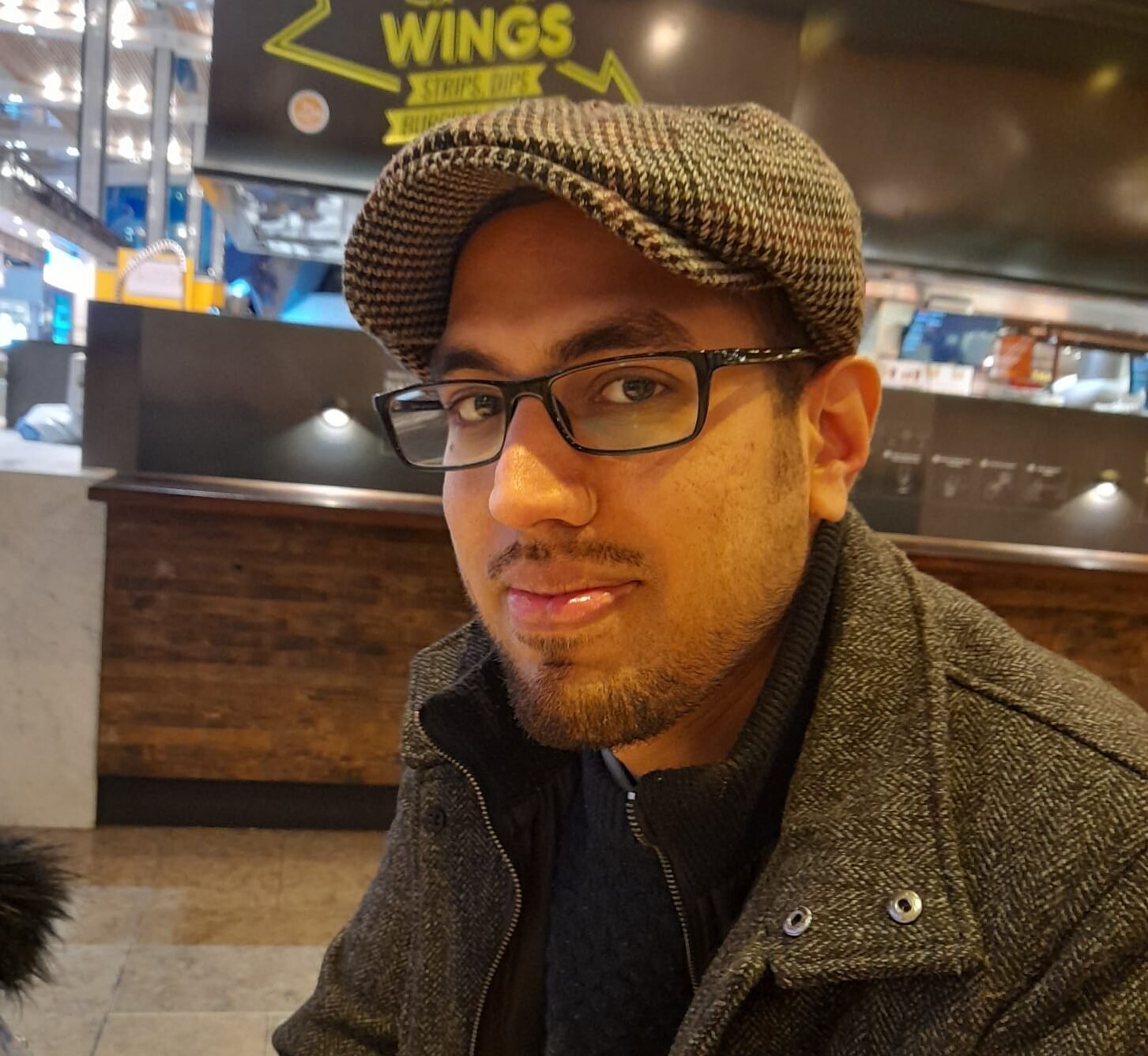
Majduddin Mohammed is the Co-Founder and Head of Marketing Analytics at Zawjaan, where he leads marketing campaigns, search strategy and data-driven growth initiatives for the platform. His work focuses on using data-driven analytics, community expertise, and digital insights to improve how Muslim singles discover and engage with Zawjaan while helping them connect with the shared goal of marriage.