

Meet Jerusalem Muslim Men Online
Online platforms have transformed how Muslim women in Jerusalem meet potential husbands. Dedicated Muslim marriage apps and websites allow you to filter profiles by religious observance, education, and family background. Many Jerusalem Muslim men appreciate the structured approach of these platforms, which align with Islamic principles of modesty. Creating a detailed profile that highlights your faith, interests, and intentions can attract serious suitors. Remember to involve a wali (guardian) early in the process to ensure the interaction remains respectful and halal.
Jerusalem Muslim Men for Marriage
Marriage in the Muslim community of Jerusalem is a sacred bond, uniting families and communities. For Muslim women, the goal is to find a man who will be a loving husband and a partner in faith. Local customs often emphasise the importance of compatibility in religion, character, and lifestyle. Many Jerusalem families prefer to be involved from the early stages, offering guidance and support. Whether you meet online or through personal connections, the ultimate aim is to build a home founded on mutual respect and devotion to Allah.
Halal Dating with Jerusalem Muslim Men
Halal dating in Jerusalem is about getting to know a potential spouse within the boundaries set by Islam. This means avoiding physical intimacy, meeting in public places, and involving family or chaperones. In Jerusalem, popular spots for initial meetings include the gardens near Damascus Gate or the peaceful courtyard of the Al-Aqsa Mosque. These settings allow couples to converse in a respectful and distraction-free environment. The focus is on discussing important topics such as faith, career, and family goals.
Islamic Nikah in Jerusalem
The Nikah is the Islamic marriage contract, a solemn and joyous occasion. In Jerusalem, couples often arrange the Nikah at a local mosque, with the presence of an imam and witnesses. The Islamic court, known as the Sharia Court, is responsible for registering the marriage. Many families also host a walima, a celebratory feast, after the Nikah. It is essential to ensure all legal requirements are met, both religiously and civilly, to protect the rights of both spouses.
Halal Chat with Jerusalem Muslim Men
Halal chat refers to conversations between potential spouses that adhere to Islamic etiquette. In Jerusalem, many couples begin their communication through online platforms, exchanging messages that focus on intellectual and spiritual compatibility. It is advisable to avoid lengthy private conversations without family involvement. Instead, use chat to arrange supervised meetings or to share thoughts on relevant topics. Remember to keep the tone respectful and to involve a third party when necessary.
Jerusalem Muslim Singles and Community Networks
The Muslim singles scene in Jerusalem is rich with opportunities, from university events to community gatherings at local mosques. Many young professionals move to the city for work or study, creating a diverse pool of potential matches. Social events organised by the YMCA or the Islamic Waqf often attract single men and women. For Muslim women, attending these events with family or friends can be a comfortable way to meet men in a halal environment.
Marriage Proposals and Khitbah in Jerusalem
In Jerusalem, the proposal, or Khitbah, is a formal step that follows an initial period of getting to know each other. The man's family typically visits the woman's family to ask for her hand in marriage. This custom, rooted in Islamic tradition, honours both families and allows for discussions about mahr, living arrangements, and future plans. For Muslim men in Jerusalem, this step is taken seriously, and they often seek a woman whose family is respected in the community.
Physical Appearance of Jerusalem Muslim Men
When considering a potential spouse, physical appearance is one of many factors. Muslim men in Jerusalem may have varied preferences, but character and faith are often given greater weight. Remember that beauty is relative and depends on personal preferences. Focus on what you truly want in a partner rather than societal standards. It is important to discuss physical attraction honestly, but also to recognise that true compatibility goes beyond looks.
Skin, Hair and Eye Colour
Skin, hair, and eye colour are superficial traits that do not define a person's worth. In Jerusalem, Muslim men come from diverse backgrounds, including Palestinian, Jordanian, and other Arab and non-Arab heritages, resulting in a wide range of appearances. Rather than focusing on specific colours, consider how your preferences align with your cultural and family expectations. Ultimately, a healthy relationship is built on shared values and mutual respect, not on physical features.
Occupation and Profession
Occupation is an important consideration for many Muslim women, as it reflects a man's ability to provide for a family. In Jerusalem, men often work in sectors such as education, healthcare, technology, tourism, or religious services. Many are well-educated, with degrees from local universities. Discussing career aspirations is crucial, as it impacts future plans, living arrangements, and the balance between work and family life.
Height
Height is a personal preference that varies from person to person. Some Muslim women may prefer a man who is taller than them, while others do not mind. In Jerusalem, the average height for men is around 5 feet 9 inches or approximately 175 centimetres. It is important to be open-minded and to focus on the qualities that truly matter, such as character, religious commitment, and how he treats you.
Ethnicity and Nationality
Jerusalem is a melting pot of cultures, and Muslim men may come from Palestinian, Jordanian, Syrian, or other backgrounds. Each culture brings its own traditions, cuisine, and family norms. When considering ethnicity, it is essential to discuss how cultural differences might affect your marriage. Many families are open to cross-cultural unions, but it is wise to address potential challenges, such as language barriers or differing expectations, before making a commitment.
Compatibility with Jerusalem Muslim Men
Compatibility is the foundation of a successful marriage. It goes beyond surface-level interests and involves aligning on fundamental values and life goals. In Jerusalem, where religious and cultural identity is deeply intertwined, finding a man who shares your vision for family life is crucial. Take the time to explore various dimensions of compatibility, from religious practice to lifestyle choices.
Religious Alignment
Religious alignment involves the level of religiosity and the way faith is practised. Some Muslim men in Jerusalem are deeply observant, while others are more moderate. It is essential to discuss your own expectations regarding daily prayers, fasting, and religious education for children. This ensures that both partners are comfortable with their spiritual journey together.
Cultural Compatibility
Cultural compatibility refers to how your cultural backgrounds mesh. For example, a Muslim woman from a Palestinian family might find common ground with a man from a similar heritage, but differences in regional customs can also enrich the relationship. In Jerusalem, families often value cultural continuity, so it is important to understand his family's expectations and how they might influence your life together.
Local Muslim Culture
The local Muslim culture in Jerusalem is shaped by the city's holy sites and its diverse population. The rhythm of life is often punctuated by prayer times and religious holidays. Muslim men in Jerusalem are generally family-oriented, with strong ties to their communities. Understanding and respecting these cultural nuances is essential for building trust and harmony with your future husband and his family.
Ideological Viewpoints
Ideological viewpoints can include political or social perspectives. In Jerusalem, these may be sensitive topics given the region's complexities. It is advisable to approach such discussions with care, focusing on shared values rather than divisive issues. A successful marriage often requires mutual respect for each other's backgrounds and beliefs, even when you do not see eye to eye on every matter.
Lifestyle Compatibility
Lifestyle compatibility encompasses daily habits, social activities, and financial management. For instance, does he lead an active lifestyle, or does he prefer quiet evenings at home? Does he enjoy hosting gatherings? These details matter for a harmonious life together. In Jerusalem, lifestyle choices may also be influenced by the city's unique setting, where modesty and community are highly valued.
Family Expectations
Family expectations play a significant role in Muslim marriages, especially in Jerusalem. Many men will consider their parents' opinions when choosing a spouse. It is important to understand the level of involvement his family expects and to communicate your own family's traditions. Open discussions about boundaries and expectations can prevent misunderstandings later.
Marriage Goals
Marriage goals involve your shared vision for the future, including where to live, whether to have children, and how to support each other's careers. In Jerusalem, housing costs are high, so many couples plan to live in nearby areas or with extended family initially. Discussing these goals early can help ensure that you are both working towards the same aspirations.
Relationship Expectations
Relationship expectations define how you express love, handle conflict, and communicate. Some couples prefer open and frequent discussions, while others are more reserved. In a Muslim marriage, the principle of mawaddah and rahmah (love and mercy) is central. Establish how you expect to support each other emotionally and practically, and be honest about your needs from the outset.
How to Find Muslim Men in Jerusalem
To find a suitable spouse in Jerusalem, utilise a combination of online platforms and community resources. Attend events at local mosques, seek introductions through family and friends, and consider engaging a matchmaker (khatba). Be clear about your intentions and involve your wali in the process. Patience and trust in Allah are essential.
1. Create a clear marriage profile
Phase 1: Profile CreationCreate a detailed profile that includes your religious practice, education, and career. Use clear photos and write a sincere summary. Specify your expectations for marriage and family life.
2. Search locally and realistically
Phase 2: Local DiscoveryUse the search filters to narrow down matches in Jerusalem or nearby areas. Consider expanding your search to include surrounding neighbourhoods to increase your options.
3. Begin respectful halal chat
Phase 3: Compatibility ScreeningEngage in halal chat by keeping conversations respectful and purposeful. Discuss your values, interests, and life goals. Avoid excessive small talk and involve your wali as appropriate.
4. Arrange a public meeting
Phase 4: Face-to-Face CourtshipWhen meeting in person, choose a public place such as a cafe or a park. Keep the meeting short and focus on meaningful topics. Consider bringing a companion for the first few meetings.
5. Introduce both families
Phase 5: Family MeetingIntroduce the potential spouse to your family early on. Arrange a meeting in a comfortable setting where both families can interact and discuss important matters.
6. Prepare the legal documentation
Phase 6: Legal DocumentationPrepare for the civil marriage by gathering the required documents, such as ID and proof of residency. Consult the local authorities for the specific legal procedures in Israel.
7. Complete the Islamic Nikah
Phase 7: Marriage ContractFor the Nikah, coordinate with a mosque and arrange a time for the ceremony. Ensure you have an imam and witnesses. Discuss the mahr and other conditions beforehand.
Frequently Asked Questions
What are the best ways for Muslim women to find Jerusalem Muslim men for marriage?
Use trusted Muslim matrimonial platforms, attend community events at mosques like Al-Aqsa, and ask family and friends for introductions. Many local mosques offer marriage services.
How can Muslim women ensure a Muslim man is serious about marriage?
Look for clear intentions, early family involvement, and willingness to discuss mahr and future plans. Consistent and respectful communication is a good sign.
What should Muslim women know about the Nikah process for Muslim grooms in Jerusalem?
The Nikah is usually held at a mosque and officiated by an imam. Both parties need to have witnesses. The Sharia Court registers the marriage. Legal civil registration is also required.
Where do Jerusalem Muslim men typically go for halal dates?
Popular spots include cafes in East Jerusalem, such as those near Salah al-Din Street, and parks like the Jerusalem Botanical Gardens. These places are public and comfortable for conversation.
How can Muslim women assess compatibility with a Muslim man from Jerusalem?
Discuss religious practice, cultural background, family expectations, and lifestyle. Attend each other's family gatherings to see the dynamics. Take time to build friendship and trust.
About the Author
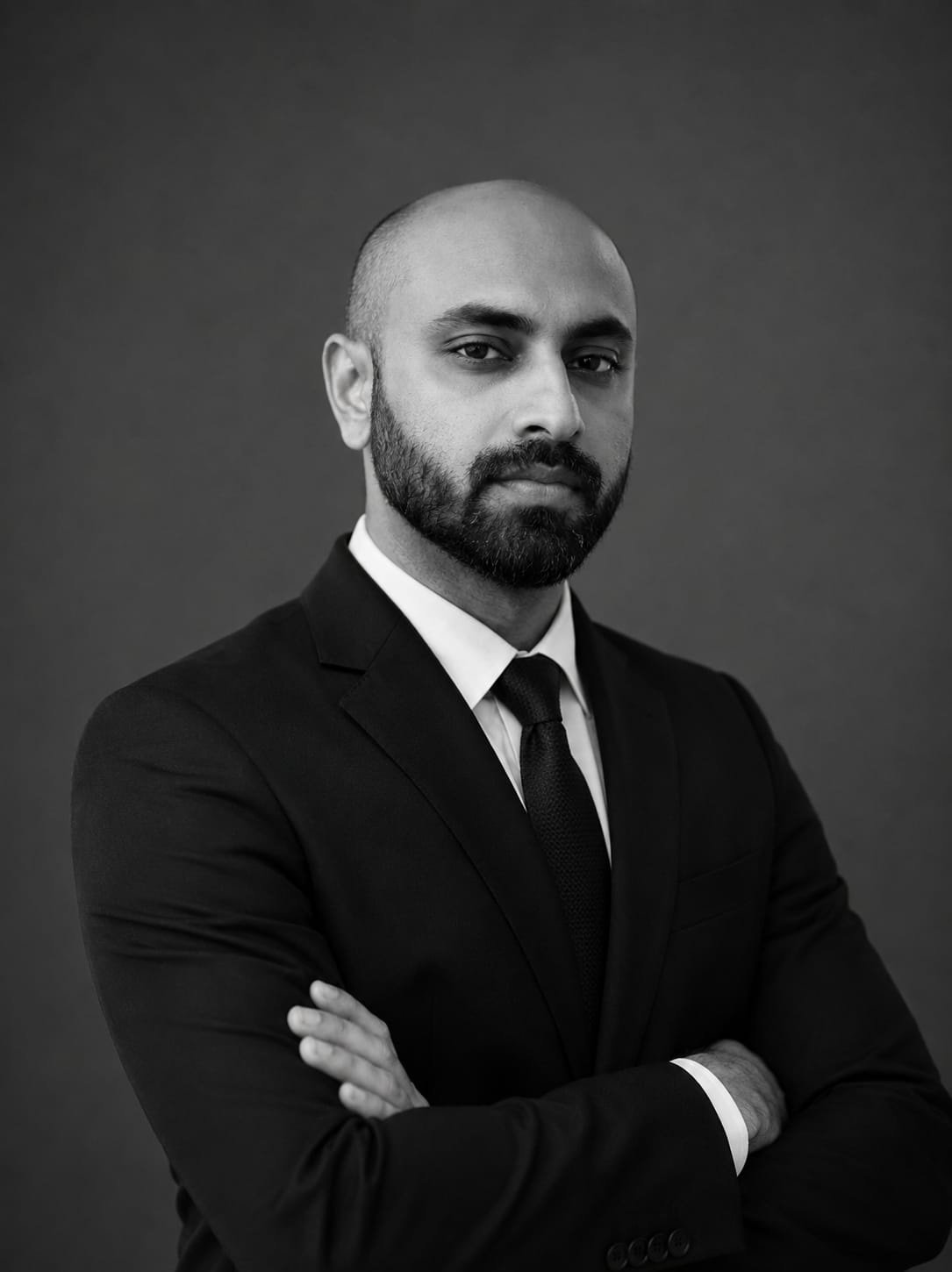
Arfan Shariff is the Co-Founder and Head of Operations at Zawjaan, overseeing platform operations, public relations and strategic partnerships. Drawing on his experience in community engagement, Arfan helps shape Zawjaan's trusted, faith-centred and user-focused approach to Muslim matchmaking, promoting compatibility, authenticity and meaningful lifelong marriages.