


Meet Abéché Muslim Women Online
For Muslim men in Abéché, online platforms like Zawjaan offer a private and respectful space to meet Muslim women committed to serious marriage. You can create a profile that reflects your faith, values, and intentions, then search for women in Abéché or across Chad who seek a husband. Online discovery allows you to interact within clear Islamic boundaries, getting to know a potential spouse before involving families. This approach is especially helpful for men who may not have extensive local networks or who wish to expand their search beyond immediate neighbourhoods and family connections.
Abéché Muslim Women for Marriage
Marriage in Abéché is a sacred bond, uniting two families as much as two individuals. For Muslim women, it represents a covenant with Allah, built on mutual respect, affection, and a shared commitment to Islamic life. The process typically begins with a family's blessing and moves towards the Nikah, where the marriage contract is solemnised under Islamic law. In Abéché, most marriages are arranged or assisted by families, reflecting the communal nature of Chadian society. For a man seeking a wife, demonstrating sincerity, religious commitment, and the capacity to provide is essential.
Halal Dating with Abéché Muslim Women
Halal dating in Abéché means intentionally interacting with a potential spouse in the presence of a chaperone (mahram) and avoiding any physical intimacy before Nikah. Conversations focus on matters that matter: faith, character, family, and aspirations. Couples may meet at public venues such as cafés or during community events, always maintaining Islamic decorum. The goal is not casual dating but a purposeful engagement, where both parties assess compatibility and readiness for marriage. Respect and modesty are paramount, and any relationship should have marriage as its explicit objective.
Islamic Nikah in Abéché
The Nikah is the Islamic marriage contract, celebrated with simplicity and solemnity in Abéché. It requires the consent of the bride and groom, the presence of two male witnesses (or one male and two female), and a mahr (dower) given by the groom to the bride. Local imams at mosques such as the Grand Mosque of Abéché can officiate the ceremony, often followed by a walima (marriage feast). For Muslim men, understanding the conditions of the Nikah and fulfilling the mahr with generosity are important signs of sincerity.
Halal Chat with Abéché Muslim Women
Halal chat between a man and a woman in Abéché should be purposeful and within limits. When using platforms like Zawjaan, messages should remain respectful, avoid flirtatious tones, and focus on serious topics: religious practice, family roles, and lifestyle expectations. If both parties agree, a virtual meeting can be arranged on video call while maintaining modesty. In Abéché, where community ties are strong, maintaining discretion is particularly important, as one's reputation is closely observed by neighbours and extended family.
Abéché Muslim Singles and Community Networks
Single Muslim women in Abéché come from diverse backgrounds, reflecting the city's rich cultural tapestry of Arab, Ouaddaï, and other ethnic communities. Many are educated, attending institutions such as the University of Abéché, and pursue careers in teaching, healthcare, or commerce. They seek husbands who are pious, reliable, and capable of leadership. Community events at mosques or Islamic centres often bring singles together indirectly through family networks. For a man serious about marriage, showing consistency and integrity is the best way to attract a respected partner.
Marriage Proposals and Khitbah in Abéché
In Abéché, the proposal, or khitbah, is a formal request made to a woman's family. A man typically approaches his own family or a respected intermediary to express his interest. The family then contacts the woman's parents, and meetings are arranged to discuss compatibility, mahr, and future plans. It is customary for the man to present gifts, often modest jewellery or cloth. The proposal process demonstrates respect for family involvement and is a crucial step before the Nikah. For Muslim men, patience and transparency during this phase build trust.
Physical Appearance of Abéché Muslim Women
When considering physical appearance, remember that Islam encourages looking at a potential spouse, yet inner beauty is the most lasting. In Abéché, women take pride in their modesty and hygenic presentation. Recognise that cultural standards of beauty vary, and what is valued locally may differ from other regions. Remember that beauty is relative and depends on personal preferences. Focus on what you truly want in a partner rather than societal standards.
Skin, Hair and Eye Colour
Skin tones in Abéché range from deep ebony to lighter honey, reflecting the diverse ethnic heritage of the region. Women often adorn themselves with traditional henna, and clothing colours such as vivid blues, greens, and earth tones are common. When describing a preference for skin, hair, or eye colour on a profile, be mindful that such preferences can be superficial. What matters is a healthy appearance and the character of the woman, not a specific shade.
Occupation and Profession
Professional life for Muslim women in Abéché often centres around education, healthcare, and trade. Many work as primary school teachers, nurses, or market traders, while others pursue roles in local administration or NGOs. The University of Abéché also employs academic and administrative staff. When considering a potential wife, appreciate her career as a contribution to the household, not a threat. Discuss how she envisions balancing work and family, and ensure your expectations align with her aspirations.
Height
Average height for women in Abéché is around 5 feet 4 inches or approximately 163 centimetres. Height is rarely a determining factor in marriage decisions here. While you may have a preference, be flexible and focus on overall compatibility. A woman's height does not reflect her character, faith, or ability to be a loving wife.
Ethnicity and Nationality
Abéché is a melting pot of ethnic groups, including the Ouaddaï, Arab, and various Chadian communities. Women may identify with one or more ethnicities, and this influences their language, customs, and family traditions. While some families prefer marriages within the same ethnic group, many are open to cross-cultural unions, especially when both partners are practising Muslims. Be respectful of her heritage and be prepared to learn about her family's customs, even if they differ from your own.
Compatibility with Abéché Muslim Women
Compatibility in marriage goes beyond initial attraction. It concerns shared values, life goals, and the daily habits that shape a household. In Abéché, where extended family plays a significant role, compatibility also involves how well you integrate with her family. Take time to discuss key areas of your lives before making a commitment.
Religious Alignment
Both partners should share a sincere commitment to Islam, including regular prayer, fasting, and observance of Islamic ethics. Differences in the level of religiosity can be bridged if both are willing to grow, but a common foundation is essential. Discuss your understanding of Islamic teachings and how you practice them daily, to ensure alignment.
Cultural Compatibility
Cultural compatibility in Abéché means navigating local traditions while keeping Islamic principles primary. Traditions around dress, food, hospitality, and gender roles may differ between families. Be open to learning about her cultural customs, and respectfully communicate your own. A willingness to blend cultures can enrich your marriage, provided that both remain rooted in Islam.
Local Muslim Culture
The Muslim culture in Abéché is vibrant and community-centred. Fridays are marked by congregational prayers at the Grand Mosque, followed by social gatherings. Marriages are celebrated with music and festive meals, though alcohol is strictly avoided. Respect for elders is paramount, and family approval is vital. Understanding these local customs helps you approach marriage with humility and respect.
Ideological Viewpoints
Muslim women in Abéché may hold varying interpretations of Islam, from traditional to more reformist perspectives. It is important to discuss doctrinal matters such as the role of women in society, education, and participation in public life. While you need not agree on every detail, mutual respect for differing viewpoints is crucial. Avoid dismissing her beliefs out of hand, as this can cause conflict.
Lifestyle Compatibility
Consider how you envision your daily life: prayer schedules, eating habits, time spent with extended family, and financial management. In Abéché, many households have a shared budget, and women often contribute to household income. Discuss your expectations regarding domestic responsibilities and socialising. A harmonious lifestyle is built on practical agreements, not assumptions.
Family Expectations
In Abéché, family is central. A wife is expected to maintain close ties with her parents and siblings, and visits are frequent. Many families live in extended households or nearby compounds. Be prepared to participate in family events and to honour your in-laws with respect. Your own family's expectations will also shape the relationship, so clarify roles and responsibilities early.
Marriage Goals
Marriage goals include establishing a home, possibly raising children, and supporting each other's spiritual growth. In Abéché, having children is highly valued, and large families are common. Discuss your wishes regarding family size, education, and how you will raise children in Islam. Also consider goals related to livelihood, such as business ventures or further studies, and ensure you are both aligned.
Relationship Expectations
Your relationship with your wife should be built on trust, kindness, and open communication. In Abéché, public displays of affection are avoided, but private affection is encouraged. Both partners should feel respected and valued. Set clear expectations regarding communication frequency, decision-making, and conflict resolution. Remember that marriage is a partnership, and both husband and wife have rights and responsibilities.
How to Find Muslim Women in Abéché
To find single Muslim women in Abéché, start by expanding your network within faith-based organisations. Attend lectures and events at the Grand Mosque or the Islamic Cultural Centre. Join family gatherings and ask relatives to make introductions. Online platforms like Zawjaan allow you to filter by location and religious practice. In addition, participating in community volunteer activities can help you meet women who share your values.
1. Create a clear marriage profile
Phase 1: Profile CreationTo create your profile on Zawjaan, highlight your faith and intentions. Include your educational background, profession, and a genuine description of your character. Specify that you are looking for a serious, marriage-minded Muslim woman in Abéché.
2. Search locally and realistically
Phase 2: Local DiscoveryWhen searching in Abéché, set your location to Abéché, Chad, and use filters for religious practice, ethnicity, and profession. Browse profiles of Muslim women who have expressed interest in marriage. Contact those who align with your values.
3. Begin respectful halal chat
Phase 3: Compatibility ScreeningHalal chat should begin with respectful greetings and a clear introduction of your intentions. Ask about her religious practice, family, and views on marriage. Avoid flirting or discussing topics that are not appropriate before Nikah. Keep conversations focused on compatibility.
4. Arrange a public meeting
Phase 4: Face-to-Face CourtshipWhen you both feel comfortable, arrange a public meeting in a well-known venue such as a café in a busy area or a family-approved setting. Bring a mahram if possible, and ensure the conversation remains respectful and goal-oriented.
5. Introduce both families
Phase 5: Family MeetingBefore involving families, inform your own family about the lady and seek their approval. Then, make a formal proposal to her family through a trusted intermediary or directly if cultures permit. Discuss mahr and future plans.
6. Prepare the legal documentation
Phase 6: Legal DocumentationIn Chad, civil marriage is legally recognised, but many couples also perform the Nikah. Check the requirements at the local civil registry in Abéché for documents like birth certificates and proof of status. Arrange for a civil ceremony if required by law, while the Nikah separately fulfils Islamic requirements.
7. Complete the Islamic Nikah
Phase 7: Marriage ContractCoordinate with an imam at the Grand Mosque of Abéché to conduct the Nikah. Ensure two witnesses are present, and agree on the mahr. Celebrate with a walima that respects Islamic guidelines, bringing both families together in a joyful occasion.
Frequently Asked Questions
How can Muslim men meet Abéché Muslim women for marriage?
You can meet Abéché Muslim women through family referrals, community events at the Grand Mosque, and online platforms like Zawjaan. Networking within the local Islamic community is also effective.
What qualities do Abéché Muslim women typically look for in a husband?
They value a man with strong faith, good character, and the ability to provide. Religiosity and respect for family are paramount, along with a sincere intention to build a lasting marriage.
What is the role of the family in courtship for Abéché Muslim women?
For Abéché Muslim women, family involvement is essential. A suitor must seek the approval of her parents and often relatives before proceeding. Family consent underscores the seriousness of his intentions.
Are Abéché Muslim women open to online matchmaking?
Yes, many Abéché Muslim women use platforms like Zawjaan to find pious partners, especially as a way to widen their search while maintaining privacy and modesty. Ensure your interactions are halal.
What should a Muslim man know before marrying an Abéché Muslima?
Be prepared to respect local customs, learn Arabic if necessary, and integrate into her community. Understand the expectations regarding mahr and family duties. Patience and cultural sensitivity are key.
About the Author
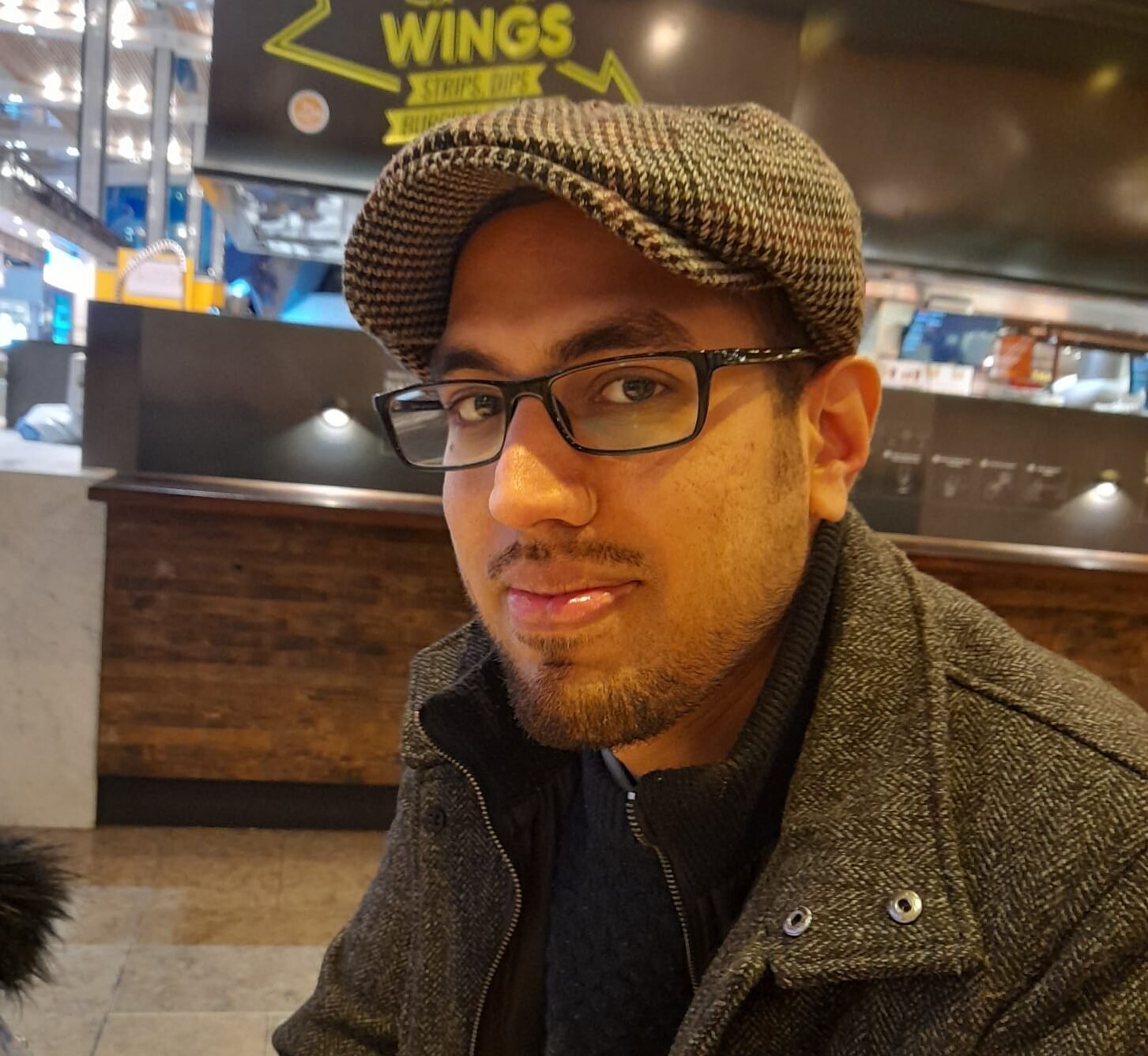
Majduddin Mohammed is the Co-Founder and Head of Marketing Analytics at Zawjaan, where he leads marketing campaigns, search strategy and data-driven growth initiatives for the platform. His work focuses on using data-driven analytics, community expertise, and digital insights to improve how Muslim singles discover and engage with Zawjaan while helping them connect with the shared goal of marriage.