


Meet Kumasi Muslim Men Online
Online matchmaking has become a trusted way for Muslim women in Kumasi to connect with serious Muslim men. Platforms such as Zawjaan allow you to filter profiles by faith, occupation, and family background, ensuring that your search remains aligned with Islamic values. Many brothers in Kumasi view online introductions as a practical and respectful approach to finding a spouse, especially when traditional avenues have not led to the right match. When used with intention and proper boundaries, online platforms can open doors to families from different neighbourhoods and communities across Ghana.
Kumasi Muslim Men for Marriage
Marriage in Kumasi is seen as a sacred covenant and a significant family milestone. For Muslim men, it is a step towards completing half of their deen, and for women, a chance to build a household rooted in mutual respect and faith. The journey often involves both families from the outset, with elders playing a key role in guiding decisions. Whether the match is made through family or online, the goal remains the same: a lasting union that pleases Allah and brings stability to both families.
Halal Dating with Kumasi Muslim Men
Halal dating for Muslim men in Kumasi means getting to know a potential spouse in a chaperoned, respectful manner. This is done without physical intimacy or seclusion, often with a mahram present. Conversations might happen through halal chat apps, followed by meetings in public places like the Kumasi City Mall or a calm cafe in Asokwa. These interactions allow both individuals to assess compatibility while keeping the relationship pure and within the boundaries of Islam.
Islamic Nikah in Kumasi
The Islamic Nikah is the foundation of marriage in Kumasi, solemnised by an Imam and witnessed by at least two male Muslim witnesses. It is a simple yet powerful ceremony where the groom offers a mahr (dowry) to the bride. In Ghana, the Nikah is often followed by a customary marriage, which may involve the bride’s family and local traditions. The timing can be arranged with the mosque, and many couples choose to hold the Nikah at a mosque such as the Kumasi Central Mosque or a family home.
Halal Chat with Kumasi Muslim Men
Halal chat is a vital step for building acquaintance before marriage. In Kumasi, many Muslim men and women use secure, moderated platforms that respect Islamic etiquette, avoiding idle talk or secrecy. A brother might ask about your daily salah, your work in the banking sector, or your familiarity with the community around Abrepo. The key is to keep the conversation purposeful and respectful, with clear boundaries, ensuring that both parties feel comfortable and that the family’s involvement is planned at the right time.
Kumasi Muslim Singles and Community Networks
Muslim singles in Kumasi are part of a close-knit community that spans diverse backgrounds, including Hausa, Dagomba, Fulani, and Asante Muslims. Many young professionals are based in neighbourhoods like Ahodwo or Danyame, balancing careers in teaching, healthcare, or trade. The community is active in events at the Kumasi Central Mosque and the Ghana Islamic Mission, where families often share information about eligible men. For women, knowing where to look and who to ask can make the search for a pious and compatible spouse much easier.
Marriage Proposals and Khitbah in Kumasi
In Kumasi, a proposal often begins with the man’s family contacting the woman’s family, either after a formal introduction or through a mutual connection. For a brother who has met someone through an online platform, the next halal step is to involve his parents, who will then approach the woman’s family. This process, known as khitbah, may include a visit to the family home, sharing of intentions, and a discussion about the mahr and future plans. It is a respectful and structured way to move towards marriage, with family support at every stage.
Physical Appearance of Kumasi Muslim Men
When considering the physical appearance of Muslim men in Kumasi, it is important to look beyond surface traits. Many brothers take pride in their appearance, often dressing smartly for Jumu’ah or social occasions. Remember that beauty is relative and depends on personal preferences. Focus on what you truly want in a partner rather than societal standards. A man’s character, his care in grooming, and his modesty are more telling than his wardrobe.
Skin, Hair and Eye Colour
Muslim men in Kumasi are diverse in skin tone, ranging from deep ebony to lighter hues, reflecting the various ethnic groups that make up the community. Hair and eye colours are similarly varied, with some having dark eyes and others brown. These natural features are often seen as part of an individual’s blessing, and local preferences vary. What matters more is the way a man carries himself, whether he is a Hadith teacher in Aboabo or a young entrepreneur in Asafo.
Occupation and Profession
The occupational landscape of Muslim men in Kumasi is dynamic. Many work in the bustling markets of Kejetia and Bantama, trading in textiles, electronics, or agricultural produce. Others are active in the health sector, education, or public service, with several graduates from Kwame Nkrumah University of Science and Technology (KNUST) or Kumasi Technical University. Professions such as teaching, engineering, and medicine are respected, but a man’s honesty and earning capability matter more than his title.
Height
When it comes to height, preferences vary widely. In Kumasi, the average height for men is often around 5 feet 9 inches or approximately 175 centimetres. If you have a particular preference, it is okay to consider it, but remember that a man’s height does not determine his capability as a husband. Look for someone whose presence is grounded in faith and confidence, rather than inches.
Ethnicity and Nationality
Kumasi’s Muslim community is ethnically rich, with Hausa, Yoruba, Dagomba, Fulani, Gonja, and Asante Muslims calling the city home. This diversity means that cultural practices and even the use of Arabic or local languages may vary. For a Muslim woman, understanding a man’s ethnic background can be important for family communication and future celebrations. Many families are open to inter-ethnic marriages, provided both parties are committed to their faith and willing to embrace each other’s customs.
Compatibility with Kumasi Muslim Men
Compatibility in marriage goes beyond shared interests; it is about aligning values, life goals, and daily routines. For a successful union with a Kumasi Muslim man, assess how well your faith practices, cultural expectations, and long-term plans fit together.
Religious Alignment
A shared commitment to Islam is the first step. Discuss how he practises daily prayers, whether he attends Tafsir at Kumasi Central Mosque, and his views on the four madhhabs. In Kumasi, many men follow the Maliki or Shafi’i school, but what matters is that both of you are comfortable with each other’s level of observance and religious knowledge.
Cultural Compatibility
Cultural compatibility involves understanding each other’s family traditions, languages, and expectations. For instance, a brother from the Hausa community might have different customs from an Asante Muslim. Ask about how his family celebrates Eid, how they handle weddings, and whether he expects you to follow certain cultural norms. Mutual respect for each other’s cultural roots is key.
Local Muslim Culture
The local Muslim culture in Kumasi is vibrant, with daily prayers at central mosques and annual events like Mawlid. Men often take part in community iftars during Ramadan, which are open to all. A man’s involvement in these traditions can tell you a lot about his community spirit and how he might raise a family. It also shows his ties to the broader Ummah in Ghana.
Ideological Viewpoints
Muslim men in Kumasi hold a spectrum of ideological viewpoints, from those who follow traditional Sufi orders to those influenced by reformist movements. These views can affect everything from what is permissible in clothing to the role of women in society. It is important to have open conversations about these topics early in your acquaintance to ensure you are not at odds on fundamental issues.
Lifestyle Compatibility
Daily lifestyle habits matter. Does he prefer a quiet evening with family or outings to the city’s parks? Is he an early riser who prays Fajr at the mosque, or does he juggle late-night business? Discuss how you both spend free time, handle finances, and manage household chores. A compatible lifestyle will make the journey of marriage more harmonious.
Family Expectations
In Kumasi, family expectations are often high. A man might be expected to support his parents financially, host relatives, or follow certain protocols when taking a wife. Talk about how often he visits his family, who will be involved in decision-making, and whether he expects you to live with his parents or separately. Clear communication on this can prevent conflicts later.
Marriage Goals
What are his goals for marriage? Does he hope to have children soon, move abroad, or build a business in Kumasi? His aspirations should align with yours. Many men in Kumasi value a wife who is a partner in striving for success, whether in raising a family or in entrepreneurship. Ensure you both are on the same path.
Relationship Expectations
Finally, clarify your expectations for the relationship itself. In Kumasi, marriage is often a partnership with defined roles, but these can be flexible. Talk about how you will resolve disagreements, how you will support each other’s personal growth, and how you will maintain Islamic values in your home. Understanding each other’s needs from the beginning builds a strong foundation.
How to Find Muslim Men in Kumasi
To find Muslim men for marriage in Kumasi, start by strengthening your community ties. Attend events at the Kumasi Central Mosque, the Ghana Islamic Mission, or the Ahmadiyya Muslim Mission. Use online platforms like Zawjaan, where you can filter profiles by location and religiosity, and also ask family and friends to refer eligible brothers from their networks.
1. Create a clear marriage profile
Phase 1: Profile CreationCreate a genuine profile that highlights your faith, family background, and career in Ghana.
2. Search locally and realistically
Phase 2: Local DiscoveryUse the search filters to find brothers in Kumasi neighbourhoods like Asokwa, Ahodwo, and Abrepo.
3. Begin respectful halal chat
Phase 3: Compatibility ScreeningInitiate halal chat by asking about his involvement in the local Muslim community.
4. Arrange a public meeting
Phase 4: Face-to-Face CourtshipSuggest a public meeting at a safe venue like the Kumasi City Mall or a quiet cafe.
5. Introduce both families
Phase 5: Family MeetingInvolve your families once you feel comfortable, allowing them to meet and discuss futures.
6. Prepare the legal documentation
Phase 6: Legal DocumentationPrepare for the civil marriage rites in Ghana by gathering the required documents, such as passports and birth certificates.
7. Complete the Islamic Nikah
Phase 7: Marriage ContractArrange the Islamic Nikah with an Imam, choosing a mosque like the Kumasi Central Mosque for the ceremony.
Frequently Asked Questions
How can Muslim women meet Kumasi Muslim men for serious marriage?
Begin by networking through community events at mosques or Islamic groups, and use reputable matchmaking platforms like Zawjaan that cater to Ghanaians. You can also ask respected elders to make introductions within the Kumasi community.
What qualities do Muslim brothers in Kumasi typically seek in a wife?
Muslim brothers in Kumasi often value religious devotion, family orientation, and good character. They also appreciate a woman who is supportive, educated, and comfortable with the local culture, whether in the market or at the mosque.
Are there Islamic marriage events for Muslim women and men in Kumasi?
Yes, during Ramadan and Eid, the Kumasi Central Mosque and other community centres host iftars and lectures where families interact. Attending these events with a mahram can help you meet Muslim men in a halal setting.
What is the role of a Muslim woman's family in matching with a Kumasi Muslim groom?
The woman’s family plays a significant role, as the groom’s family will formally approach them. It is customary for the woman to involve her parents early, and their approval is usually required before the Nikah can take place.
How do Muslim grooms in Kumasi balance work and marriage expectations?
Many Muslim grooms in Kumasi work in sectors like teaching, trading, or healthcare, often with long hours. They seek wives who understand their work schedules but also protect time for family, prayer, and community duties.
About the Author
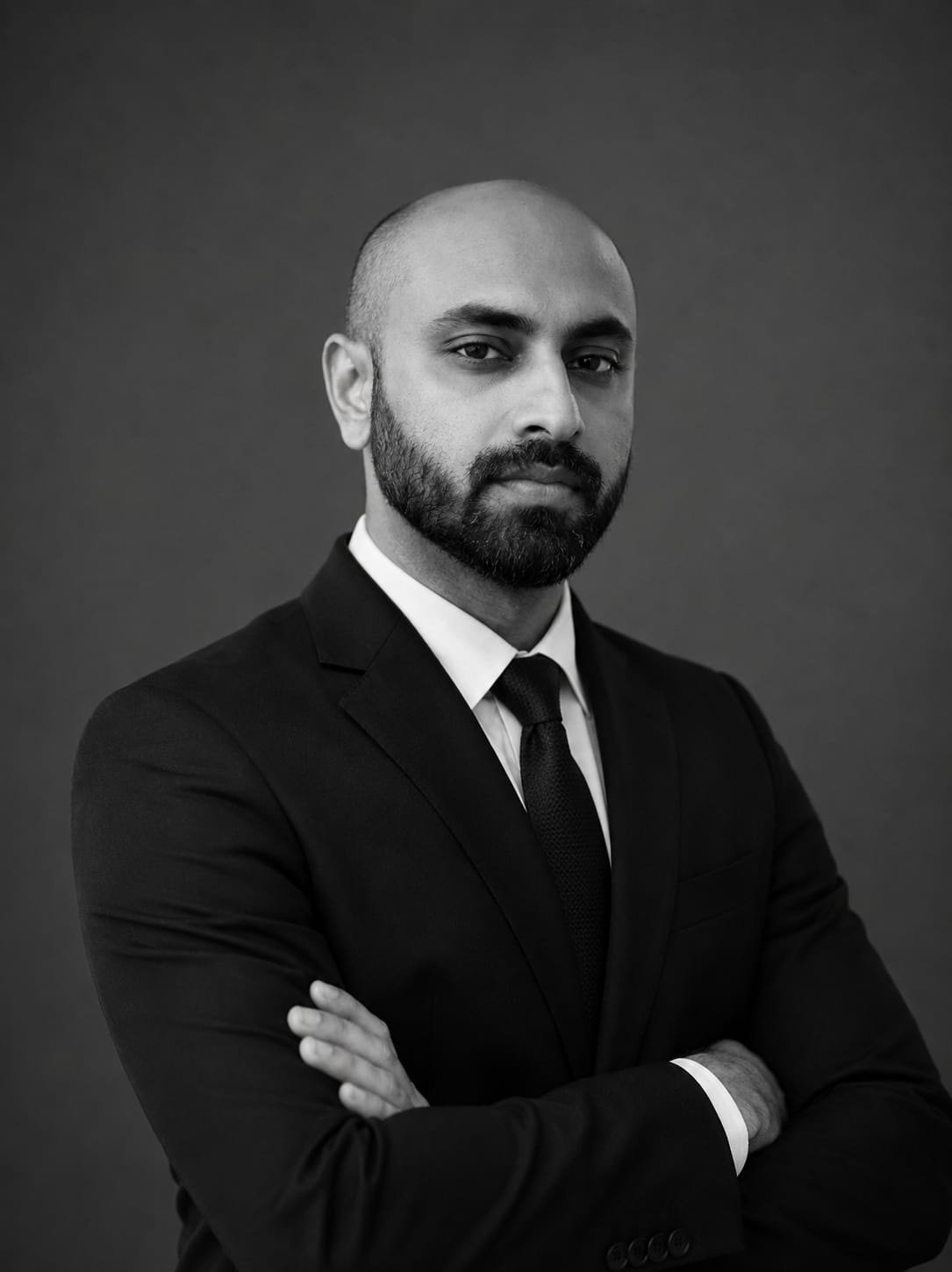
Arfan Shariff is the Co-Founder and Head of Operations at Zawjaan, overseeing platform operations, public relations and strategic partnerships. Drawing on his experience in community engagement, Arfan helps shape Zawjaan's trusted, faith-centred and user-focused approach to Muslim matchmaking, promoting compatibility, authenticity and meaningful lifelong marriages.