



Meet Garoua Muslim Men Online
For Muslim women in Garoua, online platforms like Zawjaan offer a discreet and respectful way to meet Muslim men. These platforms cater to serious intentions, allowing you to filter by religious practice, ethnicity, and lifestyle. Unlike casual dating apps, Zawjaan emphasises family involvement and halal interactions. Creating a detailed profile that reflects your values attracts brothers who are equally committed to marriage. Online discovery is particularly useful in Garoua, where communities can be small and interconnected, providing a wider pool of eligible bachelors while maintaining modesty and privacy.
Garoua Muslim Men for Marriage
Marriage in Garoua, as in the rest of Cameroon, is a sacred bond that unites families. For Muslim men, it is a sunnah and a means of completing half their faith. The process often begins with a proposal from the man's family, followed by negotiations between families. In Garoua, the extended family plays a crucial role, and their consent is highly valued. Islamic marriage, or Nikah, is a contract that requires the bride's approval and a mahr. Understanding these traditions helps Muslim women navigate the journey with confidence, ensuring a blessed union.
Halal Dating with Garoua Muslim Men
Halal dating for Garoua Muslim men involves getting to know a potential spouse within Islamic guidelines. This means interactions are chaperoned, respectful, and focused on assessing compatibility for marriage. In Garoua, public spaces like the Grand Marché or the banks of the Benoué River can be settings for supervised meetings. The goal is to discuss important topics such as faith, family, and future goals without physical intimacy. Halal dating is about meaningful conversations and seeking Allah's guidance through istikhara, ensuring the relationship is built on solid foundations.
Islamic Nikah in Garoua
The Nikah ceremony is the cornerstone of Islamic marriage. In Garoua, it is a joyous occasion that brings together both families. The ceremony is conducted by an imam, often at a mosque or the bride's home, and requires two male Muslim witnesses. The mahr, a gift from the groom to the bride, is an essential part of the contract. In Cameroon, the Nikah is often followed by a civil registration to be legally recognised. For Garoua Muslim men, performing the Nikah is a commitment to uphold the rights and responsibilities prescribed by Islam.
Halal Chat with Garoua Muslim Men
Halal chat refers to conversations that take place within the bounds of Islamic etiquette. For Muslim women corresponding with Garoua Muslim men, this means avoiding flirtatious or secretive communication. Instead, chats should be purposeful, covering topics like religious practice, daily life, and marriage expectations. Using a platform like Zawjaan ensures that conversations are monitored and respectful. In Garoua, where community reputation matters, maintaining modesty in chat is crucial. Halal chat helps build trust and understanding without compromising Islamic values.
Garoua Muslim Singles and Community Networks
Garoua is home to many Muslim singles seeking marriage. The community is diverse, including Fulani, Hausa, and Kotoko ethnic groups, each with its own traditions. Muslim women may find potential partners through family networks, mosque gatherings, or community events. The annual Eid prayers bring together large congregations where introductions can be made respectfully. Additionally, local Islamic organisations often host events for young Muslims. For those who prefer a broader search, online platforms like Zawjaan connect Garoua Muslim men with women from across Cameroon, expanding the possibilities.
Marriage Proposals and Khitbah in Garoua
A proposal, or Khitbah, is a formal request for marriage. In Garoua, this involves the man's family visiting the woman's family to ask for her hand. The process is respectful and often includes discussions about mahr and future plans. For Muslim women, accepting a proposal is a decision made with family involvement and prayer. Garoua Muslim men typically approach proposals with sincerity, having already researched the woman's background and character. A clear and honest proposal sets a positive tone for the marriage, ensuring both families are aligned from the start.
Physical Appearance of Garoua Muslim Men
When considering a potential spouse, physical appearance is one of many factors. In Garoua, men may prefer women who dress modestly and present themselves with dignity. However, inner beauty holds great importance in Islam. Remember that beauty is relative and depends on personal preferences. Focus on what you truly want in a partner rather than societal standards.
Skin, Hair and Eye Colour
In Garoua, skin, hair, and eye colour vary widely due to the diverse ethnic makeup. Preferences for colour are subjective and often influenced by cultural background. Muslim women should not feel pressure to conform to a certain look. Instead, concentrate on character and faith. Compliments on appearance should be modest and sincere, reflecting Islamic etiquette.
Occupation and Profession
Garoua is an economic hub with opportunities in agriculture, trade, and textiles. Muslim men may work as merchants, farmers, teachers, or civil servants. Understanding a man's occupation gives insight into his lifestyle and ability to provide. A stable job is valued, but so is dedication to halal income. Women should discuss career goals to ensure compatibility in terms of time and resources.
Height
Height is a physical trait that some may consider. In Garoua, the average height for men varies, but a common reference is 5 feet 9 inches or approximately 175 centimetres. However, height is not a measure of character or compatibility. Focus on a man's principles and religiosity rather than his stature.
Ethnicity and Nationality
Garoua is a multicultural city with significant Fulani, Hausa, and Kotoko populations. Each ethnic group has distinct customs and languages. For Muslim women, understanding a man's ethnic background can help in appreciating family traditions and expectations. However, Islam transcends ethnicity, and many successful marriages are interethnic. Be open to learning about different cultures as long as values align.
Compatibility with Garoua Muslim Men
Compatibility is the foundation of a successful marriage. It encompasses faith, lifestyle, and family goals. For Garoua Muslim men, compatibility is often assessed through shared values and mutual respect.
Religious Alignment
Garoua Muslim men generally hold strong Islamic values. It is important for women to assess a man's commitment to daily prayers and religious knowledge. Attending the same mosque or participating in community religious events can help gauge alignment. Discussing religious practices early ensures you are on the same path.
Cultural Compatibility
Cultural compatibility involves understanding and respecting each other's traditions. In Garoua, this may mean navigating different ethnic customs around weddings, family roles, and celebrations. Be open to learning and compromising, as cultural differences can enrich a marriage when handled with respect.
Local Muslim Culture
The local Muslim culture in Garoua is deeply rooted in community and extended family. Friday prayers at the central mosque are a weekly gathering point. Festivals like Eid are celebrated with feasts and gatherings. Women entering this culture should be prepared for close-knit social networks and a strong sense of brotherhood among men.
Ideological Viewpoints
Muslim men may have varying ideological perspectives, from traditional to contemporary. It is important to discuss religious interpretations and worldviews to ensure harmony. In Garoua, respect for scholarship and following the sunnah are valued. Seek a man who shows balance and is open to dialogue.
Lifestyle Compatibility
Lifestyle compatibility covers daily habits, work routines, and leisure activities. In Garoua, life may revolve around the mosque, family visits, and local markets. Consider a man's social activities, spending habits, and aspirations. A shared lifestyle makes daily life more harmonious.
Family Expectations
Family plays a central role in Garoua. Muslim men often have close ties with their parents and siblings. Women should be prepared to build relationships with in-laws and respect their husbands' family duties. Clear communication about boundaries and expectations is essential.
Marriage Goals
Discuss long-term goals such as children, home life, and financial plans. Garoua Muslim men often aspire to provide a stable home and raise children with good values. Ensure your visions for the future are compatible.
Relationship Expectations
Both partners should communicate their expectations regarding affection, communication, and decision-making. In Garoua, the husband is typically the family leader, but mutual respect and consultation are valued. Establish a framework that works for both.
How to Find Muslim Men in Garoua
To find Garoua Muslim men, start by asking family and friends for introductions. Attend mosque events and community gatherings. Online platforms like Zawjaan allow you to search by location and criteria. Always involve a mahram in initial meetings and seek istikhara.
1. Create a clear marriage profile
Phase 1: Profile CreationCreate a profile that highlights your faith, interests, and what you seek in a spouse. Upload clear, modest photos and be honest about your intentions.
2. Search locally and realistically
Phase 2: Local DiscoveryUse Zawjaan's search filters to find Muslim men in Garoua. Look for profiles that mention serious marriage and align with your values.
3. Begin respectful halal chat
Phase 3: Compatibility ScreeningWhen messaging, keep conversations respectful and purposeful. Avoid idle chat and focus on topics that matter for marriage.
4. Arrange a public meeting
Phase 4: Face-to-Face CourtshipWhen ready, arrange a public meeting in a halal venue, such as a cafe or park, with a chaperone present. Keep the meeting short and focused.
5. Introduce both families
Phase 5: Family MeetingIntroduce the man to your family after a few conversations. In Garoua, family approval is important, so prepare them with positive information.
6. Prepare the legal documentation
Phase 6: Legal DocumentationOnce both families agree, take steps for civil registration. Consult local authorities for the required paperwork and legal procedures in Cameroon.
7. Complete the Islamic Nikah
Phase 7: Marriage ContractPlan the Nikah ceremony. Coordinate with an imam at a local mosque, choose the mahr, and ensure the necessary witnesses are present.
Frequently Asked Questions
How can Muslim women meet eligible Muslim men in Garoua for serious marriage?
You can start by expanding your social network through mosque activities and family connections. Online platforms like Zawjaan are also effective, allowing you to filter for Garoua-based Muslim men who share your intention for marriage.
What qualities should Muslim women look for in Garoua Muslim men?
Look for a man who is committed to his daily prayers, has good character, and is financially stable. In Garoua, family values are strong, so also consider his relationship with his family and his ability to lead with kindness and respect.
Are there halal ways for Muslim women to get to know Muslim men in Garoua before marriage?
Yes, halal dating involves supervised meetings in public places, such as a cafe, with a mahram present. Discuss important aspects of life like faith, career, and family goals. Online halal chat through reputable platforms is also acceptable.
How do Muslim men in Garoua typically approach marriage proposals?
Usually, the man's family visits the woman's family to make a formal proposal. This is a serious step, so it is common after a period of getting to know each other through family and community channels. It is customary to bring a gift and discuss the mahr.
What local resources are available for Muslim men and women in Garoua to learn about marriage?
Local mosques, such as the Garoua Central Mosque, often offer pre-marital counselling and classes. Islamic scholars in the community also provide guidance on Nikah procedures. Additionally, community centres and Islamic organisations host seminars on family life.
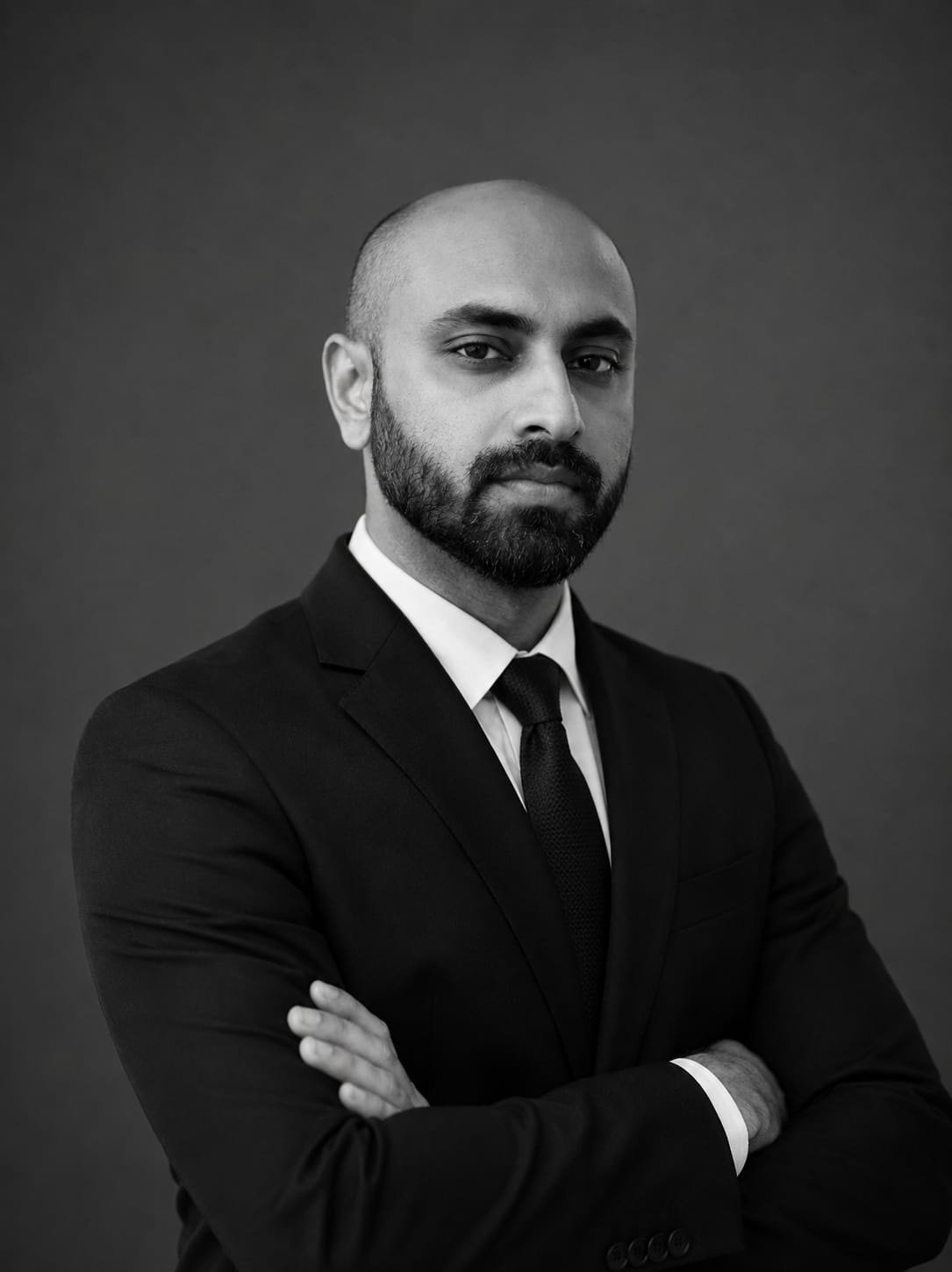
About the Author
Arfan Shariff is the Co-Founder and Head of Operations at Zawjaan, overseeing platform operations, public relations and strategic partnerships. Drawing on his experience in community engagement, Arfan helps shape Zawjaan's trusted, faith-centred and user-focused approach to Muslim matchmaking, promoting compatibility, authenticity and meaningful lifelong marriages.