

Meet Maroua Muslim Men Online
For Muslim women in Maroua, online platforms offer a discreet yet effective way to meet Muslim men who are serious about marriage. Zawjaan, and similar halal matchmaking sites, allow you to create a profile that reflects your values and intentions. When browsing profiles of Maroua Muslim men, look for those who explicitly mention their commitment to Islamic principles. Use the search filters to narrow down candidates by age, occupation, and religious practice. Always communicate through the platform's messaging system initially, and involve a mahram in conversations as soon as mutual interest is established.
Maroua Muslim Men for Marriage
Marriage in Maroua is a sacred bond that unites families and communities. For Muslim men in Maroua, marriage is not just a personal commitment but a social and religious duty. Most men seek a wife who is pious, respectful, and supportive. Family approval is essential, and the process often begins with a formal proposal to the woman's family. Understanding this cultural context helps Muslim women approach marriage with realistic expectations and a willingness to engage with extended family dynamics. Respect for elders and adherence to Islamic teachings are fundamental values that shape the marital relationship.
Halal Dating with Maroua Muslim Men
Halal dating in Maroua involves supervised meetings with the intention of marriage. Muslim men in Maroua are generally accustomed to involving family members or trusted friends as chaperones during courtship. These meetings are structured to avoid physical intimacy and focus on discussing important topics such as faith, family, and future goals. As a Muslim woman, you can suggest meeting in public places like a café or a park, and ask your potential partner to bring a male relative. This approach ensures that the interaction remains respectful and aligned with Islamic etiquette.
Islamic Nikah in Maroua
The Islamic Nikah is the core of a Muslim marriage, and in Maroua it is conducted according to the Maliki school of jurisprudence. The ceremony requires the consent of both the bride and groom, and the presence of two male witnesses. The mahr, or dowry, is a mandatory gift from the groom to the bride and is often negotiated by the families. Local imams, such as those at the Grand Mosque of Maroua, are qualified to officiate the Nikah. The celebration is usually modest, with a focus on religious rites and family gatherings rather than extravagant events.
Halal Chat with Maroua Muslim Men
Halal chat refers to respectful, purposeful conversation between potential spouses before marriage. In Maroua, where gender segregation is common, online chat platforms provide a controlled environment to get to know a person. Muslim men appreciate clear and honest communication. Discuss religious practice, daily routines, and long-term plans. Avoid flirtatious or ambiguous language. It's advisable to involve a mahram in the chat if you feel it's becoming too personal. Remember that the goal is to determine compatibility for marriage, not to engage in a romantic relationship outside the bounds of Islam.
Maroua Muslim Singles and Community Networks
The Muslim singles community in Maroua is active, with many events and gatherings organised through the city's mosques and Islamic centres. Women may find it challenging to meet men directly, but family networks and introductions through friends are common. There are also Islamic associations that host lectures and social events where families can meet. For a more targeted approach, online platforms allow you to connect with Muslim men in Maroua without violating social norms. Whether through community or online, the key is to maintain intentions focused on marriage and to involve your family early in the process.
Marriage Proposals and Khitbah in Maroua
In Maroua, a marriage proposal, or khitbah, is a formal step initiated by the man's family. The groom's family sends a delegation to the bride's family to express the intention to marry and to begin negotiations. As a Muslim woman, you may have the opportunity to meet the potential groom during this process, often with a chaperone. It's important to use this time to ask questions about his character, livelihood, and religious commitment. The proposal is a serious commitment, and both families pray for Allah's guidance. If both families agree, the engagement period begins, leading to the Nikah.
Physical Appearance of Maroua Muslim Men
When considering Maroua Muslim men, physical appearance is one aspect of compatibility, but it is not the most significant. Muslim men in Maroua typically dress modestly, often wearing flowing robes and a skullcap. Many take pride in their appearance and maintain good hygiene. However, the focus should be on character and faith. Remember that beauty is relative and depends on personal preferences. Focus on what you truly want in a partner rather than societal standards.
Skin, Hair and Eye Colour
Skin, hair and eye colour vary widely among Maroua Muslim men due to the diverse ethnic groups in the region, including Fulani, Kanuri, and Arab communities. Some have lighter complexions, while others are darker. Hair colour is typically black, and eye colours range from brown to dark brown. These traits are not indicators of religious devotion or character. In Islam, piety is the standard for preference, not physical features. Therefore, avoid making assumptions based on appearance and focus on the qualities that matter for a lasting marriage.
Occupation and Profession
Many Maroua Muslim men are engaged in trade, agriculture, or work in the public sector. The city is a commercial hub, and you will find businessmen involved in livestock, grains, and textiles. Others may be teachers, healthcare workers, or civil servants. When considering a potential husband, discuss his occupation and financial stability. The husband is responsible for providing, so it is important to ensure he can support a family. Some men may have irregular income due to the local economy, so having an open conversation about finances is crucial.
Height
Height preferences vary, but if you have a specific preference, Maroua Muslim men on average range from 5 feet 6 inches to 5 feet 10 inches. For example, a man who is 5 feet 9 inches or approximately 175 centimetres is quite common. Physical compatibility, including height, is often not a deal-breaker for many women, and more emphasis is placed on character and religious commitment. Consider what is truly important to you and keep an open mind.
Ethnicity and Nationality
The Muslim community in Maroua is ethnically diverse, comprising mainly Fulani, Kanuri, and Mandara peoples. Each ethnic group has its own customs and traditions, which can influence family expectations and marriage practices. When considering a Muslim man from Maroua, be respectful of his ethnic background and learn about his cultural practices. Inter-ethnic marriages are common and can be successful when both families are open and willing to understand each other. Focus on shared Islamic values rather than ethnic differences.
Compatibility with Maroua Muslim Men
Compatibility is essential for a successful marriage. Beyond superficial traits, you need to be aligned on religion, culture, lifestyle, and goals. The following sections explore key areas to assess when getting to know Maroua Muslim men.
Religious Alignment
Religious alignment is the most critical factor. Muslim men in Maroua are predominantly Sunni, following the Maliki school. Discuss their daily prayers, fasting, and knowledge of Islam. A man who is committed to his faith will be more likely to lead the family in accordance with Islamic principles. Ask about his attendance at the mosque, such as the Grand Mosque, and his willingness to support you in your own religious practices.
Cultural Compatibility
Cultural compatibility involves understanding and respecting each other's backgrounds. While both of you may be Muslim, your ethnic customs may differ. For instance, Fulani traditions emphasise modesty and hospitality, while Kanuri culture has its owns norms. Discuss how you will celebrate holidays, interact with extended family, and raise children. A man who is willing to blend traditions while keeping Islam central will enhance your marital harmony.
Local Muslim Culture
Local Muslim culture in Maroua is characterised by strong community bonds and adherence to traditional values. Men are expected to be the providers and protectors of their families. Women are often responsible for the household and child-rearing, though many also work. Understanding these expectations will help you assess whether a potential husband respects your own ambitions and desires. Attend community events at places like the Maroua Islamic Centre to observe the culture firsthand.
Ideological Viewpoints
Ideological viewpoints can vary among Maroua Muslim men, from conservative to more moderate interpretations of Islam. It is important to discuss issues such as women's roles, education, and the use of music. Some men may hold strict views on gender segregation, while others are more flexible. Ensure that your viewpoints are compatible to avoid future conflicts. Discuss these matters openly and honestly, with reference to Islamic teachings and local practices.
Lifestyle Compatibility
Lifestyle compatibility concerns daily habits and routines. Consider how he spends his free time, his eating habits, and his social life. In Maroua, men often socialise in coffee houses or at the mosque. If you enjoy a quiet home life, a man who prefers spending evenings with friends may not be a good match. Discuss your typical day and see if your lifestyles align. Also, consider the importance of community involvement and whether you share similar expectations for socialising.
Family Expectations
Family expectations are significant in Maroua. Many Muslim men expect their wives to be close to their own families, and extended family members often live nearby or in the same household. A man's mother may have considerable influence. Discuss the living arrangements after marriage, the role of in-laws, and how family decisions are made. Ensure that you are comfortable with his family dynamics and that he is willing to set boundaries if necessary.
Marriage Goals
Marriage goals encompass your shared vision for the future. Do you both want children, and how many? What are your educational and career aspirations? A marriage is a partnership, so it is important to be on the same page. Muslim men who are serious about marriage will have clear goals and be willing to plan for the future. Use this time to align on important matters such as where you will live and how you will manage finances.
Relationship Expectations
Relationship expectations are about the emotional and practical aspects of marriage. Discuss how you will handle disagreements, the level of affection you expect, and how you will communicate. In Maroua, marriage is often more traditional, but emotional connection is still valued. Ensure that he is kind, respectful, and communicative. A man who listens and values your opinions will contribute to a healthy, loving relationship.
How to Find Muslim Men in Maroua
To find Maroua Muslim men for marriage, start by using Zawjaan to search profiles and connect with potential matches. Additionally, ask your family and friends if they know eligible men. Attend events at local mosques, such as the Grand Mosque or the Maroua Islamic Centre, where you can meet families. Consider asking an imam for a recommendation. Be proactive but patient, as finding the right partner takes time and trust in Allah.
1. Create a clear marriage profile
Phase 1: Profile CreationCreate a detailed profile highlighting your faith, family background, and what you seek in a spouse. Be honest and use recent photos.
2. Search locally and realistically
Phase 2: Local DiscoveryUse search filters to focus on Maroua. Look for profiles of Muslim men who mention their local community or mosque.
3. Begin respectful halal chat
Phase 3: Compatibility ScreeningStart conversations with salutations and ask meaningful questions about the person's life and religious practice. Keep the conversation halal.
4. Arrange a public meeting
Phase 4: Face-to-Face CourtshipWhen ready, arrange a meeting in a public place like a café or restaurant. Bring a mahram as a chaperone.
5. Introduce both families
Phase 5: Family MeetingIf you're interested, involve both families. Arrange a formal introduction, ensuring that both sets of parents are aware of your intentions.
6. Prepare the legal documentation
Phase 6: Legal DocumentationBefore the Nikah, handle necessary civil documentation. In Cameroon, a civil marriage is usually required before the religious ceremony.
7. Complete the Islamic Nikah
Phase 7: Marriage ContractArrange the Nikah with a trusted imam. Ensure that the mahr is agreed upon and that witnesses are present as per Islamic law.
Frequently Asked Questions
How can Muslim women meet serious Maroua Muslim men for marriage?
To meet serious Maroua Muslim men, use Zawjaan to filter for men in Maroua with clear intentions. Also, involve your family and community, as they can introduce you to eligible men through trusted networks.
What is the role of family in proposals from Maroua Muslim men?
For Maroua Muslim men, family involvement is crucial. A proposal often starts with the man's family visiting your family to express their intention. This formal process demonstrates respect and establishes a family connection.
Are Maroua Muslim men open to online matchmaking?
Yes, many Maroua Muslim men are open to online matchmaking as it respects Islamic guidelines. They use platforms like Zawjaan to find serious matches, but they may involve their families early in the process.
What should Muslim women look for in a Maroua Muslim groom?
Focus on his religious commitment, character, and financial stability. Discuss his views on family, education, and daily lifestyle to ensure your values align.
How does civil marriage work for Muslim couples in Maroua?
In Maroua, civil marriage is mandatory. You must register your marriage at the civil registry office. Afterwards, you can have a Nikah ceremony conducted by an imam. Both are important for legal and religious recognition.
About the Author
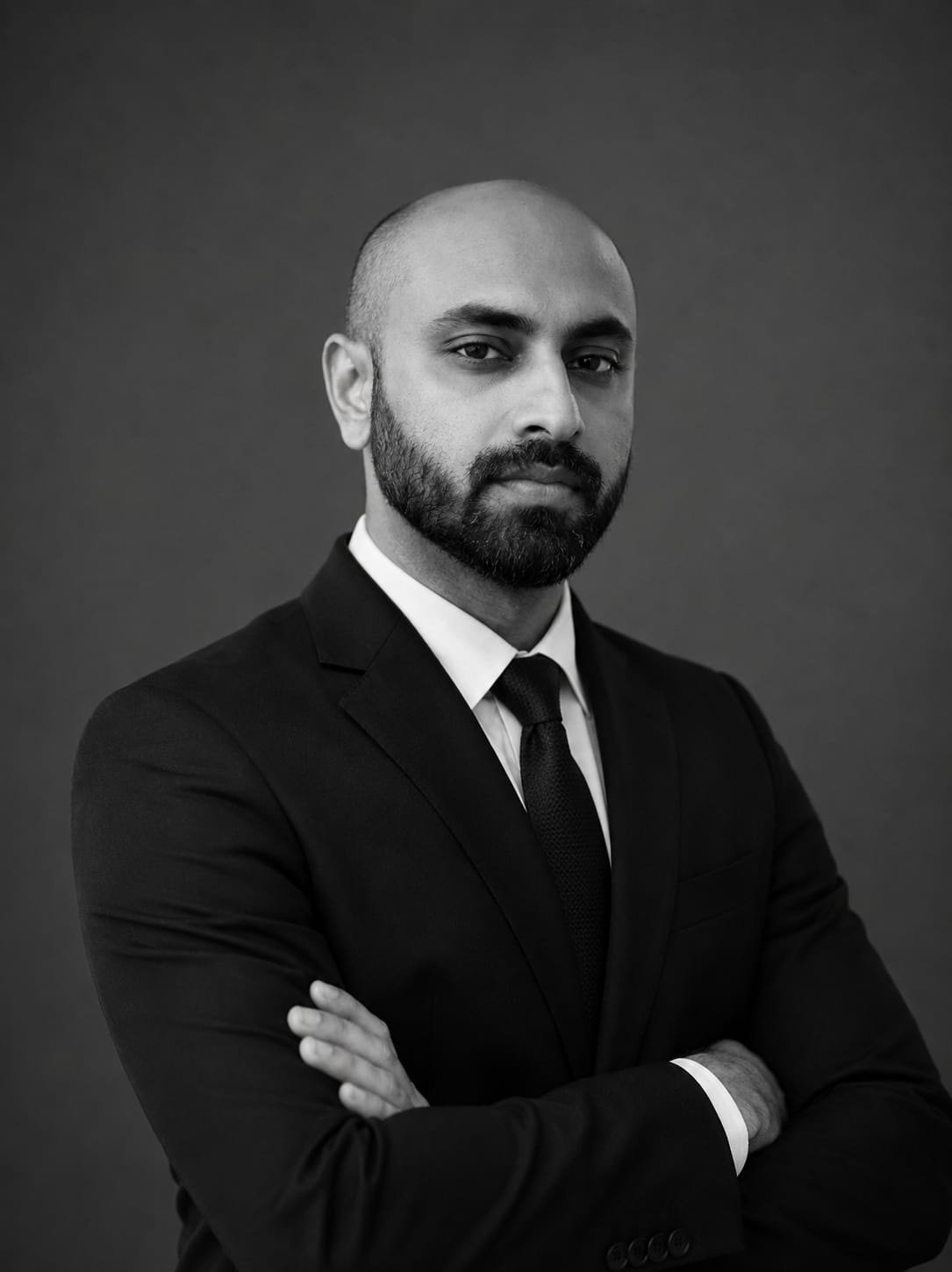
Arfan Shariff is the Co-Founder and Head of Operations at Zawjaan, overseeing platform operations, public relations and strategic partnerships. Drawing on his experience in community engagement, Arfan helps shape Zawjaan's trusted, faith-centred and user-focused approach to Muslim matchmaking, promoting compatibility, authenticity and meaningful lifelong marriages.