



Meet Mazar-i-Sharif Muslim Men Online
For Muslim women in Mazar-i-Sharif, meeting Muslim men online offers a practical and modest way to connect. Platforms like Zawjaan provide a space where profiles are detailed, and intentions are clear, focusing on marriage. When searching, consider men who mention their profession, religious practice, and family background. Look for those who are open about their intentions and willing to involve families early. Always maintain respectful boundaries, and use the platform’s features to chat halal, share experiences, and gradually build trust before meeting in person, ensuring safety and adherence to Islamic principles.
Mazar-i-Sharif Muslim Men for Marriage
In Mazar-i-Sharif, marriage is a sacred bond that unites not only two individuals but their families and communities. For a Muslim woman, finding the right husband means seeking a partner who is devout, kind, and responsible. Many local marriages are arranged through family networks, with elders playing a key role in introductions. However, modern approaches include online matchmaking, which allows for greater choice while still respecting tradition. It is essential to seek a man who values Islamic teachings, is committed to providing, and shares a vision for a harmonious family life under the guidance of the Quran and Sunnah.
Halal Dating with Mazar-i-Sharif Muslim Men
Halal dating in Mazar-i-Sharif is about getting to know a potential spouse within Islamic guidelines. This means meetings should occur in public places, ideally with a chaperone or family member present. Conversations should be respectful, focused on compatibility, and free from physical contact or flirtation. For Muslim women, it is important to observe proper hijab and modest behaviour. The goal is to assess character and faith, ensuring both parties are serious about marriage. With patience and sincerity, halal dating can lead to a strong, blessed union.
Islamic Nikah in Mazar-i-Sharif
The Nikah in Afghanistan is a formal, legal contract that solemnises marriage. For Muslim women in Mazar-i-Sharif, the Nikah is performed by a local imam or qualified religious scholar, often at a mosque or the bride’s home. The process requires the consent of both parties, two adult witnesses, and a mahr (dower) agreed upon by the bride and groom. The Nikah is a simple yet profound ceremony that establishes the rights and responsibilities of husband and wife. Many couples choose to have a registrar or mullah complete the official documentation, ensuring the marriage is recognised by Afghan civil law.
Halal Chat with Mazar-i-Sharif Muslim Men
Halal chat is a vital way for Muslim men and women to communicate during the courtship process. For Muslim women, it is essential to keep conversations respectful and purposeful, avoiding idle talk or private discussions. On Zawjaan, halal chat features may include messaging within the platform, allowing for controlled and monitored exchanges. Topics should revolve around faith, values, aspirations, and practical matters related to marriage. As you converse, pay attention to how the man speaks about religion, family, and his intentions, ensuring he upholds Islamic etiquette at all times.
Mazar-i-Sharif Muslim Singles and Community Networks
Mazar-i-Sharif is home to a diverse community of Muslim singles, both men and women, seeking marriage. For Muslim women looking for Muslim men, the city offers several avenues to find prospective partners. Local mosques often serve as meeting points, where community members can connect through organised events or introductions. Additionally, family networks and matchmakers remain influential, providing trusted introductions. Online platforms like Zawjaan also cater to the local Muslim community, allowing users to filter profiles by religious observance, ethnicity, and location, making it easier to find compatible matches with shared backgrounds and goals.
Marriage Proposals and Khitbah in Mazar-i-Sharif
In Afghan culture, the proposal, or khitbah, is a formal step where the groom’s family asks for the bride’s hand in marriage. For Muslim women, this process is deeply respectful and involves the entire family. Once a potential match is identified, the groom’s family may visit the bride’s home to make the proposal. The bride’s family then deliberates, considering the groom’s character, faith, and ability to support a family. If accepted, an engagement is announced, followed by the Nikah ceremony. This tradition ensures that both families are invested in the union from the very beginning.
Physical Appearance of Mazar-i-Sharif Muslim Men
Physical appearance can be a consideration when choosing a spouse, as it often influences initial attraction. For Muslim women, it is important to look beyond superficial traits and value inner beauty, piety, and character. In Mazar-i-Sharif, men may appreciate modesty and natural beauty. Remember that beauty is relative and depends on personal preferences. Focus on what you truly want in a partner rather than societal standards.
Skin, Hair and Eye Colour
In Mazar-i-Sharif, skin tone, hair colour, and eye colour vary widely among the diverse population. Many Afghan men have dark hair and eyes, with skin tones ranging from fair to olive. While some may have preferences, it is important to remember that these characteristics do not define a person’s worth or compatibility. In Islamic marriage, what matters most is faith and character. When considering a potential spouse, focus on his personality, religious commitment, and values, rather than external features, which are transient and less significant.
Occupation and Profession
The profession of a prospective husband is a practical consideration for Muslim women. In Mazar-i-Sharif, many men work in agriculture, trade, for the government, or in education. Some are employed in the private sector, including NGOs and small businesses. When evaluating a match, consider stability and whether he can provide for a family, which is an Islamic responsibility. Additionally, a man’s occupation often reflects his values and dedication. A man who is hardworking and ethical in his profession is likely to also be responsible in marriage.
Height
Height is often a personal preference when choosing a spouse. For Muslim women, a man’s height may matter to some, but it is not as important as his faith and character. In Mazar-i-Sharif, male heights vary, with an average around 5 feet 9 inches or approximately 175 centimetres, which is considered average for many men. Ultimately, a man’s height does not determine his ability to be a good husband, provider, or father, so consider other qualities that contribute to a successful marriage.
Ethnicity and Nationality
Afghanistan is ethnically diverse, and Mazar-i-Sharif is predominantly populated by Tajiks, Uzbeks, and Hazaras, with significant Pashtun and Turkmen communities. For Muslim women, ethnicity can play a role in family and cultural compatibility. Some families prefer to marry within their ethnic group to preserve traditions, while others are open to cross-cultural unions. It is important to discuss these preferences openly with your family and potential spouse, ensuring that any union is built on mutual respect and understanding across cultures.
Compatibility with Mazar-i-Sharif Muslim Men
Compatibility is the foundation of a successful marriage. For Muslim women in Mazar-i-Sharif, it involves aligning on faith, values, lifestyle, and family expectations. Shared goals for marriage and a clear understanding of each other’s roles can help build a strong bond.
Religious Alignment
Religious alignment is crucial. For a Muslim woman, it is essential that a man is practising and committed to Islam. Discuss his understanding of the Quran and Sunnah, his daily prayers, and his knowledge of Islamic teachings. A man whose faith is central to his life will be more likely to lead the family in a manner pleasing to Allah.
Cultural Compatibility
Cultural compatibility involves aligning traditions, customs, and family expectations. In Mazar-i-Sharif, this may include language, cuisine, and celebration practices. Discussing how each of you was raised and what cultural aspects are important can help ensure a harmonious union where both partners feel respected and understood.
Local Muslim Culture
The local Muslim culture in Mazar-i-Sharif is deeply rooted in Islamic traditions and Afghan values. Hospitality, honour, and family loyalty are paramount. Understanding prevailing customs, such as the role of the extended family and expectations of modesty, can help a Muslim woman assess if a man from this city aligns with her own values and practices.
Ideological Viewpoints
Ideological viewpoints, such as attitudes towards education, women’s roles, and modern life, are important to discuss early. A man who supports his wife’s educational and career aspirations while balancing religious obligations is likely to be more compatible. Open conversations about interpretations of Islam can prevent future conflicts.
Lifestyle Compatibility
Lifestyle compatibility involves daily habits, financial management, and social activities. Consider whether a man enjoys a similar pace of life, whether he prefers time at home or with extended family, and how he handles finances. These practical matters greatly affect marital harmony, so they should be discussed honestly.
Family Expectations
In Afghan culture, family expectations shape marriage significantly. A man’s family will likely be involved in his choice of spouse, and his willingness to integrate you into his family is vital. Discuss living arrangements, visits to in-laws, and how decisions will be made. A man who respects his parents but also stands by his wife is ideal.
Marriage Goals
Marriage goals are essential to align. For Muslim women, it is important to know a man’s intentions regarding children, education, and religious practice in the household. Discuss whether you both aspire to perform Hajj, raise children in a particular Islamic manner, and work towards shared goals as a couple.
Relationship Expectations
Relationship expectations include communication styles, affection, and conflict resolution. A man who is open to discussing issues calmly, who values your opinion, and who is respectful of your feelings will likely be a good partner. Discuss how you both envision your relationship evolving after Nikah.
How to Find Muslim Men in Mazar-i-Sharif
To find Muslim men in Mazar-i-Sharif, start by attending events at local mosques such as the Blue Mosque. Use online platforms like Zawjaan with location filters. Engage family networks and community matchmakers. Always prioritise safety and involve your family early in the process.
1. Create a clear marriage profile
Phase 1: Profile CreationCreate a detailed profile on Zawjaan, highlighting your faith, values, and what you seek in a Muslim man. Use clear photos and specify your city as Mazar-i-Sharif to attract local matches.
2. Search locally and realistically
Phase 2: Local DiscoveryUse Zawjaan’s search filters to find Muslim men in Mazar-i-Sharif. Focus on profiles that mention religious practice and family values. Narrow by age, profession, and height preferences.
3. Begin respectful halal chat
Phase 3: Compatibility ScreeningEngage in halal chat through the platform’s messaging. Keep conversations respectful and purposeful, discussing faith, interests, and marriage intentions. Avoid private contact until trust is established.
4. Arrange a public meeting
Phase 4: Face-to-Face CourtshipWhen meeting in person, choose a public, family-friendly venue in Mazar-i-Sharif, such as a reputable restaurant or a park. Bring a chaperone if possible, and ensure the meeting is modest and safe.
5. Introduce both families
Phase 5: Family MeetingOnce compatibility is established, introduce the man to your family. Arrange a meeting where both families can discuss intentions, religious values, and future plans, following Afghan customs.
6. Prepare the legal documentation
Phase 6: Legal DocumentationBefore the Nikah, ensure both parties understand civil marriage requirements in Afghanistan. Register the marriage with local authorities and prepare necessary documents, such as passports and birth certificates.
7. Complete the Islamic Nikah
Phase 7: Marriage ContractPlan the Nikah with a trusted imam at a local mosque, such as the Blue Mosque. Arrange witnesses, finalise the mahr, and complete the Islamic ceremony that will legalise your union.
Frequently Asked Questions
How can Muslim women meet suitable Muslim men in Mazar-i-Sharif for marriage?
Muslim women can meet Muslim men through family networks, local mosques like the Blue Mosque, and online platforms like Zawjaan. It’s important to involve your wali and use halal means of interaction.
What qualities should Muslim women look for in a Muslim groom from Mazar-i-Sharif?
Look for a man who is practising Islam, has good character, is responsible and compatible with your family values. Consider his profession and stability in the local economy.
What is the typical process for Muslim brothers proposing marriage in Mazar-i-Sharif?
The groom’s family formally visits the bride’s family to ask for her hand. If accepted, an engagement follows, and the Nikah is arranged. Both families are involved throughout.
What are the cultural expectations for Muslim men in Mazar-i-Sharif regarding marriage?
Muslim men are expected to be providers, respect their parents, and involve their families in marriage decisions. They should also be open to negotiating the mahr and supporting their wife’s needs.
How can Muslim women verify the background of Muslim men in Mazar-i-Sharif before marriage?
Use the Zawjaan platform’s background checks, seek references from the community, and meet with his family. Involving your wali in discussions helps confirm his intentions and character.
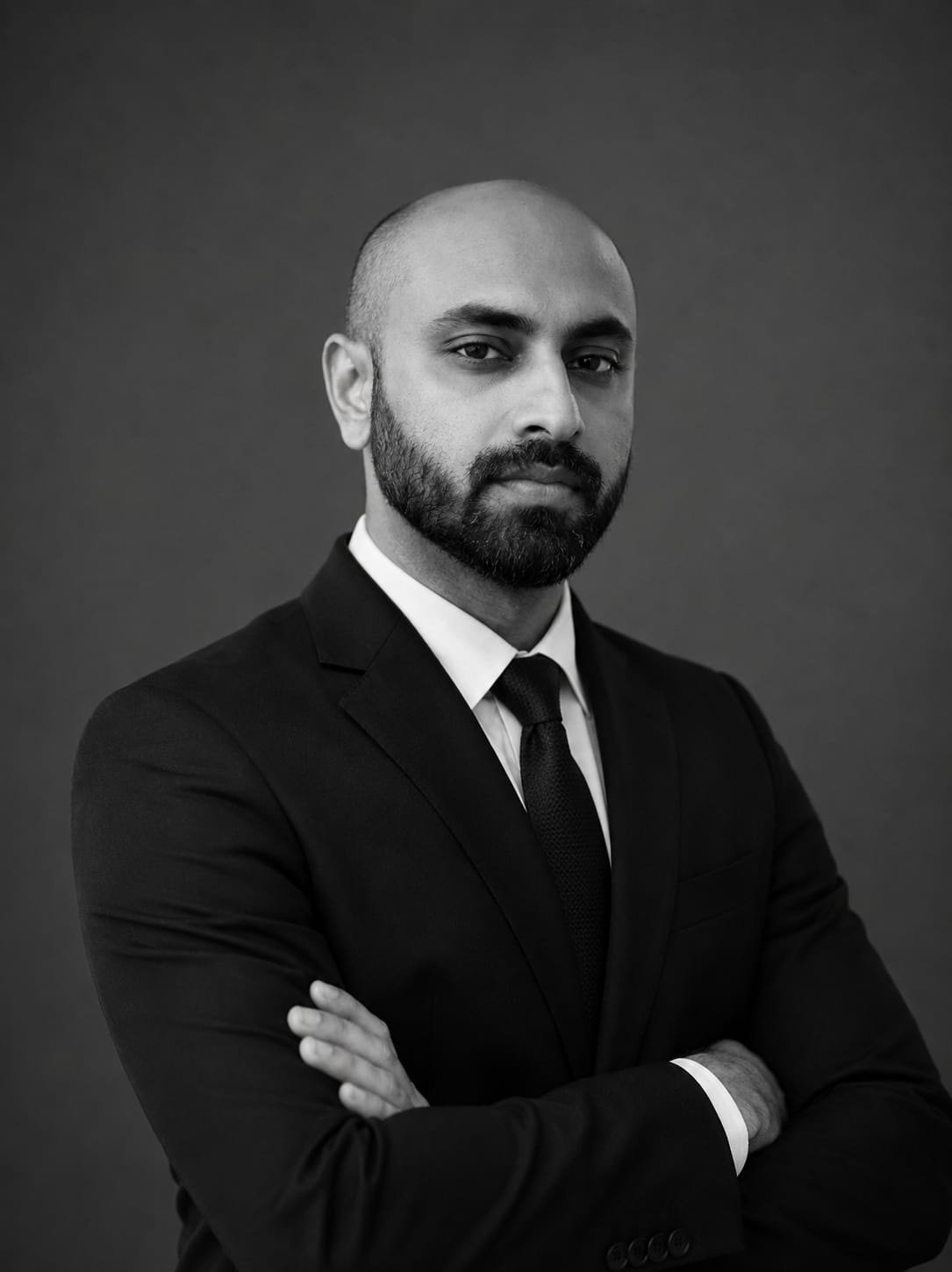
About the Author
Arfan Shariff is the Co-Founder and Head of Operations at Zawjaan, overseeing platform operations, public relations and strategic partnerships. Drawing on his experience in community engagement, Arfan helps shape Zawjaan’s trusted, faith-centred and user-focused approach to Muslim matchmaking, promoting compatibility, authenticity and meaningful lifelong marriages.