



Meet Kabul Muslim Men Online
For Muslim women in Kabul, online platforms offer a discreet way to connect with Muslim men seeking marriage. Zawjaan is designed for those who prioritise halal intentions. When creating your profile, be honest about your faith and expectations. Look for men who mention their commitment to prayer (Salah) and family involvement. Video calls can help bridge the distance, but always maintain modesty and involve a guardian or Mahram when conversations become serious. Many Kabul residents use WhatsApp for initial chats, but a structured platform offers more safety. Take your time, and rely on Allah's guidance.
Kabul Muslim Men for Marriage
Marriage in Kabul is a sacred bond that unites families and communities. For Muslim men here, marriage is not just a personal choice but a family affair. Religious compatibility, character, and financial stability are key considerations. Many families seek partners through trusted networks, relatives, or community elders. As a woman, understanding this dynamic helps you approach potential matches with patience. The goal is to find a man who will lead the household with Islamic principles, provide emotional and financial support, and uphold your rights as a wife. Marriage is a partnership founded on mutual respect and shared faith.
Halal Dating with Kabul Muslim Men
Halal dating in Kabul means courtship conducted within Islamic boundaries. Physical seclusion (Khalwa) is avoided, and interactions are often supervised by a Mahram. Conversations focus on religious values, family life, and future aspirations. Public meetings in safe, modest venues like a café or a park are acceptable but should be conducted with discretion. Many Kabul Muslim men appreciate a woman who is upfront about her expectations. This process allows both parties to assess compatibility while respecting Islamic teachings. Approach this stage with sincerity and a clear intention to find a spouse, not casual companionship.
Islamic Nikah in Kabul
The Nikah is the Islamic marriage contract that solemnises your union. In Kabul, it is a significant religious ceremony, often conducted at home or in a mosque, with a Qadi or imam presiding. The bride's consent is mandatory, and the Mahr (dowry) is agreed upon. Nikah can be performed at any time, but many prefer on Fridays. You will need the presence of two Muslim male witnesses, or one male and two female witnesses. After Nikah, a Walima (wedding feast) is customary. Ensure the marriage is documented and registered with Afghan civil authorities to secure your legal rights.
Halal Chat with Kabul Muslim Men
Halal chat is the initial communication stage between you and a potential suitor. For Kabul Muslim men, this means conversation characterised by modesty, respect, and purposeful dialogue. Use platforms like Zawjaan for text or voice calls, and avoid topics that are inappropriate. Keep discussions balanced, covering deen, career, and daily life. Always involve your Mahram in more serious conversations or when a proposal is discussed. A man who respects these boundaries is likely to be sincere. Halal chat is not a game; it is a filter to identify a compatible spouse.
Kabul Muslim Singles and Community Networks
Kabul's Muslim singles community is diverse, reflecting the many ethnic groups of Afghanistan, including Pashtun, Tajik, Hazara, and Uzbek. For Muslim women, meeting Muslim men here often happens through family connections, wedding functions, or community events at mosques. In recent years, online platforms have become increasingly useful, especially for those who value privacy. You may meet a man who is a professional, a tradesman, or a student. What matters is his character and faith. Be open but cautious, and always verify his background and intentions. Many serious men are also looking for a practising Muslim woman to build a family.
Marriage Proposals and Khitbah in Kabul
In Kabul, a proposal (Khitbah) is a formal declaration of intent to marry. It typically involves a male elder or a respected representative from the man's family visiting the woman's family. As a woman, you have the right to accept or decline. The proposal process is family-centric, and your Wali (guardian) plays a crucial role. If you are interested, the families discuss Mahr, wedding arrangements, and living conditions. This stage is not just about the couple but the union of two families. A proposal from a Kabul Muslim man is a serious commitment, and you should feel respected throughout.
Physical Appearance of Kabul Muslim Men
Physical attraction is important, but in Islam, character and faith take precedence. When considering Kabul Muslim men, you will notice varied features, from light eyes to darker skin, depending on their ethnic background. Dress sense and grooming vary; many men prefer traditional shalwar kameez, while others wear Western attire. Remember that beauty is relative and depends on personal preferences. Focus on what you truly want in a partner rather than societal standards.
Skin, Hair and Eye Colour
Afghan men often have a natural tan, with skin tones ranging from fair to olive and brown. Hair is typically dark, ranging from black to dark brown, and sometimes with a reddish tint among certain ethnicities. Eye colours are diverse, including brown, hazel, green, and occasionally blue. These features may influence your first impression, but what truly matters is a man's inner beauty and piety.
Occupation and Profession
Occupations among Kabul Muslim men are varied. Many work in government agencies, NGOs, or international organisations. Trade and commerce are common in the bustling markets. Some are farmers in surrounding areas, while others work in healthcare, education, or engineering. You might meet a doctor at Aliabad Hospital, a university professor, or a shopkeeper in Mandawi Market. Understanding a man's profession helps you gauge his financial stability and lifestyle, which is essential for a secure marriage.
Height
The average height for Kabul Muslim men is around 5 feet 9 inches or approximately 175 centimetres. Many men are tall and well-built. A man's height can be a factor in attraction, but it should not overshadow more important criteria such as character and religious commitment. In marriage, shared values matter more than physical stature.
Ethnicity and Nationality
Kabul is a melting pot of ethnicities, including Pashtuns, Tajiks, Hazaras, and Uzbeks. Each group has its own cultural traditions, but all share a strong Afghan identity and Islamic faith. A man's ethnicity may influence family customs, language, and social expectations. Be respectful and open to learning about each other's backgrounds. Interethnic marriages are common and can be enriching, but ensure that you and your families are comfortable with the cultural differences.
Compatibility with Kabul Muslim Men
Compatibility in marriage goes beyond initial attraction. It involves aligning your values, goals, and daily habits. For Kabul Muslim families, this means finding a partner who complements your faith and lifestyle. Use the following areas to assess a potential spouse.
Religious Alignment
Religious alignment is the cornerstone of a Muslim marriage. Both of you should agree on the basics of Islam, including the obligations of prayer, fasting, and modesty. Discuss how you practise your faith, including attendance at the mosque on Fridays. A man who prioritises his deen and is involved in the local Muslim community is likely to be a supportive partner.
Cultural Compatibility
Cultural compatibility includes traditions, language, and customs. If you are Pashtun, you may prefer a man who understands Pashtunwali, the traditional code. A Tajik might appreciate shared celebrations like Nowruz. Even within Kabul, cultural norms vary. Open communication about your cultural expectations can prevent misunderstandings and build a stronger bond.
Local Muslim Culture
Kabul's Muslim culture is rooted in Afghan hospitality and strong extended family ties. Men are often expected to be providers and protectors, while women are respected as homemakers and carers. This does not diminish your independence but sets a framework for marriage. You will find Friday prayers at mosques like the Blue Mosque or Eid Gah Mosque, a time for community and reflection. Respect for elders is paramount.
Ideological Viewpoints
Within Islamic bounds, Kabul Muslim men hold varied ideological perspectives, from conservative to more liberal interpretations of Islam. It is essential to discuss your views on matters such as education, women's rights, and participation in society. A man who respects your perspective and is willing to discuss disagreements rationally is a good sign.
Lifestyle Compatibility
Lifestyle encompasses daily routines, finances, and social habits. Does he prefer a quiet life or an active social circle? How does he spend his free time? If he has a demanding job, are you comfortable with that? Consider his health habits and whether you both enjoy similar activities, such as picnicking in Babur Gardens or dining at local halal restaurants.
Family Expectations
In Kabul, marriage often involves living with extended family, at least initially. Discuss expectations about living arrangements, finances, and household duties. Will you have your own home or live with his parents? How involved will each family be in your daily lives? Clear conversations help manage expectations and reduce future conflicts.
Marriage Goals
What are your shared goals? This includes whether you plan to have children, raise them with Islamic values, and perhaps pursue further education or career goals. Some Kabul Muslim men may expect their wives to focus on the home, while others support working wives. Aligning your vision is crucial for a harmonious marriage.
Relationship Expectations
Define your expectations for the marriage relationship itself. How do you show affection? How often do you communicate? What are your roles as husband and wife? In Kabul, traditional roles are common, but each couple must find what works. A healthy marriage requires mutual respect, trust, and patience.
How to Find Muslim Men in Kabul
To meet Kabul Muslim men, start with your family and community networks. Ask relatives to introduce you to suitable candidates. Attend weddings and religious gatherings. You can also use reputable online platforms like Zawjaan. When you connect, always speak with your Mahram present and verify his background.
1. Create a clear marriage profile
Phase 1: Profile CreationCreate a detailed profile on Zawjaan, sharing your faith, interests, and what you seek. Be honest and clear about your expectations.
2. Search locally and realistically
Phase 2: Local DiscoveryUse search filters to find Muslim men in Kabul or globally. Refine by ethnicity, profession, and religious commitment.
3. Begin respectful halal chat
Phase 3: Compatibility ScreeningEngage in halal chat, keeping conversations respectful and focused on marriage. Involve a Mahram after initial contact.
4. Arrange a public meeting
Phase 4: Face-to-Face CourtshipArrange a public meeting at a halal café or park. Keep it modest and supervised, ensuring safety and Islamically appropriate.
5. Introduce both families
Phase 5: Family MeetingIntroduce the man to your family through a formal visit. This is often the first step towards a proposal.
6. Prepare the legal documentation
Phase 6: Legal DocumentationComplete any civil or legal requirements in Afghanistan, including attending a civil registry (Mahkama) to register the marriage.
7. Complete the Islamic Nikah
Phase 7: Marriage ContractConduct the Nikah ceremony with an imam, witnesses, and agreed Mahr. This solemnises your marriage in the eyes of Allah.
Frequently Asked Questions
How can Muslim women meet Kabul Muslim men for marriage?
Muslim women can meet Kabul Muslim men through family networks, community events at mosques, or online platforms like Zawjaan. A formal introduction is usually facilitated by a Wali.
What qualities should Muslim women look for in a Kabul Muslim man?
Look for a Kabul Muslim man with strong faith, good character, and economic stability. His family background and education are also important, but his adherence to Islamic principles and respect for you are paramount.
What is the role of a Mahram during courtship for Kabul Muslim grooms?
A Mahram, typically a father or brother, oversees the courtship to ensure interactions remain halal. He is present during meetings and participates in discussions, protecting both parties from suspicion.
Are there specific mosques or centres in Kabul where Muslim brothers meet potential spouses?
Many Kabul Muslim brothers attend Eid Gah Mosque or Khatam al-Nabieen Mosque for prayers and community events. Some centres host premarital counselling or family gatherings where introductions can occur.
What legal paperwork is required for a Kabul Muslim man to marry?
A Kabul Muslim groom must complete a Nikah at a local mosque or in front of a Qadi, and both parties must have a civil marriage contract registered at the primary court to ensure legal rights.
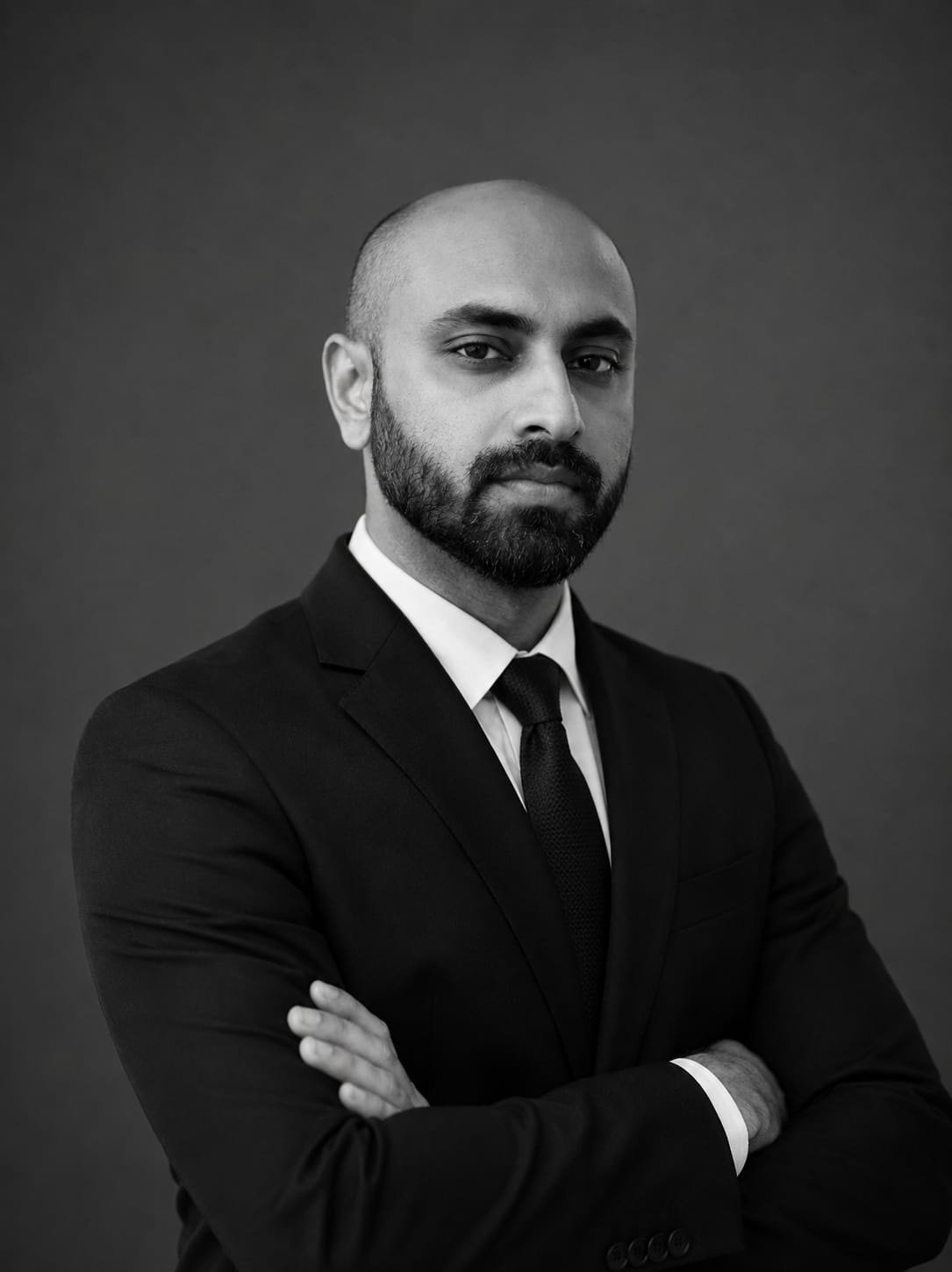
About the Author
Arfan Shariff is the Co-Founder and Head of Operations at Zawjaan, overseeing platform operations, public relations and strategic partnerships. Drawing on his experience in community engagement, Arfan helps shape Zawjaan's trusted, faith-centred and user-focused approach to Muslim matchmaking, promoting compatibility, authenticity and meaningful lifelong marriages.