



Meet Beijing Muslim Men Online
For Muslim women in Beijing, online platforms have become a vital way to meet prospective spouses. Sites like Zawjaan focus on serious matchmaking, filtering for faith and marriage intentions. In a city where daily life is fast-paced, these platforms let you connect with Beijing Muslim men while maintaining modesty. Use filters for religious practice and cultural background, and take time to review profiles carefully. Many Chinese Muslims also use WeChat groups and community forums, but dedicated matrimonial services often provide safer, more structured environments for initial contact.
Beijing Muslim Men for Marriage
Marriage holds deep significance in Islam, and for Beijing Muslim men, it is both a religious duty and a social commitment. In a city with a diverse Muslim population, many seek partners who share their faith and values. The journey typically involves family consent, mutual respect, and a clear vision for the future. Muslim women looking for husbands here will find men who value education and career, yet also prioritise home life. Local imams often counsel couples, ensuring unions are grounded in Islamic principles and practical compatibility.
Halal Dating with Beijing Muslim Men
Halal dating in Beijing requires intentionality. The term ‘dating’ is reframed as a supervised process of getting to know a potential spouse without physical intimacy or seclusion. For Muslim women, this might involve meeting in public places like halal restaurants or parks, often with a chaperone. In Beijing, venues such as the Niujie area offer cultural context for these meetings. The goal is to assess compatibility while honouring Islamic boundaries, and many couples use this time to discuss important topics like living arrangements and family expectations.
Islamic Nikah in Beijing
The Islamic Nikah is the sacred contract that seals a marriage. In Beijing, this ceremony is performed by an imam, often at mosques like the Niujie Mosque or Dongsi Mosque. For Muslim women, understanding the Nikah process is crucial. It involves the mahr (dowry), two witnesses, and the groom’s consent, with the bride’s agreement often confirmed through her guardian. In China, the Nikah is sometimes paired with a civil registration to ensure legal recognition. Local Islamic associations can guide families through the proper procedures, ensuring the union is both religiously and legally valid.
Halal Chat with Beijing Muslim Men
Halal chat refers to respectful, goal-oriented conversations between potential spouses, conducted within Islamic etiquette. For Muslim women engaging with Beijing Muslim men, keep discussions purposeful and modest. Use platforms that prioritise safety and privacy. In Beijing, where cultural norms vary, halal chat often starts with topics like faith, education, and family background, avoiding frivolous or flirtatious exchanges. This approach builds a solid foundation for marriage, allowing both parties to assess character and compatibility before any face-to-face meetings.
Beijing Muslim Singles and Community Networks
Beijing’s Muslim single population is as diverse as the city itself, including Hui, Uyghur, and international Muslims. For Muslim women seeking Beijing Muslim men, community events at mosques and cultural centres offer opportunities to interact. The Beijing Islamic Association occasionally hosts gatherings for single adults, and universities like Beijing Foreign Studies University have Muslim student groups. These settings provide a halal environment to meet potential suitors, with family members often playing a role in introductions.
Marriage Proposals and Khitbah in Beijing
In Beijing, the proposal (khitbah) is a formal request for marriage made by the man’s family to the woman’s family. For Muslim women, receiving a proposal is a significant step. Typically, the man’s parents approach the woman’s family, either directly or through a representative. The discussion includes expectations, mahr, and living arrangements. In a modern context, some proposals are initiated after online introductions, but the formal khitbah still respects tradition. Muslim women should be clear about their own intentions and involve their families early to ensure a smooth process.
Physical Appearance of Beijing Muslim Men
When considering physical attraction, it is important to look beyond conventional ideals. For Beijing Muslim men, appearance may vary widely given the diverse ethnic backgrounds. Some women have specific preferences for height, build, or complexion, but shared values and personality often matter more. Remember that beauty is relative and depends on personal preferences. Focus on what you truly want in a partner rather than societal standards.
Skin, Hair and Eye Colour
Skin, hair, and eye colour can be a consideration for some, reflecting ethnic diversity. In Beijing, Muslim men may have features typical of Hui, Uyghur, or other backgrounds. For many, lighter or darker complexions are not decisive factors. What often matters is a healthy appearance and confidence. Ultimately, compatibility in faith and character takes precedence over these physical traits, and couples are encouraged to look beyond superficial differences.
Occupation and Profession
Occupation is a significant factor for many Muslim women considering a spouse. Beijing Muslim men work across various sectors, including technology, education, finance, and government. Many hold degrees from local universities or abroad. When evaluating a potential husband, consider his career stability and ambitions, as these affect future family life. Some occupations, like teaching or engineering, are common among the Muslim community. Discuss career goals early to ensure alignment in lifestyle expectations.
Height
Height references can vary among Beijing Muslim men. While some women may prefer a tall partner, others are flexible. A height of 5 feet 9 inches or approximately 175 centimetres is within the average range for men in China. It is practical to recognise that height is only one aspect of a person. A good-hearted and compatible spouse is more valuable than meeting a specific height requirement, and many find that love transcends physical measurements.
Ethnicity and Nationality
Beijing’s Muslim community is ethnically diverse, primarily comprising Hui Chinese, who are culturally Chinese but practice Islam, and also significant numbers of Uyghur and other Turkic groups. There are also expatriate Muslims from various countries. For Muslim women, ethnicity can play a role in compatibility, especially regarding language and customs. However, many Beijing Muslim men share a common Islamic identity that bridges these differences. Embrace the richness of this diversity as you search for a partner who aligns with your values.
Compatibility with Beijing Muslim Men
Compatibility in marriage goes beyond initial attraction, encompassing faith, lifestyle, and shared goals. For Muslim women seeking Beijing Muslim men, it is crucial to assess alignment in religious practice, cultural values, and future aspirations. The following dimensions offer a framework for evaluating a potential spouse, helping to build a stable and fulfilling union.
Religious Alignment
Religious alignment is arguably the most critical factor. In Beijing, Muslim men vary in their level of observance. Some strictly follow all five daily prayers and dietary rules, while others are more cultural. Muslim women should discuss these practices honestly. A shared commitment to Islam, even if varying in intensity, can create a strong foundation. Visiting mosques together and meeting community members can offer insights into his faith journey.
Cultural Compatibility
Cultural compatibility involves understanding and respecting each other’s backgrounds. Since many Beijing Muslim men are Hui, they may have distinct customs, such as dietary traditions and festival celebrations. For Muslim women from other cultures, learning these nuances is essential. Conversely, if you bring your own cultural practices, seek a partner who appreciates them. Open dialogue about these differences can prevent misunderstandings and enrich the relationship.
Local Muslim Culture
Beijing’s Muslim culture is centred around neighbourhoods like Niujie, which has a mosque and halal markets. For Muslim women, engaging with this culture helps in understanding potential husbands. Attend Eid prayers at prominent mosques or visit halal restaurants like Kao Rou Ji. Such experiences reveal how local Muslims practice their faith. A man’s involvement in this community can signal his commitment to Islam and his roots, which may align with your expectations.
Ideological Viewpoints
Ideological differences can arise around interpretations of Islam or political views. In China, Muslim men may hold a range of perspectives, from conservative to liberal. Discussing topics like the role of women in society or engagement with non-Muslim culture can be revealing. In a city like Beijing, where Islam is a minority religion, how a man navigates this context matters. Seek common ground and respect for differing viewpoints to ensure future harmony.
Lifestyle Compatibility
Lifestyle compatibility includes daily routines, social habits, and financial management. Beijing’s fast pace means many Muslim men work long hours, but they may still prioritise family evenings and weekend prayers. Some enjoy dining out at halal spots like Xi Yan Long Muslim Restaurant, while others prefer home-cooked meals. Discuss your expectations around household roles, socialising, and leisure activities. A shared vision for daily life is essential for a successful marriage.
Family Expectations
Family expectations play a major role in marriage within Beijing’s Muslim community. Many Muslim men feel a duty to care for elderly parents, and this responsibility may shape living arrangements. Muslim women should understand these expectations early. Some couples live with in-laws after marriage, while others live independently. Clear conversations about involvement of extended family, from childcare to decision-making, can prevent conflicts and build mutual respect.
Marriage Goals
Marriage goals often include spiritual growth, raising children as Muslims, and achieving financial stability. For Beijing Muslim men, these goals may be influenced by local educational opportunities and career prospects. Discuss your aspirations for family size, religious education for children, and whether you plan to remain in Beijing or relocate. Aligning these goals reduces friction later and ensures both partners are moving in the same direction.
Relationship Expectations
Relationship expectations, including communication and emotional support, are central to a healthy marriage. In Beijing’s context, where many couples have demanding jobs, it is important to agree on how to maintain intimacy and connection. Muslim women should seek a partner who values open dialogue and respects her independence. Establishing these expectations before marriage fosters a resilient relationship, capable of navigating the challenges of city life.
How to Find Muslim Men in Beijing
To find Beijing Muslim men, start by engaging with the local Muslim community. Visit mosques and attend events. Use online platforms like Zawjaan, which cater to serious seekers. Be clear in your profile about your intentions. Consider asking your family or friends to assist. Patience and prayer are key, as marriage is an important decision that should not be rushed.
1. Create a clear marriage profile
Phase 1: Profile CreationCreate a detailed profile on Zawjaan, highlighting your faith, education, and family values. Use clear photos and state your intention to marry.
2. Search locally and realistically
Phase 2: Local DiscoveryUse location filters to search for Muslim men in Beijing. Also, join local Muslim social groups on platforms like WeChat to widen your circle.
3. Begin respectful halal chat
Phase 3: Compatibility ScreeningEngage in conversations with a focus on deen and character. Use the platform’s chat features and maintain modesty in your exchanges.
4. Arrange a public meeting
Phase 4: Face-to-Face CourtshipWhen comfortable, meet in public places like halal restaurants or parks. Niujie Mosque area offers a safe, familiar setting.
5. Introduce both families
Phase 5: Family MeetingInvolve your family early. Arrange a meeting between your parents and the man’s family, perhaps at a halal restaurant like Kao Rou Ji.
6. Prepare the legal documentation
Phase 6: Legal DocumentationFor legal marriage in China, register at the local civil affairs bureau. Ensure you have all required documents, including passports and residence permits.
7. Complete the Islamic Nikah
Phase 7: Marriage ContractPlan the Islamic Nikah with the mosque. Contact the imam at Niujie or Dongsi Mosque to arrange the ceremony, including mahr and witnesses.
Frequently Asked Questions
How can Muslim women meet Beijing Muslim men for marriage?
Attend events at Niujie Mosque, join Muslim student associations at universities like Peking University, or use platforms like Zawjaan to connect with serious suitors.
What qualities do Beijing Muslim men typically value in a potential spouse?
They often value faith, modesty, and family orientation. Education and a good career also matter, but religious commitment and compatibility are usually top priorities.
Are Beijing Muslim men open to international Muslim women?
Yes, many are open, especially those with international exposure. Cultural differences can be bridged through shared faith and mutual respect, but it requires patience and understanding.
What Islamic services are available in Beijing to support Muslim grooms and their families?
Mosques like Niujie and Dongsi offer counselling and Nikah services. The Beijing Islamic Association can guide on religious matters and community resources.
How can Muslim women assess the seriousness of a Beijing Muslim man they meet online?
Discuss his intentions early and see if he involves his family. Consistent communication and a willingness to plan visits to the mosque or family meetings are good indicators.
About the Author
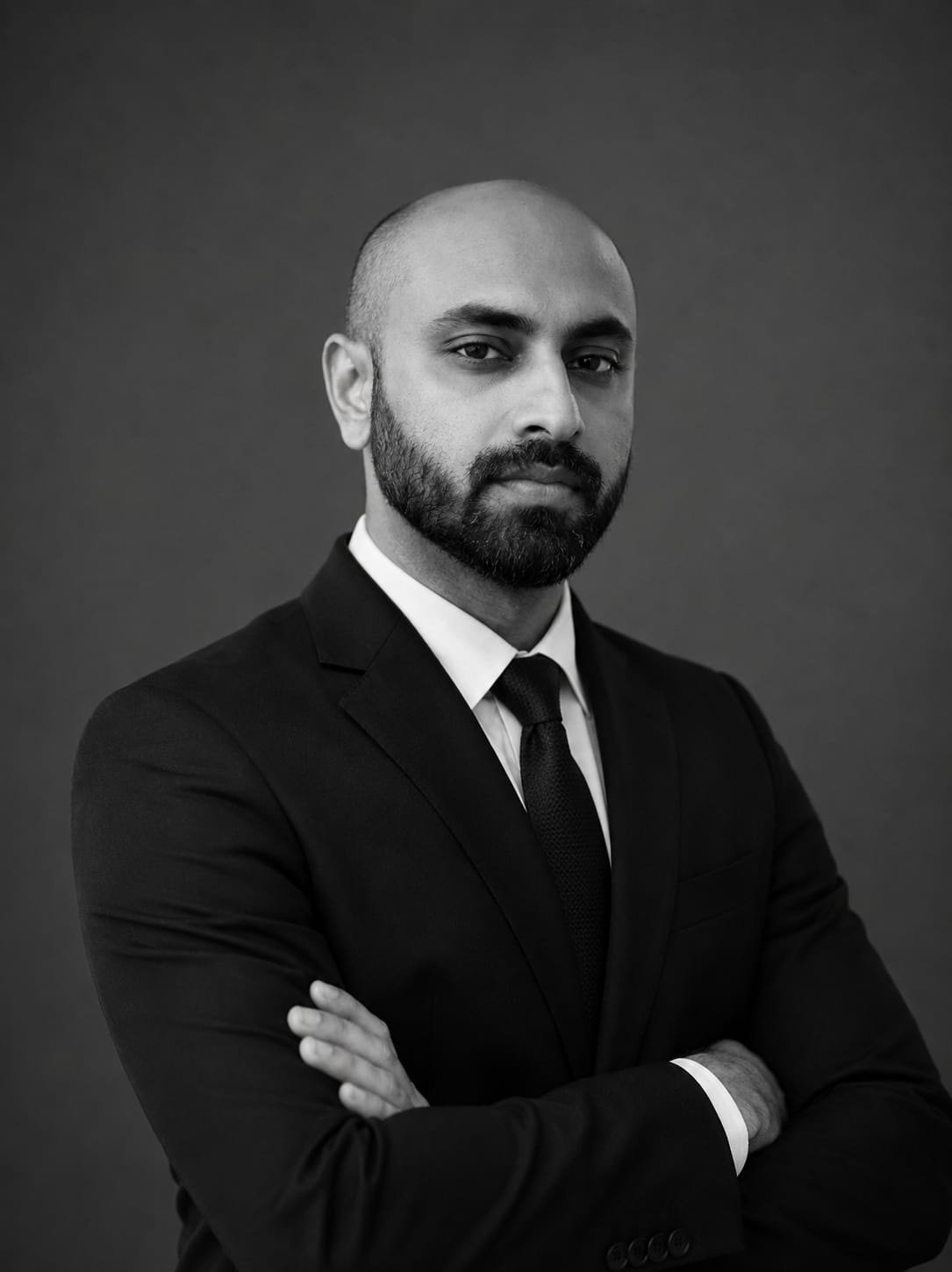
Arfan Shariff is the Co-Founder and Head of Operations at Zawjaan, overseeing platform operations, public relations and strategic partnerships. Drawing on his experience in community engagement, Arfan helps shape Zawjaan’s trusted, faith-centred and user-focused approach to Muslim matchmaking, promoting compatibility, authenticity and meaningful lifelong marriages.