



Meet Mosul Muslim Men Online
Meeting online has become an accepted part of the marriage journey in Mosul. Many Muslim women now use dedicated Islamic matchmaking platforms that respect modesty and family involvement. These sites allow you to create a detailed profile highlighting your deen, education, and family background, while connecting with Mosul Muslim men who share your intentions. The key is to choose platforms that enforce halal communication rules, ensuring conversations remain respectful and purposeful. Online profiles also help you filter by criteria like age, occupation, and religious practice before any personal meeting, saving time and protecting your privacy.
Mosul Muslim Men for Marriage
In Mosul, marriage is viewed as more than a personal commitment; it is a union of families and a cornerstone of the local Muslim community. For Muslim women, understanding the expectations placed on men is crucial. Mosul Muslim men are often raised with a strong sense of duty, honour, and care for their families, which translates into their approach to marriage. They seek a wife who is devout, compatible, and committed to building a home together. The local marriage culture encourages involvement of parents and elders, who often play a significant role in the courtship process and negotiations.
Halal Dating with Mosul Muslim Men
Halal dating in Mosul respects Islamic boundaries at every step. Couples meet in chaperoned settings, often with a mahram present, and keep interactions focused on getting to know each other's character, religious commitment, and compatibility. Public places like cafes in Al-Majmoaa and restaurants along the Tigris provide neutral ground for these initial conversations. The goal is never casual dating but a serious assessment of whether you can build a life together. Mosul Muslim men appreciate women who are clear about their boundaries and intentions from the beginning.
Islamic Nikah in Mosul
The Islamic Nikah is the sacred heart of marriage for Mosul Muslim men and women. In Mosul, Nikah ceremonies are conducted by trusted imams, often at mosques like the Grand Mosque of Mosul or in family homes with a Qadi officiating. The ceremony requires the consent of both parties, the presence of two male witnesses or one male and two female witnesses, and a mahr agreed upon by the bride. Many families now record the Nikah at the local court to ensure legal recognition alongside religious validity. Understanding the pillars and conditions of Nikah helps you prepare and avoid misunderstandings.
Halal Chat with Mosul Muslim Men
Halal chat refers to conversations that maintain modesty and decorum. For Muslim women communicating with Muslim men in Mosul, it is essential to keep discussions purposeful, covering topics like religious values, family expectations, and practical life goals. Avoid frivolous or emotionally charged exchanges that can lead to fitnah. Many platforms now offer built-in chat features with video calling, allowing you to see and hear each other before a face-to-face meeting, always with the understanding that both families are aware of the process.
Mosul Muslim Singles and Community Networks
Muslim singles in Mosul have varied paths to meet one another. Family gatherings, community events, and mosque activities remain common ways to connect with eligible brothers. The city also has a growing network of professional matchmakers, often respected elders or community figures, who maintain lists of potential candidates. For Muslim women, expressing your intention to marry to your family and seeking their support is the first step, as their assistance often opens doors to trustworthy introductions. Whether through traditional networks or modern platforms, the focus is on finding a partner who is compatible in faith and character.
Marriage Proposals and Khitbah in Mosul
A proposal, or Khitbah, in Mosul follows a structured process. Once a potential match is identified, the man's family formally approaches the woman's family to express their interest. This can be done through a mosque imam or mutual acquaintance. During the Khitbah period, which can last several weeks or months, the couple is allowed to see each other in a chaperoned environment, and both families can ask questions about compatibility, living arrangements, and future plans. In Mosul, it is common for the man to provide a mahr, which can be monetary or in kind, as a sign of his commitment and capability. A clear proposal process helps ensure that both families are aligned and reduces misunderstandings.
Physical Appearance of Mosul Muslim Men
Physical appearance is a consideration for many Mosul Muslim men, but it is not the only factor. Traits like cleanliness, modesty, and a neat presentation are often valued as much as particular features. When creating your profile, choose one recent and honest photograph that shows your face clearly, as this builds trust. Remember that beauty is relative and depends on personal preferences. Focus on what you truly want in a partner rather than societal standards.
Skin, Hair and Eye Colour
In Mosul, a diverse range of skin tones, hair colours, and eye colours exists among the population. Preference for particular features is subjective and varies widely among Muslim brothers. Some may look for light eyes, while others appreciate dark hair and olive skin. It is not productive to overanalyse such traits. Instead, note what you find attractive and keep an open mind, as personality and faith often matter more in the long run.
Occupation and Profession
Mosul Muslim men often work in sectors such as construction, education, healthcare, trade, and the oil industry. Many are employed in local government or run family businesses in the markets of the old city. Education and income are important considerations for marriage, as they reflect the man's ability to provide. When evaluating a potential partner, ask about his job stability, career ambitions, and how he plans to support a family. These conversations help you assess financial compatibility and shared lifestyle expectations.
Height
Height is a common preference factor. Many Muslim women in Mosul may look for a man who is at least 5 feet 9 inches or approximately 175 centimetres. However, height is largely a matter of personal taste, and it is wise to remember that other qualities, such as character and religious devotion, are far more vital.
Ethnicity and Nationality
Mosul is a melting pot of cultures, including Arab Muslims of various tribal backgrounds, Kurds, Turkmen, and Assyrians. Muslim men from these communities may have distinct customs and family traditions. While some women prefer to marry within their own ethnic group for cultural continuity, others are open to cross-cultural unions. Discussing ethnic expectations early on can prevent misalignment and help you find a man whose values and traditions resonate with yours.
Compatibility with Mosul Muslim Men
Beyond physical traits, genuine compatibility is essential for a lasting Nikah. This section explores key areas of compatibility that Muslim women should consider when assessing Mosul Muslim men as potential husbands.
Religious Alignment
Faith is the foundation of any Muslim marriage. In Mosul, religious practice can range from strict observance to more relaxed attitudes. It is vital to discuss how each of you practices Islam daily, including prayer attendance, fasting, and any involvement with local mosques. Understanding each other's level of religiosity ensures that you can support one another spiritually and raise children in a way that is consistent for both.
Cultural Compatibility
Culture shapes family expectations, celebrations, and daily life. In Mosul, both Arab and Kurdish traditions are prominent, each with its own customs regarding marriage. For example, the concept of honour and family reputation is strong in both cultures, but specific practices may differ. Discuss how you will manage cultural holidays, food traditions, and the role of extended family to avoid friction later.
Local Muslim Culture
The local Muslim culture in Mosul is characterised by generosity, hospitality, and a deep sense of community. After years of conflict, there is a renewed emphasis on family and faith. Muslim men and women often value resilience and a willingness to rebuild, which can be a powerful foundation for a marriage. Understanding and respecting this cultural backdrop helps you connect with your potential in-laws and integrate into the community.
Ideological Viewpoints
Muslims in Mosul come from varied ideological schools, including Sunni (both Ash'ari and Salafi influences) and Shia minorities. While most Muslims in Mosul are Sunni, it is realistic to note that differences exist. It is essential to discuss your religious leanings and theological perspectives to ensure you are compatible in matters of practice and belief. Agreeing on how to navigate potential differences with respect is key.
Lifestyle Compatibility
Lifestyle encompasses how you spend your day, your social habits, diet, and use of leisure time. Does he prefer quiet evenings at home or frequent visits with friends and family? Is he health-conscious or does he enjoy traditional Iraqi cuisine without restriction? Discussing these simple habits can reveal whether your daily lives will mesh smoothly, reducing the chance of conflict after marriage.
Family Expectations
In Mosul, family is central, and the expectations of in-laws are significant. Some families prefer a daughter-in-law to live with the husband's parents, while others are open to independent living. Understand what your potential husband expects in terms of obedience, care for his parents, and involvement of her own family. Clear communication about boundaries and responsibilities is essential to avoid tension.
Marriage Goals
What are your shared goals for the future? Marriage in Mosul often focuses on building a family, but the timeline and number of children can vary. Also discuss financial goals, such as saving for a home or supporting relatives. Aligning on long-term objectives, whether it's continuing education, career progression, or relocating, will help you build a joint vision.
Relationship Expectations
Define what you expect from each other as husband and wife. Does he value kindness and affection as expressions of love? How do you both handle disagreements? In Mosul, traditional gender roles may be more pronounced, but many couples now seek a partnership where both share decision-making. Talk about your communication styles and emotional needs to ensure you are both on the same page.
How to Find Muslim Men in Mosul
Finding Muslim men in Mosul can be done through family networks, local mosques like the Grand Mosque, community events, and increasingly through online halal platforms. It is advisable to involve your family early and use trusted intermediaries. Attend gatherings at Islamic centres and be open to introductions from respected community members.
1. Create a clear marriage profile
Phase 1: Profile CreationCreate a profile that reflects your faith, character, and marital intentions. Use a modest but clear photo and list your education, occupation, and family values. Mention that you are seeking a serious Nikah.
2. Search locally and realistically
Phase 2: Local DiscoveryFilter your search to Mosul and nearby areas like Al-Majmoaa or Al-Noor. Engage with profiles that specify religious practice and marriage goals. Be explicit about your interest in halal, family-oriented courtship.
3. Begin respectful halal chat
Phase 3: Compatibility ScreeningStart conversations with a respectful greeting and neutral topics. Ask about his daily prayer, work, and family. Keep chats within platform boundaries and avoid excessive personal details until trust is built.
4. Arrange a public meeting
Phase 4: Face-to-Face CourtshipAfter mutual consent, plan a meeting in a public, family-approved venue such as a café in Al-Majmoaa or a restaurant along the Tigris. Ensure a chaperone is present if possible. Keep the conversation focused on compatibility.
5. Introduce both families
Phase 5: Family MeetingOnce you feel a connection, involve your families. The man's family may formally approach yours. Arrange a gathering where both sets of parents can discuss expectations, mahr, and future living arrangements.
6. Prepare the legal documentation
Phase 6: Legal DocumentationBefore the Nikah, ensure that any required civil documentation is prepared. In Iraq, a civil marriage certificate is necessary for legal recognition, so visit the relevant government office to register the marriage alongside the religious ceremony.
7. Complete the Islamic Nikah
Phase 7: Marriage ContractArrange the Nikah with a trusted imam at a local mosque or Islamic centre. Choose a date and time, prepare the mahr, gather two male Muslim witnesses, and complete the religious contract. Then register it legally.
Frequently Asked Questions
How can Muslim women meet Mosul Muslim men for marriage?
Muslim women can meet Mosul Muslim men through family networks, introductions from local imams at mosques like the Grand Mosque, or by using halal matchmaking platforms that allow you to filter by location and preferences. Always involve your wali for guidance and safety.
What qualities do Mosul Muslim men look for in a wife?
Mosul Muslim men typically value religious commitment, modesty, loyalty, and a strong family orientation. They appreciate a woman who is supportive, has a good character, and is willing to build a home together. Education and practical skills are also seen positively.
Is it acceptable for Muslim women to use online platforms to find Mosul Muslim men?
Yes, many Muslim women in Mosul now use online platforms as an initial means to identify potential husbands. However, it is important to use a platform that upholds Islamic etiquette, and to ensure that any serious contact involves family awareness and supervision.
What is the role of a wali in the marriage process for Mosul Muslim men?
A wali acts as the woman's guardian and protector throughout the marriage process. For Mosul Muslim men, the wali oversees the Khitbah and Nikah to ensure the marriage is conducted according to Islamic law. He also provides counsel and ensures the man's intentions are sincere.
How do Mosul Muslim men handle the mahr tradition?
The mahr is a mandatory gift from the groom to the bride, and Mosul Muslim men treat it as a serious obligation. It can be money, gold, or any agreed-upon wealth, and its amount is negotiated before the Nikah. The mahr is a symbol of the man's commitment and respect.
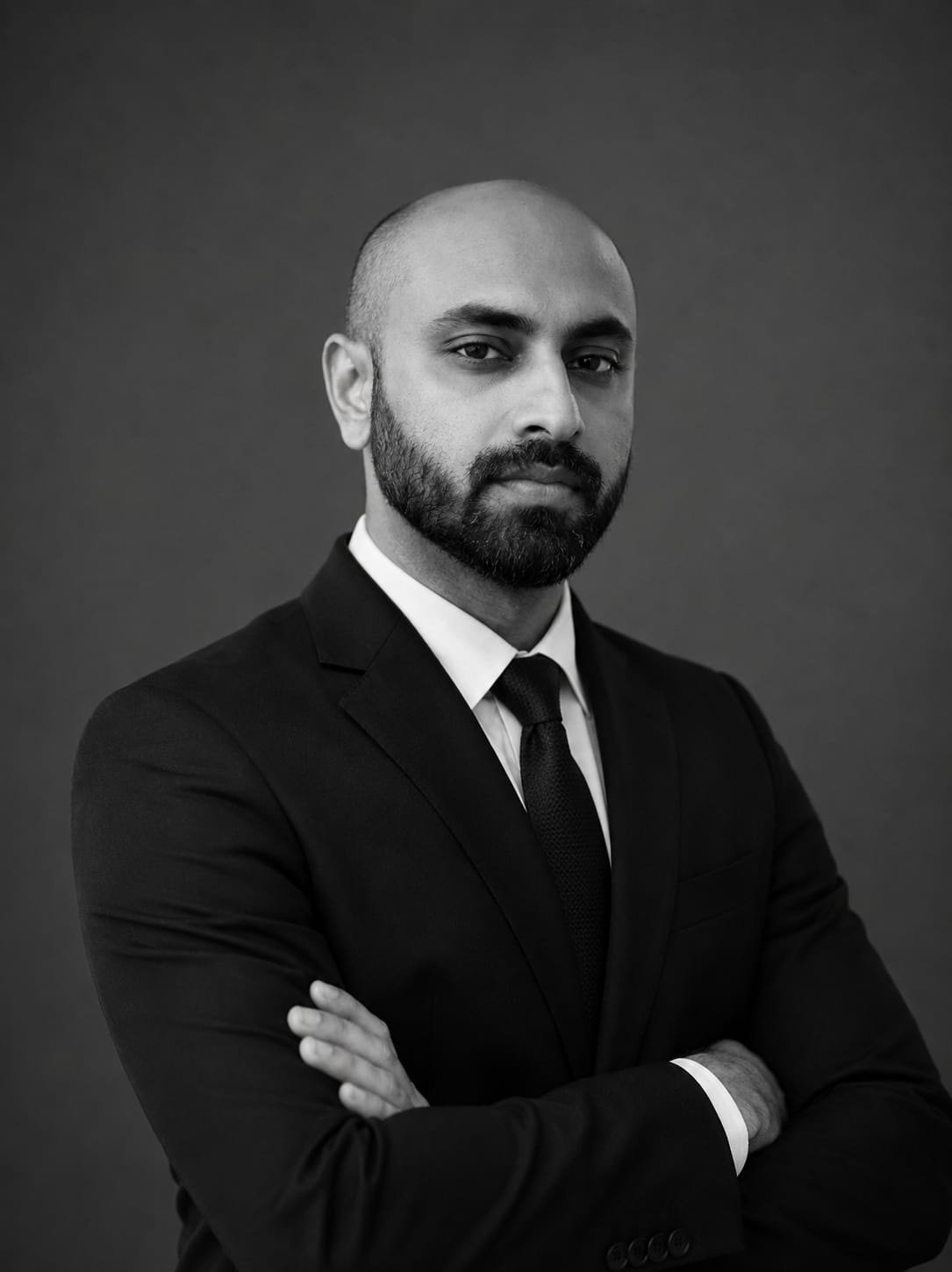
About the Author
Arfan Shariff is the Co-Founder and Head of Operations at Zawjaan, overseeing platform operations, public relations and strategic partnerships. Drawing on his experience in community engagement, Arfan helps shape Zawjaan's trusted, faith-centred and user-focused approach to Muslim matchmaking, promoting compatibility, authenticity and meaningful lifelong marriages.