

Serious Marriage Intent among Vietnamese Men
Understanding a man’s seriousness about marriage is the first step. In Vietnam, marriage is deeply valued, and many men approach it with long-term commitment.
Vietnamese culture traditionally places a strong emphasis on family and marriage stability. A Vietnamese Muslim man seeking a wife often does so with the intent to build a lasting home.
His actions will show seriousness: he involves his family early, asks thoughtful questions about your life and faith, and avoids wasting time on casual conversations.
Be direct about your own intention from the start. A man who respects your time will appreciate your clarity and respond with equal seriousness.
Ask about his view of marriage, his timeline, and how he envisions sharing responsibilities. His answers will reveal his priorities.
Observe how he speaks about his parents, siblings, and community. Men who value family ties often carry these qualities into marriage.
- He introduces you to family members early
- He discusses future plans, not just daily talk
- He asks about your deen and character
- He is open about his financial situation
- He shows respect for your family and culture
The Vietnamese Muslim Community and Your Potential Husband
To find a reliable husband, understand the community he comes from. Vietnam’s Muslim population is small, but it is close-knit and culturally rich.
The Muslim community in Vietnam includes both indigenous Cham Muslims and a small number of converts. Each group has its own customs, but all share a commitment to Islam.
Most Muslims live in the southern regions, especially around Ho Chi Minh City, with a smaller presence in Hanoi. Community connections can be strong, providing a network of support.
When you meet a Vietnamese Muslim man, ask about his community involvement. Active participation in a mosque or Islamic centre often indicates a serious connection to his faith.
Do not assume that all Vietnamese Muslims follow the same school of thought. Be open to learning about his specific practices and how he balances local culture with Islamic principles.
Local events, such as Eid prayers in Ho Chi Minh City, can be a natural place to observe his community role and reputation.
Cham Heritage and Islamic Practice
If he comes from a Cham background, you may encounter a blend of Malay and local traditions. Understand that while some customs may appear cultural, his Islamic practice may still be strong.
Ask about his daily prayers, fasting, and knowledge of the Quran. These are better indicators of deen than superficial cultural markers.
Deen, Character, and Compatibility with Vietnamese Muslim Men
Your future husband’s faith and character are the foundation of a happy marriage. In Vietnam, where Muslims are a minority, his commitment may be tested in unique ways.
A man who prays, fasts, and seeks Islamic knowledge demonstrates his dedication. But also pay attention to his character: honesty, kindness, and patience.
Vietnam offers limited halal options and few Islamic schools. A man who actively seeks halal food and maintains his prayers shows resilience in his faith.
Discuss how you both will raise children Islamically in a non-Muslim-majority country. His answers will reveal his long-term vision for your family.
Compatibility extends beyond religion. Consider what languages you will speak, how you will navigate cultural differences, and what each of you expects from daily life.
Use Zawjaan’s detailed profiles to match on deen, values, and life goals. This narrows your search to men who share your seriousness.
- Ask about his daily prayers and fasting
- Discuss his views on raising Muslim children
- Understand his relationship with non-Muslim family
- Assess his patience and communication style
- Look for shared values in your profiles
Character Signs that Matter
How he treats service workers, elders, and strangers tells you a lot about his integrity. A man who is respectful and gentle in daily interactions will likely be a kind husband.
Do not ignore red flags like disrespect or inconsistency. The initial stage of getting to know him should feel respectful and halal.
Family Expectations and Involvement for Vietnamese Husbands
In Vietnam, family is central. Understanding the role of his family in your marriage will help you navigate expectations and build strong relationships.
Many Vietnamese men maintain close ties with their parents and extended family. This is a positive sign of loyalty, but it also means family opinions can matter in decision-making.
Ask him about his parents’ expectations and how they view his marriage. Does he seek their blessing? Would you be expected to live with them?
In a traditional Vietnamese setting, the wife may have close relationships with in-laws. A husband who respects his parents may also expect you to care for them in old age.
Discuss these details early to avoid misunderstandings. A serious man will be transparent about his family commitments and how he plans to balance your needs with his parents’.
A man who takes time to introduce you to his family through halal channels is likely thinking long-term.
- He seeks his parents’ approval for marriage
- He is clear about living arrangements
- He discusses expectations for caring for parents
- He introduces you in a respectful manner
- He supports you when disagreements arise with his family
Approaching His Parents
When meeting his parents, show respect for their culture and language. A simple greeting in Vietnamese may be appreciated, but avoid overstepping.
Ask him about his family’s attitudes towards non-Vietnamese Muslims. If you are from a different background, discuss how you will handle potential tensions.
Halal Communication and Getting to Know a Vietnamese Muslim Man
Communication before marriage must be respectful and within the boundaries of Islam. In Vietnam, this may require intentional effort given the local dating culture.
Islamic etiquette requires that unmarried men and women avoid private or intimate conversations. Use chaperoned meetings or online platforms designed for serious marriage.
Zawjaan provides a structured environment where you can communicate with a man while keeping the purpose clear: marriage. This avoids the pitfalls of casual dating.
When you speak, ask meaningful questions about his life, faith, and family. Avoid flirtatious talk; instead, build a foundation of respect.
In Vietnam, it is common for couples to date, but as a Muslim woman, you can set your own boundaries. A man who respects your limits is a positive sign.
If you have a wali, involve him in the conversation at an appropriate time. A serious man will welcome this step.
- Use a halal matchmaking platform like Zawjaan
- Keep initial conversations with a third party present or online
- Focus questions on deen, character, and values
- Involve your wali before meeting in person
- Meet in public places if you do meet
- Ask about his intention to involve his own family
Marriage-Focused Online Matchmaking for Vietnamese Muslim Men
Given the small community in Vietnam, online matchmaking is a practical way to find a serious potential husband. Zawjaan focuses on marriage – not casual chat.
Profiles on Zawjaan are designed to reveal a man’s seriousness: his religious practice, lifestyle, and marriage goals are all visible upfront.
In Vietnam, many educated professionals use online platforms to meet partners beyond their immediate community. This expands your options while keeping the search halal.
When you match with a Vietnamese Muslim man, check if his profile includes references from family or community. This helps verify his authenticity.
Use the platform’s filters to prioritize men who have clear intentions, such as a timeline for marriage or a willingness to relocate.
Remember that online interactions are the first step. Move towards involving families and speaking with your wali as soon as you feel comfortable.
- Create a profile that reflects your serious intention
- Use filters to match on deen and marriage goals
- Exchange questions about family and lifestyle
- Request family references or community connections
- Move to family involvement after moderate communication
Nikah and Mahr: What Vietnamese Muslim Grooms Should Prepare
Understanding the nikah process and mahr expectations helps you assess a Vietnamese groom’s seriousness.
The nikah is the sacred contract that makes marriage valid in Islam. In Vietnam, the Muslim community is small but diverse, and couples often arrange the ceremony through a local imam or mosque.
A serious Vietnamese groom will be open about his plans for the nikah. He will discuss the mahr, the obligatory gift from the groom to the bride, without hesitation.
As a sister, you should know that the mahr is your right alone. Its value is between you and your potential husband, but it reflects his sincerity and financial responsibility.
In Vietnam, some grooms may propose a simple mahr, while others follow family traditions. What matters is that he fulfills his promise and treats the mahr with respect.
Family involvement in the nikah is common in Vietnamese Muslim households. Parents often attend the ceremony and give their blessings, even if the bride is from abroad.
If you are considering a Vietnamese groom, ask about his preferred nikah arrangements. This shows his commitment to establishing a halal marriage from the start.
- Confirm that the nikah will be performed by a qualified imam or Islamic authority.
- Discuss the mahr amount and what form it will take, whether cash, gold, or other agreed items.
- Ensure the nikah is attended by witnesses and, if required, your wali or his representative.
- Ask about the wedding celebration plans, whether a simple walimah is expected.
- Clarify the timeline for the nikah, especially if you are marrying long-distance.
Preparing for the Nikah in Vietnam
In Vietnam, the nikah is usually conducted at a mosque or at the bride’s home if requested. The imam will explain the terms in Arabic and translate to Vietnamese.
For international marriages, couples often need to coordinate legal requirements alongside the Islamic ceremony. A straightforward groom will guide you through the paperwork.
You can also discuss the possibility of a nikah in your home country or a third country, but many couples choose Vietnam for its convenience if the groom lives there.
- Consult with the imam about the required documentation.
- Decide on the mahr and record it in the marriage contract.
- Arrange for a suitable venue, often a mosque or hotel.
- Invite family members and witnesses.
- Complete any civil registration if required by Vietnamese law.
Cultural Diversity: Understanding a Vietnamese Muslim Husband’s Background
Vietnam’s Muslim community includes ethnic Cham, Malay, and Arab influences. Avoid stereotypes and seek to understand each individual.
Vietnam’s Muslim population is small, but it is not monolithic. The Cham Muslims in the south have unique customs, while urban communities in Ho Chi Minh City and Hanoi include expatriates and converts.
A Vietnamese groom may have a mixed cultural background, so do not assume his family follows a single set of traditions. Ask respectful questions about his upbringing and family practices.
Islam is the common ground, but culture is not Islam. While some customs may be beautiful, they are not religious requirements.
As a sister, you should be open to learning about his community, but also ensure that Islamic principles guide your marriage decisions.
Some Vietnamese grooms may be converts, raised in a non-Muslim family. His journey to Islam can tell you a lot about his sincerity and commitment to the deen.
Celebrate the diversity of Vietnamese Muslim culture, but keep your focus on whether this man practices Islam consistently and respects your values.
- Ask about his ethnic background and how it influences his practice of Islam.
- Learn about the local Muslim community’s traditions, such as those of the Cham people.
- Avoid expecting that all Vietnamese Muslims follow the same cultural practices.
- Recognise that some grooms may be converts with a unique path to Islam.
- Focus on his character and deen rather than cultural stereotypes.
Respecting Family and Community
Vietnamese culture places a strong emphasis on family and community. Your potential husband’s family may have expectations about modesty and social behaviour.
It is important to discuss how you will navigate cultural differences, especially if you are coming from abroad. Open communication prevents misunderstandings.
Your groom should be willing to act as a bridge between you and his family, explaining Islamic values while respecting his cultural heritage.
- Arrange to meet the family in a halal setting.
- Share your expectations regarding Islamic practices and mutual respect.
- Ask the groom how he handles family disagreements.
- Decide together on the level of involvement of extended family in your married life.
Cuisine and Eid Gatherings for Vietnamese Muslim Husbands
Sharing food and celebrating Eid are important ways to bond with a Vietnamese Muslim groom and his family.
Vietnamese cuisine is famous for its freshness and flavour, and halal options exist, especially in cities with Muslim communities. A observant groom will know where to find them.
During Ramadan and Eid, families gather to break fast together with dishes like pho, spring rolls, and grilled meats, all prepared halal.
As a sister, you may be invited to Eid prayers and community feasts. This is a chance to observe his family’s customs and your future role in such gatherings.
Dress modestly according to Islamic guidelines, but you can incorporate traditional Vietnamese styles if they appeal to you. The key is to cover respectfully.
Eid in Vietnam is a joyful time, often celebrated with family visits and sweet treats. A serious groom will involve you in these celebrations.
Discuss your own cultural traditions with him, so you can combine elements from both backgrounds in a halal way.
- Ask the groom about his favourite halal Vietnamese dishes and where to find them.
- Inquire about Eid gatherings and whether women and men celebrate separately.
- Learn about local halal food sources, such as markets and restaurants in Ho Chi Minh City.
- Be prepared to adapt traditional Vietnamese dishes to halal requirements if you cook together.
- Respect the modest dress code while celebrating, and choose clothing that is both appropriate and comfortable.
Modesty and Dress at Gulf Events
Vietnamese Muslim women often wear modest clothing, but styles vary. You may see the jilbab or a simple long dress with a headscarf.
As a guest, you are expected to dress modestly for Eid prayers and visits. Your potential husband should appreciate and support your choice of attire.
If you engage in family gatherings, ask about the norms for women’s and men’s seating. Respecting these customs shows courtesy.
- Choose loose-fitting garments that cover the body.
- Wear a headscarf that is practical for the climate and activities.
- Check the dress code for the mosque you will attend.
- Bring a shawl or cardigan for air-conditioned venues.
- Ask the groom if there are any specific customs regarding women’s attire in his family.
How Vietnamese Muslim Men Approach Family and Marriage Proposals
Understanding how a Vietnamese Muslim man involves his family is essential when assessing his seriousness.
In Vietnam, family approval is a strong signal of genuine intent. A man who introduces you to his parents early is often serious about marriage.
Expect his family to value respect, modesty, and religious commitment. They may ask about your deen, character, and your own family background.
A respectful suitor will seek his family’s consent before making a formal proposal. This mirrors Islamic etiquette and shows he is not acting impulsively.
If he keeps you hidden from his family for too long, consider whether he is truly ready for the responsibility of a husband.
- Observe if he willingly brings up family discussions.
- Notice if he introduces you to his mother or father early.
- Listen to how he speaks about his family’s expectations.
- Ask about his role in family decisions and gatherings.
- See if he seeks your wali’s involvement in discussions.
Approaching Your Wali
A marriage-minded Vietnamese Muslim man will want to contact your wali directly. This is a critical step that shows respect.
He should communicate politely, clearly stating his intentions and basic background. This helps your family feel at ease.
If he avoids this step, it may indicate he is not fully serious about a halal marriage.
- Prepare a brief introduction about yourself and your family.
- Clearly express your intention to marry according to Islamic guidelines.
- Request a meeting or conversation with the wali.
- Be honest about your employment and income.
- Offer to provide character references from your imam or community.
Vietnam’s Cities and Where Vietnamese Muslim Men Live
Vietnam’s Muslim population is small, and where you both live matters for community support and future family life.
Ho Chi Minh City is home to the largest concentration of Vietnamese Muslims and has a historic Cham community.
Hanoi, the capital, has a smaller but active Muslim presence, with a mosque and growing halal resources.
Da Nang and An Giang Province also have Muslim communities, often connected to the Cham ethnic group.
A practical discussion about which city to settle in is part of assessing long-term compatibility.
- Community access for Jumu’ah and Eid prayers
- Availability of halal food and markets
- Proximity to extended family and support networks
- Employment opportunities for both spouses
- Schools and Islamic education for future children
Community and Halal Lifestyle
Vietnamese Muslim men often remain connected to their local community through daily prayers and festivals.
Ask about his involvement in the mosque and his relationships with other Muslim families. This shows his commitment to Islam.
A shared vision about living in Vietnam or relocating later is crucial. Discuss this openly before marriage.
Relocation and Marriage Readiness for Vietnamese Husbands
Whether you plan to live in Vietnam or abroad, clear agreement on relocation and readiness prevents future disappointment.
A serious Vietnamese Muslim man will discuss relocation plans honestly, including the financial implications and visa arrangements.
If he expects you to move to Vietnam, ask about housing, income, and the local Muslim community’s support for a foreign wife.
Marriage readiness also includes emotional maturity, financial responsibility, and willingness to lead a family with Islamic principles.
Look for signs that he has planned for married life, such as saving money, completing education, or stabilising his job.
- Clarify who will move, where, and the timeline.
- Discuss the cost of living in Hanoi or Ho Chi Minh City.
- Consider how you will maintain Islamic practices, such as prayer and modest dress.
- Agree on communication habits with families back home.
- Ensure he is financially ready to support a wife and future children.
Practical Next Steps
Once you both agree on core questions, take practical steps like meeting each other’s families and planning the nikah.
Use Zawjaan’s platform to continue respectful, marriage-focused conversations and verify his intentions over time.
- Set a clear timeline for involving your wali.
- Plan visits to Vietnam or arrange video meetings with his family.
- Seek advice from a trusted imam on the nikah process.
- Consider pre-marriage counselling or Islamic marriage classes.
How to Assess Vietnamese Muslim Men for Marriage
A marriage-focused process for Muslim women assessing a Vietnamese Muslim man in Vietnam for serious Islamic marriage.
- Confirm serious marriage intention: Clarify that the Vietnamese Muslim man is seeking marriage rather than a casual relationship, and establish clear halal communication boundaries from the beginning.
- Assess deen and character: Consider religious commitment, honesty, temperament, responsibility and consistency, rather than relying only on attraction or online conversation.
- Involve family or wali appropriately: Bring trusted family members or a wali into the process at a suitable stage so intentions, character and practical expectations can be assessed transparently.
- Discuss marriage expectations: Talk clearly about mahr, finances, work, housing, family roles, children, location and other responsibilities that could affect long-term compatibility.
- Agree the route towards Islamic nikah: If compatibility is strong, agree practical next steps for family discussions, any necessary civil requirements and preparation for an Islamic nikah.
Frequently Asked Questions
How can I tell if a Vietnamese Muslim man is serious about marriage?
He will involve his family early, show consistent Islamic character, and discuss practical matters like housing and income. He will also seek your wali’s involvement without hesitation.
What should I expect when meeting his family in Vietnam?
His family will likely be polite and observant. They may ask about your faith, family, and daily practices. Dressing modestly and showing respect for elders is important. Bring a small gift like fruit or dates if appropriate.
Is relocation to Vietnam safe and practical for a Muslim wife?
Ho Chi Minh City offers the largest Muslim community, but you will still be a minority. Research housing, halal options, and local mosques. Discuss your comfort with the community size and support networks before deciding.
What does a Vietnamese groom typically provide as mahr?
Mahr is an Islamic requirement and varies by the family. It can be money, gold, or something agreed upon. Discuss it openly with your wali involved. The amount should reflect goodwill, not just custom.
How can Zawjaan help me find a serious Vietnamese Muslim husband?
Zawjaan focuses on marriage-minded Muslims, allowing you to specify your interest in Vietnam and communicate with intention. Use the platform to ask deeper questions and involve your families after establishing trust.
What are common challenges in a marriage with a Vietnamese Muslim man?
Challenges may include cultural differences, distance from your own family, and adapting to a small Muslim community. Open communication and a shared commitment to Islamic values help overcome these.
About the Author
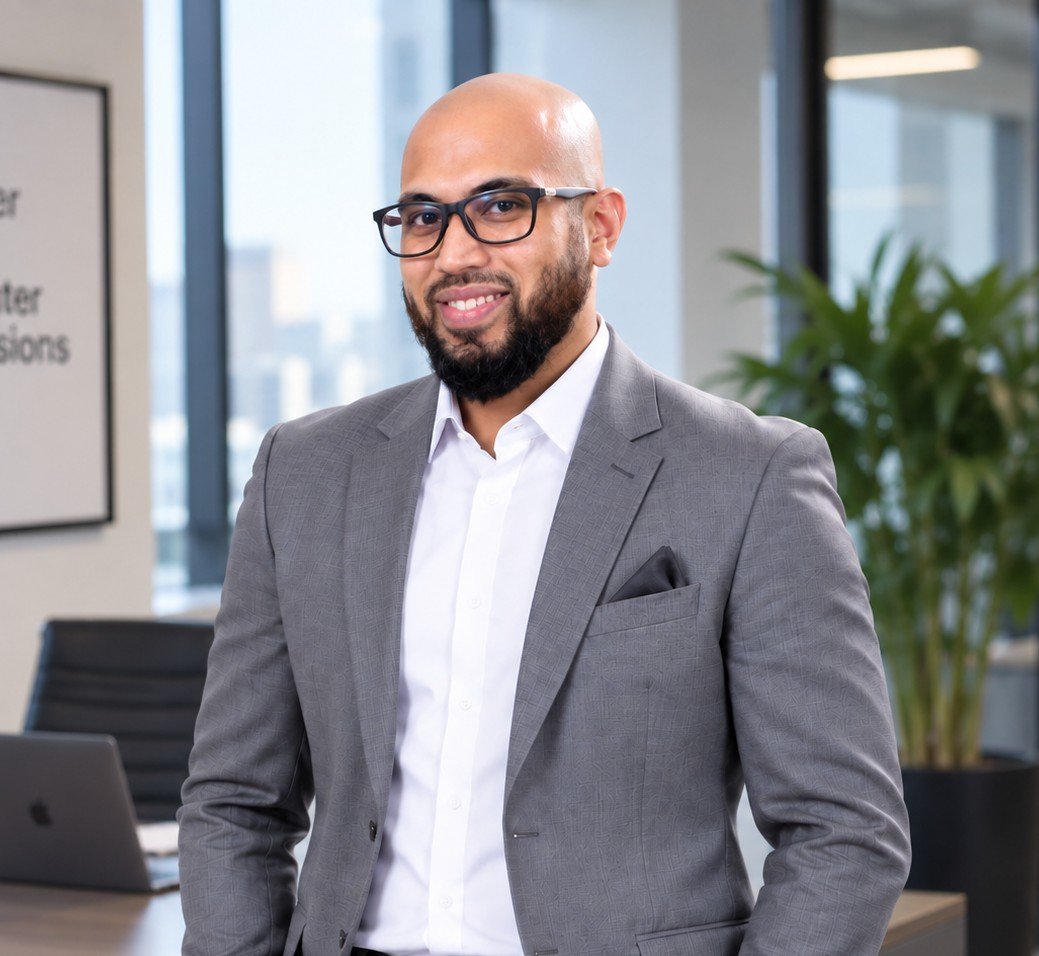
Nasehuddin Mohammed is the Co-Founder and Head of Technology at Zawjaan, where he leads product quality and the platform’s technological development. His work spans user experience and interface development, matchmaking strategies, and community-centred communication experiences designed to help Muslims build serious, marriage-minded connections.