


Understanding Serious Marriage Intent among Tanzanian Muslim Men
Not every man on a Muslim marriage platform is truly seeking a wife. Learn how to identify a Tanzanian man whose intentions are rooted in deen and marriage readiness.
A man with serious marriage intention speaks about nikah early and clearly, not after weeks of casual chat. He is not afraid to involve his family or discuss mahr, because he sees marriage as a step towards pleasing Allah.
In Tanzania’s Muslim community, a suitor’s willingness to meet with your wali and present himself properly is a strong signal. A husband who is honest about his job, income, and residence is showing respect for the deen and for you.
Be cautious if he avoids the topic of marriage or only talks about romance without practical commitment. Zawjaan’s marriage-minded profiles help you filter for men who are genuinely seeking a wife.
- He initiates halal communication with a purpose and asks about your deen and family.
- He is open about his employment, education, and where he lives in Tanzania.
- He expresses a desire to perform nikah within a reasonable timeframe.
- He never suggests meeting privately without a chaperone or a mahram.
- He respects your boundaries and does not pressure you for emotional intimacy before marriage.
Signs He Is Seeking a Halal Marriage
A serious Tanzanian Muslim man will mention his intention to marry within his family discussion. He may ask about your wali or suggest involving his parents early in the conversation.
He is transparent about his financial situation, which shows he values honesty over false impressions. Ask about his plans for the future, including where he hopes to settle.
- He talks about the practicalities of marriage, like housing and work.
- He is willing to share his family background and Islamic upbringing.
- He asks about your expectations for mahr and move-in arrangements.
- He does not hide his profile or avoid answering personal questions.
The Tanzanian Muslim Community: A Sister’s Guide to Local Culture and Marriage
Understand the fabric of Tanzanian Muslim life, from the Swahili coast to mainland cities, so you can interpret a suitor’s background respectfully without falling into stereotypes.
Islam in Tanzania has a deep history along the East African coast, with strong centres in Zanzibar and Dar es Salaam, while inland cities like Dodoma also have growing Muslim communities.
Tanzanian Muslims include people from Swahili, Arab-descended, Indian-descended, and many mainland ethnic groups, so avoid assuming one ‘type’ of Tanzanian husband.
The community is known for its hospitality, and marriage is seen as a family affair. You will often meet men who are close to their mothers and aunts, and they may rely on extended family for advice. This is part of the culture, not a sign of weakness.
Religious practice varies from person to person. Some Tanzanian Muslim men are very observant, while others may be more cultural Muslims. Your job is to ask about his daily prayer, his view on Islamic obligations, and how he wants to raise children in Islam.
- Family gatherings are important; a suitor may involve his uncle or elder brother during your courtship.
- Many Tanzanian Muslims speak English, Swahili, and local languages, so language barriers may be minimal.
- Respect for parents is high, and a man’s treatment of his mother is a strong indicator of character.
- Eid is widely celebrated; ask how he spends Eid with his family to understand his priorities.
Respecting Diversity Without Stereotypes
When assessing a Tanzanian groom, treat him as an individual. His family’s tribe, city, or historical roots do not guarantee his level of iman.
Islam in Tanzania is influenced by many cultures, but culture is not Islam. Judge his character through conversation and through his relationship with Allah.
- Ask about his specific family customs but do not assume they apply to all Tanzanian Muslims.
- Value his personal practice over his ethnic label.
- Be open to learning about Swahili wedding traditions if they are practiced in his family.
- Use your own criteria based on deen, character, and compatibility.
Evaluating Deen and Character in a Tanzanian Muslim Husband
The Prophet (peace be upon him) advised us to look for religiosity and good character. Here is how to assess these qualities in a Tanzanian man.
Ask about his daily routine: does he pray on time, attend Jumu’ah, and try to seek knowledge? A man who is constant in his prayers is more likely to be reliable in marriage.
Character can be observed in how he speaks about his parents, his employees, and even strangers. Listen to how he talks about difficult situations; does he show patience and gratitude?
Compatibility goes beyond religiosity. Discuss your views on children, finances, and where to live. You want a Tanzanian husband whose goals align with yours and who is willing to compromise for the sake of Allah.
- He can name three qualities he seeks in a wife, and they are not only about appearance.
- He is involved in his local mosque or has a consistent Islamic study routine.
- He treats his siblings with kindness and respect, which often mirrors how he will treat you.
- He does not use Islam to justify controlling behaviour.
- He is open to learning and growing in deen together.
Practical Steps to Gauge Religious Compatibility
Before discussing marriage, ask him about his understanding of the rights and responsibilities of a husband. A knowledgeable man will speak about providing, protecting, and being gentle.
Use your first conversations to explore his relationship with the Quran and Sunnah. His answers will reveal his seriousness.
- Ask him about his favourite Islamic lecture or book and why it matters to him.
- Inquire about his habit of reading Qur’an in Arabic or its translation.
- Talk about the qualities of the Prophet’s character that he admires.
- Share your own goals for your Islamic practice and see how he responds.
Family Expectations and Involvement in a Tanzanian Muslim Marriage
In Tanzania, marriage often unites two families, not just two individuals. Understand the role of your wali and his family in shaping your future household.
A Tanzanian groom may want to involve his mother and father in the initial proposal, even if he is older and independent. This is a cultural norm that speaks to his respect for family.
Your wali is essential in Islam, but in Tanzania’s diverse community, his role may be more or less formal. Ensure that your father or appointed wali is comfortable with the process and has access to the suitor.
Family expectations can include preferences about ethnic background, education level, or even where the couple will live. Discuss these openly and respectfully, remembering that both families come from different contexts.
- A serious suitor will be willing to speak with your wali and present himself formally.
- He may ask his family to pray istikhara for the match, which shows his reliance on Allah.
- He is transparent about his family’s expectations for you, such as moving to his city or taking care of extended family.
- He does not hide any previous marriage or divorce from you or your family.
Approaching Family Respectfully
When a suitor approaches your family, he should do so with humility. Advise him to bring a small gift, especially something traditional like dates or a fruit basket, as was customary in many cultures.
Encourage him to lead the conversation with his intention to marry and his commitment to Islam, not only his career or income.
- Begin by meeting your father or male guardian in a public setting such as a mosque or a restaurant.
- Clearly explain why he wishes to marry you and what he admires about your deen and character.
- Answer questions about his employment, education, and living situation honestly.
- Express his willingness to involve his own family if needed.
- End the meeting with dua for guidance for both families.
Halal Communication with Tanzanian Muslim Men: Rules and Respect
Communication before nikah must adhere to Islamic guidelines. Learn how to maintain boundaries while getting to know a potential husband.
Halal communication means that every conversation happens with the intention of evaluating marriage, with awareness that Allah is watching. Keep involving a chaperone if possible, and avoid private chats that are emotional or romantic.
On Zawjaan, you can communicate within a framework that supports Islamic etiquette. Use the platform to ask serious questions about faith, family, and daily life.
Do not be afraid to end a conversation if a man becomes disrespectful or pushes boundaries. Your modesty is a gift that should be protected.
- Keep conversations purposeful: ask about his job, his family, and his deen.
- Avoid flirty or explicit language; it is not appropriate before marriage.
- Involve a wali or trusted family member in conversations early.
- Limit the duration and frequency of chats.
- When you feel comfortable, plan a meeting with your family.
Using Zawjaan’s Features for Safe Contact
Zawjaan offers a space to communicate respectfully. Use the question prompts to guide your conversation towards meaningful topics.
If a man insists on moving to WhatsApp too quickly, pause and remember that serious intent does not require removing all boundaries.
- Start with introductory messages that focus on goals.
- Schedule a video call only when both families are aware.
- Never share personal documents before you are comfortable.
- Keep your wali informed of the progress of the relationship.
Marriage-Focused Online Matchmaking for Tanzanian Brides and Grooms
Online platforms can help you meet Muslim men from different parts of Tanzania, but only if they are designed for marriage. Learn how to use Zawjaan effectively.
Zawjaan is a platform that prioritises Islamic marriage. It is not a dating app for casual relationships; it is a tool to find a husband for the sake of Allah.
When you create a profile, be honest about what you seek. Mention your city, your family background, and your expectations so that Tanzanian men who are serious can find you.
Take time to review profiles carefully. A man who has filled out his profile entirely and uploaded a clear photograph is usually more serious than one who has not.
- Create a detailed profile that reflects your deen and character.
- Use compatibility filters to focus on men in Tanzania.
- Initiate contact with men whose profiles clearly state their intention to marry.
- Ask for one substantial conversation before you decide to meet.
- Involve your wali once you identify a potential husband.
- Seek istikhara and consult your family before moving forward.
Creating a Profile That Attracts Serious Tanzanian Men
Write about your Islamic aspirations, your favourite Quranic verses, and how you imagine your future family. This helps good men see your sincerity.
Indicate your willingness to relocate or not, and be clear about your expectation of moving to his city or staying near your own family.
- Mention your typical daily schedule to show your organisation.
- Share your interest in Tanzanian traditions, like learning Swahili if you are not a native speaker.
- Explain your ideal mahr and living arrangements so there are no surprises later.
- Do not upload old or misleading photos; honesty is vital.
Preparing for Islamic Nikah and Mahr with a Tanzanian Groom
Understanding the nikah and mahr process helps you prepare practically and spiritually for marriage to a Tanzanian Muslim man.
The nikah is the sacred contract that makes your marriage valid in Islam. It requires the consent of both parties and the presence of the bride’s wali.
In Tanzania, Islamic scholars and community leaders often conduct the ceremony. You can arrange it through a local mosque or a trusted imam in your area.
Mahr is an obligation from the groom to the bride. Discuss it openly with your potential husband and his family to ensure mutual understanding.
- Discuss the mahr amount and form early in your discussions to avoid misunderstandings later.
- Decide who will act as your wali and ensure he is available for the nikah ceremony.
- Arrange for two Muslim male witnesses, or one man and two women, as required by Islamic law.
- Obtain a marriage certificate from Tanzanian authorities after the nikah to make the marriage legally recognised.
- If marrying a Tanzanian groom abroad, confirm legal requirements in your country for the nikah to be valid.
Mahr Conversations That Build Trust
Mahr discussions reveal a man’s respect for you. Approach them with honesty and flexibility.
Many Tanzanian men expect to provide a reasonable mahr, often in cash or gold. Discuss amounts that are meaningful yet realistic for both families.
- Decide whether you prefer prompt or deferred mahr, and clarify this with the groom.
- A modest mahr can set a tone of simplicity and sincerity, aligning with sunnah.
- Ensure the mahr is recorded in the marriage document to protect your rights.
Cultural Diversity and Traditions Among Tanzanian Muslim Men
Tanzania has a rich mix of cultures, and you should look at each man as an individual rather than assuming stereotypes.
Tanzanian Muslims come from diverse backgrounds, including Swahili, Arab, Indian, and various mainland ethnic groups. This variety shapes customs and family expectations.
You will find differences in language, dress, and celebrations between coastal areas like Zanzibar and inland regions. Respect these regional variations.
A man’s culture informs his habits, but his character and commitment to Islam matter far more for a successful marriage.
- Ask about his family traditions and how they celebrate religious occasions.
- Learn about the specific practices in his community, such as wedding customs or festive meals.
- Be open to blending your own cultural practices with his in a way that pleases Allah and respects both families.
- Avoid assuming a man’s views based on his tribe or birthplace; talk directly about values.
Respecting Regional Differences Without Stereotyping
For example, men from the coast may be more familiar with Swahili customs, while those from the interior might practice different ethnic traditions.
Ask open-ended questions to understand his background without making assumptions.
Food and Cuisine: What to Expect with a Tanzanian Husband
Food is a central part of Tanzanian hospitality. Knowing common dishes helps you connect with his family and plan meals.
Tanzanian cuisine is diverse, with influences from Arab, Indian, and African cooking. Staples include rice, ugali, and a variety of stews.
Seafood is popular along the coast, while inland regions favour grilled meats and vegetables. Learn about his preferences.
During Ramadan, families gather for iftar with dates, sweet drinks, and hearty meals. Show interest in these traditions.
- Familiarise yourself with dishes like pilau, biryani, and samosas that are common at weddings and gatherings.
- Ask him what meals his mother typically prepares during Eid and other celebrations.
- Be willing to try local foods and learn to cook a few recipes to please him.
- If you have dietary restrictions, communicate them clearly to show you are serious about your health.
Cooking Together as a Bonding Activity
Cooking together can be a fun way to learn about each other’s tastes and create shared memories.
Suggest making a simple Tanzanian dish together during one of your video calls.
Eid Customs and Dress Expectations for a Tanzanian Muslim Husband
Eid is a time of joy and family connection. Understanding his customs helps you participate and prepare as a couple.
Eid in Tanzania is marked by special prayers, visiting relatives, and sharing festive meals. Men often wear a kanzu or a suit, while women wear colourful dresses and hijabs.
After marriage, you may be expected to join his family for Eid gatherings. Show respect by dressing modestly and appropriately.
Gift-giving is common, especially to children. Discuss with your potential husband how you will celebrate Eid together.
- Attend the Eid prayer at a local mosque with your husband, if possible.
- Prepare a special meal or dessert to contribute to the family’s celebration.
- Dress in modest, elegant clothes that reflect your personal style while honouring local customs.
- Exchange gifts with his family members, focusing on meaningful items.
- Plan visits to relatives and make time for private reflection as a couple.
Dress Expectations for Women
While Tanzanian Muslim women dress conservatively, styles vary. Some wear abayas, while others prefer colourful kangas and hijabs.
Ask your potential husband about the modesty standards his family follows so you feel confident.
Approaching Family and Parents of a Tanzanian Groom
In Tanzania, family involvement is crucial. How you and your potential husband engage with his family can determine the success of your marriage.
A Tanzanian man often seeks his parents’ approval before proposing. His family’s support is a positive sign of a serious intention.
Approach his parents with respect and humility. Learn about their expectations for a daughter-in-law.
Encourage him to introduce you to his family in a halal manner, perhaps through video calls or chaperoned meetings.
- Arrange a formal introduction with his parents, either in person or via video, with a mahram present.
- Show genuine interest in his family’s well-being and culture.
- Be prepared to answer questions about your background, deen, and future plans.
- Thank his parents for raising a good son and express your desire to build a strong family together.
- If cultural differences arise, discuss them calmly and propose compromises.
The Role of the Wali in Family Discussions
Your wali should communicate directly with the groom’s family to negotiate terms and ensure your rights.
Having a respected wali who can speak frankly helps prevent misunderstandings.
City Differences, Relocation, and Marriage Readiness with a Tanzanian Man
Deciding where to live and preparing for relocation are major factors when marrying a Tanzanian Muslim man.
Cities like Dar es Salaam offer vibrant Muslim communities, while Dodoma is the political capital with a more relaxed pace. Zanzibar has a unique cultural identity.
Consider job opportunities, housing, and nearby mosques and Islamic schools when planning your future home.
Assess his readiness for marriage by discussing finances, living arrangements, and goals.
- List your preferred cities and research the Muslim-friendly amenities in each one.
- Have an open conversation about where you will live after marriage and who will support the household.
- Plan for the logistics of moving, including visas, if marrying from abroad.
- Set a realistic timeline for relocation and marriage, considering both families’ needs.
- Discuss how you will maintain ties with your own family after moving.
Assessing His Marriage Readiness
A serious man will have thought about housing, income, and his role as a husband. He should be able to provide for you.
Look for signs of emotional maturity, such as patience and willingness to compromise.
- Ask about his financial plan and whether he is debt-free or managing debts responsibly.
- Discuss his views on household responsibilities and parenting.
- Evaluate his commitment to prayer and other Islamic obligations.
- Ensure he is prepared to support you emotionally and spiritually.
How to Assess Tanzanian Muslim Men for Marriage
A marriage-focused process for Muslim women assessing a Tanzanian Muslim man in Tanzania for serious Islamic marriage.
- Confirm serious marriage intention: Clarify that the Tanzanian Muslim man is seeking marriage rather than a casual relationship, and establish clear halal communication boundaries from the beginning.
- Assess deen and character: Consider religious commitment, honesty, temperament, responsibility and consistency, rather than relying only on attraction or online conversation.
- Involve family or wali appropriately: Bring trusted family members or a wali into the process at a suitable stage so intentions, character and practical expectations can be assessed transparently.
- Discuss marriage expectations: Talk clearly about mahr, finances, work, housing, family roles, children, location and other responsibilities that could affect long-term compatibility.
- Agree the route towards Islamic nikah: If compatibility is strong, agree practical next steps for family discussions, any necessary civil requirements and preparation for an Islamic nikah.
Frequently Asked Questions
How can I know if a Tanzanian man is serious about marriage on Zawjaan?
On Zawjaan, look for men who have completed their profiles in full, communicate respectfully, and initiate conversations about marriage-related topics like mahr and family involvement within the first few chats. Serious men are also willing to introduce you to their family through video calls.
What is an appropriate mahr to request from a Tanzanian groom?
Islamic law allows any mahr that the bride agrees to. In Tanzania, common mahr amounts vary based on the groom’s financial status and community norms. Biraha (dowry) is often paid to the family, and mahr is separate for the bride. Discuss a reasonable amount that reflects your value but is not burdensome.
Do Tanzanian Muslim men usually involve their parents in the matchmaking process?
Yes, many Tanzanian Muslim men strongly value family involvement. They often consult their parents before pursuing a marriage. A man who introduces you to his parents early shows serious intent and respect for family traditions.
What should I wear when meeting my Tanzanian potential husband’s family?
Dress modestly, ideally wearing a hijab if you already do, and choose loose-fitting clothing. Wearing a colourful dress or a kanga can be a nice gesture of respect. Avoid tight or revealing outfits.
How do Eid celebrations in Tanzania differ from other countries?
Eid in Tanzania often includes community prayers at mosques, visits to family and friends, and sharing special dishes like pilau and biryani. Men may wear kanzus, and women may wear colourful dresses and henna. The celebrations are warm and family-centric.
Is it possible to have a long-distance marriage with a Tanzanian man and relocate later?
Yes, it is possible, but it requires careful planning and patience. Many couples meet through online matchmaking on Zawjaan, establish a strong emotional connection, then marry and navigate visa and relocation processes. Discuss your timeline openly and seek local guidance.
About the Author
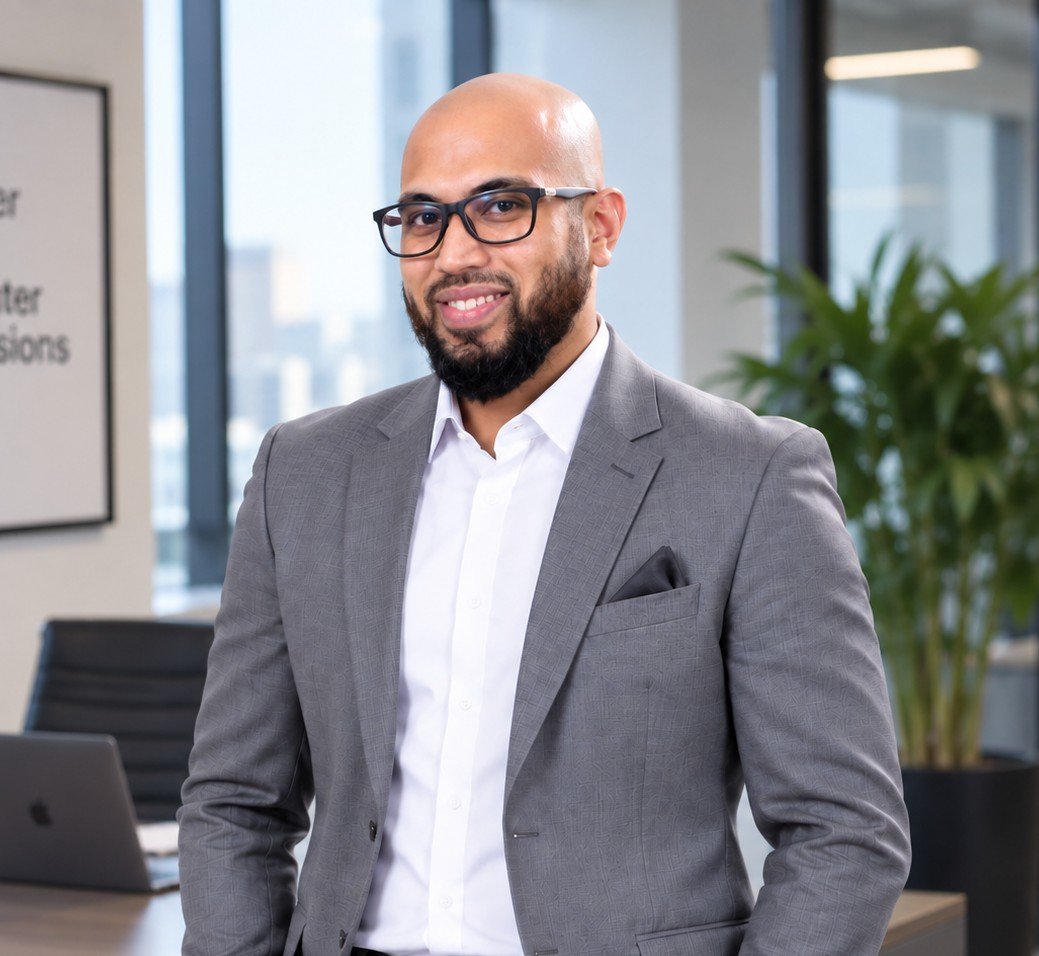
Nasehuddin Mohammed is the Co-Founder and Head of Technology at Zawjaan, where he leads product quality and the platform’s technological development. His work spans user experience and interface development, matchmaking strategies, and community-centred communication experiences designed to help Muslims build serious, marriage-minded connections.