

Serious Marriage Intent in Tajikistan: What Muslim Men Seek
Before you begin your search, understand the sincere intentions that Tadzhik Muslim men bring to marriage.
In Tajikistan, marriage is widely viewed as a cornerstone of adult life, deeply intertwined with Islamic values and family honour.
Most Tadzhik Muslim men seeking a wife intend to establish a stable home, raise children in Islam, and build a partnership rooted in mutual respect.
While cultural practices vary, the focus of marriage-minded men is often on religious commitment, character, and the ability to fulfil marital duties.
On Zawjaan, you can connect with men who have clearly stated their intention for a serious marriage, aligning with Islamic guidelines.
- Be clear about your own intention for a serious marriage from the start.
- Ask about his vision for married life and how he plans to support the family.
- Look for consistency between his words, actions, and religious practice.
Understanding Commitment in Tadzhik Men
A man who is ready for marriage will speak openly about his future, including his career, living arrangements, and aspirations for children.
He will also show respect for your family and his own, demonstrating that he values the marriage bond as a serious, lifelong commitment.
Understanding the Muslim Community in Tajikistan for Male Seekers
Knowing the local Muslim community helps you evaluate a potential husband’s environment and values.
Tajikistan is a majority-Muslim country, with Islam practised daily across cities and rural areas.
While the Soviet era influenced many public expressions, the post-independence period has seen a revival of Islamic practice, especially among younger generations.
A Tadzhik man’s community background can tell you about his exposure to different schools of thought and cultural expectations.
Some men come from urban centres like Dushanbe, where international influences are stronger, while others hail from more traditional regions.
- Learn about the religious and cultural norms of the specific region he comes from.
- Understand that practice may vary from family to family; ask about his and his family’s level of observance.
- Recognise that community ties can influence your married life, so assess if those align with your comfort.
Urban vs Rural Dynamics
Men from Dushanbe may have a more cosmopolitan outlook, with access to higher education and diverse employment opportunities.
Rural men might hold more traditional expectations regarding family roles and extended family involvement.
How to Assess Deen and Character in Tadzhik Husbands
Evaluating a man’s religious commitment and character is central to making a wise marriage choice.
Sisters often wonder how to gauge sincerity in a potential husband. Begin with questions about his daily prayer, Islamic knowledge, and how he implements religion in his decisions.
Character includes honesty, kindness, and patience – traits the Prophet (peace be upon him) praised in good husbands.
A man’s relationship with his family, especially his mother and sisters, can reveal much about his respect for women.
Look for signs of emotional maturity and accountability, essential for resolving conflicts within marriage.
- Ask specific, open-ended questions about his religious practice and understanding of marital rights.
- Observe how he speaks about others, as it reflects his integrity and potential treatment of you.
- Seek opinions from his community about his character, while respecting boundaries.
Signs of a Righteous Character
A righteous man will avoid lying, backbiting, and questionable business deals.
He will also be generous without being wasteful, balancing his responsibilities.
Family Expectations and Involvement for Tadzhik Grooms
Family plays a central role in Tadzhik marriage. Understand what to expect and how to navigate it.
In Tajik culture, marriage unites two families, not just two individuals. Expect his parents and siblings to be involved in the process, often offering advice or even negotiating the proposal.
You should be prepared to meet his family early, as their approval is usually sought before a nikah is arranged.
Family expectations may include living near parents, contributing to the extended household, or following certain customs.
Clear communication about your own boundaries is vital.
- Ask him about his family’s role in your marriage decisions.
- Discuss how often he expects to visit relatives and what support is expected.
- Clarify housing arrangements early – whether you will live independently or with extended family.
- Understand the role of the wali and how he respects the process.
Balancing Family and Couple Autonomy
Many couples today seek a balance between honouring parents and building a private family unit.
Agree together on boundaries that protect your marriage while maintaining family ties.
Halal Communication with Tadzhik Muslim Men
Communication before marriage must respect Islamic guidelines and help you both understand marriage intentions.
In Muslim marriage, halal communication occurs with a mahram present or through supervised channels, ensuring modesty and clarity.
Zawjaan facilitates such conversations by providing structured questioning and the option to involve family.
When you communicate, focus on topics that matter for marriage: your values, lifestyle expectations, and religious goals.
Avoid lengthy private chats without family knowledge; instead, use this time to assess mutual compatibility objectively.
- Keep conversations purposeful and ask about his understanding of marital rights.
- Involve a wali or trusted relative in early discussions if possible.
- Set clear boundaries on topics and frequency of communication to maintain objectivity.
Does This Mean No Private Talks?
In Islam, you may speak directly with a potential spouse without a mahram as long as the talk is permissible and intention is marriage.
However, limit those talks to get to know each other’s basic qualities and avoid emotional attachment or secret meetings.
Marriage-Focused Online Matchmaking for Tadzhik Men
Zawjaan provides a safe, intention-driven space for meeting marriage-minded Tadzhik men.
Online matchmaking avoids needless mixing and allows you to prescreen based on your criteria, including deen and character.
Zawjaan emphasises serious marriage, helping you find men who are not just browsing but truly seeking a wife.
You can filter by location, age, and religious practice, making the process more efficient and less stressful.
Our platform honours family involvement by allowing you to share progress with your wali and move towards a nikah with clarity.
- Create a profile that reflects your sincerity and marriage goals.
- Review a man’s profile and early emails for signs of seriousness and respect.
- Use our guided communication tools to ask the essential questions.
- Involve your wali when you identify a promising candidate.
- Take your time to observe and pray istikhara before committing to a meeting.
Islamic Nikah and Mahr: What Tadzhik Grooms Expect
Understanding the nikah process helps you assess a Tadzhik groom’s seriousness and readiness.
For most Tadzhik Muslims, the nikah is the central ceremony that makes a marriage valid in Islam. It is usually conducted by a local imam or qadi, often at a mosque or the bride’s home.
The mahr is a mandatory gift from the groom to the bride, which can be cash, gold, property, or any agreed value. Discussing mahr openly is a sign of respect and seriousness.
In Tajikistan, many families combine the nikah with traditional wedding festivities, but the religious contract remains the essential part. Some couples hold a modest nikah first and celebrate later.
Ensure that the groom is willing to involve a trusted imam and that both families agree on the terms. This protects everyone’s rights and aligns the marriage with Islamic principles.
- Confirm the groom agrees to a proper Islamic nikah with a valid wali and witnesses.
- Discuss the mahr openly; it can be delayed or specified, but it must be clear.
- Ask about his commitment to Islamic marriage practices and ongoing religious observance.
- Clarify any cultural wedding expectations that may accompany the religious ceremony.
Practical Preparation for the Nikah
Before the nikah, it is wise to plan logistics, especially if you are relocating. This includes documents, translations if needed, and arranging for your wali to participate.
Some Tadzhik couples choose to have the nikah at a central mosque in Dushanbe, while others prefer a home ceremony. Discuss preferences early to avoid misunderstandings.
- Agree on the nikah date and location, allowing time for family travel.
- Prepare required documents such as passports, birth certificates, and divorce decrees if applicable.
- Decide on the mahr amount and form, and record it in the marriage contract.
- Arrange for at least two male witnesses or one male and two female witnesses as per Islamic requirements.
- Plan for a small walima or celebration after the nikah if desired.
Cultural Diversity Among Tadzhik Muslim Men
Tajikistan is culturally rich, and a Tadzhik groom’s background may vary widely. Avoid assumptions based on ethnicity.
Tajikistan is home to Tajiks, Pamiris, Uzbeks, and other groups, each with distinct customs. A groom’s family traditions may differ from yours, so ask respectful questions.
Culture is not Islam. While some practices are Islamic, others are local customs that can be adapted or dropped. Focus on his deen and character rather than cultural stereotypes.
Urban men in Dushanbe may have different expectations than those from rural areas or the Pamir Mountains. Understand his family’s values and how they view marriage.
Be curious about his specific cultural background, such as language, dress, and food preferences. This helps you gauge compatibility beyond surface-level assumptions.
- Ask about his family’s regional traditions and how they practice Islam.
- Understand that clothing, food, and celebrations vary across Tajikistan.
- Clarify which family customs he considers important for your future home.
- Avoid making assumptions based on his last name or region.
Food and Hospitality
Tajik cuisine often includes plov, non (bread), and green tea, shared in a family setting. A groom who values hospitality may expect you to participate in meal traditions.
If you have dietary preferences, discuss them early. Many Tadzhik dishes are meat-based, but there are vegetarian options.
Sharing meals with his family is a way to build bonds. Ask about his favourite dishes and be open to learning.
Eid Customs and Dress: A Tadzhik Husband’s Perspective
Eid celebrations in Tajikistan offer insight into a groom’s religious practice and family traditions.
Eid al-Fitr and Eid al-Adha are major events for Tadzhik Muslims. Many men wear new or best clothes, often a kaftan or a suit, and attend communal prayers at the mosque.
For a sister, observing how a potential husband participates in Eid can indicate his level of religious commitment. He may give zakat al-fitr, visit family, and share special meals.
Tadzhik women often wear bright dresses and headscarves for Eid, while men may wear traditional caps like the tubeteika. These customs vary by region and personal preference.
Discuss how you both intend to celebrate Eid together. This can reveal whether he expects you to adopt local customs or respects your own traditions.
- Ask him about his usual Eid prayers and family gatherings.
- Notice whether he prioritises religious obligations during Eid.
- Inquire about gift-giving and charitable practices he follows.
- See if he is open to blending your Eid traditions with his.
Dress and Modesty Expectations
Modesty is important in Islam, but interpretations vary. A Tadzhik groom may have expectations about your dress and his own. Discuss these early.
In Tajikistan, some women wear the hijab, while others dress modestly without covering their hair. It is essential to align on this before marriage.
If you wear a niqab or abaya, ensure he is supportive and understands your practice. This prevents future conflict.
Approaching Family: How Tadzhik Men Involve Their Parents
In Tajikistan, family approval is often crucial in marriage. A serious Tadzhik groom will involve his parents early.
Tadzhik culture places high value on family opinions, and a groom may want his parents to meet you before committing. Understand his family dynamics and his mother’s role.
As a sister, you can support him by being respectful and patient. Show genuine interest in his family’s life, traditions, and expectations.
The process usually involves a formal proposal, often with the groom’s family visiting your family or sending a respected mediator. Be prepared for this traditional step.
If his parents are distant or unenthusiastic, evaluate whether he can advocate for you while maintaining family ties. This is a strong indicator of his readiness.
- Ask him how his parents perceive marriage plans and their role.
- Arrange a respectful meeting where you can interact with his family in a halal setting.
- Listen to his parents’ concerns and address them calmly.
- Observe how he balances his duty to them and his commitment to you.
- If long-distance, plan video calls so both families can connect.
When Parents Disagree
If his family opposes the marriage, he must decide if he will seek their blessing or proceed gently without it. Islamically, he is not required to obey parents in all matters, but harmony is desirable.
Discuss potential scenarios early. A groom who is overly dependent on parental approval may struggle to establish an independent household.
Ultimately, his character and deen should guide your confidence in him.
City and Location Differences: Where Tadzhik Men Live
Where a potential husband lives in Tajikistan affects daily life, work, and family proximity.
Dushanbe, the capital, is the economic and cultural hub, with more job opportunities and a more cosmopolitan lifestyle. Many educated professionals live there.
Khujand, in the north, is another significant city, known for its trade and conservative values. Some men from there may have different marriage expectations.
Other cities like Kurgan-Tyube and Kulob have smaller communities, where family ties are strong and housing may be more affordable.
Rural areas are mostly agricultural, with limited infrastructure. If you are relocating, consider access to healthcare, education, and mosques.
- Dushanbe: larger job market and social opportunities.
- Khujand: traditional and family-centric, close to Uzbekistan border.
- Kurgan-Tyube: growing city with agricultural roots.
- Kulob: conservative, with strong clan influences.
Rural vs. Urban Considerations
If he lives in a village, you may need to adapt to a close-knit community where privacy is limited. This can be challenging for an outsider.
Urban settings often offer more anonymity and a wider social circle. Consider what suits your personality and lifestyle.
Relocation and Long-Distance: Preparing for a Tadzhik Husband
Moving to Tajikistan or maintaining a long-distance relationship requires practical and emotional preparation.
Many serious relationships start online, but relocating is a major step. A groom who works abroad may expect you to move to Tajikistan or to a third country.
Understand visa requirements, legal registration of marriages, and the process of family reunification. These steps can take months.
Living in Tajikistan may mean learning Tajik or Russian, depending on the region. This is essential for daily interactions and building ties with his community.
Marriage readiness includes financial stability, a home, and a plan for your joint future. Discuss income, housing, and expectations for your role.
- Meet in person at least once before committing to marriage.
- Clarify where you will live and the timeline for relocation.
- Arrange halal communication through phone calls, video chats, and chaperoned meetings.
- Discuss his employment stability and your legal rights if you move.
- Enrol in a language course if needed before relocating.
- Plan a gradual transition with family involvement.
Signs of Serious Marriage Readiness
A marriage-minded Tadzhik man will make concrete plans rather than give vague promises. He will involve his family, discuss finances, and set timelines.
He should be willing to provide eunuch and engage in the nikah process without delay.
If he is reluctant to discuss practicalities, treat this as a warning sign.
- He initiates conversations about the nikah and your future.
- He introduces you to his family and seeks their blessing.
- He has a stable income or a clear plan to provide.
- He is transparent about his past and any previous marriages.
How to Assess Tadzhik Muslim Men for Marriage
A marriage-focused process for Muslim women assessing a Tadzhik Muslim man in Tajikistan for serious Islamic marriage.
- Confirm serious marriage intention: Clarify that the Tadzhik Muslim man is seeking marriage rather than a casual relationship, and establish clear halal communication boundaries from the beginning.
- Assess deen and character: Consider religious commitment, honesty, temperament, responsibility and consistency, rather than relying only on attraction or online conversation.
- Involve family or wali appropriately: Bring trusted family members or a wali into the process at a suitable stage so intentions, character and practical expectations can be assessed transparently.
- Discuss marriage expectations: Talk clearly about mahr, finances, work, housing, family roles, children, location and other responsibilities that could affect long-term compatibility.
- Agree the route towards Islamic nikah: If compatibility is strong, agree practical next steps for family discussions, any necessary civil requirements and preparation for an Islamic nikah.
Frequently Asked Questions
What should I look for in a Tadzhik husband’s attitudes towards mahr?
Look for a man who respects the mahr as an entitlement, offers a generous but reasonable amount, and is willing to discuss it openly. This demonstrates seriousness and Islamic understanding.
How important is family approval for a Tadzhik man when seeking marriage?
Very important. Family involvement is a common value, but a man should not let parental overreach override the marriage. He should negotiate respectfully.
Are there regional differences in wedding customs among Tadzhik Muslims?
Yes. Urban areas like Dushanbe may have modern celebrations, while rural and mountainous regions like the Pamirs retain traditional rituals. Always ask about his specific background.
How can I ensure halal communication with a Tadzhik man during the matchmaking process?
Use platforms like Zawjaan that facilitate marriage-focused chats, involve a chaperone, and avoid private one-on-one conversations that could lead to sin. Keep the purpose of marriage central.
What are the typical costs associated with a nikah in Tajikistan?
Costs vary widely. Zawjaan suggests budgeting for the mahr, a simple nikaah venue, imam fees, and possibly a small walima. In Dushanbe, expect higher costs than in rural areas.
Can I trust a Tadzhik man who lives abroad and claims he wants to relocate?
Zawjaan advises verifying his claims, such as employment, residence, and willingness to visit. Ask for evidence and involve your wali. Trust is earned through consistent action, not just words.
About the Author
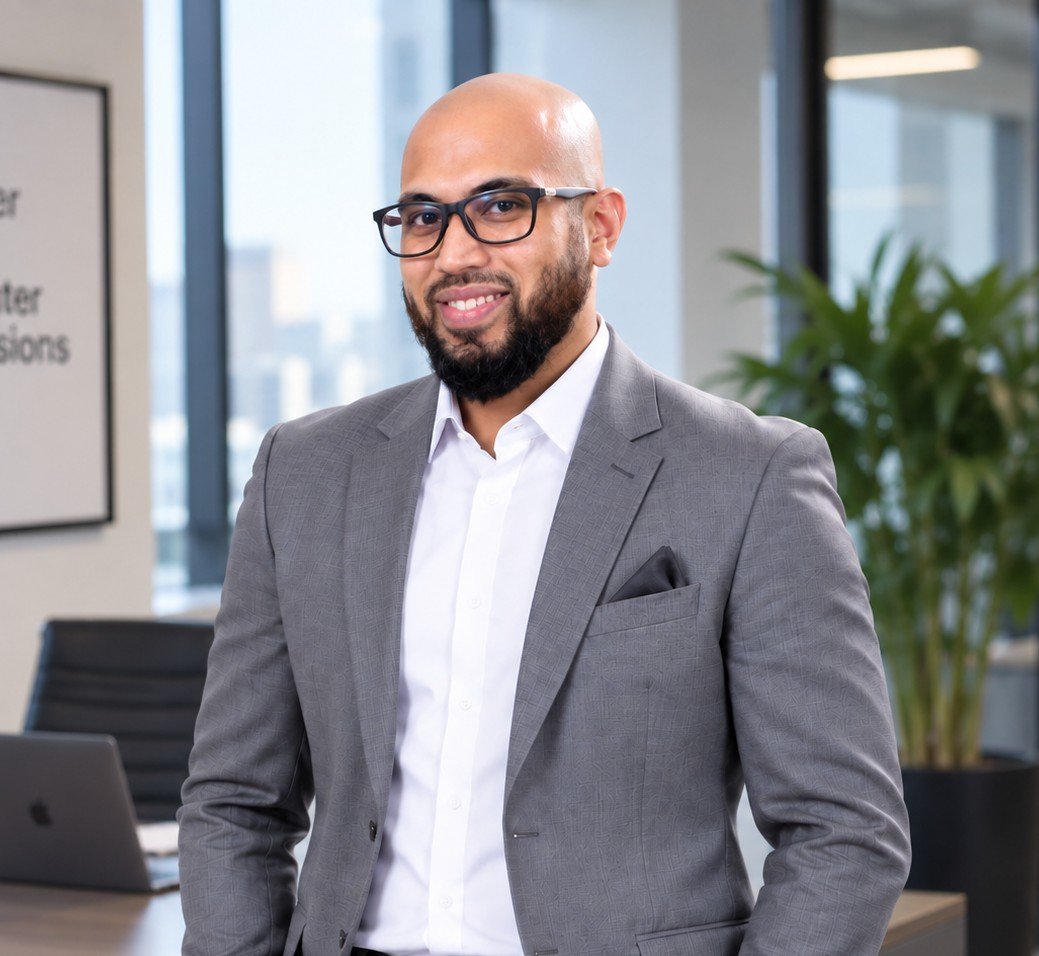
Nasehuddin Mohammed is the Co-Founder and Head of Technology at Zawjaan, where he leads product quality and the platform’s technological development. His work spans user experience and interface development, matchmaking strategies, and community-centred communication experiences designed to help Muslims build serious, marriage-minded connections.