

Serious Marriage Intent Among Muslim Men in the Netherlands
When evaluating potential husbands, the first thing to assess is his seriousness about marriage. Dutch Muslim men vary in their approach, but many are genuinely looking for a life partner.
In the Netherlands, marriage is often seen as a significant commitment that requires emotional and financial preparation. A serious man will have clear intentions and be willing to discuss the future.
He should be ready to involve his family and yours in the process, as this is a sign of respect and long-term commitment in Islamic marriage.
Be cautious of men who are vague about their timeline or avoid meeting your family. A serious suitor will make his intentions known early and seek halal ways to communicate.
- He proactively discusses marriage plans and involves families.
- He is transparent about his employment, housing, and financial responsibilities.
- He avoids secretive or non-committal relationships.
- He seeks to complete the nikah within a reasonable timeframe.
Muslim Community Context: Where Dutch Grooms Meet Sisters
Understanding the local Muslim community helps you know where and how to meet potential husbands. The Netherlands has vibrant Muslim communities across its cities.
Many Dutch Muslim men are active in mosques, Islamic centers, and community events, which are natural places to meet with family involvement.
Online platforms like Zawjaan also provide a structured way to connect with marriage-minded Muslims in the Netherlands, bridging geographical distances.
Community gatherings, such as Eid prayers, lectures, and charity events, are also appropriate settings to meet families and make introductions.
- Local mosques often have marriage committees or events for singles.
- Islamic study circles and halal networking events provide spaces to meet.
- Online matchmaking platforms offer a broader pool of serious candidates.
- Community size varies: Amsterdam, Rotterdam, and The Hague have large Muslim populations.
Assessing Deen and Character in Dutch Muslim Men
For a lasting marriage, religious commitment and character are as important as cultural background. Dutch Muslim men come from diverse origins, so focus on the person.
Observe his daily prayer consistency, knowledge of Islam, and treatment of his parents. A man who is mindful of his deen is more likely to be a responsible husband.
Character includes honesty, patience, and respect for women. A man who speaks kindly about his mother and sisters often holds a good attitude toward his wife.
Compatibility in religious practice, such as adherence to hijab and involvement in community, helps prevent future conflicts.
- He prioritizes prayer and seeks religious knowledge
- He is truthful in business and personal dealings.
- He treats service workers and family with kindness.
- He shares similar views on Islamic practices and lifestyle.
Family Expectations and Involvement for Dutch Husbands-to-Be
Family involvement is central in Islamic marriage. Understanding how Dutch Muslim families approach this helps you know what to expect.
Many Dutch Muslim men value their parents’ opinions and will want their families to meet you and your family. This is a positive sign of seriousness.
However, cultural expectations vary. Some families are more traditional, while others are more liberal. Discuss roles and expectations openly.
A man who respects his family but is also independent enough to make decisions with you is often the best balance.
- Begin by having a respectful meeting between families.
- Discuss each family’s expectations regarding living arrangements and financial support.
- Involve your wali throughout the process for Islamic guidance.
- Set clear boundaries on how much family input is acceptable in your marriage.
Halal Communication: Getting to Know a Dutch Muslim Man
Islam provides clear guidelines for communication between marriage candidates. These rules help maintain purity of intention and protect both of you.
Keep conversations purposeful and respectful, whether in person or online, and involve a third party when possible.
Avoid secretive chats or physical meetings without a chaperone. This preserves dignity and prevents fitnah.
Discuss important topics such as deen, career, and family plans, but avoid emotional attachment before nikah.
- Keep interactions respectful and goal-oriented.
- Involve a wali or family member in initial meetings.
- Avoid private conversations late at night.
- Use Zawjaan’s structured chat to maintain boundaries.
Marriage-Focused Online Matchmaking in the Netherlands
Online platforms are a practical way to meet Muslim men in the Netherlands, especially for sisters who may not have an extensive local network.
Zawjaan is designed for serious marriage, with profiles that highlight religious commitment and family values.
You can filter by city, country, and level of religiosity to find compatible Dutch Muslim men.
Always keep the purpose clear: marriage. Avoid wasting time on those who are not serious.
- Create a profile that accurately reflects your deen and preferences.
- Use search filters to find Muslim men in the Netherlands.
- Engage in structured, respectful conversations through the platform.
- Move toward family involvement once mutual interest is confirmed.
Islamic Nikah and Mahr for Dutch Husbands
Understanding the Islamic marriage contract is essential for a Dutch groom and his family.
The nikah is the sacred contract that makes your marriage valid in Islam. For a Dutch Muslim man, it is a commitment to uphold the rights and responsibilities outlined by the Shariah.
Mahr is a gift from the groom to the bride, symbolising his responsibility and sincerity. It can be monetary, assets, or even a valuable item, as long as both parties agree.
In the Netherlands, the nikah is often followed by a civil marriage to fulfil Dutch legal requirements. Discuss this process openly with your potential husband and his family to avoid surprises.
Imams in Dutch cities like Amsterdam and Rotterdam are experienced in conducting nikah ceremonies for diverse Muslim communities. They can provide guidance on Islamic and legal steps.
- Discuss the mahr amount and form openly, ensuring it is agreed upon by both families.
- Confirm that the nikah is conducted by a qualified imam who can explain the Islamic and legal implications.
- Plan for both the Islamic ceremony and the Dutch civil registration, as both may be required.
- Involve your wali (guardian) in the nikah process, as his presence is a requirement for a valid marriage.
Preparing for the Nikah in the Netherlands
Choose a quiet and modest setting for the nikah, such as a mosque or an Islamic centre. This allows the ceremony to be dignified and focused on your commitment.
Discuss the details of the nikah contract, including any conditions you may want to include, with your potential husband and his family. This openness is a sign of maturity.
Cultural Diversity Among Dutch Muslim Grooms
Dutch Muslim men come from many backgrounds, and it is important to respect cultural differences without making assumptions.
The Muslim community in the Netherlands is diverse, with roots in Moroccan, Turkish, Surinamese, and Dutch convert communities, among others. Each has its own customs and traditions.
When considering a Dutch groom, focus on his character and religious practice rather than his ethnic background. Islam unites all believers, and cultural practices should not overshadow your shared faith.
Family expectations may vary based on cultural traditions. Discuss these openly with your potential husband and his family to ensure you are both comfortable with how cultural customs will be observed.
Celebrations like Eid are a time when cultural traditions often merge with Islamic observances. Each family may have unique foods, dress, and ways of marking the occasion.
- Respect that a Dutch Muslim groom may have cultural habits from his family’s heritage, but ensure they align with Islamic values.
- During Eid, expect a blend of cultural cuisines and dress styles, from elaborate Moroccan dishes to Turkish sweets.
- Communicate openly about which cultural traditions you are comfortable incorporating into your married life.
- Do not stereotype based on nationality or ethnicity; instead, focus on the individual and his practice of Islam.
Respecting Cultural Traditions
Embrace the cultural diversity as a richness, while keeping Islamic principles at the core of your marriage. This approach fosters mutual respect.
When visiting his family for Eid or other occasions, show interest in their traditions, but politely clarify any practices that may conflict with your Islamic beliefs.
Cuisine and Gatherings with a Dutch Husband
Sharing food is a significant way to connect with a potential husband and his family in the Netherlands.
Dutch Muslim households often prepare halal versions of traditional dishes. Depending on his background, you might enjoy Moroccan tagines, Turkish kebabs, or Surinamese roti.
Eid gatherings are a wonderful opportunity to learn about his family’s culinary traditions. Expect a spread of festive dishes and sweets that vary by culture.
Inviting you to family meals is a sign of serious interest. Observing how he interacts with his family during these gatherings gives you insight into his values and manners.
When you host, prepare dishes that are halal and be attentive to any dietary preferences. This shows your care and willingness to adapt.
- Ask about his family’s favourite dishes and show interest in their preparation, as this reflects your investment in the relationship.
- During Eid, be prepared for large gatherings with many relatives; a welcoming attitude is appreciated.
- Ensure that all food shared is halal, and clarify any questions about ingredients.
Food Etiquette at Family Events
At family gatherings, it is respectful to follow the host’s customs regarding seating and dining. Observing and asking politely is acceptable.
If you have dietary restrictions, communicate them clearly and respectfully, ensuring that you do not impose on the family.
Eid Customs and Dress for a Dutch Muslim Groom
Eid in the Netherlands is a joyful time, and your potential husband may have specific customs and dress expectations.
Eid prayers are held in mosques across Dutch cities, and many Muslim men wear traditional or formal attire. This may include a jalabiya, sherwani, or a smart suit, depending on his background.
For a Dutch groom, presenting himself well on Eid is a sign of respect. As his prospective wife, you may support him in choosing modest clothing that aligns with his culture and Islamic guidelines.
Eid festivities often include family visits, exchanging gifts, and sharing meals. Being part of these celebrations is an important step in building a bond with his family.
While dress codes vary, modesty is always central. Discuss with your potential husband how you both will observe Eid traditions, ensuring mutual comfort.
- During Eid, gift-giving is common; consider thoughtful Islamic gifts such as prayer beads, Quran, or attar.
- If you attend Eid prayers or gatherings, dress modestly and appropriately, respecting the customs of the mosque and his family.
- Understand that Eid customs may differ between cultures, so communicate openly to find a balance that honours both traditions.
Dress Expectations
Ask your potential husband about his family’s dress expectations for Eid. This shows respect and helps you prepare adequately.
If you are both comfortable, you can choose coordinated modest outfits for Eid, symbolising your unity and partnership.
Approaching Parents and Family of a Dutch Muslim Man
Gaining the approval of his parents is a crucial step when considering a Dutch Muslim groom.
In the Netherlands, as elsewhere, involving families in the marriage process is highly valued. When you are ready, encourage your potential husband to speak with his parents about the marriage proposal.
Be patient and respectful. His parents may need time to accept the idea of their son marrying, especially if cultural backgrounds differ. Clear and polite communication is key.
Your wali should be involved in the formal discussions. In many Dutch Muslim communities, the wali contacts the prospective groom’s family to initiate engagement talks.
Present yourself as a serious and respectable potential wife. Upbringing, character, and deen are often important criteria for Dutch Muslim parents.
- Ask your potential husband if his parents are aware of your intention to marry and gauge their response.
- Arrange a meeting between your wali and his family, focusing on mutual respect and shared Islamic goals.
- Prepare to answer questions about your background, education, and aspirations in a calm and confident manner.
- If his parents have concerns, listen attentively and address them with wisdom, involving your wali if necessary.
Building a Good Impression
Visiting his family with modest dress and a warm smile can leave a lasting positive impression. Show genuine interest in their lives and traditions.
Bringing a small hostess gift, such as dates or sweets, is a thoughtful gesture that is well received in many cultures.
City Differences and Relocation for Dutch Husbands
When marrying a Dutch Muslim man, consider the practical implications of where you will live in the Netherlands.
Cities like Amsterdam, Rotterdam, The Hague, and Utrecht each have distinct Muslim communities and lifestyles. Discuss with your potential husband the best place for your married life, considering work, family, and access to mosques.
If you are relocating from abroad, think about visa requirements, housing, and employment. His support and understanding are vital during this transition.
Long-distance relationships are common when searching for a spouse through international matchmaking. Plan regular visits and maintain open communication, but also have a clear timeline for relocation.
Long-distance arrangements should always involve your wali and be conducted with halal communication. Use the time to deepen your understanding of each other’s values and expectations.
- Research the Muslim community infrastructure in the chosen city, including mosques, halal restaurants, and Islamic schools.
- Discuss the financial aspects of relocation, such as housing costs and employment opportunities, to ensure a stable start.
- If relocating within the Netherlands, consider proximity to both families and the ease of visiting each other.
- For international relocation, start the legal and administrative processes early, with his guidance and support.
Marriage Readiness and Next Steps
Before committing, evaluate whether you and your potential husband are financially, emotionally, and spiritually prepared for marriage. Discuss roles, responsibilities, and long-term goals.
Utilise Zawjaan’s features such as halal chat and compatibility matching to build a strong foundation. When ready, involve your families and take the necessary steps towards a blessed nikah.
- Clearly discuss each other’s expectations regarding finances, career, and family planning.
- Ensure that your wali is involved from the early stages to avoid any misunderstandings.
- Attend pre-marital counselling if needed, focusing on conflict resolution, communication, and shared Islamic values.
- Plan a halal engagement process that allows both families to get to know each other without unnecessary delay.
How to Assess Dutch Muslim Men for Marriage
A marriage-focused process for Muslim women assessing a Dutch Muslim man in Netherlands for serious Islamic marriage.
- Confirm serious marriage intention: Clarify that the Dutch Muslim man is seeking marriage rather than a casual relationship, and establish clear halal communication boundaries from the beginning.
- Assess deen and character: Consider religious commitment, honesty, temperament, responsibility and consistency, rather than relying only on attraction or online conversation.
- Involve family or wali appropriately: Bring trusted family members or a wali into the process at a suitable stage so intentions, character and practical expectations can be assessed transparently.
- Discuss marriage expectations: Talk clearly about mahr, finances, work, housing, family roles, children, location and other responsibilities that could affect long-term compatibility.
- Agree the route towards Islamic nikah: If compatibility is strong, agree practical next steps for family discussions, any necessary civil requirements and preparation for an Islamic nikah.
Frequently Asked Questions
What is the role of a wali in the nikah of a Dutch Muslim groom?
The wali (guardian) of the bride is required for the nikah to be valid. He gives his approval and witnesses the marriage contract. In the Netherlands, if the bride’s wali is not present, an imam may act as a proxy, but it is best to arrange for the wali to be involved, either in person or via video call with the imam’s guidance.
How can I ensure my relationship with a Dutch Muslim man remains halal during the engagement?
During the engagement, keep interactions respectful and supervised. Avoid being alone in private spaces. Communicate primarily through halal channels like Zawjaan’s chat, and ensure your wali is aware of your conversations. When you meet, have a mahram present or meet in public places.
What are the legal requirements for marriage in the Netherlands for Muslim couples?
In the Netherlands, you must have a civil marriage to be legally recognised. This can take place at the municipality (gemeente). Some couples choose to have the Islamic nikah first and then the civil ceremony later, or vice versa. It is important to ensure both are completed for your marriage to be valid under Dutch law.
How do Dutch Muslim men typically celebrate Eid?
Eid in the Netherlands is celebrated with morning prayers at mosques, followed by family visits, gifts, and feasts. Customs may vary, but common elements include wearing new or modest clothing, giving to charity, and enjoying special foods like sweets and savoury dishes. Your husband’s family may have specific cultural traditions, so be open to learning them.
What are the key qualities to look for in a Dutch Muslim husband?
Look for a man who prioritises his faith, is respectful and kind, and demonstrates responsibility. He should be willing to involve his family and yours in the marriage process. Practical qualities like financial stability, emotional maturity, and a clear vision for the future are also important. Trust your instincts and seek advice from your wali.
How can I use Zawjaan to find a serious Dutch Muslim husband?
Zawjaan is designed for marriage-minded Muslims. Create a detailed profile that highlights your values and what you seek in a husband. Use the halal chat feature to communicate respectfully, and involve your wali when you find a compatible match. Zawjaan encourages family involvement and serious intentionality in the matchmaking process.
About the Author
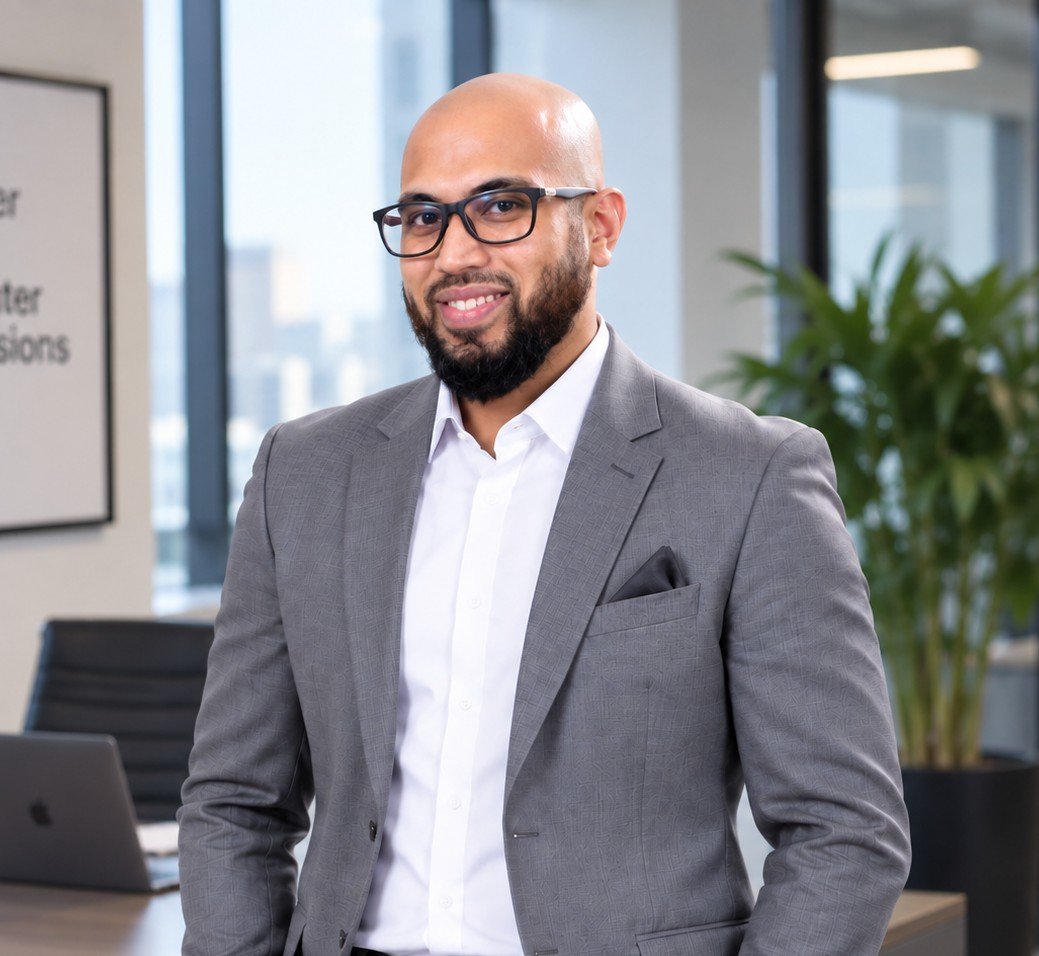
Nasehuddin Mohammed is the Co-Founder and Head of Technology at Zawjaan, where he leads product quality and the platform’s technological development. His work spans user experience and interface development, matchmaking strategies, and community-centred communication experiences designed to help Muslims build serious, marriage-minded connections.