


Serious Marriage Intent among Burmese Muslim Men
For a sister, knowing whether a man is serious about marriage is the first filter.
In Myanmar, marriage is traditionally a community affair, with families playing a central role in vetting and supporting matches. A serious man will involve his family early, seeking their approval and blessing before any prolonged discussion.
He will speak about marriage in concrete terms, such as timelines, family planning, and his readiness to take on the responsibility of a wife. Vague talk about ‘maybe in the future’ is a caution sign.
Seriousness is also shown in his willingness to approach a wali directly, not just chat privately with you. This respects Islam and signals that he is not looking for casual interaction.
A man who is serious will also be transparent about his religious practice, educational background, and career. He will not hide his circumstances, even if they are modest.
His focus will be on compatibility for marriage, not on personal gratification or idle conversation. His questions will aim at understanding your deen, values, and family expectations.
- Mentions a clear intention to marry, not just ‘get to know someone’
- Involves family or a respected elder early in the process
- Suggests involving your wali to ensure halal communication
- Openly discusses his financial status and living arrangements
- Asks about your religious practice and family background
- Is consistent in his messages and follows through on promises
Indicators of a Marriage-Minded Man
A marriage-minded man will respectfully decline private chat he sees as unnecessary, preferring conversations framed by Islamic values. He will answer questions about his character with humility.
He will also introduce you to his family, even if virtually or through a trusted relative. This is a strong signal that he envisions a real union, not just an online connection.
- Proposes a halal framework, such as involving a wali from the start
- Asks about your family’s expectations for a husband
- Shares his own life goals and how marriage fits into them
- Shows patience and does not pressure you for quick decisions
- Agrees to meet with family members when the time is right
Understanding the Burmese Muslim Community for Women Seeking a Husband
Myanmar’s Muslim community is not monolithic; it includes Burmese, Chinese, Indian, and other ethnic backgrounds.
In Yangon and Mandalay, you will find established Muslim neighbourhoods with mosques and madrasas. In smaller towns, Muslims may be a minority, and marriage practices may vary.
A potential husband’s cultural background will shape not only his daily life but also his family’s expectations of a wife. Learn about his specific traditions without assuming they define his deen.
Some Burmese Muslim families are more traditional, expecting a daughter-in-law to live with the extended family. Others are more modern and prefer a nuclear household. Discuss this openly.
Islam is the common ground, but local customs can influence weddings, food, and dress. Your compatibility will depend on mutual respect for these differences.
The community’s diversity means that a man from a different ethnic group than yours may still be a suitable match, provided you both prioritise Islam and clear communication.
- Research the local Muslim population and infrastructure in his city
- Ask about his family’s cultural traditions and how they practice Islam
- Consider whether you are open to moving to a different community
- Find out if there are other Muslim families nearby for support
- Learn about local marriage customs, such as engagement traditions
Regional Differences across Myanmar
In Yangon, the community is large and well-organised, with many marriage bureaus and matchmaking events. In Mandalay, you may find a more traditional atmosphere.
In peripheral areas, the Muslim community might be small, and finding a compatible spouse could rely heavily on family networks or online platforms.
- Yangon offers a larger pool of Muslim professionals
- Mandalay’s community is close-knit with strong family ties
- Rural areas may need extra patience for finding a suitable match
- Naypyidaw’s community is smaller but includes government employees
Evaluating Deen and Character in a Burmese Muslim Man
A man’s relationship with Allah is the foundation of his character as a future husband.
Observe how he speaks about religion. Does he prioritise prayers, fasting, and honesty in daily transactions? A man who lives his faith is more likely to treat you with justice.
Character matters beyond religious rituals. Look for humility, patience with family, and a track record of keeping promises. Ask trusted community members about his reputation.
Compatibility in deen means you share similar expectations of religious practice, such as frequency of prayer, dress codes, and Islamic education for children. Clarify these early.
His approach to resolving disagreements will reveal his maturity. Does he listen, seek Islamic counsel, or become defensive? A husband who is fair in conflict is a treasure.
A woman also wants a man who is kind and gentle, as the Prophet ﷺ advised. Note how he treats his mother and sisters; that is often how he will treat you.
- Judges his actions, not just his words about faith
- Observes him in community settings
- Asks about his habits of prayer and religious study
- Inquires about his previous relationships (if any) and how he ended them
- Seeks references from imams or respected elders
Signs of Strong Iman in a Potential Husband
A man with strong iman will avoid haram in his speech, such as backbiting or excessive jokes. He will be conscious of Allah’s limits in his interactions with you.
He will also encourage you to grow spiritually, whether through reminders of prayer or attending Islamic lectures together, under proper guidelines.
- He speaks about Islam with sincerity and knowledge
- He fulfils his duties to parents, siblings, and neighbours
- He refrains from free mixing and lowers his gaze
- He shows gratitude for blessings and patience in trials
- He seeks halal earnings and avoids interest
Family Expectations and Involvement with Burmese Husbands
In Myanmar, marriage is a merger of two families, and your potential husband’s family will have expectations.
A Burmese husband may expect his wife to maintain strong ties with his parents, possibly living with them or visiting frequently. Clarify this before marriage to avoid future friction.
His family may also have views on your dress, career, or freedom. Discuss how he plans to support you if there are differences.
Involving your own family is equally important. Your wali’s role is to protect your interest, not just give a rubber stamp. Ensure he is comfortable with the match.
A marriage-minded man will be respectful to your family, showing genuine interest in their concerns. He will not rush the engagement without proper introductions.
Traditional expectations may include contributions to the wedding costs or specific gifts, so understand what is customary and what is feasible.
- Ask about living arrangements: with in-laws or separate home?
- Discuss how you will handle family celebrations and obligations
- Learn about his family’s financial habits and expectations
- Ensure your wali is fully informed and present in the process
- Talk about the role of in-laws in raising your future children
Approaching Family in Myanmar
When a man approaches your family, he should come with a clear proposal, not vague intentions. He should be prepared to answer questions about his job, housing, and Islamic practice.
Your family may appreciate a written or verbal proposal from a respected elder of his family. This honour shows seriousness.
It is also wise to have several supervised meetings before the nikah, so both families can assess compatibility.
- He contacts your wali directly, not just you
- He provides references from his local community
- He discusses mahr and wedding arrangements with your family
- He is patient with your family’s questions and concerns
- He involves a trusted elder or imam as a mediator if needed
Halal Communication: From First Contact to Nikah with Burmese Men
Communication before marriage must be pure, purposeful, and within Islamic boundaries.
Limit your conversations to topics that prepare you for marriage: deen, life goals, family plans, and practical living arrangements. Avoid romantic or secret chats that could lead to fitnah.
Always involve a third party when possible, even if it is a trusted relative on a call. This keeps the interaction accountable and serious.
Agree on a communication timeline. A serious man will not drag out the getting-to-know phase for months without a plan to meet your wali.
Respect each other’s boundaries. If a man insists on late-night calls or inappropriate topics, this is a red flag. A pious man will lower his gaze and guard his speech.
Gradually escalate conversations from general to specific, always preserving your dignity. The goal is to make an informed decision, not to fall in love before nikah.
- Set a clear purpose for every conversation
- Include a wali or mahram in calls or meetings
- Choose safe topics: faith, family, and future
- Avoid time alone without a chaperone
- Have an exit plan if you feel uncomfortable
Stages of Halal Pre-Marriage Talk
Begin with brief, supervised introductions to see if there is basic compatibility. This can be via text or a call with your wali present.
If the first stage is positive, arrange a formal meeting with both families. From there, you can have deeper conversations about your life together.
The final stage is the nikah itself, which formalises your relationship and allows the natural affection to develop in a halal framework.
- Initial introduction: brief and with family present
- Family meeting: discuss values and expectations
- Engagement period: longer conversations under supervision
- Nikah: the official Islamic marriage contract
- After nikah: building your life as a married couple
Marriage-Focused Online Matchmaking with Burmese Muslim Men
Online platforms, when used properly, can connect you with serious Burmese Muslims beyond your local circle.
Zawjaan is designed for marriage-minded individuals, but you must apply the same vetting standards as in person. Always prioritise profiles that clearly state their intention to marry.
Create a profile that reflects your honesty: your deen, education, family background, and what you seek in a husband. This filters out unserious men.
When a man contacts you, look for respectful language and a focus on compatibility. He should ask about your wali and propose family involvement early.
Be mindful of privacy. Do not share sensitive information until you are confident he is serious and you have involved a third party.
The advantage of online matchmaking is the wide pool, but it also requires extra caution against misrepresentation. Consider asking for video calls with your wali present to verify identity.
- Filter profiles that mention marriage intentions
- Seek profiles with detailed religious and family background
- Communicate through the platform’s built-in chat initially
- Move to a call or video with your wali when a candidate seems promising
- Before meeting, arrange a gathering in a public place with family
How to Use Zawjaan Safely
On Zawjaan, clearly state that you prefer a wali involved from the early stage. This deters those who seek casual interaction.
Use the profile verification features, and do not hesitate to ask for contact with his family or community references. A serious man will provide these.
If you are exploring matches in Myanmar, consider that some men may live in remote areas. This might require additional planning for relocation and long-distance communication.
- Set your preferences to include countries like Myanmar
- Look for badges like ‘Marriage Intent’ or ‘Family Involved’
- Report any profile that violates decency
- Trust your intuition if something feels off
Nikah and Mahr Discussions with a Burmese Groom
Understanding the Islamic marriage contract is essential when evaluating a potential husband in Myanmar.
A proper nikah is the foundation of a halal marriage. Both families should be clear about the terms before the ceremony.
The mahr is a gift from the groom to the bride. It is her right, and its value should be agreed upon openly and respectfully.
In Myanmar, some couples hold the nikah at a masjid or at home with a local imam. Others involve family elders in the arrangements.
You and your potential husband should discuss the mahr in a way that feels comfortable and avoids confusion later.
A fair mahr is not about extravagance. It reflects the groom’s sincerity and his respect for the bride’s dignity.
- Discuss the mahr amount with your potential husband before the nikah.
- Confirm who will act as your wali or guardian for the ceremony.
- Ensure the nikah is performed according to Sunni or Shia practices accepted by both families.
- Agree on whether the nikah will be followed by a walima or a simple family gathering.
- Record the mahr and other conditions in writing to prevent future misunderstandings.
Practical Mahr Conversations
Talk about the mahr in a respectful tone. It is a serious commitment, not a negotiation tactic.
Some Burmese Muslim families prefer a modest mahr in line with local customs, while others follow global trends.
In Yangon, the cost of living is higher than in rural areas. This may influence the mahr amount that feels reasonable.
Cultural Diversity Among Burmese Muslim Men
Myanmar’s Muslim population is diverse, and generalisations can lead to unfair assumptions. Focus on the individual’s deen and character.
Burmese Muslims come from various ethnic backgrounds, including Bamar, Rakhine, Kaman, and others. Each has unique traditions.
Culture is not Islam. A man’s practice of Islam matters more than his ethnic customs.
A serious brother in Yangon may follow South Asian-inspired dress, while one in Mandalay might wear traditional Burmese clothing.
Instead of stereotyping, ask about his family values, his relationship with the masjid, and how he observes daily prayers.
Respect for your own cultural background is important. Mutual appreciation of differences strengthens a marriage.
Avoiding Stereotypes
No single description fits all Burmese Muslim men. Judge him by his actions and words.
Ask how he treats his elders, his siblings, and his community. These are stronger indicators than any cultural label.
Burmese Cuisine and Wedding Foods You May Encounter
Food is a central part of Burmese hospitality. Knowing common dishes helps you connect with his family and enjoy the celebrations.
Mohinga, a fish noodle soup, is a beloved national dish. Many families serve it at gatherings.
At a wedding or engagement, you might find curries, pickled tea leaf salad, and coconut-based desserts.
Halal food is available in Muslim-majority areas, but verify sources outside them.
When visiting his family, showing appreciation for their food is a kind gesture. Ask about halal preparation respectfully.
Halal Dining Etiquette
If you are invited to a meal, ask politely whether the food is halal. This is a normal question for Muslim guests.
In mixed settings, suggest halal restaurants for meeting his family. Many cities have established halal eateries.
Eid Customs and Dress Traditions for Burmese Husbands
Eid celebrations in Myanmar blend Islamic devotion with local customs. Understanding these traditions helps you prepare for married life.
On Eid, Burmese Muslim men often wear a longyi with a matching shirt or a formal suit for prayers.
They may visit the masjid early, give zakat al-fitr, and then gather with family for festive meals.
As a wife, you might prepare traditional sweets like semolina cake or coconut fudge for guests.
In Yangon, large Eid congregations take place at central mosques, while smaller towns may have more intimate gatherings.
Discuss with your potential husband how you both want to celebrate Eid, balancing his traditions with your own.
- Ask him about his family’s Eid morning routine, from prayers to visits.
- Plan how you will dress modestly and comfortably, respecting local customs.
- Offer to help prepare Eid dishes, as this shows warmth and interest.
- Discuss how you will handle visits to multiple family homes.
Dress Modesty and Local Style
For women, wearing a hijab or modest clothing is common. In some areas, a longyi and blouse is comfortable and respectful.
A Burmese husband may appreciate your adherence to Islamic dress while embracing local fabrics like cotton or silk.
Approaching the Family of a Burmese Man Respectfully
Honouring his parents and elders is vital in Burmese culture. A respectful approach builds trust and acceptance.
When meeting his parents, dress modestly and greet them warmly. A slight bow or a respectful nod is polite.
Bringing a small gift, such as dates or fruit, is appreciated but not required.
Avoid direct confrontation with family members. Instead, discuss concerns privately with your potential husband.
His mother’s opinion carries weight. Showing kindness towards her can ease your path.
Involving your own wali or family representative shows that you take the marriage seriously.
- Learn a few basic Burmese phrases like ‘mingalaba’ to show effort.
- Ask about his family’s values and how they observe Islamic practices.
- Be patient if the family speaks a different dialect or language.
- Request a private meeting with his parents, and follow his guidance on etiquette.
Gaining Family Approval
His parents may want to meet you face-to-face. This is a sign of serious intentions.
Show genuine interest in their lives and listen more than you speak.
Remember that marriage in Islam is a union of families, not just two individuals.
Relocation and Long-Distance Marriage for Burmese Husbands
If you live outside Myanmar or in a different city, relocation requires careful planning and mutual consent.
Long-distance engagement is possible with clear communication and a defined timeline for marriage.
Understand the visa and residency requirements if you plan to move to Myanmar or if he will relocate to your country.
Discuss whether his job can support a move, and how you will manage finances together.
If he works in Yangon, the city offers more opportunities, but it also has a higher cost of living.
Moving to a smaller town may be more affordable but could mean fewer halal amenities. Plan for both scenarios.
- Agree on a realistic timeline for nikah and then cohabitation.
- Research Islamic centres or halal grocery stores in your new location.
- Discuss how often you will visit each other before marriage.
- Clarify responsibilities for travel, documentation, and relocation costs.
Marriage Readiness and Next Steps
Evaluate whether you both are emotionally and financially ready for marriage.
If you are serious about a Burmese brother, begin by building a halal connection through family-mediated conversations.
Use Zawjaan to search for profiles in Myanmar. Filter for men who explicitly seek a wife for marriage.
After identifying a potential partner, involve your wali early to ensure proper Islamic processes.
How to Assess Burmese Muslim Men for Marriage
A marriage-focused process for Muslim women assessing a Burmese Muslim man in Myanmar for serious Islamic marriage.
- Confirm serious marriage intention: Clarify that the Burmese Muslim man is seeking marriage rather than a casual relationship, and establish clear halal communication boundaries from the beginning.
- Assess deen and character: Consider religious commitment, honesty, temperament, responsibility and consistency, rather than relying only on attraction or online conversation.
- Involve family or wali appropriately: Bring trusted family members or a wali into the process at a suitable stage so intentions, character and practical expectations can be assessed transparently.
- Discuss marriage expectations: Talk clearly about mahr, finances, work, housing, family roles, children, location and other responsibilities that could affect long-term compatibility.
- Agree the route towards Islamic nikah: If compatibility is strong, agree practical next steps for family discussions, any necessary civil requirements and preparation for an Islamic nikah.
Frequently Asked Questions
What should I know about the mahr in a Burmese Muslim marriage?
The mahr is a mandatory gift from groom to bride. In Myanmar, it can be money, gold, or goods agreed upon by both families. Discuss openly and document it with the nikah contract.
Are there specific cultural expectations if I marry a Burmese Muslim man?
Respect for elders is important. You may be expected to attend family gatherings and observe local customs, but always within Islamic boundaries. Communicate your own expectations clearly.
How do I ensure the food is halal when meeting his family in Myanmar?
Ask politely whether the meal is halal. In Yangon and Mandalay, many Muslim families serve halal food. For eating out, suggest known halal restaurants to avoid concerns.
What is the typical wedding attire for a Burmese groom on Eid?
He may wear a longyi with a matching over-shirt or a formal suit. Women often wear a longyi with a modest blouse and hijab. Comfort and modesty are key.
How involved will a Burmese family be in the marriage process?
Families are usually very involved. You may need to meet his parents before a proposal. Be respectful, show kindness, and involve your wali early.
Can I use Zawjaan to find a serious Burmese Muslim partner?
Yes, Zawjaan allows you to filter profiles by location and intention. Look for men who explicitly state they are seeking marriage and have verified their profiles.
About the Author
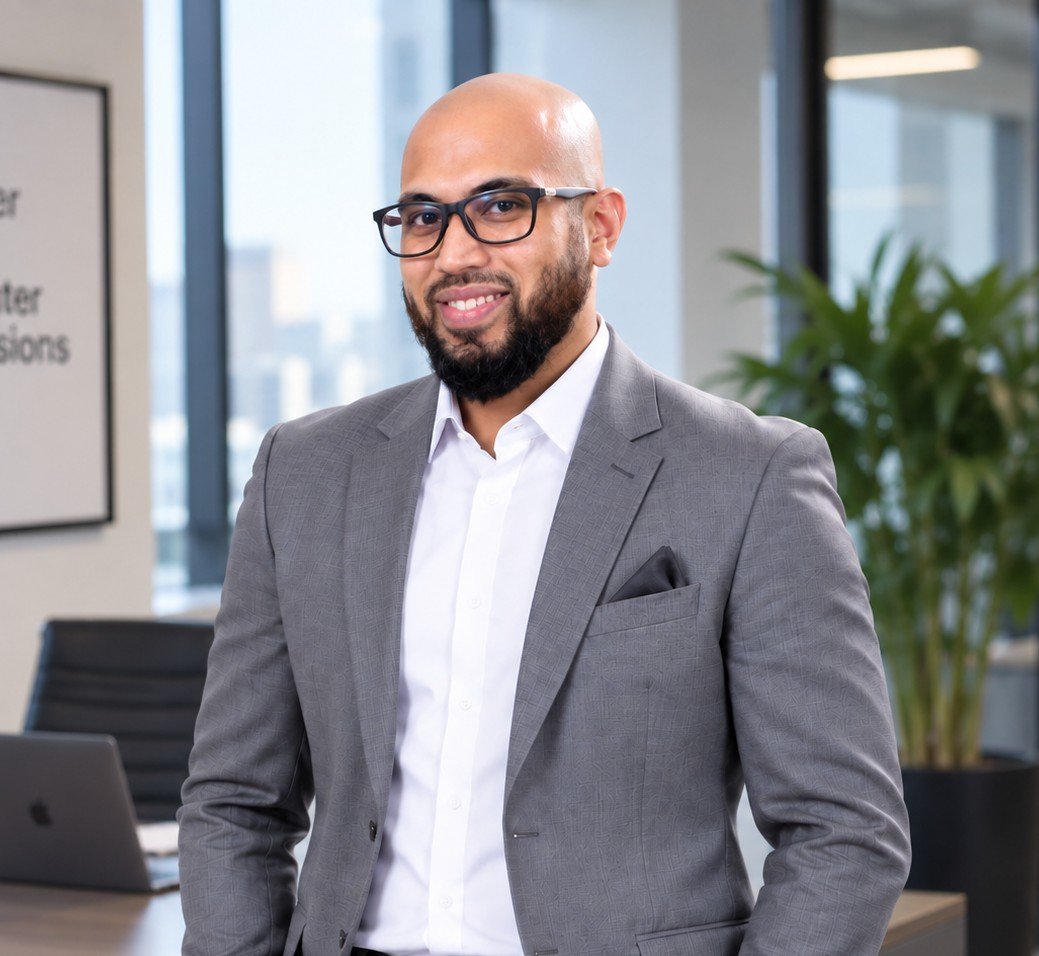
Nasehuddin Mohammed is the Co-Founder and Head of Technology at Zawjaan, where he leads product quality and the platform’s technological development. His work spans user experience and interface development, matchmaking strategies, and community-centred communication experiences designed to help Muslims build serious, marriage-minded connections.