


Serious Marriage Intent for Muslim Men in Lesotho
Serious marriage intent is the foundation when evaluating any potential husband, especially in a tight-knit community where reputations and sincerity quickly become known.
A man who is genuinely serious about marriage will usually have a clear plan: he wants a wife, he is ready for the responsibilities that come with it, and he has involved his family or is prepared to do so early.
In Lesotho, the Muslim community is small, so a serious man may be known to community leaders or respected elders. Asking around in mosques or through trusted networks can help you confirm his standing and intent before you invest time.
He should not be vague about his timeline or what he expects from a marriage. A serious husband-to-be is willing to discuss the future, including where you would live, how you would maintain your deen, and how his family will be involved.
If he hesitates or pressures you for secrecy, that is a red flag. Serious Mosotho Muslim men value transparency and the involvement of both families from an early stage.
- He initiates clear discussions about marriage rather than leaving things open-ended.
- He has shared his intentions with his family or is ready to do so.
- He is willing to be introduced to your wali or family at an appropriate stage.
- He respects your need for time and clarity, not rushing you into decisions.
Understanding the Mosotho Muslim Community Context
The Muslim community in Lesotho is small but growing, with a history shaped by South Asian trade and local converts. Knowing the community landscape helps you evaluate a man’s integration and support network.
Most Muslims in Lesotho are concentrated in urban areas, particularly Maseru, where mosques and Islamic schools exist. Outside the capital, the Muslim presence is sparse, so practical considerations about prayer and community life are important.
Mosotho Muslim men may come from families with different levels of religious practice, from deeply observant to culturally Muslim. You must assess where he stands on his own, not just what his family label implies.
There is no single ‘typical’ Mosotho Muslim man. Some are descendants of traders, others are converts, and many are from the indigenous Basotho people who embraced Islam. Cultural practices are not part of Islam, so keep the focus on his deen and character.
Understanding the community context means knowing what Islamic infrastructure exists, how he engages with it, and whether he is part of a religious network that strengthens his practice or isolates him from it.
- Check whether he attends the mosque regularly and participates in community activities.
- Find out about the local Islamic schools and mosques, especially if you would relocate to Maseru.
- Ask about his family’s level of religious observance and how he feels about that.
- Be aware that some cultural practices in Lesotho may conflict with Islamic norms; a committed man will know the difference.
Deen, Character, and Compatibility with Mosotho Men
A man’s religious practice and character are the most important aspects to evaluate, as they determine how he will treat you, your future children, and how he carries the responsibilities of a husband.
Look for a man who prays consistently, has good manners, and treats others with respect. Character in Islam is the true measure of a person’s faith, as the Prophet ﷺ emphasised.
Compatibility goes beyond shared ethnicity. You must share core values, life goals, and an understanding of each other’s religious expectations. A Mosotho man who has left his homeland for work or education may have different experiences, but his deen must remain his anchor.
In the early stages, observe how he speaks about marriage, women, and his family. Is he respectful? Does he see a wife as a partner in faith and life? Does he value your ability to make decisions?
A man with strong character is patient, honest, and consistent. He will not show a different face to you and to his family or the outside world.
- Consistent prayer and practical knowledge of Islamic obligations.
- Honesty in his words, especially around his marital expectations and financial situation.
- Ability to treat family and community members with kindness and patience.
- Willingness to learn and grow in his deen, not just maintain rituals.
Family Expectations and Involvement for Mosotho Husbands
In Lesotho, family plays a central role in marriage, and for Mosotho Muslim men, honouring parents is a significant value. Understanding how he balances Islamic duties with cultural expectations is key for your future relationship.
Many Mosotho families might expect a traditional lobola (bride price) even for Muslim marriages, mixing cultural practices with Islamic norms. Discuss early how your own family and his family view this, and how it aligns with Islamic mahr principles.
A serious husband will know how to manage family boundaries. He will respect his parents but will not let cultural duties cause injustice to his wife or neglect of her rights.
When meeting his family, observe how they treat you and whether they welcome you. A husband who supports you in front of his family during these meetings is a good sign.
It is also wise to involve your own wali and family from an early stage, so that both sides can communicate directly and avoid misunderstandings.
- Discuss the role of mahr and lobola early to avoid confusion and resentment.
- Meet his parents and siblings in a halal setting with your family present if possible.
- Ask about his parents’ expectations regarding your role as a wife and how he views those expectations.
- Clarify how often you will visit extended family and how he handles family conflicts.
Halal Communication with Muslim Men in Lesotho
Halal communication is the proper way to get to know a potential husband without crossing boundaries. It preserves dignity and protects both of you from sin.
Before you start speaking with a man, ensure that your interaction is purposeful: you both want marriage, not casual chatting. If he is not serious, it is best to end the conversation politely.
Never engage in private conversations without a third party present, whether as a group chat, in a public place, or with a family member on the call. This protects your reputation and his intentions.
Set boundaries from the start, discussing only marriage-related topics such as religious practice, family values, and future plans. Avoid becoming emotionally intimate before the nikah.
Zawjaan provides a halal platform for such conversations, allowing you to communicate with a clear intention of marriage with the necessary safeguards.
- Always involve a family member or at least inform your wali when you begin speaking with a potential husband.
- Use text-based or monitored calls, avoiding video chats in private settings.
- Keep topics focused on compatibility, deen, and practical matters; avoid romantic or private conversations.
- If a man pressures you to communicate secretly, treat this as a serious red flag.
Marriage-Focused Online Matchmaking for Mosotho Men
Online matchmaking can connect you to Mosotho Muslim men with serious marriage intentions, but it must be done in a halal, purposeful way.
Zawjaan is designed specifically for marriage-minded Muslims, so you can be confident that the men you meet are there for the right reason. Unlike general social media, this platform encourages family involvement and halal communication.
When creating your profile, be honest about your expectations, lifestyle, and what you are looking for in a husband. This filters out those who are not compatible with you.
Use the platform’s features to involve your wali early. Share the profile of a potential husband with him and discuss the next steps openly.
If you find a promising match, move to a more formal discussion with your families as soon as you feel comfortable. A man who is sincere will welcome family involvement.
City links are useful because many Mosotho Muslim men are based in Maseru, but some also live in South Africa or other areas; be open to distance if the man is serious.
- Complete your profile with clear details about your deen, background, and marriage goals.
- Use search filters to find men with similar religious commitment and location preferences.
- Communicate through Zawjaan’s platform initially, maintaining Islamic etiquette.
- Involve your wali before you decide to meet in person or move forward.
Islamic Nikah and Mahr: What a Mosotho Groom Should Offer
Understand the Islamic requirements of marriage, including the mahr and the role of the wali.
In Lesotho, the Muslim community follows the standard Islamic nikah, which requires the consent of both parties and the presence of a wali for the bride.
The mahr is a gift from the groom to the bride, which can be money, assets, or anything of value, and must be specified at the time of marriage.
Discussing mahr practically shows the seriousness of the groom and his readiness to take on marital responsibilities.
The nikah can be performed in a mosque or at home, with an imam or a trusted Muslim scholar overseeing the proceedings.
Ensure that the marriage is legally registered in Lesotho to protect both spouses’ rights under local law.
- Discuss mahr expectations before the nikah and agree on a fair amount.
- Involve the bride’s wali in the nikah process and respect his role.
- Arrange for two male Muslim witnesses or one male and two female witnesses.
- Register the marriage with the Lesotho government after the religious ceremony.
Marriage Preparation Classes
Some mosques in Maseru offer premarital counseling or classes for soon-to-be couples.
These classes cover topics like communication, financial rights, and Islamic responsibilities of marriage.
Attending a class together can strengthen your understanding and demonstrate commitment.
Cultural Diversity Without Stereotypes: Understanding Mosotho Muslim Men
Islam in Lesotho includes both indigenous Mosotho Muslims and expatriate communities. Avoid assumptions.
Mosotho Muslims may have origins in different countries or have converted locally, blending Islamic practices with traditional Basotho culture.
The culture is not Islam, so judge a man by his character and commitment to the deen, not by his ethnicity or nationality.
Respect that he may have specific family customs that align with Islam, while others may be cultural and should be navigated with knowledge.
Ask respectful questions about his family background and religious upbringing to understand his perspective.
- Learn about the local Muslim community in Maseru, which includes a mix of cultures.
- Avoid generalizations about Mosotho men; evaluate each individual on his faith and actions.
- Be open to differences in language, dress, and food customs within the ummah.
Food and Gatherings: Sharing Meals with a Mosotho Husband
Food plays a central role in social gatherings. Discover what to expect when dining with a Mosotho family.
Local cuisine includes papa (maize meal), moroho (leafy greens), and meat dishes like chicken or beef, often cooked with traditional herbs.
Halal options are available in Muslim households, and it’s advisable to confirm the source of meat when eating out.
Sharing meals is a way to build bonds; participating in family dinners with a potential husband can reveal his manners and respect.
During Ramadan, iftar gatherings are common, offering a chance to meet his family in a religious context.
- Learn to cook a few local dishes to show interest and respect.
- Ask about halal food sources in his city.
- Attend community iftars to observe his family dynamics.
Eid Customs and Dress: Celebrating as a Mosotho Wife
Eid celebrations in Lesotho combine Islamic traditions with local customs. Know what to expect.
Eid begins with a special prayer at the mosque, followed by family visits and festive meals.
Mosotho men often wear traditional Basotho blankets over their Islamic attire, blending cultural and religious identity.
As a wife, you may be expected to prepare food and participate in family gatherings, showing your role as a partner.
Observe the dress codes of the local community: modest clothing that is both Islamic and culturally accepted.
- Appreciate the cultural expression of wearing a Basotho blanket during Eid.
- Plan meals and gifts for family visits.
- Ensure your own modest attire is suitable for festive occasions.
Approaching Parents and Family: Respecting Mosotho Protocols
Family involvement is crucial in Mosotho culture. Learn how to navigate introductions and approval.
Gaining the approval of his family is often essential for a successful marriage. Respect his parents and show good adab.
When you meet his family, dress conservatively and greet them with respect, using appropriate greetings in Sesotho.
Ask your potential husband how he plans to approach his family about the marriage and offer support.
In Mosotho culture, the man’s family may expect to meet the bride’s family formally before the nikah.
- Speak with the brother about his family’s expectations.
- Arrange a meeting with his parents in a respectful setting.
- Offer a small gift as a sign of goodwill.
- Be prepared to answer questions about your background and intentions.
City and Relocation: Building a Life with Your Mosotho Husband
Consider practical aspects of where you will live and how relocation might affect your marriage.
Maseru, the capital, offers more amenities and a larger Muslim community, whereas smaller towns may have fewer Islamic resources.
Relocation, whether within Lesotho or to another country, requires planning for housing, employment, and Muslim community access.
Discuss with your potential husband where you will live and how you will manage the logistics, including visas if crossing borders.
Long-distance marriage is a possibility, but clear communication and a timeline for reunion are vital.
- Identify the city or town where you will reside.
- Research the availability of halal food and mosques in that area.
- Plan for work or income arrangements for both spouses.
- Set a timeline for moving if you are long-distance.
How to Assess Mosotho Muslim Men for Marriage
A marriage-focused process for Muslim women assessing a Mosotho Muslim man in Lesotho for serious Islamic marriage.
- Confirm serious marriage intention: Clarify that the Mosotho Muslim man is seeking marriage rather than a casual relationship, and establish clear halal communication boundaries from the beginning.
- Assess deen and character: Consider religious commitment, honesty, temperament, responsibility and consistency, rather than relying only on attraction or online conversation.
- Involve family or wali appropriately: Bring trusted family members or a wali into the process at a suitable stage so intentions, character and practical expectations can be assessed transparently.
- Discuss marriage expectations: Talk clearly about mahr, finances, work, housing, family roles, children, location and other responsibilities that could affect long-term compatibility.
- Agree the route towards Islamic nikah: If compatibility is strong, agree practical next steps for family discussions, any necessary civil requirements and preparation for an Islamic nikah.
Frequently Asked Questions
What should a sister look for in a Mosotho Muslim man regarding religious commitment?
Look for consistency in his prayers, knowledge of Islam, and how he treats family and others. Ask his community about his character.
How does the mahr work in Lesotho?
Mahr is an amount agreed upon by the bride and groom, often discussed with the wali. It is a mandatory gift from the husband to the wife.
Is it common for Mosotho Muslim men to have multiple wives?
Polygamy is practiced by some, but it’s not the norm. Discuss this openly before marriage to know his expectations.
What are the expectations regarding family involvement in a Mosotho marriage?
Family approval is highly valued, and marriage often involves both families. Expect his parents to be part of the decision-making.
How can a sister use Zawjaan to find a serious Mosotho groom?
Zawjaan allows you to filter by location and seriousness, and provides halal communication tools to discuss marriage intentions.
What should I know about long-distance marriage with a Mosotho man?
If you are in different countries, agree on a realistic timeline for relocation and regular video calls to maintain connection.
About the Author
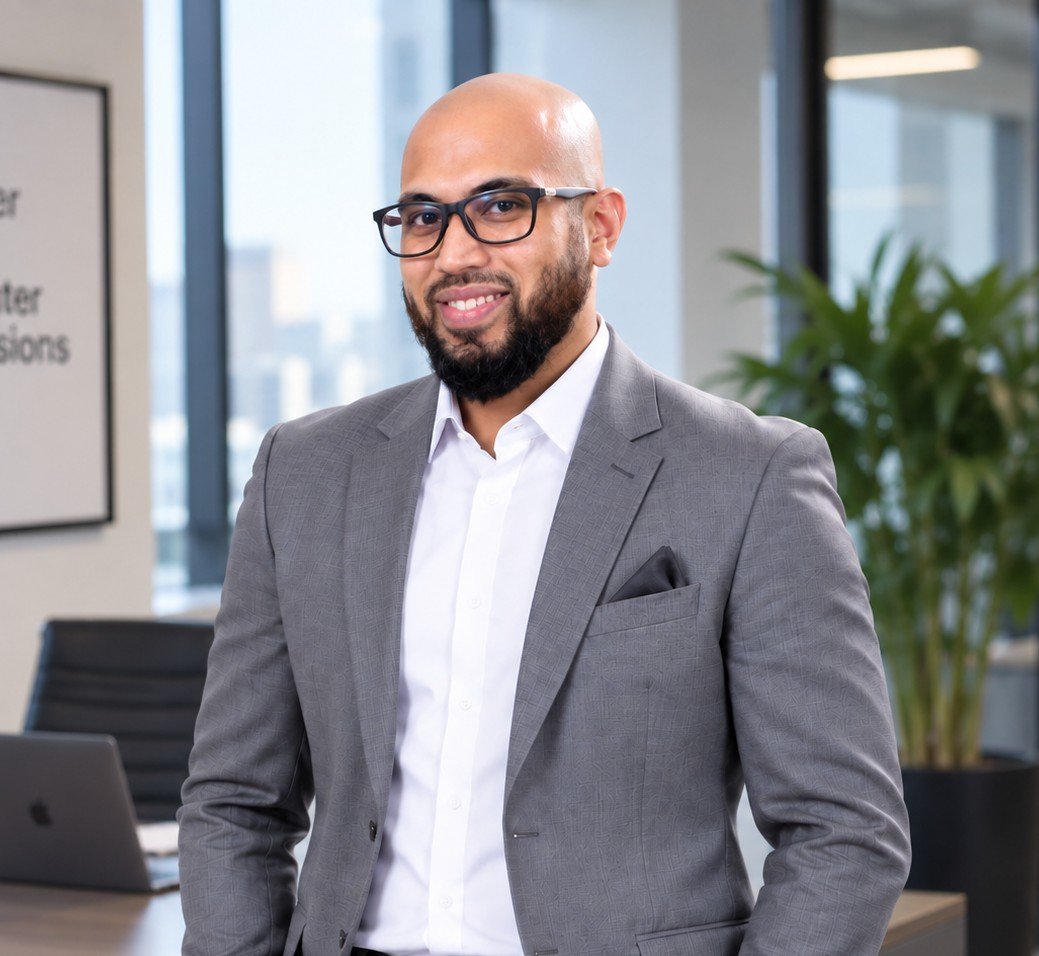
Nasehuddin Mohammed is the Co-Founder and Head of Technology at Zawjaan, where he leads product quality and the platform’s technological development. His work spans user experience and interface development, matchmaking strategies, and community-centred communication experiences designed to help Muslims build serious, marriage-minded connections.