


Serious Marriage Intent in Namibia: What Muslim Men Should Know
Marriage in Namibia is not taken lightly. For Muslim men, showing genuine intention is the first step toward trust.
Many Namibian Muslim women come from families where marriage is a sacred contract, not a casual arrangement. They expect a prospective husband to be clear about his intentions from the start.
Seriousness means being willing to involve families early, discuss practical matters openly, and avoid ambiguous relationships that lack commitment.
Zawjaan supports this by encouraging marriage-minded profiles and purposeful communication from the first message.
If you are not ready for responsibilities of a husband, it is better to wait than to enter a relationship without sincerity.
- Clearly state your intention to marry in your profile and early conversations.
- Be prepared to discuss your religious practice, career, and family plans.
- Respect her need for modesty and privacy while getting to know her.
- Understand that her family may want to verify your character and stability.
The Namibian Muslim Community: A Small but Connected Network for Brides
Knowing the local Muslim community helps you understand where a potential wife may come from and what values she carries.
Namibia’s Muslim population is small, estimated at a few thousand, with many converts and families who embraced Islam decades ago.
The community is concentrated in Windhoek, but there are also Muslims in towns like Walvis Bay, Swakopmund, and Oshakati.
Because the community is close-knit, reputation and word-of-mouth matter greatly. A man’s character is often known before he meets a family.
This can work in your favour if you have a good reputation, but it also means you must be careful in your interactions.
- Attend local Islamic events or masjid activities to build a positive network.
- Seek introductions through respected community members if possible.
- Be aware that a woman’s family may have connections to the wider Muslim community across Southern Africa.
- Understand that cultural backgrounds may vary, but Islam unifies the community.
Deen and Character: Qualities to Look for in a Namibian Wife
Compatibility in faith and character is the foundation of a successful Islamic marriage.
A Muslim man should look for a woman whose practice of deen goes beyond the surface. Does she pray regularly, seek knowledge, and uphold Islamic values in her daily life?
Character matters equally. Honesty, kindness, and patience are qualities that sustain a marriage through challenges.
Namibian Muslim women often balance strong family ties with a modern lifestyle. Look for a partner who shares your vision of practising Islam in a contemporary African context.
Discuss important deen aspects early, such as prayer habits, dress, and views on family roles.
- Ask about her religious journey and how she practises Islam.
- Observe how she treats her parents and siblings, as this often reflects future behaviour.
- Consider her level of modesty and how she interacts with non-mahram men.
- Check if her understanding of Islamic principles aligns with yours.
Practical Steps to Assess Compatibility
Use the initial conversations to ask meaningful but respectful questions about faith, family, and life goals.
Involve your own trusted family or friends to gain another perspective.
- List the top three qualities you seek in a wife.
- Ask her about her daily routine and how she prioritises worship.
- Discuss your expectations for raising children and managing the household.
- Be honest about your own strengths and areas you are working on.
Family Expectations and Involvement in a Namibian Marriage
In Namibia, family is central to the marriage process. Understanding this helps you build respect from the beginning.
Her family will likely be involved in vetting you as a potential son-in-law. They may ask about your job, religion, and intentions.
In many Namibian cultures, the concept of lobola (bride price) is important, and Islamic mahr is often integrated with this practice.
You should expect family meetings and be prepared to discuss your ability to provide, both emotionally and financially.
Respect her parents’ role, even if you do not agree with every cultural expectation.
- Approach family interactions with humility and respect.
- Be transparent about your income and living situation.
- Understand that mahr is a serious Islamic obligation, not just a formality.
- Seek guidance from local scholars or Muslim leaders if you are unsure about customs.
Mahr and Lobola: What to Expect
In Namibia, Islamic mahr is required, but families may also expect cultural lobola. Clarify what is expected early.
Discuss the breakdown of costs and how the mahr will be given to the bride herself.
- Ask her or her wali about the expected mahr range.
- Understand that lobola is often paid to the family, while mahr is the wife’s personal right.
- Budget accordingly and show that you are prepared to meet these obligations.
- Keep the discussion respectful and avoid haggling over the mahr – it is not a market transaction.
Halal Communication with Namibian Muslim Women: Etiquette for Men
Correct communication is essential to keep the relationship pure and pleasing to Allah.
Halal communication means keeping conversations respectful, purpose-driven, and within the bounds of Islamic guidelines.
When speaking with a Namibian Muslim woman, avoid casual chit-chat or flirtatious talk. Keep the focus on serious topics.
It is recommended to involve a mahram or use a chaperone, especially in later stages of the conversation.
Zawjaan provides a platform designed for halal marriage-seeking, with features that encourage purposeful dialogue.
- Start with a respectful greeting and clear introduction.
- Ask questions about her deen, family, and views on marriage.
- Avoid discussing intimate topics before nikah.
- Be mindful of your tone – kindness and dignity in words are valued.
- If possible, include a trusted third party in video calls.
First Conversation Tips
Your first message sets the tone. It should express your intention and show that you have read her profile.
Keep it concise and free of compliments about her appearance.
- Greet with ‘Assalamu alaikum’ and introduce yourself.
- Mention that you are looking for a serious wife and found her profile interesting.
- Ask one or two thoughtful questions about her life or deen.
- Express your intention to involve families if there is mutual interest.
Marriage-Focused Online Matchmaking for Namibian Women
Zawjaan bridges the gap between traditional family involvement and modern convenience.
For a Muslim man, using an online platform like Zawjaan is efficient and halal, provided you maintain proper conduct.
Namibian Muslim women who use Zawjaan are there for serious reasons: they want to find a husband who shares their faith and values.
The platform allows you to search based on religious practice, location, and family aspirations.
Remember that a profile is just a starting point. Face-to-face meetings, with a chaperone, are essential for final decisions.
- Create a truthful profile that highlights your deen and intentions.
- Use specific filters to narrow down to Namibia and your preferred criteria.
- Initiate contact with a respectful, marriage-oriented message.
- Move to a phone call or video chat after a few exchanges, ensuring both are comfortable.
- Involve families early once you feel there is potential.
Why Use Zawjaan?
Zawjaan is designed specifically for Muslim marriage, encouraging serious intentions and halal communication.
Many Namibian Muslims appreciate the privacy and safety that the platform offers compared to general social media.
- You can specify your country and city, making it easy to find Namibian women.
- The platform encourages focusing on deen and compatibility.
- You control your data and choices, ensuring a modest experience.
- Zawjaan’s community values align with Islamic etiquettes of seeking a spouse.
Preparing for Nikah and Mahr with Namibian Muslim Women
Understanding the nikah process and mahr expectations helps you approach marriage with clarity and respect.
Most Namibian Muslim families value a straightforward nikah conducted according to Islamic principles. The ceremony is often simple, with the wali, two witnesses, and a mahr agreed upon beforehand.
The mahr is a gift from the groom to the bride, not a bride price. Discussing it respectfully shows your commitment and honours the woman’s dignity.
Some families may expect a formal proposal and engagement period before the nikah. Clear communication prevents misunderstandings.
- Discuss mahr openly, considering what is meaningful yet practical.
- Involve both families early to agree on the nikah date and arrangements.
- Confirm that the woman’s wali is present and agreeable.
- Arrange for an imam or knowledgeable person to conduct the nikah.
- Prepare the necessary documents, especially if you are from abroad.
Mahr considerations in Namibia
Mahr can be monetary or in kind, such as gold or a set of household items. A moderate mahr is common and appreciated.
It is sunnah to keep mahr simple and affordable, reflecting your sincere intentions.
The mahr belongs to the bride alone; she may use it as she wishes.
- Ask her family about any customary expectations, but stay within Islamic guidelines.
- Avoid extravagant mahr that could cause financial strain.
- Document the mahr clearly in the marriage contract.
Appreciating Cultural Diversity Among Namibian Muslim Women
Namibia’s Muslim community is small but diverse, with influences from various ethnic and cultural backgrounds.
Many Namibian Muslims are converts, while others descend from immigrant communities. This creates a rich blend of traditions.
Culture is not Islam. Be mindful not to assume that a woman’s family practices reflect religious requirements.
Your future wife may have different cultural customs in food, dress, or celebrations. Openness and mutual respect are vital.
- Learn about her family’s heritage without stereotyping.
- Ask respectful questions about their traditions and practices.
- Be prepared to adapt to each other’s cultural expectations.
- Avoid making generalisations based on ethnicity or nationality.
Women’s dress and modesty
Dress norms vary among Namibian Muslim women. Some wear hijab, others may not, and some adopt traditional clothing alongside Islamic attire.
Respect her choice of dress and understand that modesty is personal and evolving.
Her family’s expectations about dress may differ from yours; discuss this early.
- Observe and appreciate her style without imposing preferences.
- Communicate your own expectations about modesty gently.
- Recognise that modesty encompasses behaviour and character.
Namibian Cuisine and Eid Traditions for Muslim Women
Food and festive customs play a significant role in Namibian Muslim households, especially during Eid.
Namibian cuisine reflects a mix of indigenous and colonial influences. Common staples include meat, maize, and millet.
Many Muslim families enjoy dishes like kapana (grilled meat), oshifima (millet porridge), and stews. On Eid, they may prepare traditional sweets and treats.
Women often play a central role in preparing festive meals and hosting relatives.
- Be open to trying local dishes and learning to prepare them together.
- Understand that Eid celebrations may include community prayers, family visits, and shared meals.
- Respect dietary preferences and ensure all food is halal.
Eid customs and women’s roles
On Eid, women often wear new modest clothing, sometimes with traditional Namibian fabrics. Gifts are exchanged, and children receive eidi.
Families may visit the mosque for Eid prayer, then gather for meals. Women may host separate gatherings or join communal events.
Understanding these customs helps you support your wife in maintaining her traditions while building your own.
- Ask her family about their specific Eid practices.
- Plan to accommodate her responsibilities in community events.
- Celebrate both Islamic and local customs where they do not conflict.
Approaching the Family of a Namibian Muslim Woman
Respectfully engaging with her parents and relatives is key to a successful proposal in Namibia.
In Namibia, family approval is often crucial for a marriage to proceed. Her parents will want to know your intentions, character, and ability to provide.
Approach her family with humility and patience. A formal visit to her parents’ home is a common step.
Seek to build trust by demonstrating your religious commitment and genuine care for their daughter.
- Express your desire to marry their daughter in a respectful manner.
- Be prepared to answer questions about your work, faith, and future plans.
- Involve your own family or a respected elder if possible.
- Avoid pressuring for a quick answer; give them time to consider.
- Maintain halal boundaries during all interactions.
What her father may ask
Her father may ask about your employment, accommodation, and how you intend to support a wife. He may also inquire about your religious practice.
Answer honestly and calmly. Show that you have a stable plan for married life.
If you are from another country, he may question your relocation intentions and commitment to staying in touch.
- Explain your financial situation and plans for housing.
- Describe how you will ensure her religious and cultural needs are met.
- Clarify your long-term residence intentions.
City Differences and Relocation for a Namibian Muslim Wife
Where you settle matters. Namibia has diverse cities with varying Muslim communities and lifestyle opportunities.
Windhoek, the capital, has a small but active Muslim community, with mosques and halal shops. Walvis Bay and Swakopmund also have Muslim residents.
In rural towns, the Muslim population may be scarce, and facilities like halal restaurants may be limited.
If you plan to relocate to Namibia, consider the availability of Islamic resources and employment prospects.
- Windhoek offers more community support and religious infrastructure.
- Coastal towns may have fewer Muslims but a calmer lifestyle.
- Remote areas may require extra planning for daily needs.
Relocation considerations for your wife
If you are moving to Namibia, your wife may already be familiar with the local context. If you bring her to your country, she may face cultural adjustments.
Discuss where to live before marriage, considering her family ties and career.
Plan for her to maintain contact with her family, especially if moving abroad.
- Agree on a city that balances job opportunities and community life.
- Ensure visa and legal processes are clear for her if relocating.
- Allocate time for her to visit family regularly.
- Support her in building a new support network.
Assessing Marriage Readiness with a Namibian Muslim Wife
Before proposing, reflect on your readiness to be a husband and your approach to halal communication.
Involve your family and use halal channels like Zawjaan to interact respectfully. Keep conversations purposeful and marriage-focused.
Evaluate compatibility in deen, character, and life goals. A strong intention and mutual respect are the foundation of a successful marriage.
Prepare yourself to lead a household with kindness and fairness, fulfilling both religious and practical responsibilities.
- Clarify your expectations regarding faith, children, and lifestyle.
- Discuss how you will practice Islam together.
- Plan for open communication about finances and household roles.
- Ensure you are emotionally and financially ready for marriage.
Practical steps for the groom
Complete any pre-marriage counselling or reading. Speak with married friends for advice.
Prepare a list of questions to discuss with her, focusing on deen, career, and family.
Make istikhara and seek guidance from Allah.
- Finalise your financial budget for the wedding and future expenses.
- Arrange for halal communication channels, such as a chaperone.
- Set a realistic timeline for the nikah and subsequent relocation.
How to Approach Namibian Muslim Women for Marriage
A marriage-focused process for Muslim men approaching a Namibian Muslim woman in Namibia for serious Islamic marriage.
- Clarify serious marriage intention: Approach the Namibian Muslim woman with a clear marriage purpose rather than casual dating, and keep early communication respectful and halal.
- Involve her family appropriately: Respect her preferred level of family or wali involvement and move the conversation towards a transparent, marriage-minded process at an appropriate stage.
- Assess deen and compatibility: Discuss religious practice, values, character, communication, family expectations and long-term goals without treating cultural customs as Islamic requirements.
- Discuss practical marriage expectations: Talk openly about mahr, finances, housing, work, children, family responsibilities, location and relocation where relevant.
- Agree the route towards Islamic nikah: If both sides are compatible, agree the next family, legal and practical steps needed to prepare responsibly for an Islamic nikah.
Frequently Asked Questions
How can I respectfully approach a Namibian woman’s family for marriage?
Start by expressing your intentions through her father or a male guardian. Arrange a formal visit, dress modestly, and speak sincerely about your faith, work, and plans. Show patience and avoid rushing.
What is a typical mahr for a Namibian Muslim bride?
Mahr varies based on family expectations and the groom’s means. It can be cash, gold, or something meaningful. It is important to agree on a practical amount and document it.
Are Namibian Muslim women open to relocating abroad?
Many are open if the marriage is strong and they can maintain contact with family. Discuss relocation honestly, covering visas, culture, and support systems.
What should I know about Eid celebrations in Namibia?
Eid includes communal prayers, family meals, and giving gifts. Women often wear new clothes, and traditional foods are served. Be open to learning her family’s specific customs.
How does Zawjaan help me find a Namibian Muslim wife?
Zawjaan provides a halal platform for serious matchmaking, allowing you to communicate purposefully with marriage in mind. You can search for Namibian Muslim women who are equally committed.
What qualities should I look for in a Namibian Muslim wife?
Look for sincere faith, good character, and compatibility in values and life goals. Also consider her family dynamics and her willingness to communicate openly.
About the Author
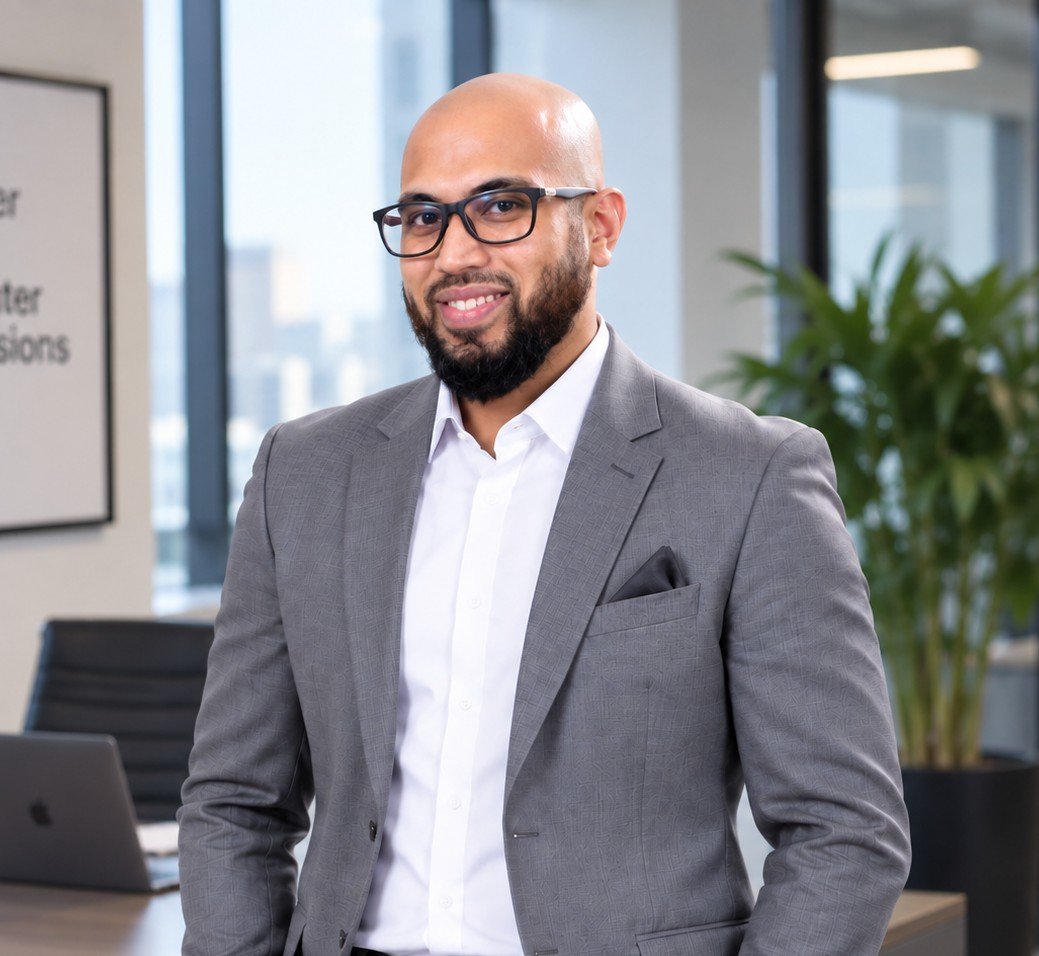
Nasehuddin Mohammed is the Co-Founder and Head of Technology at Zawjaan, where he leads product quality and the platform’s technological development. His work spans user experience and interface development, matchmaking strategies, and community-centred communication experiences designed to help Muslims build serious, marriage-minded connections.