


Serious Marriage Intent and Finding a Muslim Wife in Bhutan
For a man seeking a wife, clarity of intention is the first step. In Bhutan, where the Muslim community is small, being explicit about your desire for nikah helps you connect with women who share your seriousness.
The Muslim population in Bhutan is small, and many Muslim women are from diverse backgrounds – some are converts, others are from families that migrated from South Asia or the Middle East.
Approaching a potential wife with clear intentions means you respect her time and hers. You are not engaging in casual relationships but looking for a partner to build a life with.
Being upfront about your commitment to Islam and your desire to establish a halal household is essential. This clarity helps you attract women who are equally marriage-focused.
In a close-knit community, your reputation matters. Word of a serious, respectful man seeking a wife travels favorably, opening doors to introductions through trusted channels.
- State your intention to marry early in the conversation, in a halal and respectful manner.
- Be prepared to discuss your religious practice, such as prayer, fasting, and knowledge of Islam.
- Understand that some Bhutanese Muslim women may be interested in relocating, while others may prefer to stay.
- Show that you value her faith and character over superficial traits.
The Importance of Nikah in Your Search
Islamic nikah is the sacred bond that makes your relationship lawful. In Bhutan, with no formal Islamic legal system, you may need to arrange the nikah under the guidance of a local imam or through a recognised Islamic authority.
Ensure that any marriage arrangement includes the necessary legal steps in Bhutan, as well as the Islamic ceremony, so that both civil and religious obligations are met.
- Research the legal requirements for marriage in Bhutan, including registration with the local authorities.
- Seek the guidance of a knowledgeable imam, if available, to conduct the nikah in a valid manner.
- Involve the woman’s family in the process, as their blessing is important for a harmonious start.
Understanding the Bhutanese Muslim Community Context
To find a wife in Bhutan, you need to understand the local community’s structure, values, and religious observances. This helps you approach the search with cultural and religious awareness.
The Muslim community in Bhutan is concentrated in the capital Thimphu, with mosques that serve as centres for prayer and social gatherings. There are also small communities in other towns.
Bhutan is a Buddhist-majority country, and Muslims often navigate their faith as a minority. This fosters a strong sense of community and reliance on family networks.
For a potential wife, her faith may be deeply personal, and she may value a husband who appreciates the challenges of practising Islam in a non-Muslim environment.
Community events, such as Eid prayers and Ramadan iftars, are excellent opportunities to connect with families who are seeking a good match for their daughters.
- Attend congregational prayers and community events to become known as a practising Muslim man.
- Respect the privacy and close-knit nature of the community; introductions often happen through trusted intermediaries.
- Learn about the local customs, including dress standards that may influence how women present themselves.
- Be aware that some Bhutanese Muslim women may wear hijab, while others may not; focus on her character and deen.
Demographic Insights
Islam has been present in Bhutan for decades, mostly among ethnic Nepalis and other South Asian communities. The exact number is small, and marriageable women may be few.
This scarcity means that you should be open to meeting women through family referrals and online platforms that focus on Islamic marriage.
Assessing Deen and Character in a Bhutanese Wife
When evaluating a potential wife, you must look beyond outward appearances. In Bhutan, where Islamic practice may vary, assessing deen and character is crucial for a lasting marriage.
A woman’s deen is her connection to Allah, including her knowledge, practice, and sincere desire to grow in faith. In Bhutan, you may encounter women with varying levels of practice.
Character, or akhlaq, includes honesty, patience, kindness, and respect. These qualities are essential for building a strong home.
Compatibility involves shared goals, visions for family life, and conflict resolution styles. You should discuss your expectations openly and respectfully.
Seek a woman who complements you, not one who merely matches a checklist. Her commitment to faith and her family values are more telling than any superficial attribute.
- Ask about her religious habits, such as prayer and fasting, and her level of Islamic knowledge.
- Observe how she speaks about her family and community; respect for others is a sign of good character.
- Discuss your plans for Islamic education, children’s upbringing, and engagement with the Muslim community.
- Consider her willingness to learn and grow in practising the deen alongside you.
Practical Ways to Gauge Compatibility
You can learn about her character through respectful conversations and by involving family members who know her well.
Online exchanges on Zawjaan can help you assess her thoughts on marriage, family, and faith before involving families.
- Engage in meaningful dialogue about Islamic values and daily life.
- Observe her interactions with mahrams, especially her father or brothers.
- Seek the advice of a trusted community elder who knows her family.
Family Expectations and Involvement for a Bhutanese Bride
In Bhutan, family approval is often essential for a Muslim woman to agree to a marriage. You must approach her family with respect, patience, and a genuine interest in their values.
A Bhutanese Muslim woman’s family will likely assess your character, financial stability, religious commitment, and intentions. They want assurance that their daughter will be well cared for.
Her parents may be more traditional, expecting you to initiate contact through appropriate channels. Sending a proposal through her father or guardian is the proper Islamic approach.
Understanding that family involvement can be deep and long-lasting is important. You are not only marrying her; you are joining her family network.
Respect their cultural and religious customs, and be open to discussions about mahr and living arrangements.
- Make your first contact with the family through a respectful intermediary or directly with her guardian.
- Present yourself as a serious potential husband, not a casual suitor.
- Discuss mahr and financial support in a clear and generous manner.
- Show willingness to build a relationship with her family, including visits and maintaining contacts.
Mahr and Family Expectations
Mahr, or the mandatory bridal gift, is a right of the woman. In Bhutan, amounts may vary based on family expectations and your financial capacity.
Discuss mahr respectfully with her family and agree on something that is fair and affordable. The Prophet (peace be upon him) encouraged simplicity, but the wife should be satisfied.
Also discuss future living arrangements, such as whether she will move to another city or country, and how contact with her family will be maintained.
- Determine a mahr that is meaningful without being burdensome.
- Clarify relocation plans early to avoid misunderstandings.
- Plan for regular visits or video calls to maintain family ties.
Halal Communication with a Bhutanese Muslim Woman
Meeting a potential wife in a halal manner is paramount. In Bhutan, where community interaction is limited, online platforms and chaperoned meetings can facilitate appropriate communication.
Halal communication means that any interaction between you and a potential suitor is conducted with respect, purpose, and the presence of a chaperone where appropriate.
In the early stages, online chats on Zawjaan can be used to gauge compatibility, but always keep the tone serious and avoid flirtatious talk.
If you wish to meet in person, arrange for a mahram of hers to be present, preferably in a public place. This protects both of you and satisfies Islamic etiquette.
Ensure that your conversations focus on deen, values, and practical aspects of marriage, not on emotional attachments before nikah.
- Use Zawjaan’s messaging features to exchange views on important topics.
- Always maintain a professional and respectful tone in your messages.
- Before meeting, agree on a public venue and ensure her guardian is aware.
- Limit personal questions and avoid topics that could lead to haram interactions.
The Role of a Chaperone
In Bhutan, you may not have a large Muslim community from which to draw a chaperone. Her father, brother, or another male relative can serve this role.
If you are in a long-distance situation, continue to involve her family in your conversations, and ensure that your intentions are clear to them from the outset.
Marriage-Focused Online Matchmaking for a Bhutanese Wife
Given the small Muslim community in Bhutan, online matchmaking is a practical way to meet serious women. Platforms like Zawjaan are designed specifically for Muslims seeking nikah.
Using a marriage-focused site ensures that the women you encounter are also looking for a husband, not for casual dating. This aligns with your serious intention.
Zawjaan allows you to filter profiles based on religious practice, location, and marriage preferences, making it easier to find compatible matches from or in Bhutan.
When creating your profile, be honest about your practice, your life circumstances, and your willingness to relocate. Honesty attracts the right kind of woman.
Engage in purposeful conversations, and after some initial dialogue, involve her family as early as practical.
- Complete your profile thoroughly and include a clear description of your religious commitments.
- Use the search filters to focus on women in Bhutan or those open to relocating there.
- Start conversations with a respectful introduction, mentioning your intention to seek nikah.
- Avoid long periods of private chat without progressing to family involvement.
How to Use Zawjaan Effectively
When you find a profile that interests you, take time to review her stated religious practice and family orientation.
Send a message that conveys your seriousness and highlights your desire to build a halal household. Mention that you have read her profile and found shared values.
If the conversation moves well, request to communicate with her guardian via the platform or through a direct respectful proposal.
- Respond to her questions thoughtfully and avoid ambiguous answers.
- Never ask for inappropriate photos or engage in suggestive conversation.
- If you sense a lack of seriousness, politely conclude the interaction.
Islamic Nikah and Mahr: What Bhutanese Muslim Brides Expect
Understanding the nikah and mahr process is essential when you are considering a Bhutanese Muslim wife. Respect for Islamic requirements and her family’s expectations builds trust from the start.
In Bhutan, the Muslim community is small but close-knit. Marriages are often conducted with the guidance of local imams who ensure Islamic requirements are met within the national legal framework.
Mahr is a mandatory gift from the groom to the bride, signifying his commitment and responsibility. The amount is agreed between families, reflecting both practicality and respect.
The nikah ceremony itself is usually simple and dignified. It is performed in the presence of witnesses, and the wali of the bride gives consent on her behalf.
Some families in Thimphu also arrange a civil registration to meet Bhutanese law. The religious ceremony and legal registration are both important.
As a prospective husband, you should be prepared to discuss mahr openly. It is not about the sum but about the intention and sincerity behind it.
- Discuss mahr early in the engagement talks, as it shows your seriousness and respect
- Arrange for two male witnesses or one male and two female witnesses for the nikah
- Ensure her wali is involved in all marriage negotiations and consent
- Plan for a simple walima after the nikah, if feasible, to announce the marriage publicly
Mahr Considerations in the Bhutanese Context
Bhutanese Muslim families may suggest a modest mahr that aligns with local customs. The Islamic principle of affordability is highly valued in this small community.
Your readiness to provide mahr without hesitation reflects your ability to support a wife. This is a key indicator of your seriousness as a husband.
Cultural Diversity and Bhutanese Muslim Women: Avoiding Stereotypes
Bhutanese Muslim women come from diverse ethnic and cultural backgrounds. It is important to approach each person as an individual, respecting her unique family heritage.
Bhutan is home to a variety of ethnic groups, including Lhotshampas of Nepali origin and other communities. Muslim women may follow distinct cultural traditions while practising Islam.
Do not assume that every Bhutanese Muslim woman behaves or dresses in a certain way. Her family’s regional customs and level of religiosity will influence her daily life.
Culture is not Islam. Some practices may be cultural while the religious core remains universal. Focus on her character and commitment to deen rather than cultural labels.
When you communicate through Zawjaan, ask about her family background with respect. Learn about her values and how she integrates her faith with her heritage.
This openness helps you assess compatibility authentically, without imposing stereotypes.
- Acknowledge that Muslim women in Bhutan may be of Lhotshampa, Northern Bhutanese, or other descent
- Ask about her family’s cultural traditions, but never judge based on ethnicity
- Recognise that religious practice varies; some may be more observant than others
- Show appreciation for her unique background as part of your respect for her as a person
Common Cultural Practices to Respect
In Lhotshampa families, extended family involvement in marriage decisions is common. You should be prepared for that level of engagement.
When meeting her family, dressing modestly and greeting elders respectfully goes a long way in showing your good manners.
Bhutanese Cuisine and Eid Traditions for Your Future Wife
Food and celebration are integral to conjugal life. Understanding Bhutanese Muslim cuisine and Eid customs helps you appreciate what your future wife may bring to your household.
In many Bhutanese Muslim homes, rice is a staple, often served with curries, lentils, and fresh vegetables. Pickled chillies and homemade cheeses are common in Lhotshampa cooking.
During Eid, families prepare special dishes such as biryani, kebabs, and sweet desserts. If your wife comes from a Lhotshampa background, you may also enjoy festive flatbreads and sweet rice.
Dress traditions vary: many Muslim women wear modest clothing, often a long tunic and loose trousers or a hijab, while some may wear a sari or traditional Bhutanese kira with a long-sleeved top.
Your future wife may appreciate you learning about her culinary favourites. Sharing meals is part of building a strong bond.
When you visit her family during Eid, be prepared to greet elders with ‘Eid Mubarak’ and accept their hospitality graciously.
- Learn to enjoy Bhutanese dishes like ema datshi, but be aware of halal meat availability
- Respect that she may have a particular style of modest dress that reflects her culture and faith
- Be open to her cooking style, and appreciate the effort she puts into Eid feasts
- Show interest in her family’s festive traditions, and offer to help with preparations if appropriate
Halal Food Availability in Bhutan
Finding halal meat in Bhutan can be challenging due to the small Muslim population. Thimphu has a few halal butcher shops and Muslim-owned restaurants.
Your wife may prefer cooking at home to ensure halal standards. Support her by identifying halal sources near your residence.
Approaching Her Family in Bhutan: Etiquette for Seeking a Wife
Respectfully approaching a Bhutanese Muslim woman’s family is critical. Her family’s blessing is often essential for a successful marriage.
Before you consider proposing, take time to understand her family’s structure and expectations. In many Bhutanese Muslim families, the father or senior male acts as the wali.
When you approach the family, dress modestly and arrive on time. Greet elders with respect, using appropriate titles if known.
Present your intentions clearly and honestly. Explain your religious practice, your job, and your plans for the future, as these matter to her guardians.
Be prepared to have multiple conversations, as trust is built gradually. Do not pressure or rush the family; patience is a virtue in this process.
Your own character and manners speak loudly. Demonstrating respect for Islamic values and family life will strengthen your case.
- Make initial contact through a trusted intermediary or via Zawjaan’s guided introduction
- Clearly state your deen, occupation, and vision for married life
- Listen carefully to the family’s concerns and respond with honesty
- Follow up with a formal proposal after the family has indicated willingness
- Honour the family’s pace and never bypass the wali
What Her Family May Ask You
Families often ask about your religious background, stability, and ability to support a wife. They may also inquire about your own family and their approval.
If you live outside Bhutan and are considering relocation, be transparent about your plans and how you intend to manage long-distance arrangements.
City and Location Differences: Where You Might Live in Bhutan
Bhutan’s towns and regions differ in infrastructure, faith community size, and lifestyle. Where you settle influences daily life and the support network for your future wife.
Thimphu, the capital, has the largest concentration of Muslims, along with mosques and Islamic centres. It offers more employment opportunities and halal facilities.
Phuntsholing, near the Indian border, has a significant Muslim community and easier access to halal food and religious schools. It is a bustling trading town with a more subtropical climate.
Gelephu and Samdrup Jongkhar also have Muslim populations, but the communities are smaller and services may be limited.
Living in a smaller town may mean fewer Islamic resources; consider this carefully when making plans.
Your wife’s hometown may be different from where you plan to live. Discuss openly how you will manage distances from her family.
- Thimphu offers the best balance of urban facilities and a supportive Muslim community
- Phuntsholing provides easier access to India, which can simplify travel for religious purposes
- In smaller towns, you may need to travel for Friday prayers or Islamic education
- Consider her comfort in a new city; relocation can be stressful without proper support
Relocation and Long-Distance Considerations
If you are residing outside Bhutan, relocating for her may require visas and legal paperwork. Understand the implications for both of you.
Long-distance communication is a test of patience. Use halal channels like Zawjaan to maintain purposeful conversation and build trust.
Marriage Readiness: Practical Steps for a Successful Union with a Bhutanese Wife
Assessing your own readiness is as important as evaluating a potential wife. A successful marriage in Bhutan requires preparation in faith, finances, and family expectations.
Begin by working on your own character and deen. A strong husband leads with kindness and responsibility, as emphasised in the Quran and Sunnah.
Ensure you have a stable income and a clear plan for housing. Discuss these details with her family to reassure them of your capability.
Familiarise yourself with Bhutanese wedding customs and legal requirements. Registering the marriage is mandatory under Bhutanese law.
Learn basic greetings and phrases in Nepali or Dzongkha, as this will impress her family and ease daily interactions.
Prepare a checklist for engagement, nikah, and post-marriage life, and discuss each step with her.
- Work on your deen and character, focusing on becoming a just and caring husband
- Secure your finances and arrange appropriate housing for a married life
- Understand the legal requirements for marriage in Bhutan, including civil registration
- Learn about her cultural background and language basics to bridge gaps
- Plan the marriage steps with her input, from proposal to nikah and walima
A Quick Guide to the Engagement Process
Engagements in Bhutan often involve a formal proposal with gifts. The family will set a date for the nikah once both sides agree.
Keep your intention sincere and focused on building a God-conscious household. This will guide every decision you make.
How to Approach Bhutanese Muslim Women for Marriage
A marriage-focused process for Muslim men approaching a Bhutanese Muslim woman in Bhutan for serious Islamic marriage.
- Clarify serious marriage intention: Approach the Bhutanese Muslim woman with a clear marriage purpose rather than casual dating, and keep early communication respectful and halal.
- Involve her family appropriately: Respect her preferred level of family or wali involvement and move the conversation towards a transparent, marriage-minded process at an appropriate stage.
- Assess deen and compatibility: Discuss religious practice, values, character, communication, family expectations and long-term goals without treating cultural customs as Islamic requirements.
- Discuss practical marriage expectations: Talk openly about mahr, finances, housing, work, children, family responsibilities, location and relocation where relevant.
- Agree the route towards Islamic nikah: If both sides are compatible, agree the next family, legal and practical steps needed to prepare responsibly for an Islamic nikah.
Frequently Asked Questions
What mahr is typical for a Bhutanese Muslim bride?
Mahr is often modest, reflecting the local economic context. The exact amount is agreed between the families, but it must be given as a sincere gift. You should discuss it respectfully and be prepared to honour whatever is agreed.
How can I ensure the nikah is valid in Bhutan?
Have the nikah performed by a qualified imam in the presence of the bride’s wali and two male witnesses, or one male and two female witnesses. You may also need to register the marriage civilly to meet Bhutanese law.
Is it acceptable for a Bhutanese Muslim woman to wear a hijab?
Yes, many women choose to wear modest dress including a hijab. Others may wear traditional clothing that is also modest. Respect her choice and support her in wearing what she feels is appropriate.
How do I politely approach the family if the woman is interested?
Use a respectful tone and present your intentions clearly. Involve a trusted intermediary if possible, or use Zawjaan’s respectful communication tools initially. Always ask for her wali’s involvement and be patient.
Can I move my future wife to another country?
Yes, but relocation requires careful planning, including visas and legal documentation. Discuss with her and her family, and be honest about your long-term living arrangements. Consider her comfort in a new place.
What if I am already online on Zawjaan and interested in a Bhutanese profile?
Use the platform’s required steps to engage respectfully. Express your intention to marry, ask about her deen and family, and progress to involving her wali when the time is right. Remember that Zawjaan is for serious marriage-minded individuals like you.
About the Author
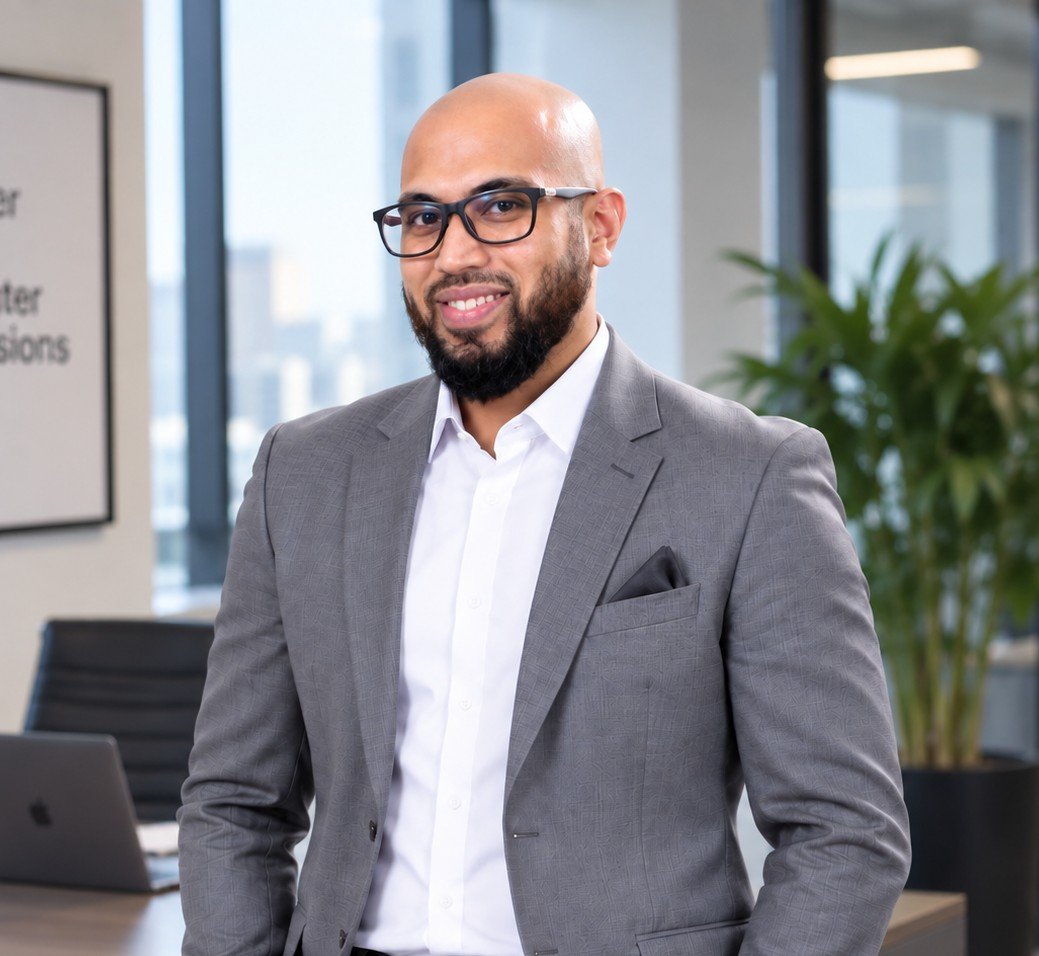
Nasehuddin Mohammed is the Co-Founder and Head of Technology at Zawjaan, where he leads product quality and the platform’s technological development. His work spans user experience and interface development, matchmaking strategies, and community-centred communication experiences designed to help Muslims build serious, marriage-minded connections.