


How to Spot Serious Marriage Intent in Bolivian Muslim Men
Not every man who says he wants marriage is ready for it. Here is how to read the signs within Bolivia’s Muslim context.
A serious man will speak about marriage as a commitment, not just a wish. He will ask about your expectations, future goals, and how you both align on deen.
In Bolivia, where the Muslim population is small, a marriage-minded man often seeks community guidance. He may involve his imam or a trusted elder early in the process.
Observe his actions. Does he make time for you within halal boundaries? Does he follow through on what he promises? Consistency matters.
A man serious about marriage will also be transparent about his work, family responsibilities, and financial situation. Vague answers are a red flag.
- He initiates clear, respectful conversations about nikah within a reasonable timeframe.
- He introduces you to his family or trusted community members early, not after months of secrecy.
- He asks about your wali and welcomes their involvement rather than avoiding it.
- He speaks practically about accommodation, living costs, and future plans in Bolivia or elsewhere.
The Bolivian Muslim Community: Where Men and Women Connect
Understanding the local community helps you gauge where you might meet a serious Bolivian husband and how to interact.
Bolivia’s Muslim population is small, with mosques and cultural centres mainly in La Paz, Santa Cruz, and Cochabamba. These are key places for social and religious gatherings.
The community includes Bolivian converts and families from various backgrounds, creating a diverse yet close-knit environment where values are shared.
For sisters, connecting through women’s circles and community events can provide a safe way to learn about potential candidates through trusted sisters.
Community leaders and imams often play a matchmaking role, helping families find suitable partners who are serious about marriage.
- Attend Eid prayers and community iftars to observe how men conduct themselves respectfully.
- Ask trusted married sisters about the reputation and character of any potential groom.
- Engage with the mosque’s family events to build a network of accountability and support.
- Be mindful that not every man at the mosque is marriage-ready; discernment is key.
Assessing Deen and Character in a Bolivian Potential Husband
Faith and character go hand in hand. Here is what to look for beyond the surface.
A man’s deen is not measured by appearance alone. Observe his commitment to prayer, honesty in dealings, and how he treats others, especially those with less power.
In Bolivia, where Muslims are a minority, a strong character often shows in quiet consistency – keeping fasts, praying on time, and avoiding interest-based transactions.
Compatibility extends to religious practice, including differences in fiqh and cultural expectations. Discuss these openly and respectfully before commitment.
Ask about his journey to Islam or his family’s practice. His answers reveal his depth of understanding and personal conviction.
Seek third-party impressions from people who know him well, such as his employer, neighbours, or longtime friends – always within halal bounds.
- He speaks about Islam as a way of life, not just a label.
- He shows patience and respect when discussing differences in opinion.
- He is honest about his past and seeks to improve himself for Allah.
- He treats waiters, workers, and strangers with kindness.
Bolivian Family Expectations for Muslim Grooms and Brides
Family involvement is a cornerstone of Islamic marriage, and in Bolivia, this can take unique shapes.
Bolivian families, whether Muslim or not, often place high value on family bonds and respect. A potential husband’s attitude towards his own family can signal how he will treat yours.
As a sister, you may need to engage with his family even if they are not Muslim. Show respect for their culture while gently introducing your faith and boundaries.
In Bolivian Muslim households, the father or guardian typically leads the marriage process. Expect his family to ask about your intentions, faith, and readiness for the nikah.
Seek clarity on how involved both families will be after marriage. Discuss roles, expectations, and how you will honour parents without compromising your marital unity.
A man who is serious about marrying you will not shy away from family discussions. He will facilitate meetings and ease communication between sides.
- Observe how he speaks about his mother, sisters, and female relatives.
- Ask him about his parents’ expectations regarding his future wife.
- Discuss how you will handle family visits and religious observances together.
- Ensure your wali is involved from the beginning to protect your interests.
- Avoid secret relationships; transparency honours both families.
Halal Communication with Bolivian Men: Boundaries and Respect
Clear, respectful communication is essential when evaluating a potential husband. Here is how to stay within Islamic guidelines.
Halal communication means purposeful, respectful interaction with a marriage intention. It involves a third party, such as a wali or trusted relative, especially in the early stages.
In Bolivia, where the Muslim community is small, you might meet a man through family or mutual friends. Use those channels to discuss serious topics without being alone or informal.
Keep conversations focused on deen, life goals, and practical matters. Avoid playful or flirtatious talk that leads nowhere.
Agree on a clear timeline and method for further discussions. If you move to phone calls or video chats, ensure they are modest and supervised where needed.
- Use a respectful form of address, such as ‘brother’ or ‘sister’, initially.
- Set boundaries on topic and frequency of contact.
- Involve your wali or a trusted sister in early conversations.
- End any communication that becomes inappropriate or pressurising.
Marriage-Focused Online Matchmaking for Bolivian Muslims
When local options are limited, online platforms like Zawjaan can connect you with Bolivian Muslim men seeking marriage.
With fewer than a thousand Muslims in Bolivia, your search may extend beyond your city. Online matchmaking allows you to meet serious men from La Paz, El Alto, or the countryside.
Zawjaan is designed for marriage-minded Muslims, offering a space where intentions are clear and communication remains halal.
Create a detailed profile that reflects your deen and expectations. When you identify a potential match, involve your wali early and arrange chaperoned meetings.
Be cautious of men who avoid discussing the nikah or who are unwilling to include family. Serious candidates will welcome the structure.
- Complete your profile with clear criteria for faith, education, and parenting style.
- Use the chat feature to discuss topics like salah, work-life balance, and relocation.
- After initial correspondence, invite your wali to join a video call with his wali.
- Request references from community members in his city if possible.
- Agree on a meeting in a public place with family present before any commitment.
Islamic Nikah and Mahr: What Bolivian Grooms Should Arrange
Understanding the nikah process helps you know what to expect when your potential husband proposes in Bolivia.
The Islamic nikah is the sacred contract that makes your marriage valid. It must be conducted according to Islamic principles, with the presence of a wali and two Muslim witnesses.
In Bolivia, there is no official Islamic court, so the nikah may be performed by an imam or knowledgeable Muslim who understands the requirements. Ensure the marriage is also registered with Bolivian civil authorities.
Mahr is the gift the groom gives to you as part of the marriage contract. It is your right, and its value should be agreed upon with mutual satisfaction.
Discuss mahr openly and respectfully. It can be money, gold, or any valuable item, and it becomes your exclusive property.
Your potential husband should show seriousness by actively preparing for nikah. This includes fulfilling all the conditions and ensuring your family is involved.
- Propose to your wali in a respectful and clear manner.
- Agree on mahr amount and form with you and your family.
- Arrange a venue and a qualified imam or Muslim official.
- Secure two Muslim witnesses for the nikah ceremony.
- Ensure the civil marriage registration is completed in Bolivia.
Nikah Venues in Bolivian Cities
In larger cities like La Paz and Santa Cruz, you may find Islamic centres or community halls that can host the nikah. Smaller cities may require more creativity, such as using a local mosque or even a private home.
The atmosphere of the nikah should be dignified and simple, focusing on the spiritual significance.
Mahr Considerations for Bolivian Grooms
Some grooms may be unfamiliar with the concept of mahr. You and your family may need to explain it clearly, ensuring that the groom understands it is not a bride price but a gift to you.
The mahr should be appropriate to the groom’s financial situation and not excessive. It is a symbol of his commitment and respect for you.
- Decide if you prefer a prompt or deferred mahr.
- Ensure the mahr is recorded in the marriage contract.
- Discuss any family expectations regarding mahr.
- Confirm the delivery of the mahr in a timely manner.
Cultural Diversity among Bolivian Muslim Men: Avoiding Stereotypes
Bolivian Muslims come from varied backgrounds. It is important to see each potential husband as an individual, not a stereotype.
The Muslim community in Bolivia is small but diverse. It includes local reverts of indigenous and mestizo heritage, as well as expatriates from the Middle East and South Asia.
Each man may practice Islam differently and hold distinct cultural customs. While culture shapes his worldview, it should not overshadow Islamic principles.
When meeting a potential husband, focus on his character, deen, and how he treats you. Do not assume he follows a certain culture’s norms just because of his ethnicity.
- Ask about his Islamic journey and family background.
- Observe how he respects your own cultural practices.
- Discuss how you will blend both families’ traditions.
- Avoid making assumptions based on his nationality or appearance.
Respecting Bolivian Heritage
If your potential husband is Bolivian, he may come from a rich Andean or Amazonian culture. These cultural elements can be beautiful, but ensure that Islam remains the guiding principle in your marriage.
Talk about how to celebrate Bolivian holidays and family gatherings while adhering to Islamic guidelines.
Bolivian Grooms, Cuisine, and Eid Customs for Your Marriage
Food and festive customs are meaningful parts of married life in Bolivia. Knowing what to expect helps you plan together.
Bolivian cuisine is rich with flavour, but not all traditional dishes are halal. Your potential husband should be mindful of halal dietary requirements.
Together, you might explore Bolivian staples like quinoa, potatoes, and fresh vegetables, which can be prepared in halal ways.
For Eid, Bolivian Muslim families often gather for prayer and festive meals. You may find that some dishes are adapted to be halal, while others are replaced with local favorites.
- Plan Eid meals that combine Bolivian flavours with halal meat options.
- Consider making traditional sweets like buñuelos or api but ensure they are alcohol-free and halal.
- Be aware of local customs like the Alasitas festival, but maintain Islamic boundaries.
- Discuss how you will share Eid celebrations with both families.
Dress Traditions for the Bolivian Groom
On your wedding day, the groom may wear a suit or traditional attire. Some Bolivian Muslim grooms may incorporate elements of their heritage, such as an Andean poncho, while respecting Islamic modesty.
It is important to agree on dress expectations that make you both comfortable and adhere to Islamic guidelines.
Approaching Your Family and Parents: How a Bolivian Groom Should Engage
Involving your family from the beginning is crucial. A respectful groom will know how to approach your parents properly.
Your potential husband should understand that in Islamic marriage, your wali’s approval is essential. He must approach your family respectfully and directly.
He should demonstrate his seriousness by meeting your parents, discussing his intentions, and presenting himself as a capable husband.
If he is not fluent in Spanish, he may need assistance to communicate with your family. Yet, making the effort is a sign of his commitment.
- Arrange a formal meeting with your father or male guardian.
- Clearly express his desire to marry you and his plans for the future.
- Demonstrate his religious commitment and financial readiness.
- Allow your family to ask questions and get to know him.
- Respect your family’s pace and any concerns they may have.
If Your Family Is Not Muslim
In Bolivia, many families may not be Muslim. The groom should approach them with kindness, explaining his faith and how he intends to support you spiritually.
He should not pressure them but rather build trust through his character.
City and Location Differences: Life as a Bolivian Muslim Wife
Where you live in Bolivia affects your daily life, access to community, and even the temperature. Consider practical differences.
La Paz is the administrative capital, situated high in the Andes. It has a small Muslim presence but offers cold temperatures and altitude challenges.
Santa Cruz de la Sierra is a larger, warmer city with a growing economy and perhaps a more established Islamic centre.
Sucre, the constitutional capital, is more traditional and quieter. Your potential husband may have a specific city in mind for work or family reasons.
Think about weather, available mosques, halal shops, and the proximity of other Muslim families when evaluating your future home.
- Check if there is a mosque or Islamic centre in the area.
- Look for halal meat suppliers or supermarkets.
- Consider the altitude and how it affects your health.
- Decide if you prefer urban or rural location.
- Plan for potential relocation if the community is too small.
Long-Distance Considerations
If you are living in a different city from your potential husband, you will need a clear plan for closing the distance.
Discuss timelines, moving logistics, and how you will support each other emotionally during the wait. Zawjaan’s platform can help you communicate halal in the meantime.
- Set a realistic timeline for relocation or marriage.
- Make a budget for travel and moving costs.
- Plan for visa or residence requirements if you are relocating to Bolivia.
- Maintain regular halal communication to strengthen your bond.
Marriage Readiness and Next Steps for a Serious Bolivian Groom
Knowing whether a Bolivian Muslim man is ready for marriage is the first step. Practical next steps come after you both agree to move forward.
A marriage-ready groom shows stability in faith, finances, and emotional maturity. He should have a clear vision for your life together.
He should be proactive in involving both families and moving towards nikah without unnecessary delays.
You can use online matchmaking platforms like Zawjaan to connect with seriousness, but real steps must happen in the real world.
- Evaluate his deen, character, and consistency in worship.
- Check his financial responsibility and ability to provide basics.
- Ensure he is willing to involve your family and his family.
- Discuss future living arrangements and family plans.
- Set a clear timeframe for regular communication and visits.
Practical Next Steps
Once you feel confident, encourage him to approach your wali formally. Then proceed with the nikah and civil registration.
Involve Zawjaan’s resources for halal communication and support throughout the courtship process.
- Have an open conversation about your expectations and goals.
- Introduce him to your family and seek their opinion.
- Perform istikhara prayer for guidance.
- Arrange a meeting with a trusted imam for pre-marital counselling.
- Set a wedding date after the nikah is agreed.
How to Assess Bolivian Muslim Men for Marriage
A marriage-focused process for Muslim women assessing a Bolivian Muslim man in Bolivia for serious Islamic marriage.
- Confirm serious marriage intention: Clarify that the Bolivian Muslim man is seeking marriage rather than a casual relationship, and establish clear halal communication boundaries from the beginning.
- Assess deen and character: Consider religious commitment, honesty, temperament, responsibility and consistency, rather than relying only on attraction or online conversation.
- Involve family or wali appropriately: Bring trusted family members or a wali into the process at a suitable stage so intentions, character and practical expectations can be assessed transparently.
- Discuss marriage expectations: Talk clearly about mahr, finances, work, housing, family roles, children, location and other responsibilities that could affect long-term compatibility.
- Agree the route towards Islamic nikah: If compatibility is strong, agree practical next steps for family discussions, any necessary civil requirements and preparation for an Islamic nikah.
Frequently Asked Questions
Is mahr mandatory in Bolivia for a Muslim marriage?
Yes, mahr is a mandatory gift from the groom to the bride in an Islamic nikah. It is your right, and it can be agreed upon in any form as long as both parties consent. In Bolivia, ensure the mahr is documented in the marriage contract.
How can a Bolivian Muslim man show his seriousness about marriage?
A serious groom will involve his family, seek your wali’s approval, make concrete plans for the nikah, and show consistency in his faith and character. He will also be transparent about his financial situation and future goals.
What if my Bolivian fiancé’s family has different cultural traditions?
It is important to discuss cultural differences early. Focus on Islam as the common ground, and respect each other’s heritage. Make clear agreements on how you will celebrate occasions and raise any children, always within Islamic guidelines.
Where can we find halal food in Bolivia?
In larger cities like La Paz and Santa Cruz, there are halal shops and some restaurants that offer halal meat. In smaller cities, you may need to order halal meat online or find local suppliers. Discuss with your husband how you will ensure halal food availability.
How does Zawjaan help Bolivian Muslim men and women meet?
Zawjaan is a Muslim marriage platform that allows you to meet serious, marriage-minded Muslims. You can filter by location, country, or ethnicity, and communicate halal through the platform’s built-in messaging, ensuring your interactions are purposeful and modest.
What should I do if my family is hesitant about my marriage to a Bolivian Muslim?
Involve your family from the beginning, and encourage your fiancé to meet them respectfully. Educate them about Islam and his intentions. With patience and transparency, they may come to accept the marriage. Uphold family ties while maintaining Islamic boundaries.
About the Author
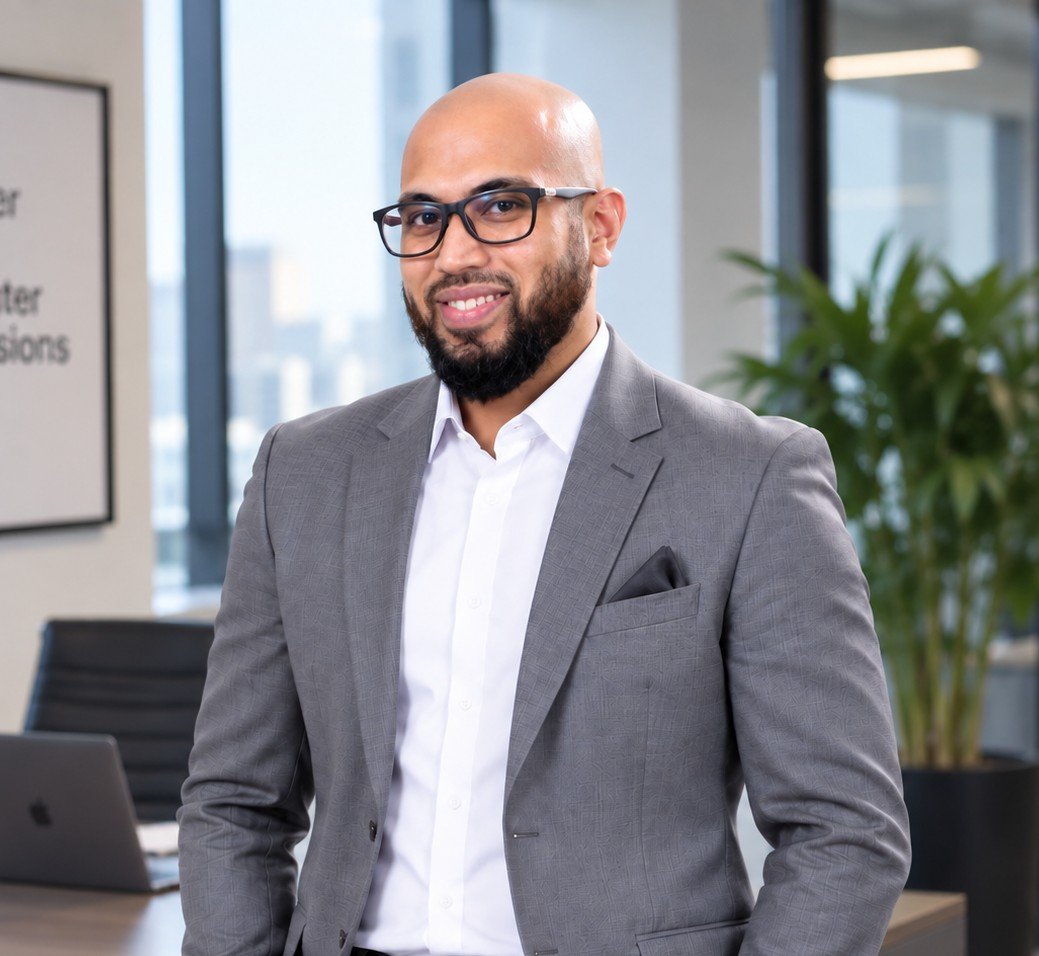
Nasehuddin Mohammed is the Co-Founder and Head of Technology at Zawjaan, where he leads product quality and the platform’s technological development. His work spans user experience and interface development, matchmaking strategies, and community-centred communication experiences designed to help Muslims build serious, marriage-minded connections.