

Serious Marriage Intent among Congolese Muslim Men
When considering a potential husband from the Democratic Republic of the Congo, assess his seriousness about marriage from the outset. Many Congolese Muslim men view marriage as a completion of half their deen, but you need clear signals of commitment.
A serious man will talk about marriage practically: timeline, family involvement, and future plans. He should be willing to involve his family and yours early. Be cautious if he avoids these topics.
In Congolese culture, marriage is often a communal event, so expect family to play a central role. A man who respects this shows he values tradition and responsibility.
- He initiates conversation about marriage goals and deen rather than casual talk.
- He expresses willingness to meet your wali and involve both families.
- He discusses financial readiness and housing without you prompting.
- He respects halal boundaries from the first conversation.
Recognising genuine commitment
A genuine suitor will not waste your time. He will ask about your expectations and share his own regarding children, career, and religious practice. This clarity is a good sign.
Ask about his daily prayers, community involvement, and how he intends to grow as a Muslim husband. A serious man will answer openly.
Understanding the Muslim Community Context for Congolese Husbands
To find a compatible husband, understand where Muslim communities in Democratic Republic of the Congo are concentrated and how they practice Islam. This knowledge helps you ask the right questions.
Muslims in the DRC are a minority, often found in cities like Kinshasa, Lubumbashi, and Goma. Many are Sunni, and Islamic education may vary, so it is wise to discuss religious backgrounds.
Some men may be from families with mixed religious histories. Ask about how he practices Islam daily and how his family supports his faith.
- He regularly attends Friday prayers or participates in Islamic study circles.
- He can share his basic Islamic knowledge and how he learns.
- He speaks respectfully about his parents and community leaders.
- He understands local Islamic practices and follows the Quran and Sunnah.
Local Islamic organisations and mosques
Many men are active in local mosques or organisations that offer Islamic education. Ask if he volunteers or teaches – this shows dedication.
If you are not in the DRC, ask about his local mosque so you can verify his involvement.
Deen, Character and Compatibility in a Congolese Husband
For a serious Muslim marriage, deen and character are foundational. When evaluating a Congolese man, look beyond cultural stereotypes and focus on his Islamic practice and moral integrity.
The Prophet (peace be upon him) advised choosing a spouse with good religion and character. These qualities matter more than wealth or ethnicity.
Observe how he treats others, especially his family and service workers. A man with good character will be kind and patient.
- Assess his commitment to daily prayers and striving to follow the Sunnah.
- Look for honesty in his speech and actions from the beginning.
- Consider how he handles disagreements and whether he shows forgiveness.
- Discuss compatible values: family lifestyle, education, and long-term goals.
What to ask about his religious practice
Ask about his journey to Islam or his upbringing as a Muslim. This reveals his level of knowledge and commitment.
Ask about his prayers, fasting, and involvement in Muslim community activities. His answers will show consistency.
Family Expectations and Involvement for Couples in Democratic Republic of the Congo
In Congolese culture, family approval is crucial. Understand what his family will expect from you and how he plans to navigate your family’s participation in the marriage process.
Expect his family to be deeply involved in the wedding plans, sometimes from the engagement stage. This is a blessing, but it requires communication and patience.
He should be ready to advocate for your needs while respecting his parents. A balanced approach is essential.
- Meet his parents early to understand their expectations and show respect.
- Clarify family roles: how often to visit, financial support, and living arrangements.
- Discuss how you both will support elderly parents in the future.
- Involve your own wali to ensure your rights are protected.
Navigating cultural expectations
Every family is different, so ask about specific traditions like bride price or other expectations. Islamically, mahr is obligatory, but cultural gifts may vary.
A respectful husband will not let culture override Islamic principles. Discuss any conflicts openly.
Halal Communication for Marriage-Minded Congolese Men
Your conversations with a potential Congolese husband must remain within Islamic guidelines. Clear, respectful, and purposeful communication will help you both decide if you are compatible.
Always involve a third party or use a marriage platform like Zawjaan that encourages protected chat. Never meet privately without a guardian.
Keep topics marriage-focused: deen, lifestyle, future goals, and how you will build a family together.
- He avoids flirtatious talk and keeps conversations respectful.
- He is comfortable discussing mahr and financial responsibilities.
- He asks about your family and your wishes for children.
- He suggests involving your wali early in the conversation.
Using Zawjaan’s protected chat
Zawjaan offers a purpose-built platform for halal communication. You can talk with potential husbands while maintaining Islamic boundaries.
The platform encourages family involvement and serious marriage intention from the start.
Marriage-Focused Online Matchmaking for Congolese Muslim Men
Online matchmaking can help you connect with serious Congolese men who may not be in your local community. Use Zawjaan to find a potential husband with clear intentions.
Create a truthful profile that reflects your deen and marriage goals. This attracts men who are similarly serious.
When you receive a request, evaluate the man’s profile and conversation for signs of genuine intention.
- Complete your profile with relevant details about your faith and life goals.
- Use the search filters to find men in specific Congolese cities or regions.
- Invite your wali to join conversations when you feel comfortable.
- Ask specific questions about his daily routine and family involvement.
- Meet in person only with a mahram and in a public setting.
Signs of a serious online suitor
A serious man will move the conversation toward meeting your family rather than endless messaging.
He will be transparent about his job, salary, and housing situation without you having to ask.
Islamic Nikah and Mahr for Congolese Muslim Men
Understanding the nikah process helps you assess a potential husband’s readiness and sincerity. In the DRC, Islamic marriage follows the same pillars as elsewhere, but local customs may add layers.
The nikah is the sacred contract that makes marriage lawful and binding. It requires mutual consent, a wali for the bride, and two male witnesses (or one male and two female witnesses).
A clear mahr is essential. It is a gift from the groom to the bride, symbolising his commitment and responsibility. Discussing the mahr openly is a sign of serious intention.
In the DRC, some couples also hold a civil ceremony to ensure legal recognition. Ask your potential husband about his plans for both Islamic and legal registration.
Consider his willingness to involve an imam knowledgeable about local conditions. This shows respect for process and helps prevent disputes later.
Congolese Muslim men often value modesty and family honour. A groom who is transparent about his financial situation during mahr talks demonstrates trustworthiness.
- Confirm the mahr amount and form (cash, gold, property) and ensure it is recorded in writing.
- Check that the wali is present and that the marriage is announced publicly to avoid secret marriages.
- Discuss the date, venue, and who pays for the walimah; in DRC, the groom often covers the feasts.
- Ask about any ethnic or tribal customs that may accompany the nikah, such as bride wealth (dowry) in some communities.
Practical Mahr Conversations
Mahr discussions can feel awkward, but they are necessary. Frame them as part of planning a halal future together.
Be cautious of extravagance or miserliness. A moderate mahr that shows respect and affordability is often a good sign.
Cultural Diversity Among Congolese Muslim Men: Beyond Stereotypes
The DRC is ethnically varied, and its Muslim community reflects that. Avoid assuming one culture defines all Congolese Muslim men.
Islam in the DRC includes Sunni and Shia communities, with influences from Arab, South Asian, and local African traditions. Each family may practice Islam differently.
A potential husband’s ethnicity does not determine his religiosity. Assess his character and practice rather than relying on cultural shorthand.
Culture is not Islam. Some customs may conflict with Islamic principles, so verify that he prioritises deen over tradition where they diverge.
Ask about his family’s religious background and how they celebrate Eid. This can reveal the degree of Islamic adherence and cultural blending.
Congolese Muslims may speak Lingala, Swahili, French, or an Arab language. Communication styles will vary; be open to learning and adaptation.
- Respect his ethnic heritage while focusing on his Islamic character.
- Discuss how he handles cultural practices that may be un-Islamic.
- Learn about his community’s specific norms around gender roles and family obligations.
- Do not assume a single ‘Congolese Muslim’ identity; ask about his personal and family traditions.
Congolese Cuisine and Eid Gatherings: What to Expect as a Wife
Food is central to Congolese hospitality. Knowing what to expect helps you prepare for family gatherings and demonstrates your respect for his culture.
Congolese cuisine includes staples like cassava, plantains, rice, and maize. Fufu (pounded cassava) and pondu (cassava leaves stew) are common dishes.
Eid al-Fitr and Eid al-Adha are celebrated with special prayers and festive meals. Families often prepare meat dishes, grilled fish, and sweet pastries.
As a future wife, you may be involved in preparing these meals. Asking about dietary habits shows your willingness to embrace his home life.
Congolese Muslims, like other Africans, often practice halal slaughter. Confirm that his family observes Islamic method and avoids forbidden foods.
Approaching Parents and Family as a Congolese Muslim Man
In the DRC, family approval is crucial. A man who respects his parents and involves them early is often more serious about marriage.
Congolese families often value communal decision-making. A potential husband who involves his parents may be more committed to long-term stability.
Be cautious if he insists on secrecy or delays introducing you to his family without a valid Islamic reason. This may indicate insincerity.
Respectful approach: he should approach your wali directly, not through you. This follows Islamic etiquette and shows respect for your family.
Ask about his family’s expectations regarding living arrangements, care for elders, and financial support. These factors affect marriage success.
- Arrange a meeting between his family and yours, ideally in person at a neutral venue.
- Prepare answers to questions about education, career, and religious practice.
- Listen to elders’ opinions and take them seriously.
- If relocation is planned, discuss how parents will stay involved from a distance.
City and Location Differences: From Kinshasa to Smaller Towns
Where a man lives in the DRC shapes his daily life, job prospects, and community access. It also affects your life after marriage.
Kinshasa, the capital, has the largest Muslim population and more religious infrastructure, including mosques and halal shops.
In cities like Lubumbashi, Goma, and Kisangani, Muslim communities may be smaller but closely knit. Support networks can be stronger in small towns.
Rural areas may lack Islamic schools and resources. Consider whether his lifestyle fits your religious needs.
If he is in a remote area, ask about the availability of Muslim women’s circles and access to Islamic education for future children.
- Research the mosques and Islamic centres in his neighbourhood.
- Ask about the availability of halal food markets and prayer spaces at work.
- Discuss safety and healthcare facilities, especially if you plan children.
- Consider the cost of living and housing opportunities.
Marriage Readiness and Practical Next Steps for Congolese Husbands
A man who is ready for marriage shows it through actions, not just words. These practical steps help you evaluate his readiness.
Financial responsibility: does he have a stable income or a clear plan? Does he avoid extravagant debt?
He should be able to support a home, even if modest. Congolese families often pool resources, so discuss how finances will be managed.
Emotional maturity: how does he handle conflict? Does he listen and communicate calmly?
Religious consistency: he should pray regularly and have basic knowledge of rulings on marriage.
Ask about his previous engagement attempts. Honest answers about past relationships show integrity.
- Set clear expectations during the engagement period regarding finances, household roles, and travel for family visits.
- Complete a full medical check-up for both sides, including relevant screenings.
- Draft a prenuptial agreement if desired, in consultation with a sheikh.
- Plan the nikah date and venue, ensuring both families agree.
How to Assess Congolese Muslim Men for Marriage
A marriage-focused process for Muslim women assessing a Congolese Muslim man in Democratic Republic of the Congo for serious Islamic marriage.
- Confirm serious marriage intention: Clarify that the Congolese Muslim man is seeking marriage rather than a casual relationship, and establish clear halal communication boundaries from the beginning.
- Assess deen and character: Consider religious commitment, honesty, temperament, responsibility and consistency, rather than relying only on attraction or online conversation.
- Involve family or wali appropriately: Bring trusted family members or a wali into the process at a suitable stage so intentions, character and practical expectations can be assessed transparently.
- Discuss marriage expectations: Talk clearly about mahr, finances, work, housing, family roles, children, location and other responsibilities that could affect long-term compatibility.
- Agree the route towards Islamic nikah: If compatibility is strong, agree practical next steps for family discussions, any necessary civil requirements and preparation for an Islamic nikah.
Frequently Asked Questions
What is the average mahr in the DRC for a Congolese Muslim man?
There is no set amount; it varies based on the groom’s finances and the bride’s expectations. Some offer cash, others gold or other valuables. The key is that it is specified and recorded in the nikah contract.
Can I expect a civil marriage alongside the Islamic nikah in the DRC?
Yes, many couples register their marriage civilly to ensure legal recognition. Ask your potential husband whether he plans to do so, and ensure both ceremonies are in line with Islamic requirements.
What should I know about Congolese Muslim family expectations for a wife?
Families often value respect for elders, participation in gatherings, and support of the husband’s career. Open communication about duties and expectations before marriage is essential.
Is it common for Congolese Muslim men to have multiple wives?
Polygamy is legal in some cases, but it is not widespread among Muslims in the DRC. Discuss this topic directly to understand his intentions and Islamic view.
How should a Congolese Muslim man approach my wali if he lives abroad?
He can initiate contact via video calls with your wali, and if feasible, arrange a visit. His willingness to involve your family seriously indicates good character.
What is the most important quality to look for in a Congolese Muslim husband?
Beyond cultural compatibility, look for strong iman, honesty, and the ability to provide for a family. A Zawjaan-style match is based on character and shared goals.
About the Author
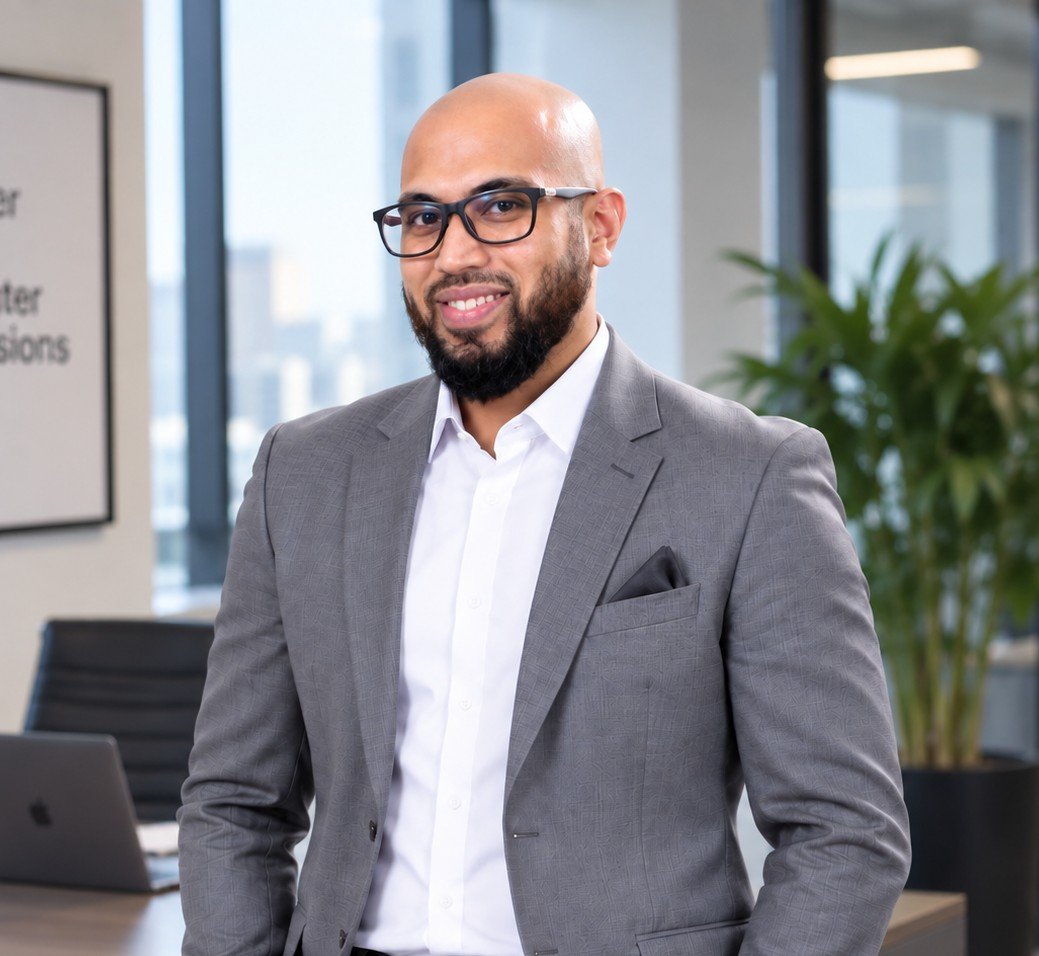
Nasehuddin Mohammed is the Co-Founder and Head of Technology at Zawjaan, where he leads product quality and the platform’s technological development. His work spans user experience and interface development, matchmaking strategies, and community-centred communication experiences designed to help Muslims build serious, marriage-minded connections.