



How Gambian Muslim Men Approach Serious Marriage Intention
Understanding a Gambian man’s marriage intention starts with observing how he involves his family and plans for the future.
Many Gambian men, particularly those raised in Muslim households, view marriage as a natural and expected step in adulthood. The extended family often plays a guiding role, and a man in his late twenties or thirties is usually expected to settle down.
Serious intention is visible in his actions: he will initiate conversations about long-term goals, request your wali’s involvement early, and demonstrate financial responsibility by saving for the mahr and wedding costs.
However, not all Gambian men are the same. Some living abroad or in urban centres like Banjul and Serrekunda may have more independent views, while those in rural areas may follow stricter communal expectations.
Observe how consistently he communicates and whether he introduces you to his family early. In Gambian culture, a man serious about marriage will not keep you hidden for long.
Ask direct but polite questions about his timeline for marriage, his views on polygamy, and his willingness to involve religious leaders in the process. A clear and honest response reflects mature intention.
- Look for early family introduction and consultation with elders.
- Notice if he discusses mahr and financial plans without hesitation.
- Assess his history: is he known to be a man of his word in his community?
- Confirm his commitment to practicing Islam beyond cultural customs.
Understanding the Gambian Muslim Community for a Future Husband
Gambia is a predominantly Muslim nation, and the community context shapes how a man practices his deen and relates to his family.
Approximately 95% of Gambians are Muslim, and the local practice is often deeply intertwined with cultural traditions from various ethnic groups such as the Mandinka, Wolof, and Fula. Islam is a daily presence in call to prayer echoing across cities and villages.
Religious education commonly occurs at local madrasas, and many men have memorised portions of the Quran. However, the depth of practice varies; some are actively involved in mosque leadership, while others may be more nominal.
Family and community reputation matter greatly. A man’s behaviour is often known to others, and he may be held accountable by elders for his actions. This can be a positive indicator of his sense of responsibility.
Eid celebrations, like Eid al-Fitr and Eid al-Adha, are major events where families wear new clothes and visit relatives. A potential husband who participates fully in these communal gatherings demonstrates his integration into the Muslim community.
Respect for elders is a cornerstone. A Gambian man who regularly consults his parents on significant decisions is seen as honourable. Your future relationship with his extended family will likely become an integral part of your married life.
- Understanding local Islamic practice helps you gauge his seriousness.
- Community reputation can be a useful benchmark for character.
- Participation in Eid and mosque events shows active faith.
- Elder respect is a key trait to look for in a potential husband.
Ethnic Diversity Without Stereotyping
The Gambia is home to several ethnic groups, each with its own language and customs, but Islam unites them. Avoid assuming that all Gambian men share the same worldview, as individual character transcends ethnic background.
A serious suitor will appreciate your interest in his background as long as you avoid imposing generalisations. Ask about his family traditions and how he blends them with Islamic teachings.
Evaluating Deen and Character in a Gambian Groom
To ensure compatibility for a lifelong Islamic marriage, you must assess both his religious practice and his moral character.
The Prophet (peace be upon him) recommended marrying someone whose deen and character please you. In a Gambian context, observe how he performs his daily prayers, whether he attends Jumu’ah, and how he deals with others.
Character is often revealed in ordinary interactions. Notice how he treats waiters, elders, and children. A man who is kind and respectful to everyone is more likely to be a compassionate husband.
Ask about his understanding of marital duties in Islam, including the rights of both spouses. A man who has studied these rights shows seriousness in his approach.
Look for consistency between his speech and actions. A Gambian man who claims to be religious must demonstrate it through his punctuality in prayers and his avoidance of obvious sins.
Consider cultural practices that may conflict with Islam, such as certain traditional ceremonies. Discuss openly how you both plan to prioritise Islamic principles over cultural habits.
- Observe his prayer habits and attendance at the mosque.
- Seek feedback from people who know him well in the community.
- Discuss his views on marriage roles from an Islamic perspective.
- Evaluate his honesty in financial and personal dealings.
- Notice how he handles disagreements with family or peers.
Family Expectations and Involvement in a Gambian Muslim Marriage
In Gambian culture, marriage is not only a union of two individuals but also of two families. You must understand his family’s role.
Traditionally, a Gambian man will inform his parents before approaching a potential bride. Their consent is often essential, and they may have a say in the selection process.
The wali’s role is critical. In many Gambian families, the bride’s guardian will negotiate the mahr and other terms. A respectful groom will ensure that this process is conducted properly.
You can expect that his family will be involved throughout the engagement period, offering advice and sometimes intervening in decisions. This can be a source of support or tension, depending on boundaries.
Discuss early on how much involvement his family will have in your married life. Some couples prefer more independence, while others welcome close-knit family dynamics. Mutual understanding is key.
His willingness to stand up for you if family conflicts arise is a test of his character. He should be firm in protecting your rights as a wife according to Islam.
- Seek clarity on how he balances obedience to parents with responsibilities to his wife.
- Be prepared to form a relationship with his mother, who often holds a significant influence.
- Establish respectful boundaries for family visits and financial support.
- Ensure that the marriage contract is clear and protects your rights.
Halal Communication with a Gambian Man: The Right Approach
Maintaining Islamic guidelines for interaction with a potential spouse is essential, even when there is attraction.
In line with Shariah, any conversation with a non-mahram man should be conducted with propriety, ideally in the company of a chaperone or through a secure channel. This applies whether he lives in The Gambia or abroad.
When using online platforms, ensure that your communication remains purposeful and free from flirtation. Discuss practical topics such as religious values, education, finances, and future plans.
A Gambian man who is truly serious will welcome the presence of your wali in video calls or meetings. If he hesitates, treat that as a red flag.
Avoid prolonged private chats that could lead to emotional attachment before a formal proposal. Instead, direct the conversation toward the nikah process and expectations.
Use respectful language and avoid cultural stereotypes about Gambian charm. Focus on his commitment to Islam and his ability to lead the family with justice.
- Set clear boundaries for communication duration and topics.
- Involve a mahram or a trusted third party in initial conversations.
- Use halal matchmaking services that facilitate proper introductions.
- Move towards family involvement and a formal proposal early to avoid fitnah.
Marriage-Focused Online Matchmaking for Gambian Men
Online platforms like Zawjaan can connect you with marriage-minded Gambian men while maintaining halal boundaries, provided you use them wisely.
Marriage-focused sites are designed for individuals who seek nikah, not casual dating. When you create a profile, be explicit about your intention to marry and your preferences for a husband.
When you match with a Gambian man, initially communicate through the platform’s built-in chat. Look for his profile completeness and honesty in his description of himself and his family.
After a few respectful conversations, request a video call with his consent and ideally with your wali present. This helps you verify his identity and observe his demeanour.
Beware of men who ask for money or gifts early on. Genuine suitors will not impose financial expectations before the nikah.
If distance is a factor, discuss relocation plans openly. Many Gambian men live abroad, but some may intend to move back or bring a bride to The Gambia. Make sure his plans align with your willingness to relocate.
Use the platform’s privacy settings to protect your personal information until you feel secure. Zawjaan is designed to facilitate serious unions, but your safety remains a priority.
- Craft a detailed profile that reflects your Islamic values and marriage goals.
- Take time to review his profile for consistency and signs of sincerity.
- Transition from chat to family involvement in a timely manner.
- Verify his religious background and community ties where possible.
- Keep the intention solely for marriage and avoid emotional attachments before the formalities.
Step-by-Step to a Serious Proposal
After you have built trust through the platform, the next steps involve your families. A serious Gambian suitor will be ready to approach his parents and then yours.
Follow this ordered process to maintain halal and clarity.
- Exchange basic profiles and assess compatibility.
- Engage in chaperoned conversations focused on marriage topics.
- Involve your wali and confirm his interest with his family.
- Arrange a formal meeting between families, possibly online if he is abroad.
- Agree on mahr and other marriage terms before proceeding to nikah.
Islamic Nikah and Mahr Expectations for Gambian Grooms
Understanding the Islamic marriage contract is central when assessing a Gambian suitor. The nikah is the sacred bond that legitimises your relationship, and the mahr is your right.
The nikah ceremony in Gambia is generally simple and follows Sunni practices. Families gather for a short ceremony with an imam or a knowledgeable elder overseeing the contract.
The mahr you agree upon is your exclusive right, whether it is monetary or a valuable gift. Discussing this with your potential husband clarifies his seriousness and respect for Islamic guidelines.
Some Gambian families may suggest a modest mahr, while others may prefer something more substantial. Ensure the agreed amount is documented and fulfilled at the time of the nikah as a sign of sincerity.
For a Gambian groom, understanding your cultural background helps you appreciate the religious significance of the marriage contract beyond any local customs.
- Ask about the proposed mahr and confirm it is recorded in the nikah certificate
- Discuss whether the groom’s family expects any additional gifts or financial contributions
- Confirm that the wali will be present and that the marriage is publicised appropriately
The Role of the Wali in Gambian Marriages
In Gambia, the bride’s wali is typically her father or another male guardian if the father is unavailable. His consent is essential for a valid Islamic marriage.
A serious groom will proactively arrange a meeting with your wali, demonstrating his capability to take on the responsibilities of marriage.
Balance of Tradition and Islamic Requirements
While some Gambian wedding traditions exist, the core Islamic requirements remain the same. Focus on what is obligatory: both parties’ consent, the presence of witnesses, and a Mahr.
Be aware that certain local customs may be blended with Islamic practice, so clarify any cultural expectations that could affect your marriage.
Cultural Diversity and Identity in Gambian Muslim Families
Gambia’s Muslim community is diverse, with ethnic groups such as Mandinka, Fula, Wolof, Jola, and Serahule. Understanding this diversity helps you evaluate a potential husband fairly.
Each ethnic group has distinct traditions in food, music, and family celebration, but Islam unites them. A Gambian husband’s specific ethnic identity influences his family customs, so ask about them respectfully.
Avoid stereotypes; every family is unique. What matters is that the potential husband prioritises Islamic values, good character, and a supportive approach to marriage.
When visiting Gambia or meeting his family, expect warmth and hospitality. You may encounter multilingual conversations: Wolof and Mandinka are common alongside English, the official language.
Understanding Family Loyalty
Family ties are often strong, and a husband may feel responsible for extended relatives. Discuss boundaries and expectations around involvement before marriage.
His loyalty to his family does not diminish his readiness to build a new home with you, provided he sets healthy boundaries.
Cuisine and Food in Gambian Muslim Marriage Life
Food is a cherished part of Gambian hospitality, and you are likely to share meals with his family. Understanding these dishes can help you connect with your potential husband’s background.
Gambian cuisine is rich and varied, with staples such as benachin (Jollof rice), domoda (peanut stew), and yassa (marinated fish or chicken). These are often prepared for celebrations and family meals.
As a Muslim woman, you may be expected to appreciate and perhaps cook these dishes. However, your husband should respect your own culinary skills and preferences.
During Ramadan and Eid, special foods like cheroot (a fried sweet) are prepared. Discussing these traditions can be a warm way to bond.
- Ask about his favourite traditional meals and how his family prepares them
- Offer to share your own cultural dishes, which opens a two-way appreciation
- During serious discussions, understand who will be responsible for daily cooking and how that fits with your upbringing
Halal Food Considerations
Gambia is predominantly Muslim, so halal food is widely available. Ensure that your husband maintains halal dietary practices at home and when eating out.
Eid Dress and Traditions with a Gambian Husband
Eid is a festive time in Gambia, and your husband’s family will have special customs. Knowing what to expect helps in planning from the start.
For men, Eid attire includes elegant grand boubous or kaftans, often richly embroidered. Your husband may choose similar clothing, and you can decide on your own modest, beautiful outfit.
On Eid day, families perform the early prayer, visit relatives, and exchange gifts. You will likely be introduced to many family members, so graciousness and patience are appreciated.
Traditional greetings involve handshakes and heartfelt wishes. As a woman, you may greet men verbally and avoid physical contact unless they are close relatives.
- Plan for two Eids each year with additional social commitments
- Discuss whether you will host any Eid gathering at your home
- Agree on gift-giving practices within your new family
Balancing Your Own Eid Traditions
If you come from a different culture, negotiate a balance that honours both your traditions and his. A caring husband will appreciate your need for familiarity.
Early communication about these expectations prevents resentment later.
Approaching Family and Parents in Gambia
A Gambian husband’s approach to his parents and your own is a strong indicator of his maturity and family values.
Expect that the groom will involve his parents early in the process, seeking their blessing and support. This is a positive sign of a man who respects family structures.
He should also show respect to your parents, asking for your hand in a formal manner. This demonstrates his commitment to honouring both families.
When you meet his parents, dress modestly and greet elders with courtesy. In Gambian culture, elders are highly respected, so let your manners reflect that.
- Discuss with your potential husband the role his family will play in your daily life
- Clarify how often he expects to visit or host his parents after marriage
- Ensure that your own relationship with your parents remains strong
The Groom’s Initiative in Family Matters
A serious man will take the lead in mediating between you and his family. He should advocate for your needs while maintaining harmonious ties.
Cities, Location, and Relocation Considerations in Gambia for a Potential Husband
Where a Gambian husband lives impacts your daily life. The capital Banjul and the larger Serekunda are key areas to consider.
Banjul is the small capital with a relatively quieter lifestyle, while Serekunda is the largest city and commercial hub. Other towns like Brikama and Farafenni offer different environments.
Your husband’s job or family obligations may determine where you reside. Consider access to healthcare, schools, and mosques when relocating.
If you are moving to Gambia from abroad, plan for a cultural transition. English is widely spoken, but learning some Wolof or Mandinka can ease communication.
- Visit the specific city before making a final decision if possible
- Discuss long-term settlement plans and whether rural or urban living suits you
- Consider proximity to his extended family and your comfort with that proximity
Planning for Relocation and Long-Distance
If you are overseas, discuss the timeline for relocating and the practicalities of visa and accommodation. A serious husband will be proactive in these arrangements.
During long-distance engagement, maintain halal communication and regular video calls to build trust. Set clear expectations for how you will stay connected.
How to Assess Gambian Muslim Men for Marriage
A marriage-focused process for Muslim women assessing a Gambian Muslim man in Gambia for serious Islamic marriage.
- Confirm serious marriage intention: Clarify that the Gambian Muslim man is seeking marriage rather than a casual relationship, and establish clear halal communication boundaries from the beginning.
- Assess deen and character: Consider religious commitment, honesty, temperament, responsibility and consistency, rather than relying only on attraction or online conversation.
- Involve family or wali appropriately: Bring trusted family members or a wali into the process at a suitable stage so intentions, character and practical expectations can be assessed transparently.
- Discuss marriage expectations: Talk clearly about mahr, finances, work, housing, family roles, children, location and other responsibilities that could affect long-term compatibility.
- Agree the route towards Islamic nikah: If compatibility is strong, agree practical next steps for family discussions, any necessary civil requirements and preparation for an Islamic nikah.
Frequently Asked Questions
How can a Gambian husband demonstrate his seriousness about marriage on a matchmaking platform?
A serious Gambian potential husband will be transparent about his family, employment, and religious practice. He should willingly discuss his mahr and propose a timeline for involving both families. He will also respect halal communication boundaries, ensuring conversations remain purposeful and modest.
What is the typical mahr amount in Gambia?
The mahr varies widely depending on family background and education. It can be a symbolic sum or a more significant amount, but it must be agreed upon by both parties and recorded in the nikah. Discuss it openly to ensure mutual satisfaction.
Should I be concerned about a Gambian husband’s obligations to his extended family?
Extended family ties are strong, but this does not automatically mean unreasonable demands. Have frank discussions about financial responsibilities and boundaries. A balanced husband will fulfil his Islamic duties without neglecting your needs.
What should I know about Eid traditions before marrying a Gambian Muslim man?
Expect communal prayers, visiting multiple relatives, and wearing new modest attire. Men often wear grand boubous. Being gracious and participating in the festive atmosphere will earn you respect.
How do I handle cultural differences in cooking expectations?
Discuss meal responsibilities early. You can learn a few Gambian dishes like benachin or domoda, and encourage your husband to appreciate your own cultural cuisine. Mutual flexibility promotes harmony.
Is it acceptable to use Zawjaan to find a Gambian husband?
Yes, Zawjaan is designed for serious Muslim marriage-minded singles. It helps establish halal communication and compatibility before involving families. Many Gambian men seek God-conscious spouses online, so it is a viable pathway.
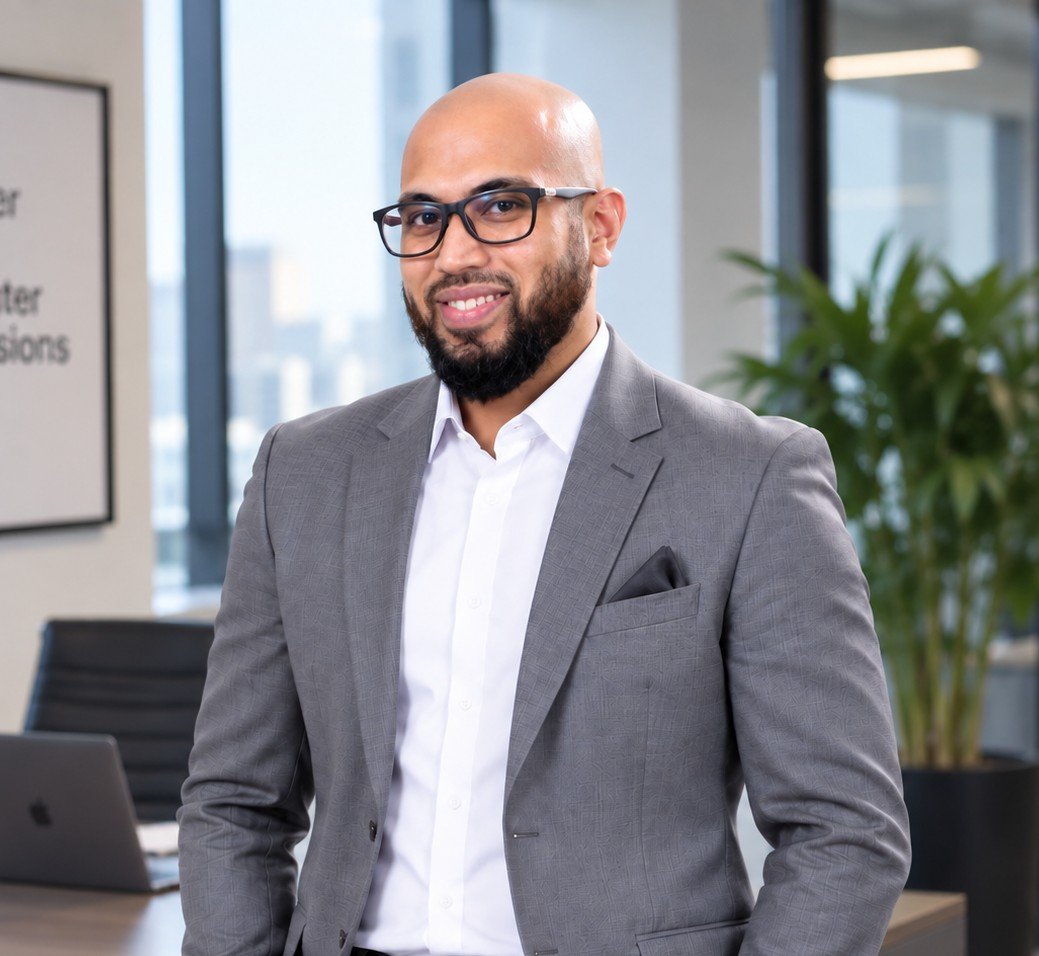
About the Author
Nasehuddin Mohammed is the Co-Founder and Head of Technology at Zawjaan, where he leads product quality and the platform’s technological development. His work spans user experience and interface development, matchmaking strategies, and community-centred communication experiences designed to help Muslims build serious, marriage-minded connections.