


Assessing Serious Marriage Intent Among Muslim Men in Israel
When evaluating a man for marriage, his intention is the foundation upon which everything else is built. In Israel, where social and religious dynamics are unique, you need to look beyond words and observe consistent actions that signal a genuine desire for a lifelong Islamic marriage.
Ask yourself: does he speak about marriage as a goal or as a distant possibility? A serious Muslim man will involve his family early, discuss practical steps, and avoid ambiguous communication.
Look for his readiness to discuss the nikah contract, mahr, and living arrangements. In Israel, some men may be part of communities where extended family plays a large role in such decisions.
His willingness to include a wali and to initiate a halal process is a strong indicator of his seriousness. He should be respectful of your boundaries and family.
- He initiates conversations about marriage within the first few exchanges.
- He is open to involving families and seeking blessings from elders.
- He has a clear vision of his life after marriage, including housing and work in Israel.
- He is patient with the proper Islamic steps and does not pressure you into secrecy.
Signs of Genuine Intent
A serious man will prioritize getting to know you in a halal context, with your wali’s knowledge. He will not shy away from introducing you to his family.
In Israel, community reputation matters. He may be concerned about how a match is viewed socially, so his actions will align with his declared intention.
- He keeps his word on meeting times and follows through on promises.
- He asks thoughtful questions about your deen and character.
- He discusses future plans that include you as his wife and partner.
Understanding the Israeli Muslim Community for a Marriage-Minded Man
Israel’s Muslim community is not monolithic; it includes Arab Muslims, Bedouins, and others, with distinct cultural practices. Understanding this context helps you appreciate his background and family expectations.
The Muslim population in Israel is predominantly Sunni, with communities in the Galilee, the Triangle, and the Negev. Each region has its own traditions regarding marriage.
Family ties are strong, and a man’s family may have specific expectations about his bride’s background, education, or religiosity.
Respect for elders is paramount. He may seek approval from his parents before proceeding, which is a sign of honour and responsibility.
- Be aware that his family may prefer a partner who speaks Arabic or shares a similar ethnic background, though many are open to broader matches.
- Understand that religious observance varies: some men are strict in prayer, others are more culturally Muslim.
- In cities like Jerusalem and Haifa, there are shared public spaces where families meet, but privacy is still valued.
Regional Differences
In Jerusalem, the religious atmosphere is more pronounced, and a man’s devotion may be closely tied to the city’s spiritual significance.
In Tel Aviv or Haifa, the lifestyle can be more liberal, yet many men still seek traditional values in marriage.
Deen, Character, and Compatibility: What to Look for in an Israeli Muslim Husband
Assessing a potential husband’s religious practice and character is central to your decision. A man who is connected to his faith is more likely to treat you with respect and justice.
Observe his daily prayers, fasting, and interactions with others. Does he lie or backbite? A man who fears Allah will be mindful in his dealings.
In Israel, Muslims may face challenges in balancing religious life with broader society. His ability to maintain his identity is a good sign.
Compatibility goes beyond ticking boxes: shared values about family, finances, and future can be discussed openly.
- He attends communal prayers regularly, especially on Fridays.
- He speaks respectfully about his parents and siblings.
- He has a vision for raising children in an Islamic environment.
- He is honest about his financial situation and religious observance.
Character Traits to Seek
Trustworthiness, gentleness, and a sense of responsibility are essential. A man who is reliable in small matters will likely be reliable in marriage.
Ask about his circle of friends; they often reflect his own character and priorities.
Family Expectations and Involvement in Israeli Marriages for Muslim Grooms
Family involvement is expected and often decisive in Muslim marriages in Israel. Understanding his family’s role helps you gauge his readiness for married life.
A man who is serious about marriage will bring you (or your wali) into contact with his family early. This shows he values their support.
Expect that his parents may have opinions about the match, and he will need to manage these respectfully.
In some families, the man’s mother may be particularly influential in the selection process; her approval can be crucial.
- Introduce yourself to his family through proper channels, with your wali present if possible.
- Observe how he communicates your qualities to his family.
- Ask about their expectations for your role in the extended family.
- Together, discuss how involved his family will be in practical aspects like housing and childcare.
Approaching His Family
When you meet his family, dress modestly, be polite, and show respect for their customs. They will be assessing you just as you are assessing them.
He should be your advocate, translating your strengths to his family if language is a barrier.
Halal Communication with Muslim Men in Israel: Practical Steps
Maintaining Islamically appropriate communication while getting to know a potential husband is challenging, but essential. In Israel, where technology is widespread, you must set boundaries from the start.
Involve your wali early and ensure that all conversations are within Islamic guidelines: no seclusion, no unnecessary flirtation, and a clear purpose of marriage.
Use video calls or phone calls with the knowledge and consent of your wali, especially if meeting in person is difficult.
If he is hesitant to involve a wali or insists on secret chats, that is a red flag.
- Begin with correspondence through the Zawjaan platform where your profiles are vetted.
- Keep initial messages focused on marriage compatibility, not casual chat.
- Once you have identified a potential, involve your wali and move to a supervised video call.
- Discuss mahr and wedding expectations in the presence of your wali when it becomes appropriate.
Setting Communication Boundaries
Agree on a regular time for family-involved calls and avoid late-night private conversations.
Share your concerns with your wali if anything makes you uncomfortable.
Using Online Matchmaking to Find a Serious Muslim Husband in Israel
Zawjaan offers a purposeful way to meet marriage-minded Muslim men in Israel. Our platform is designed to keep your intention serious and your communication halal.
When browsing profiles, look for men who explicitly state their intention to marry and provide details about their deen and lifestyle.
Use filters to focus on Israel and specify your own preferences, such as educational background or religious level.
Zawjaan’s features allow you to communicate within a framework that respects Islamic guidelines, with the option to include your wali in later interactions.
- A complete profile with clear photos and a thoughtful bio is a good sign.
- Men who engage in meaningful conversation about values are often more serious.
- Take time to ask about his daily life, his work, and his family to assess compatibility.
Red Flags to Avoid
Be cautious of men who avoid sharing their full name or refuse video calls with your wali.
If he talks about marriage in vague terms but requests personal photos, end the conversation.
Nikah and Mahr in Israel: What Muslim Women Should Know About Israeli Grooms
The Islamic nikah is the foundation of your marriage. In Israel, Muslim marriages are typically conducted according to Islamic law and registered with the relevant religious authorities.
The mahr is a gift from the groom to the bride, and it is her exclusive right. Agreeing on a comfortable mahr is an important part of the marriage contract.
- Agree clear terms of the mahr before the nikah, including the amount and whether it is paid immediately or deferred.
- Ensure the marriage contract is signed in the presence of two Muslim witnesses and a recognised imam.
- Confirm that the nikah will be legally registered with the relevant Israeli authorities to protect both parties.
- Discuss any conditions you wish to include in the marriage contract in a respectful and clear manner.
The Role of the Wali in the Nikah
Your wali (guardian) plays a crucial role in the nikah. In Israel, many Muslim families expect the wali to be present and to give his consent.
A respectful Israeli groom will understand the importance of your wali’s involvement and will communicate with him with courtesy and patience.
- Involve your wali early in the marriage discussions to allow time for mutual familiarity.
- Prepare your wali with clear information about the groom’s background and character.
- Encourage a meeting between the groom and your wali before the nikah.
Cultural Diversity Among Israeli Grooms: A Rich Tapestry of Muslim Men
Muslims in Israel come from a variety of backgrounds, including Palestinian Arab heritage, Bedouin communities, and others. This diversity means you may encounter different customs and traditions.
Focus on the individual’s character and deen rather than assuming stereotypes based on nationality or ethnicity. Each man is unique and shaped by his own family and life experiences.
- Ask about family traditions and how they practice their faith in daily life.
- Be open to learning about different cultural practices within the Muslim community in Israel.
- Discuss important matters like where you will live, how you will celebrate Eid, and how you will raise children, ensuring alignment on values.
- Celebrate the fact that your shared faith is a stronger bond than any cultural difference.
Food and Cuisine That Shape Family Life
Food is a central part of family life and hospitality in Israeli Muslim homes. Expect generous meals featuring dishes such as maqluba, musakhan, and fresh salads.
Sharing meals with his family can help you understand their lifestyle and values. Observing how he treats his mother and sisters at the table can be insightful.
- Traditional Palestinian dishes like maqluba and musakhan are commonly served on special occasions.
- Bedouin hospitality often includes strong coffee and dates, showing warmth and generosity.
- Ask him about his favourite family recipes as a way to learn more about his upbringing.
Eid and Traditions: What Muslim Women Can Expect with an Israeli Husband
Eid is a time of joy, prayer, and family gatherings. In Israel, Muslim families often spend Eid al-Fitr and Eid al-Adha with extended relatives, similar to other Muslim communities.
Expect new clothes, special meals, and visits to family members. As a potential wife, you may be expected to participate in these family customs and contribute to the celebrations.
- Ask about his family’s Eid traditions, such as whether they hold large gatherings or prefer small family time.
- Be prepared to offer help with food preparation, but always show respect for his mother’s role in the kitchen.
- Discuss how you will balance time between your own family and his during Eid, especially if you live in different cities.
- Understand that modesty in dress is practiced by many Muslim women in Israel, and choose your Eid attire to be both elegant and appropriate.
Dress and Modesty Expectations
While there is no single dress code for Muslim women in Israel, many choose to wear a hijab and loose clothing. This is a personal choice and often reflects family traditions.
Talk with your potential husband about his expectations regarding modesty, so you can be sure you are comfortable with the same approach.
- Respect his family’s customs without compromising your own values.
- Before marriage, discuss your preferred style of Islamic dress and his expectations clearly.
- Remember that modesty is a shared value, and your husband should support your choices.
Approaching Family and Parents: Seeking an Israeli Husband with Family Approval
In Israeli Muslim families, parental involvement in marriage is often significant. A serious man will involve his parents early and seek their blessing.
You and your family should approach the groom’s family with respect and sincere intention. Open communication can help build a positive relationship.
- Encourage a formal meeting between both families to discuss marriage intentions.
- Allow the groom to take the lead in presenting his intentions to his parents.
- Be prepared to answer questions about your background and practice of Islam.
- If distance or circumstances prevent a meeting, arrange a video call so both families can see each other.
Respectful Etiquette for Initial Meetings
When visiting his family, dress modestly and greet everyone with a warm assalamu alaikum. Show interest in their lives and offer help where appropriate.
Avoid discussing sensitive topics like finances or past relationships during early meetings. Focus on building a foundation of trust and goodwill.
- Accept any offered refreshments as a sign of respect.
- Thank his parents for their hospitality at the end of the visit.
- Ask your husband-to-be for guidance on family etiquette if you are unsure.
City and Relocation Considerations for Muslim Women Seeking an Israeli Husband
Where you live together will greatly affect your daily life. Israeli cities vary in terms of Muslim community size, access to mosques, and halal food availability.
For example, Jerusalem and Nazareth have significant Muslim populations, while Tel Aviv is more diverse and cosmopolitan. Consider these factors when planning your future home.
- Jerusalem offers deep religious and historical significance, with many Islamic sites and a vibrant Muslim community.
- Nazareth is a majority-Arab city with a strong Muslim presence and a rich cultural heritage.
- Tel Aviv is more secular and diverse, but you may find it harder to access community resources or raise children in a strongly Islamic environment.
- Haifa also has a mixed population with opportunities for a balanced lifestyle.
Long-Distance and Relocation Considerations
If you are considering relocating to Israel, discuss logistics such as visas, housing, and employment early. It is wise to visit the country together before making a final decision.
Long-distance relationships can work with regular communication and clear expectations about timelines for moving. Ensure that both families are comfortable with the plan.
- Plan to visit Israel to experience daily life, meet his family, and observe the local Muslim community.
- Discuss your educational and career goals, and how they can be fulfilled in his city.
- Agree on a realistic timeline for relocation and nikah.
Marriage Readiness and Practical Next Steps for Finding an Israeli Husband
Before you commit, take time to assess marriage readiness from both sides. This involves financial stability, emotional maturity, and alignment in religious goals.
Zawjaan is a dedicated platform for serious Muslim marriage. By joining, you can connect with Israeli men who are genuinely seeking a wife.
- Discuss financial responsibilities openly, including housing, daily expenses, and support for future children.
- Agree on how you will practise Islam together, such as daily prayers, Quran reading, and educational goals.
- Plan a pre-marriage course or counselling if needed to strengthen your relationship skills.
- Set a date for the nikah and begin practical preparations, such as determining living arrangements and legal steps.
Your Next Steps on Zawjaan
Create a profile that reflects your seriousness and your expectations. Be honest about your location preferences and your desire for an Israeli husband.
Use Zawjaan’s chat feature to communicate respectfully and halal, asking questions about his deen, family, and marriage intentions.
- Complete your profile with details about your faith, work, and what you are looking for.
- Use video calls to get to know him better while maintaining modesty.
- Involve your wali once you identify a serious potential match.
How to Assess Israeli Muslim Men for Marriage
A marriage-focused process for Muslim women assessing a Israeli Muslim man in Israel for serious Islamic marriage.
- Confirm serious marriage intention: Clarify that the Israeli Muslim man is seeking marriage rather than a casual relationship, and establish clear halal communication boundaries from the beginning.
- Assess deen and character: Consider religious commitment, honesty, temperament, responsibility and consistency, rather than relying only on attraction or online conversation.
- Involve family or wali appropriately: Bring trusted family members or a wali into the process at a suitable stage so intentions, character and practical expectations can be assessed transparently.
- Discuss marriage expectations: Talk clearly about mahr, finances, work, housing, family roles, children, location and other responsibilities that could affect long-term compatibility.
- Agree the route towards Islamic nikah: If compatibility is strong, agree practical next steps for family discussions, any necessary civil requirements and preparation for an Islamic nikah.
Frequently Asked Questions
What should I look for in an Israeli Muslim man’s commitment to religion?
Ask about his daily prayer routine, mosque attendance, and knowledge of Islamic practices. A committed man will willingly discuss his faith and demonstrate it through his actions.
How do I handle the mahr discussion with an Israeli groom?
Be direct and respectful about your expectations, and listen to his perspective. The mahr is your right, but a fair and mutually agreed amount fosters goodwill.
What are the best cities in Israel for a Muslim couple to live in?
Jerusalem and Nazareth have strong Muslim communities, while Tel Aviv and Haifa are more diverse. Consider access to mosques, halal food, and your comfort with the local culture.
How do I involve my wali if he is not in Israel?
Use video calls and maintain regular communication. The groom can also speak directly with your wali to build rapport.
What if the groom’s family has different cultural traditions than mine?
Embrace the opportunity to learn, but never compromise your Islamic values. Discuss and agree on important matters like Eid celebrations and family roles before marriage.
How can Zawjaan help me find a serious Israeli husband?
Zawjaan is designed for marriage-minded Muslims. You can filter profiles by location, engage in halal chats, and find someone who shares your intention for a lifelong partnership.
About the Author
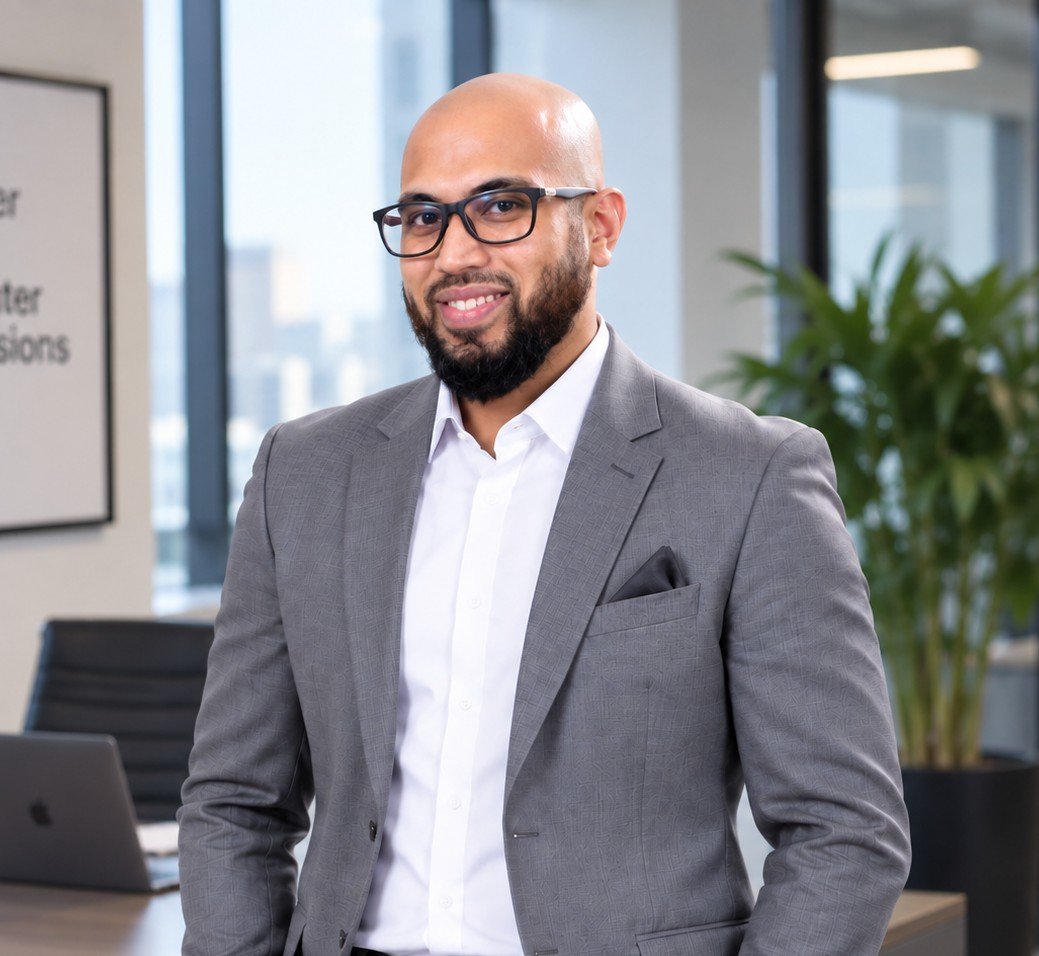
Nasehuddin Mohammed is the Co-Founder and Head of Technology at Zawjaan, where he leads product quality and the platform’s technological development. His work spans user experience and interface development, matchmaking strategies, and community-centred communication experiences designed to help Muslims build serious, marriage-minded connections.