

Understanding Serious Marriage Intent in Ghanaian Muslim Men
The first step is to determine whether he is genuinely seeking a wife or merely exploring options. Ghanaian culture often values marriage highly, and many Muslim men expect to marry by their late twenties or early thirties.
A serious suitor will readily discuss marriage-related topics, such as his timeline, desire for children, and willingness to involve his family early.
He may also ask about your own expectations, religious practice, and living preferences, showing he views you as a potential life partner.
Beware of men who delay family introductions or avoid clear answers about when they wish to perform nikah.
- He initiates conversations about marriage within the first few interactions
- He is happy to speak with your wali early in the process
- He discusses practical matters such as housing, work, and lifestyle
- He avoids ambiguous terms like ‘just friends’ or ‘seeing where it goes’
Signs He Is Not Serious
Some men may enjoy companionship without intending to marry. They might delay commitment, make excuses about family pressure, or disappear for long periods.
A man who is not serious may also avoid mentioning his salary, education, or family background, as these can indicate readiness for responsibility.
- He avoids discussing mahr or wedding logistics
- He rarely follows up on meaningful conversations
- He is secretive about his daily routine or social circles
- He asks for personal favours or financial help under non-marriage pretenses
The Ghanaian Muslim Community and Local Marriage Culture
Understanding where he comes from helps you gauge his values and family expectations. Ghana has a large Muslim population concentrated in the north, with the Zongo communities in Accra and Kumasi also being significant.
In northern regions like Tamale and Wa, Islam is the dominant faith, and family marriage traditions are strong.
In southern cities, Muslims often live in mixed communities, so religious identity may be expressed more individually.
Regardless of region, most Ghanaian Muslim families expect to be involved in their son’s marriage and will want to meet you before nikah.
- Northern Ghana: strong traditional Islamic education, emphasis on family consensus
- Zongo communities: vibrant Islamic culture, often multi-ethnic (Hausa, Fulani, Dagomba)
- Urban areas like Accra and Kumasi: modern lifestyles but still value family approval
- Sufi orders (Tijaniyya, Qadiriyya) have significant influence in some regions
Regional Differences to Consider
A man from Tamale may expect his wife to live with or near his extended family for some time after marriage.
A man from Accra might be more accustomed to independent living, especially if he works in banking, tech, or the public sector.
Ask him about his family’s expectations regarding your role, living arrangements, and language.
Assessing Deen, Character, and Compatibility in Ghanaian Muslim Men
Your peace in marriage depends on his faith and manners. The Prophet (peace be upon him) advised us to choose a spouse with good religion and character.
Ghanaian Muslim men are diverse in their levels of practice. Some attend mosque daily, others only on Fridays, and some are less consistent.
Look for signs of taqwa in his everyday behaviour: honesty in business, kindness to strangers, and patience under stress.
Compatiblity also includes his willingness to grow with you in deen. Ask about his daily prayers, Quran recitation, and knowledge of Islamic rulings on marriage.
- He prays regularly and we can remind him gently if he forgets
- He avoids backbiting and major sins openly
- He treats his parents and siblings with respect
- He is willing to attend Islamic classes or read about marriage together
Practical Steps to Assess Character
Seek references from his local imam or trusted Muslim elders in his community.
Pay attention to how he speaks about women, money, and family responsibilities.
If you have mutual acquaintances, ask them about his reputation in his neighbourhood or workplace.
- Ask him to list his five closest friends and how they influence his deen
- Observe his behaviour when he misses a prayer or faces a delay
- Ask his family about his previous proposals or relationships, if any
- Discuss how he intends to raise children in Islam
Family Expectations and Involvement for Ghanaian Grooms
In Ghana, marriage is a family affair. His parents and extended family are deeply involved in the process, from the initial inquiry to the wedding ceremony.
Expect that his father or uncle may speak with your wali before any formal proposal is made.
In some Ghanaian traditions, a delegation from his family visits your family to ask for your hand in marriage, even before the Islamic nikah.
His family’s level of religious observance can influence your own role in his household.
- His parents may ask about your education, profession, and family background
- You may be asked to meet his extended family at a gathering before the wedding
- His mother or sisters might play a role in welcoming you into the family
- Expect discussion about the bride price (mahr) and other customary requirements
How to Approach His Family Respectfully
Be prepared to greet elders with respect, possibly using local greetings in Hausa or Twi.
Dress modestly and behave with haya, as his family will form an impression of you based on your conduct.
If you can, have your own family reciprocate the visit or invitation.
- Ask him about his family’s expectations regarding your education and career
- Learn a few greetings in his local language (e.g., ‘Sannu’ in Hausa)
- Offer to bring a modest gift when meeting his family, such as dates or sweets
- Communicate openly with your wali about your impressions of his family
Halal Communication with a Ghanaian Muslim Man
After meeting through proper channels, you may wish to communicate further. Use the boundaries set by Islam to keep the interaction purposeful and respectful.
Arrange communication through your mahram or wali, especially in the early stages.
Use platforms like Zawjaan that are designed for serious marriage and provide privacy.
Keep conversations focused on topics relevant to assessing compatibility, not flirting or idle chat.
- Include your wali in video calls when possible
- Respond to messages within a day to show seriousness
- Avoid sharing intimate details or photos without reason
- Discuss your expectations for communication after marriage
Topics to Prepare For
Ask about his daily schedule, so you know when he is free for a brief call.
Discuss Islamic topics such as the rights of a husband and wife, and how he plans to support you spiritually.
Using Marriage-Focused Online Matchmaking to Meet Ghanaian Men
Zawjaan is an excellent way to connect with serious Ghanaian Muslim men who are ready for nikah, especially if you are not locally surrounded by a large Muslim community.
Many Ghanaian Muslim professionals live in Accra, Kumasi, or abroad, and they use online platforms to find a spouse who shares their values.
A marriage-focused site like Zawjaan helps filter out those not looking for a serious relationship.
You can search for men in specific cities or regions and start with halal chats.
- Create a profile that reflects your deen and marriage goals
- Look for men who have completed their profile fully
- After initial chat, transition to a video call with your wali present
- Seek references from the man’s mosque or community
Making the Most of Zawjaan in Ghana
Use the search filters to find men who are between 25 and 40 years old and who live in your preferred city.
Write a clear profile highlighting your own deen, education, and family background.
When you match, keep your early conversations brief and purposeful.
Islamic Nikah and Mahr: What Ghanaian Muslim Men Should Arrange
Understanding the Islamic marriage contract is essential for a serious Ghanaian groom.
The nikah is the sacred contract that makes marriage permissible in Islam. A Ghanaian Muslim man should approach it with sincerity and preparation.
His family may arrange the ceremony, but his personal responsibility is to ensure all conditions are met according to Islamic law.
The mahr is a gift from the groom to the bride, and it is her exclusive right. This should be discussed openly and respectfully before the marriage.
In Ghana, mahr amounts vary widely based on family background and individual means. A reasonable, agreed-upon sum is more important than a large one.
Discussing mahr early shows his seriousness and respect for your rights as a wife. It is a sign of his commitment, not a formality.
- Agree on the mahr amount clearly before the nikah and document it in the marriage contract
- Ensure the nikah is witnessed by at least two male Muslim witnesses or one male and two female witnesses
- Inform the bride of her right to include conditions in the marriage contract, such as the right to divorce or continued education
- Arrange for the wali of the bride to be present or to delegate his authority
- Plan the nikah date after consulting both families and ensuring all logistics are in place
Preparing for the Nikah in Ghana
Before the nikah, a Ghanaian groom should ensure his financial and emotional readiness. This includes being able to provide housing, food, and clothing according to his means.
He should also understand the legal marriage requirements in Ghana, which may include a civil registration alongside the Islamic ceremony.
Attending pre-marital counselling, if available, can help both partners align their expectations and communication styles.
Mahr and Financial Responsibility
Financial responsibility is a core part of the husband’s role in Islam. A Ghanaian Muslim man should be prepared to support his wife and future family.
The mahr is separate from daily expenses. Some couples choose a small mahr to ease the initial financial burden, while others prefer a larger sum as a sign of generosity.
He should never delay the mahr without the wife’s consent, as it is a debt payable to her.
Ghanaian Families and Cultural Diversity: A Groom’s Perspective
Ghanaian Muslim families value respect, community, and Islamic values, but cultural practices can vary widely.
Ghana is known for its cultural diversity, and Muslims come from many ethnic backgrounds, including Hausa, Dagomba, Fulani, and Akan converts.
Avoid assuming a potential husband follows a specific cultural script. Islam unites him with you, while his cultural background may influence family customs.
Family involvement is important in Ghanaian Muslim marriages. His parents may expect to be consulted before a proposal is made to you.
Understanding his family dynamics helps you assess how decisions will be made after marriage, especially if you will live with extended family.
A respectful groom will introduce you to his family gradually and involve his parents in the proposal process.
- Ethnic backgrounds vary: Hausa, Dagomba, Fulani, Yoruba, and many more
- Cultural practices like traditional weddings may coexist with Islamic nikah
- Expect negotiations between families to confirm compatibility and mutual respect
- His mother or sisters may play a significant role in welcoming you into the family
Eid, Food, and Tradition: What a Ghanaian Husband Will Bring to Your Life
Shared meals and religious celebrations become meaningful parts of a Muslim marriage in Ghana.
Eid al-Fitr and Eid al-Adha are celebrated with prayer, charity, and family feasts. A Ghanaian husband will likely involve you in these joyful gatherings.
Traditional dishes like jollof rice, waakye, and fufu are common at celebrations, though regional variations exist.
On Eid, men and women dress in their finest attire. A groom may wear a flowing boubou or suit, while you might choose an elegant hijab and gown.
His family’s food traditions may differ from yours, which is a chance to learn and appreciate each other’s heritage.
Zawjaan encourages you to ask about his favourite Eid dishes and the atmosphere of his family celebrations. This reveals his attachment to family and community.
- Jollof rice, waakye, fufu, and light soup appear often at Muslim gatherings
- Attend Eid prayers together as a married couple, respecting Islamic etiquette
- Gift-giving is common, especially to children, during Eid festivals
- Dress modestly and vibrantly; women often wear traditional kente cloth or embroidered fabrics
How Ghanaian Muslim Men Approach Family and Parents
Family approval is a cornerstone of a serious marriage in Ghana. A Ghanaian Muslim man who is truly ready for marriage will involve his parents early and respectfully.
In Ghana, marriage is often seen as a union of families, not just individuals. A groom who respects this will seek his parents’ blessing before proceeding.
When he speaks about his family, listen for warmth and respect. His relationship with his parents often signals how he will treat his future wife.
Expect that his mother and father may want to meet you or speak with your family. This is a positive sign of serious intention.
A Ghanaian man who is serious will also show interest in meeting your parents. He will work with you to arrange a formal visit when both sides are ready.
Be patient with timelines. Traditional customs and family consultations can take time, but a genuine seeker will keep you informed throughout.
- Ask him how his parents view marriage and what role they play in his decision.
- Notice if he speaks about his family with respect, even when discussing disagreements.
- Discuss how you both will handle family expectations before the nikah.
- Plan a mutual visit once both families are comfortable.
Respecting Ghanaian Marriage Customs
Many Ghanaian families follow customary rites alongside the Islamic nikah. These may include a formal introduction and a small dowry presentation.
The groom should lead the process of involving both families. His willingness to handle this respectfully shows maturity.
You can ask your local imam or a trusted married couple for guidance on blending Islamic and local customs.
- The Islamic mahr is separate from any customary gifts.
- Clarify family roles early to avoid misunderstandings.
- Seek an imam’s advice on what is Islamically required versus cultural practice.
City and Location Differences for Ghanaian Muslim Husbands
Where a Ghanaian man lives in Ghana can shape his marriage expectations, employment prospects, and daily family life. Understanding these differences helps you evaluate a potential groom realistically.
Accra is a fast-paced metropolitan hub with a high cost of living. Many residents are professionals or entrepreneurs, and housing can be expensive.
Kumasi offers a more traditional pace with strong family networks. Ashanti customs often carry weight, and many Muslim men there are traders or craftsmen.
Tamale is the heart of Ghana’s Muslim community. People there often have a strong orientation toward the mosque, and communal ties are tightly knit.
A man in a rural area may have fewer employment options, but his family support may be stronger. You should discuss how this affects your future together.
Each city has its own religious atmosphere. In Tamale, Islamic schools and events are everywhere; in Accra, mosques are diverse but less dominant.
- Ask him about the Muslim community he lives in and how he participates in daily prayers.
- Discuss the cost of living and how he plans to support a family in his city.
- Consider whether his family is nearby and what role they will play in your daily life.
- If you are not from Ghana, think about what living in his city would feel like for you.
Learning Local Contexts
A serious Ghanaian Muslim man will be honest about his city’s advantages and challenges. He should not overpromise what he cannot deliver.
When he talks about his neighbourhood, note whether he mentions the local mosque, halal food availability, and educational options for children.
Visit if possible. Meeting him in his real environment gives you clues about his habits and community ties.
- Confirm that halal food is accessible and that he observes halal standards at home.
- Ask how he travels for work and whether he is willing to relocate later.
- See if he is active in his local Muslim community beyond Friday prayers.
Relocation and Marriage Readiness for Ghanaian Muslim Men
Marriage often means moving, whether across town or across the world. For a Ghanaian Muslim man, relocation can involve family obligations, employment changes, and visa complexities if you live abroad.
A serious potential husband will discuss location openly. He will not assume you will automatically leave your home without a proper conversation.
If you live abroad, be aware that visa sponsorship is a major commitment. His financial capability and legal readiness matter.
He should ask about your work or study plans and how he can support your priorities after marriage.
A marriage-ready man has a realistic plan. He knows what he earns, what it costs to live, and how a family fits into that budget.
You should also ask about his readiness to take on the role of husband: leading the household, providing, and protecting.
- Prepare a list of questions about housing, income, and daily expenses.
- Discuss where you would live after the nikah, and what happens if that changes.
- If moving to him in Ghana, learn about the city you will settle in.
- If he is coming to your country, verify the legal process together.
- Ensure he understands the Islamic responsibilities of a husband.
Signs He Is Marriage Ready
He brings up marriage logistics without you constantly prompting him.
He introduces you to his family and asks about yours.
He has spoken with an imam or a respected elder about the nikah.
- He asks about your wali and is willing to approach him respectfully.
- He discusses mahr and financial support clearly.
- He is consistent in his deen and hadith-based manners.
Practical Next Steps on Zawjaan
Use Zawjaan’s filters to find Ghanaian men serious about nikah.
During your conversations, ask about his family involvement and relocation openness.
When ready, invite him to speak directly with your wali.
How to Assess Ghanaian Muslim Men for Marriage
A marriage-focused process for Muslim women assessing a Ghanaian Muslim man in Ghana for serious Islamic marriage.
- Confirm serious marriage intention: Clarify that the Ghanaian Muslim man is seeking marriage rather than a casual relationship, and establish clear halal communication boundaries from the beginning.
- Assess deen and character: Consider religious commitment, honesty, temperament, responsibility and consistency, rather than relying only on attraction or online conversation.
- Involve family or wali appropriately: Bring trusted family members or a wali into the process at a suitable stage so intentions, character and practical expectations can be assessed transparently.
- Discuss marriage expectations: Talk clearly about mahr, finances, work, housing, family roles, children, location and other responsibilities that could affect long-term compatibility.
- Agree the route towards Islamic nikah: If compatibility is strong, agree practical next steps for family discussions, any necessary civil requirements and preparation for an Islamic nikah.
Frequently Asked Questions
How can I tell if a Ghanaian Muslim man on Zawjaan is serious about marriage?
Observe whether he initiates family discussions, asks about your wali, and shows consistency in his prayers and promises. A serious man will move the process forward respectfully.
What does family involvement mean for a Ghanaian groom?
In Ghana, family approval often matters greatly. He may involve his parents in the decision early, and he may expect to meet your family respectfully honouring Islamic guidelines.
Are there differences between marrying a Ghanaian man in Accra versus Tamale?
Yes. Accra is urban and busy, with higher costs and a more diverse Muslim community. Tamale is more traditionally Muslim and family-centred. Your experience will differ in daily routines and community support.
What should I know about mahr when marrying a Ghanaian Muslim husband?
Mahr is an Islamic obligation given by the groom to the bride. In Ghana, customary gifts may be added, but they are separate. Communicate your wishes clearly before the nikah.
How do we handle relocation if we marry on Zawjaan?
Discuss all aspects openly: visa, housing, employment, and family ties. A serious man will gather the necessary paperwork and plan with you, involving imams or legal advice if needed.
Can Zawjaan help with proper halal communication before marriage?
Yes, Zawjaan promotes purposeful chat within Islamic boundaries. You can involve a wali or chaperone as needed to maintain a halal environment while you assess compatibility.
About the Author
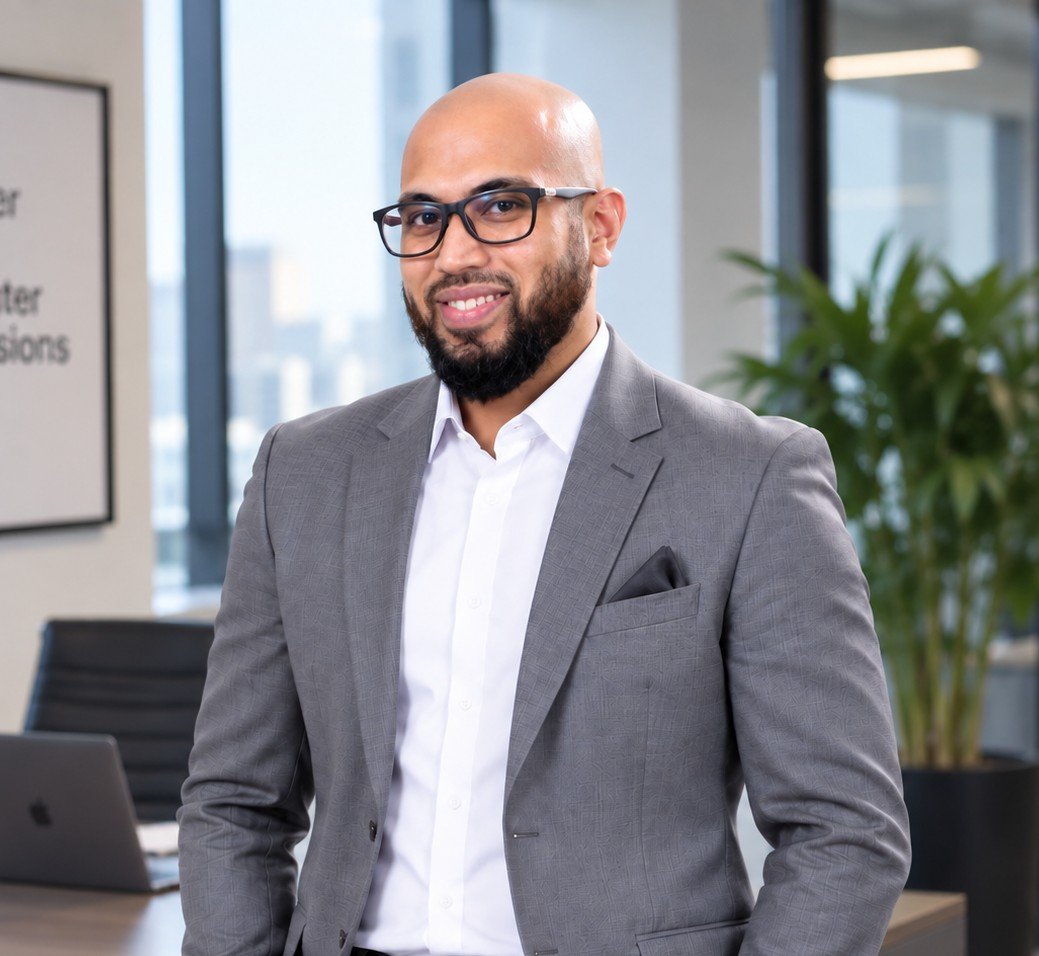
Nasehuddin Mohammed is the Co-Founder and Head of Technology at Zawjaan, where he leads product quality and the platform’s technological development. His work spans user experience and interface development, matchmaking strategies, and community-centred communication experiences designed to help Muslims build serious, marriage-minded connections.