



Serious Marriage Intent Among German Muslim men in Germany
In Germany, Muslim singles may meet through relatives, mosque networks, university communities or marriage-focused platforms. The important distinction is not where an introduction begins, but whether both people agree that the purpose is marriage rather than an indefinite relationship.
Ask a potential husband what a realistic marriage timeline looks like. A clear answer should address readiness to meet families, the practical steps towards nikah and the responsibilities each person expects to share. A person may be sincere yet not ready, and recognising that difference prevents disappointment.
Work, studies and housing costs can affect the timing of marriage in Berlin, Hamburg, Munich and other German cities. Discuss these constraints openly rather than treating delay as either proof of bad intentions or an automatic reason to continue waiting.
Look for respectful consistency: timely replies, honest explanations, willingness to answer important questions and readiness to involve trusted people. Genuine commitment should become clearer through actions, not just flattering messages.
Marriage intentions and timelines
- Agree that marriage is the shared objective
- Discuss a realistic timetable for family introductions
- Ask about housing, employment and financial planning
- Set boundaries for communication while assessing compatibility
The German Muslim Community and Marriage Introductions
Germany has diverse Muslim communities, including families with Turkish, Arab, Balkan, South Asian, African and German convert backgrounds. There is no single German Muslim approach to choosing a spouse, and it is better to learn about the individual than to rely on assumptions.
Large cities such as Berlin, Cologne, Frankfurt, Hamburg and Munich offer a variety of Islamic associations, mosques and community activities. Smaller towns may have fewer organised opportunities, making trusted personal introductions and online matchmaking more useful.
Language can be a practical consideration. Some households communicate mainly in German, while others also use Turkish, Arabic, Urdu or another family language. Ask what language will be used with relatives and how both partners can feel included.
Community recommendations can help with introductions, but they are not a substitute for independent judgement. Protect personal information, verify what matters and respect the privacy of people who are considering marriage.
Finding introductions across communities
- Explore reputable local community activities
- Discuss languages spoken at home and with relatives
- Respect differences between ethnic traditions
- Avoid assumptions about an individual based on background
Deen, Character and Long-Term Compatibility
Faith matters in daily habits as well as formal occasions. Discuss prayer, fasting, religious learning and the kind of Islamic environment each person hopes to build at home. Focus on honest compatibility rather than presenting an idealised version of religious practice.
Character is visible in patience, truthfulness and how someone treats people when circumstances are difficult. Consider how a potential husband speaks about family, manages disagreements and responds when you set a reasonable boundary.
German life can involve competing demands from work, commuting, study and community commitments. Ask how these pressures would be managed after marriage, especially during Ramadan, family visits and periods of financial strain.
Compatibility also covers expectations around children, careers, household tasks and the place of extended family. Two people can share a strong commitment to Islam yet disagree on important practical matters; respectful discussion helps identify those differences early.
Questions beyond first impressions
- Talk about prayer and religious priorities
- Discuss approaches to disagreement and conflict
- Compare expectations for children and family life
- Check that words and everyday conduct align
Family Expectations and Involvement in Germany
Families can play a valuable role in Muslim marriage, although the level of involvement differs widely. Some German Muslim households favour introductions between parents early on; others expect the couple to establish basic compatibility before organising a family meeting.
Ask a potential husband how and when family members should be involved. Discuss whether a wali, parent, trusted elder or imam will participate and how both sides can be heard respectfully. Do not assume that one cultural arrangement applies to every family.
It is helpful to clarify expectations about visiting relatives, caring for ageing parents and making decisions as a married couple. These questions become especially important when families live in different German states or abroad.
Family approval can matter greatly, but both people must be able to give free and informed consent. A respectful process combines transparency with personal dignity and avoids pressure, secrecy or rushed decisions.
Balancing transparency and independence
- Agree on an appropriate time for family introductions
- Discuss the role of parents, wali or trusted elders
- Clarify future visits and responsibilities to relatives
- Protect mutual consent and personal boundaries
Halal Communication While Getting to Know Someone
Halal communication begins with clarity about intentions and boundaries. Keep conversations focused on learning whether a marriage could work, rather than creating emotional expectations before basic compatibility has been established.
When communicating online, avoid sharing financial information, identity documents or private photographs with someone whose identity you have not verified. A respectful person should understand the need for caution and should not pressure you to move quickly.
Video calls or meetings in an appropriate public setting can help both sides assess communication style. Where desired, involve family members or another trusted person. Agree in advance what topics will be discussed and how to follow up afterwards.
If a conversation reveals a significant disagreement about faith, children, relocation or finances, address it directly. Ending an unsuitable introduction politely can be more considerate than prolonging an uncertain relationship.
Purposeful conversations and online safety
- State marriage intentions early
- Keep personal and financial information secure
- Choose respectful, mutually agreed meeting arrangements
- End incompatible introductions clearly and courteously
Marriage-Focused Online Matchmaking in Germany
Online matchmaking can help Muslim singles connect beyond immediate family and mosque networks, particularly when suitable introductions are limited locally. Zawjaan offers a route to begin marriage-minded conversations while keeping expectations explicit.
Write a profile that accurately describes your location, religious priorities, languages, work or study situation and hopes for family life. Avoid exaggerated claims or promises about relocation that you cannot confidently fulfil.
When reviewing a profile, consider whether values and practical plans align before focusing on superficial preferences. Ask questions that allow a potential husband to explain priorities in his own words, and listen carefully to the answers.
No platform can replace personal judgement. Verify important information, take time to assess character and bring trusted people into the process when appropriate. A profile is a starting point, not proof of suitability for nikah.
Using Zawjaan with clear expectations
- Create an accurate marriage-focused profile
- Discuss location and willingness to relocate
- Ask structured questions about shared values
- Verify important details before making commitments
Nikah, Mahr and Legal Marriage in Germany
An Islamic nikah and a legally recognised marriage in Germany are not automatically the same thing. Couples who want the legal protections of marriage should check the requirements for a civil ceremony at the local Standesamt, or registry office.
German civil marriage procedures can involve identity documents, evidence of marital status and, in some cases, additional paperwork for foreign nationals. Requirements depend on individual circumstances, so confirm the current process with the relevant Standesamt before setting dates.
Mahr is an Islamic marriage obligation owed by the groom to the bride. Discuss its form, amount and timing clearly, ensuring that the agreement is freely made and understood by both people. Religious guidance may be helpful where questions arise.
For the nikah itself, discuss witnesses, consent, the role of a wali according to the couple’s religious understanding and the arrangements with an imam or Islamic centre. Keep religious and civil documentation organised rather than assuming one ceremony satisfies every requirement.
Understanding religious and civil arrangements
- Check civil-marriage requirements with the local Standesamt
- Agree mahr openly and record the understanding
- Discuss nikah arrangements with a trusted religious adviser
- Confirm documentation before making travel or wedding bookings
Cultural Diversity Beyond Stereotypes
German Muslim households may combine Islamic values with traditions rooted in Türkiye, the Middle East, the Balkans, South Asia, Africa or Germany itself. These influences can shape language, celebrations and family customs, but they do not determine a person’s character.
Ask about the traditions a potential husband values and whether they should continue after marriage. Topics may include wedding celebrations, visiting relatives, household languages and the way children will learn about their family histories.
It is important to distinguish personal preference from religious obligation. A cultural custom may be meaningful without being a requirement of Islam, and a couple should feel able to discuss differences without dismissing either family.
Mutual respect is particularly important in cross-cultural marriages. Rather than expecting one person to abandon his identity, explore how both partners can create a shared household grounded in faith, fairness and consideration.
Respecting individual identities
- Ask about family customs without making assumptions
- Separate religious duties from cultural preferences
- Discuss languages and traditions for future children
- Look for respect across cultural differences
Food, Ramadan and Eid in German Muslim Households
Food can be a welcoming way to learn about family traditions. Muslim households in Germany may enjoy Turkish, Arab, Balkan, South Asian and German dishes, with attention to halal ingredients and individual dietary preferences.
During Ramadan, working hours, university schedules and travel can influence iftar and suhoor routines. Ask how a potential husband hopes to balance worship, rest, family meals and professional commitments during the fasting month.
Eid may involve congregational prayers, visiting relatives, preparing special dishes or organising celebrations with friends. When families live abroad, video calls and planned visits may become important parts of maintaining those connections.
Instead of assuming who will cook or host, discuss how household work will be shared. Practical cooperation during busy seasons can reveal more about compatibility than agreement on a favourite meal.
Building shared celebrations
- Discuss halal food preferences and cooking responsibilities
- Plan how Ramadan routines would work together
- Agree on Eid visits and celebrations
- Respect both families’ traditions
Approaching Parents and Building Family Trust
A family introduction is an opportunity to establish trust, not an examination that either person must pass without asking questions. Prepare to speak about your intentions, values and realistic plans for marriage with honesty and calmness.
In Germany, some families prefer a meeting at home while others choose a neutral setting. Ask what would make everyone comfortable, including any language or accessibility needs, and avoid treating one arrangement as universally correct.
Questions about employment, accommodation and long-term plans are understandable. Answer accurately, including where you are still making decisions. It is better to acknowledge uncertainty than to promise a lifestyle that may not be affordable.
After the meeting, both people should have space to reflect. Family feedback can be useful, but it should support rather than replace the couple’s own informed assessment of compatibility and consent.
Preparing for respectful introductions
- Agree on a comfortable meeting format
- Explain intentions and plans honestly
- Invite questions from both families
- Allow time for reflection without pressure
German Cities, Community Access and Relocation
Where a couple lives affects employment, rent, travel, mosque access and contact with relatives. Berlin, Hamburg, Frankfurt, Cologne and Munich offer different opportunities and costs, so a shared plan should be based on real circumstances rather than a preferred city name alone.
If one person is considering moving to another German city, discuss housing availability, professional qualifications, language requirements and the presence of a supportive Muslim community. Visit the area where practical before making a permanent decision.
International marriages may involve residence permits and family reunification rules. These can depend on nationality, immigration status and individual circumstances; consult the appropriate German immigration authority for current requirements.
Consider both partners’ needs, including career development, access to relatives and religious community life. A workable relocation plan should identify costs, likely timelines and alternatives if circumstances change.
Choosing where to build a home
- Compare housing and employment prospects
- Check mosque and community access
- Verify immigration requirements where relevant
- Agree on a realistic relocation budget and timeline
Marriage Readiness and Responsible Next Steps
Marriage readiness involves emotional maturity, willingness to communicate and a realistic understanding of responsibilities. Financial stability matters, but it should be discussed alongside kindness, patience and the ability to resolve disagreement constructively.
Before committing, talk about debt, savings, employment uncertainty, housing and how household expenses would be managed. Clear expectations can prevent avoidable conflict and make it easier to plan a modest wedding and sustainable home.
Consider premarital counselling or conversations with a trusted imam or qualified adviser. These can help couples discuss sensitive matters, including conflict resolution, family boundaries and children, before difficulties arise.
When both people are comfortable, agree the sequence of family discussions, civil arrangements, nikah preparations and any relocation. Keep the plan flexible enough to accommodate genuine practical obstacles while preserving clear intentions.
Turning compatibility into a practical plan
- Review emotional and financial readiness
- Discuss responsibilities and expectations openly
- Consider appropriate premarital guidance
- Agree clear next steps towards marriage
How to Assess German Muslim Men for Marriage
A practical marriage-focused process for Muslim women considering German Muslim men in Germany.
- Confirm marriage intentions: Discuss a realistic marriage timetable and establish respectful communication boundaries.
- Assess deen and character: Explore religious practice, honesty, emotional maturity and shared life goals.
- Involve trusted family appropriately: Agree when parents, a wali or trusted advisers should participate.
- Discuss practical responsibilities: Clarify mahr, housing, finances, employment, children and possible relocation.
- Plan civil marriage and nikah: Check Standesamt requirements and agree appropriate Islamic marriage arrangements.
Frequently Asked Questions
How can I tell whether a German Muslim man is serious about marriage?
Look for consistent, respectful communication and a willingness to discuss family involvement, compatibility and a realistic marriage timeline. Avoid relying on promises without practical follow-through.
Where can I meet marriage-minded Muslim men in Germany?
Trusted family introductions, mosque communities and marriage-focused online platforms can all be useful. Options vary between Berlin, Hamburg, Cologne, Frankfurt, Munich and smaller towns.
Does an Islamic nikah automatically count as a legal marriage in Germany?
No. A religious ceremony alone does not normally create a legally recognised marriage under German civil law. Check the requirements with the relevant Standesamt.
What should I discuss about mahr with a prospective German Muslim husband?
Discuss the agreed gift, its timing and how the agreement will be recorded. Mahr is the bride’s right, and both people should understand the arrangement before nikah.
What if a potential husband lives in another German city?
Discuss travel, housing, employment, family connections and mosque access. Agree whether either person is willing to relocate before making a commitment.
How can Zawjaan support a marriage-focused search in Germany?
Create an honest profile, explain your marriage intentions and use respectful conversations to assess compatibility. Verify important details and involve trusted family members when appropriate.
About the Author
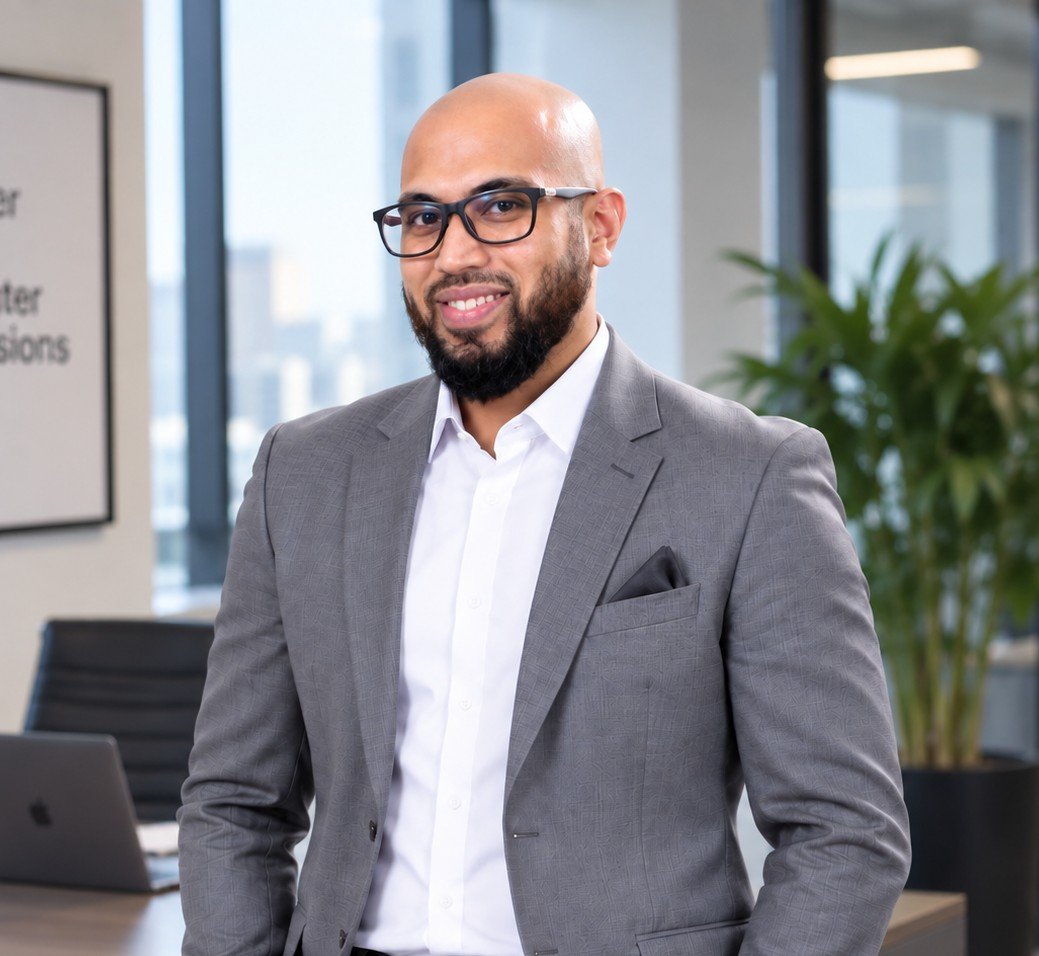
Nasehuddin Mohammed is the Co-Founder and Head of Technology at Zawjaan, where he leads product quality and the platform’s technological development. His work spans user experience and interface development, matchmaking strategies, and community-centred communication experiences designed to help Muslims build serious, marriage-minded connections.