



Serious Marriage Intent and Chinese Muslim Men
Understanding a potential husband’s genuine intentions is the first step for any sister. In China, Muslim communities are small but close-knit, so word travels fast.
When a Chinese Muslim man approaches marriage through platforms like Zawjaan, he is often looking for a life partner with shared Islamic values and long-term commitment.
You can gauge seriousness by his willingness to involve family early and discuss practical matters like residence, livelihood, and expectations of married life.
Ask clear questions about his timeline for nikah and his vision for your future together. A serious man will give direct, thoughtful answers.
- He initiates conversations with respect and avoids casual banter.
- He introduces the topic of marriage within the first few conversations.
- He seeks halal communication through a reputable platform.
- He is willing to meet your wali virtually or in person.
Recognising a Marriage-Minded Approach
A man serious about nikah will focus on your deen, character, and family background rather than superficial details.
He will be consistent in his communication and respectful of your boundaries.
- He asks about your religious practice and goals.
- He discusses family expectations openly.
- He is transparent about his financial situation.
- He does not pressure for privacy or secrecy.
Understanding the Chinese Muslim Community for Women Seeking Husbands
The Muslim population in China is diverse, with Hui, Uyghur, and other ethnic groups. Each community has unique customs, yet they share a common Islamic faith.
A potential husband’s community background can influence family traditions, daily practices, and social expectations. Respect this diversity without stereotyping.
You may need to understand his local mosque, halal eating habits, and the religious environment of his city, whether it is Beijing, Shanghai, or another area.
Being open to learning about his specific community will help you build trust and show respect for his heritage.
- Hui Muslims often blend Chinese cultural practices with Islamic observance.
- Uyghur communities have distinct language and cuisine traditions.
- Mosque attendance and halal food availability vary by city.
- Family ties are strong across all Chinese Muslim groups.
Community Norms and Marriage Customs
In many Chinese Muslim families, marriage is a community affair. Expect that your potential husband’s reputation and family standing matter widely.
Eid celebrations and communal prayers are key times when families consider serious proposals.
- Family elders often approve the match.
- Dowry and mahr are discussed respectfully.
- Weddings may combine Islamic and local customs.
- Mutual respect for each other’s cultural background is essential.
Deen, Character, and Compatibility for a Chinese Husband
When assessing a potential husband, his relationship with Allah and his moral character are more important than wealth or appearance. This is true for Muslim men anywhere, including China.
Observe how he prays, talks about Islam, and treats others, especially his family and strangers. A man who fears Allah will likely be a just husband.
Compatibility includes shared religious goals, lifestyle expectations, and views on raising children in a Chinese Muslim context.
Ask about his daily routine, halal practices, and how he balances faith with modern life in China.
- Daily prayers are consistent and observed on time.
- He seeks Islamic knowledge and tries to improve.
- He speaks kindly about his parents and elders.
- He has a clear understanding of what makes a marriage Islamic.
Character Traits to Look For
The Prophet (peace be upon him) advised us to choose a spouse with good deen and character. This is the foundation of a lasting marriage.
A man’s honesty, patience, and ability to control his anger are signs of strong iman.
- He is truthful in business and personal dealings.
- He shows patience during disagreements.
- He takes responsibility for his mistakes.
- He respects his mother’s and sisters’ dignity.
Family Expectations and Involvement for a Chinese Groom
In Chinese Muslim families, parents and elders play a central role in marriage decisions. Expect that a potential husband will seek their approval throughout the process.
His family will assess your character, religious practice, and suitability as a wife. Be prepared for respectful and thorough questions.
You and your wali should also evaluate his family’s values and whether they will support your marriage.
Chinese family norms such as filial piety influence his relationship with his parents. Understand how he balances loyalty to them with his duties to you.
- He informs his parents about you early.
- He arranges a meeting with his family for you and your wali.
- He discusses mahr and financial support with his elders.
- He ensures family expectations do not compromise Islamic principles.
Involving Your Own Wali
Your wali is your guardian and protector. Include him in decisions, and encourage open conversation with the groom’s family.
A respectful groom will value your wali’s involvement and see it as a sign of seriousness.
- Share relevant information with your wali early.
- Arrange a virtual or in-person meeting between families.
- Discuss financial and living arrangements openly.
- Seek your wali’s counsel before accepting any proposal.
Halal Communication with a Muslim Man in China
Halal communication means maintaining boundaries and chastity while getting to know a potential spouse. This is essential in any context, including when interacting with a Muslim man in China.
Use a marriage platform like Zawjaan that facilitates respectful, supervised conversations. Avoid private, secret chats that can lead to fitnah.
Keep the conversation focused on relevant topics: faith, values, family, and marriage expectations. Avoid flirting or indecent talk.
Involve a third party or your wali when needed, and set clear boundaries from the beginning.
- Use the platform’s chat feature rather than personal phone numbers.
- Keep messages modest and goal-oriented.
- Include a mahram or wali in video calls.
- End conversations that do not maintain Islamic etiquette.
Conversation Topics That Reveal Character
Discuss his understanding of marriage, his relationship with his parents, and his desires for children. These reveal his priorities and readiness.
Ask about his lifestyle choices, such as where he prays and whether he avoids haram income.
- His views on the roles of husband and wife.
- How he plans to observe Islamic holidays with his family.
- His social circle and the company he keeps.
- His approach to conflict and problem-solving.
Marriage-Focused Online Matchmaking for Chinese Muslim Men
Online matchmaking allows you to connect with Muslim men across China in a halal, purpose-driven way. Zawjaan is designed specifically for serious nikah seekers.
Your profile should clearly state your goals and values, attracting men who share your seriousness.
When reviewing profiles, look for signs of commitment, such as a complete profile, clear bio, and respect for the platform’s guidelines.
A man’s approach to online communication reflects his character. A sincere seeker will be polite, punctual, and intentional.
- Create a profile that reflects your deen and personality.
- Use search filters to find men in cities like Beijing or Xi’an.
- Engage only with members who have verified profiles.
- Take time to get to know someone before involving your wali.
Red Flags in Online Profiles
Be cautious of individuals who avoid discussing marriage, are inconsistent, or pressure for privacy.
Trust your instincts and consult your wali if anything feels off.
- Vague answers about job and income.
- Reluctance to share family details.
- Requests for money or gifts.
- Immediate talk of love without meaningful conversation.
Nikah and Mahr: Preparing for an Islamic Marriage in China
Preparing for the nikah in China involves practical steps for paperwork, witnesses, and agreeing the mahr with clarity.
The nikah is the sacred contract that makes your marriage valid in Islam. For a Chinese Muslim groom, it is a serious commitment that involves both families.
Local Islamic associations in cities with Muslim communities can help arrange the nikah and guide you on required documents. Many couples also register the marriage civilly.
Discussing the mahr openly is part of the Islamic process and shows the groom’s responsibility. A fair mahr is agreed between the two families before the ceremony.
Ensure the nikah is conducted with two male Muslim witnesses or one male and two female witnesses, as required by Islamic law.
- Contact the local Islamic association or mosque in your city to arrange the nikah
- Prepare your identification and any documents needed for civil registration
- Agree on the mahr amount and type before the ceremony, with both families present
- Confirm the presence of at least two Muslim witnesses
Mahr in Chinese Muslim Marriages
The mahr is a gift from the groom to the bride, reflecting his seriousness and financial capability. It can be cash, gold, or another agreed form.
Chinese Muslim families may have customs around mahr, but the core principle is that it is the bride’s right. Discussing it openly is part of healthy communication.
For sisters, knowing your mahr and agreeing it respectfully helps clarify expectations from the start.
- Mahr can be paid immediately, deferred, or a combination of both
- It is not a bride price to the family but a personal gift to the bride
- Both sides should agree on the mahr before the nikah to avoid misunderstandings
Beyond Stereotypes: Understanding Chinese Muslim Men’s Cultural Diversity
Chinese Muslim men come from varied ethnic and regional backgrounds, each with distinct traditions and practices.
China is home to many ethnic Muslim groups, including Hui, Uyghur, Kazakh, and Dongxiang communities. Each group has its own language, customs, and cuisine.
Culture is not Islam; while some traditions may be common, the religion remains the foundation. It is important not to stereotype based on ethnicity or geography.
When assessing a potential husband, learn about his specific background and how his family practises Islam. Ask respectful questions about his upbringing and daily religious observance.
- Hui Muslims often blend Confucian values with Islamic practice
- Uyghur, Kazakh, and other groups may have distinct languages and cultural customs
- Regional differences exist in dress, music, and even religious emphasis
- Ask about his family’s traditions and how they align with Islamic teaching
Avoiding Cultural Assumptions
Do not assume his level of religiosity based on his ethnicity or region. Character and deen are personal matters.
Engage with his family respectfully, and show interest in their traditions as a way of understanding his background.
Cuisine and Gatherings: Sharing Meals with a Chinese Muslim Man’s Family
Food is central to family life in China, and halal cuisine varies by region and ethnic group.
Chinese Muslim cuisine is diverse and halal, from hand-pulled noodles in the northwest to steamed buns in the east.
Many families take pride in their cooking and may invite you to share a meal. Eating together is a way of bonding and demonstrating respect.
Learn about dietary regulations and be open to trying new dishes. Ask questions about ingredients to ensure everything is halal.
- Lanzhou hand-pulled beef noodles are a famous Hui dish
- Kebabs and pilaf are common among Uyghur and Kazakh communities
- Halal dim sum and dumplings are enjoyed in cities like Shanghai
- Eid meals often include sweet treats and special family recipes
Eid Customs and Dress: Observing Traditions with Grace
Eid is a time of joy, family, and worship. Understanding customs will help you connect with his family.
Chinese Muslims celebrate Eid al-Fitr and Eid al-Adha with communal prayers, festive meals, and visiting relatives.
During Eid, you may be expected to dress modestly and in festive clothing. Westerners might see formal attire, but traditional outfits vary by ethnic group.
As a potential wife, showing that you respect these customs will make a positive impression on his family.
- Many Chinese Muslim women wear a hijab or modest head covering, but it is not universal
- Men may wear a white cap (kufi) during prayers and festive occasions
- Eid al-Fitr in China often features special pastries and community feasts
- Giving small gifts or money to children is a common Eid practice
Approaching Family and Parents with Respect in China
Family involvement is important in Chinese Muslim culture, and approaching parents respectfully is key to building trust.
In China, parents are often deeply involved in marriage decisions. Your potential husband may seek his parents’ approval before proceeding.
When meeting his parents, show respect through formal greetings, modest dress, and a willingness to engage with their questions.
Understand that some families may prefer initial introductions through a matchmaker or mutual acquaintance.
- Ask your potential husband about the best way to approach his parents
- Present yourself sincerely and show interest in family traditions
- Be patient if parents express concerns about cultural or religious differences
- Avoid direct confrontation; instead, demonstrate your character through actions
Respecting Traditional Courtship Norms
In some regions, it is customary for the man’s family to visit the woman’s family formally. Being aware of these norms shows cultural sensitivity.
Seek guidance from your own parents or a matchmaker if unsure.
City and Location Differences: Choosing Where to Live in China
China’s cities vary widely in Muslim community size, housing costs, and lifestyle. Your choice will affect your daily life.
Beijing, Shanghai, and Guangzhou have small but established Muslim communities with mosques and halal restaurants.
Northwestern cities like Lanzhou, Xi’an, and Urumqi have larger Muslim populations and a more visible Islamic culture.
Consider factors like job prospects, access to halal food, and the presence of a supportive Muslim community when planning your marriage.
- Research the local mosque and Islamic centre in each city
- Evaluate the availability of halal grocery stores and restaurants
- Assess the cost of living and employment opportunities
- Discuss with your potential husband how relocation might affect family ties
Long-Distance and Relocation Considerations
Long-distance relationships require careful planning and clear communication. Discuss how you will maintain Islamic boundaries during separation.
If one of you needs to relocate, plan the logistics well in advance, including visa requirements and support networks.
Ensure both families are comfortable with the arrangement and involved in the decision-making process.
- Use video calls and halal communication methods to stay connected
- Visit each other’s cities to understand the environment firsthand
- Set realistic timelines for closing the distance
- Consider how you will access halal food and prayer spaces in the new location
How to Assess Chinese Muslim Men for Marriage
A marriage-focused process for Muslim women assessing a Chinese Muslim man in China for serious Islamic marriage.
- Confirm serious marriage intention: Clarify that the Chinese Muslim man is seeking marriage rather than a casual relationship, and establish clear halal communication boundaries from the beginning.
- Assess deen and character: Consider religious commitment, honesty, temperament, responsibility and consistency, rather than relying only on attraction or online conversation.
- Involve family or wali appropriately: Bring trusted family members or a wali into the process at a suitable stage so intentions, character and practical expectations can be assessed transparently.
- Discuss marriage expectations: Talk clearly about mahr, finances, work, housing, family roles, children, location and other responsibilities that could affect long-term compatibility.
- Agree the route towards Islamic nikah: If compatibility is strong, agree practical next steps for family discussions, any necessary civil requirements and preparation for an Islamic nikah.
Frequently Asked Questions
How should I approach discussing mahr with a Chinese Muslim man?
Discuss mahr openly and respectfully, preferably with both families present or through a trusted mediator. The mahr is your Islamic right, and agreeing on it early helps set a transparent tone for the marriage.
What should I wear when meeting a Chinese Muslim man’s family for the first time?
Wear modest clothing that reflects your dedication to Islamic values. In many Chinese Muslim communities, loose-fitting clothes and a headscarf are appreciated, but in larger cities you may find more variety. When in doubt, err on the side of modesty.
Is it common for Chinese Muslim families to be involved in marriage decisions?
Yes, family involvement is common and valued in Chinese Muslim culture. Many men seek their parents’ approval and involve them in the courtship process. Showing respect for this tradition is important.
How can I find halal food in Chinese cities?
Most major cities have halal restaurants and grocery stores, often run by Hui or Uyghur communities. Look for signs saying ‘清真’ (halal). Online maps and apps can help you locate them.
Are there any special considerations for a non-Chinese Muslim woman marrying a Chinese Muslim man?
You may need to adjust to cultural differences in communication and family expectations. Learn some Chinese phrases, especially to speak with his parents. Also, understand that regional customs may vary. It is wise to discuss these openly with your potential husband.
How can Zawjaan help me find a serious Chinese Muslim husband?
Zawjaan allows you to search specifically for Chinese Muslim men who are marriage-minded. You can use filters to match on religious observance, language, and location preferences, ensuring a purposeful start to your journey.
About the Author
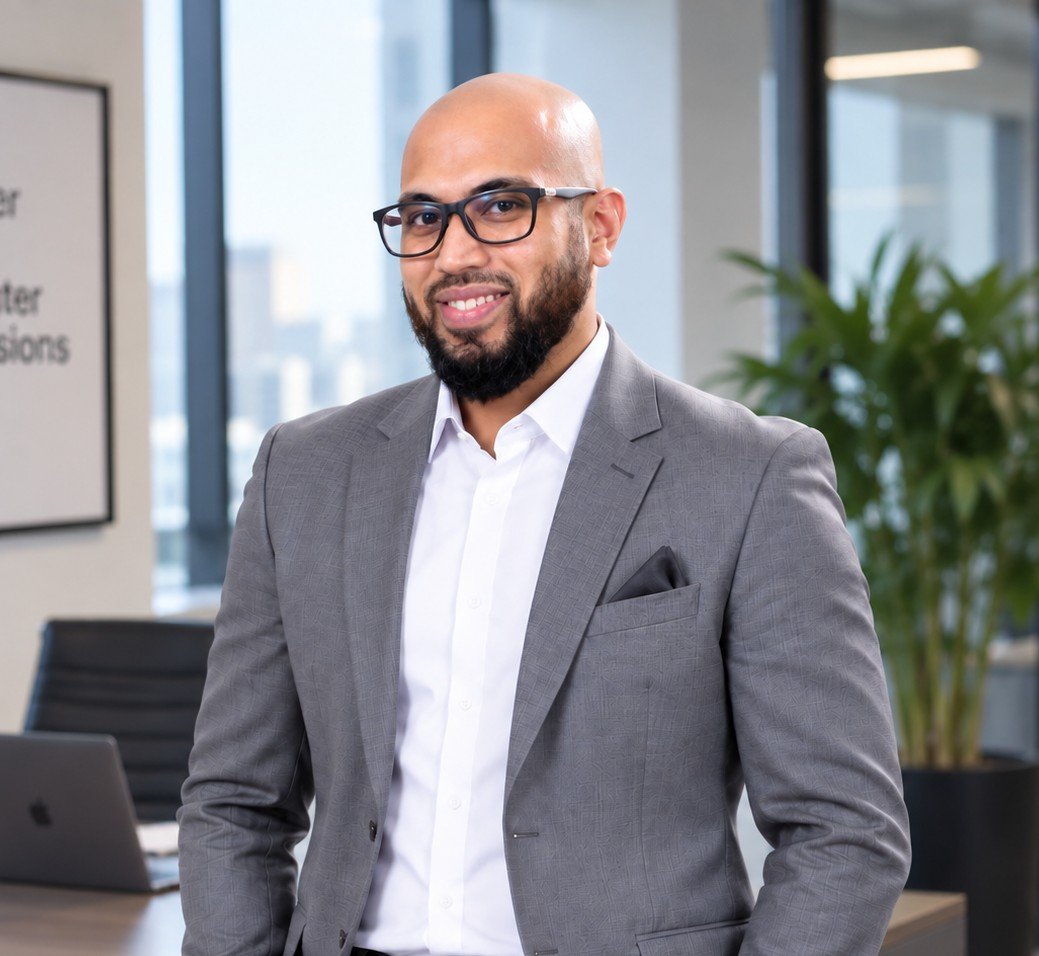
Nasehuddin Mohammed is the Co-Founder and Head of Technology at Zawjaan, where he leads product quality and the platform’s technological development. His work spans user experience and interface development, matchmaking strategies, and community-centred communication experiences designed to help Muslims build serious, marriage-minded connections.